Top 15 Interesting Facts About Vietnam

interesting-things-facts-vietnam
A selection of some interesting facts and attractions in Vietnam, specific tips. However, there are far more interesting things in Vietnam.

Quick answer: Northern Vietnam is packed with unforgettable experiences — from winding mountain roads and ancient towns to hidden waterfalls, cave systems, and island escapes. Whether you’re into culture, nature, adventure, or food, there’s always something surprising around the next bend.

At a glance:

  • ⛰️ Mountain Passes & Views: Explore dramatic roads, lookout points, and vast landscapes.
  • 🏘️ Ancient Towns: Walk through historical settlements filled with traditional architecture.
  • 🕳️ Caves & Karst: Discover hidden caves, underground rivers, and limestone cliffs.
  • 🌊 Coastal Islands: Visit remote islands and bays for peace, beauty, and slow travel.
  • 🚴 Outdoor Activities: Trek, cycle or ride a motorbike through remote regions.
  • 🎭 Ethnic Culture: Experience festivals, markets, and daily life of hill‑tribe communities.
  • 🧀 Food & Flavours: Taste local specialties, street food, and traditionally made treats.
  • 📸 Photography: Ideal terrain for capturing landscapes, sunrise/sunset, and portraits of rural life.

Last updated in November 2025


Fascinating Facts About Vietnam: They are incredibly diverse.

    • Vietnam, hidden in the southeastern corner of Asia, is a place where the past meets the present, where tradition blends with modernity, and where natural beauty touches human art. Vietnam is not just a country; it’s an experience that will captivate you at first glance. Vietnam offers an incredible array of interesting facts and differences beyond what you know.
    • Begin your journey in the capital city of Hanoi, where the streets pulse with life, and history still touches every corner. Stroll through streets filled with ancient temples and cafés that smell of freshly roasted coffee. Whether you’re a passionate history lover or simply enjoying a leisurely walk through market alleyways, Hanoi will enchant you with its charm.
    • The country’s largest city is Ho Chi Minh City, also known as Saigon, which is a vibrant center of economic growth and modern life. This city never sleeps and is home to endless streets filled with food stalls, fashion boutiques, and nightlife that never ends. Ho Chi Minh City is a symbol of Vietnam in the 21st century, where you encounter the future of this country.

Natural Wonders and Culinary Art Will Surely Amaze You.

    • But Vietnam is much more than just cities. It’s a country with rich nature and stunning landscapes. Head north to Ha Long Bay, where thousands of limestone islands rise from azure waters, creating a breathtaking and unique landscape that will leave you breathless. The mountainous region in the north is also incredible and awe-inspiring. Explore the Mekong Delta in the south, where river channels bring life to rural villages, and it seems as if time has stood still.
    • Vietnam is also a land where traditions come alive in the modern world. Water puppet theaters, an ancient art form, will immerse you in a world of magic and mystique. Vietnam beckons you to adventure among ancient temples and pagodas, where you can explore the deeper meaning of Vietnamese spirituality. Culture in Vietnam is a chapter on its own, immeasurable and enchanting.
    • And then there’s the unforgettable Vietnamese cuisine, full of aromas and flavors. From the best pho noodle soup to street-prepared dishes, Vietnamese cuisine will captivate you with its diversity and deliciousness.

15 Interesting Things in Vietnam, that might appeal to you:


1. Length of Vietnam’s Coastline

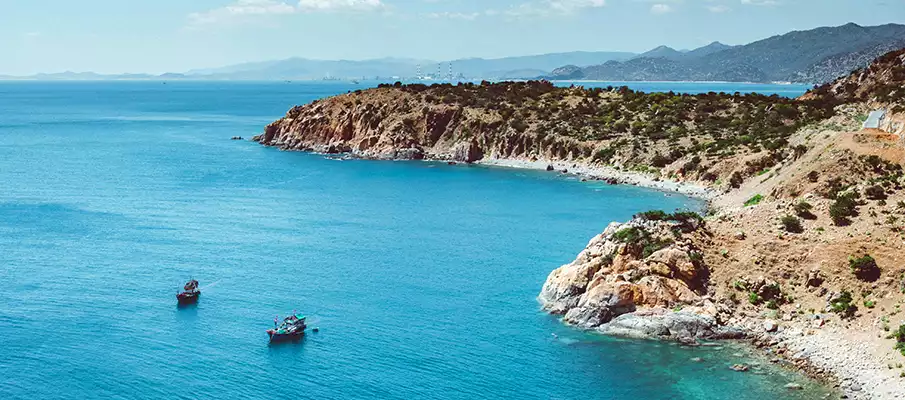
Vietnam boasts a coastline that spans more than 3,260 kilometers, making it one of the countries with the longest coastlines in the world. This extensive coastline offers countless opportunities for beach vacations and fishing, making Vietnam an attractive destination for sun, sea, and water activity enthusiasts.

The eastern coastline of Vietnam is washed by the South China Sea, while the western coastline lies along the Gulf of Thailand. Thanks to this diversity, you can find different types of beaches with varying characteristics. From bustling resorts with a lively atmosphere to remote and tranquil beaches that offer relaxation and an escape from the daily hustle and bustle.

Vietnam’s coastline is also rich in marine life and natural beauty. Various types of coral reefs and underwater life have attracted divers from around the world. Some of the most well-known beaches and coastal destinations include Nha Trang, Da Nang, Quy Nhon, Phu Quoc Island, and Mui Ne.

Fishing is a traditional industry and way of life for many communities living along Vietnam’s coastline. Local fishermen use various techniques, from traditional net fishing to modern fishing farms. This also means that you can savor fresh seafood at Vietnamese markets and restaurants throughout the country.

vietnam-coast-boats-ocean
Vietnam’s coastline is long and fascinating, and in many places there are big cities like Da Nang or Nha Trang.


2. Ho Chi Minh City – Economic Hub

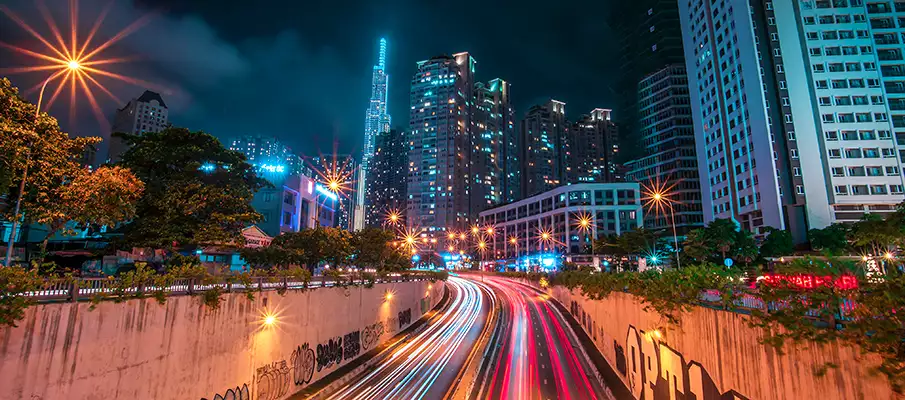
Ho Chi Minh City, formerly known as Saigon, is the largest city in Vietnam and one of the most important metropolises in Southeast Asia. This city offers a fascinating blend of history, culture, modernity, and prosperity, making it an integral part of Vietnam’s cultural and economic life.

The history of the city dates back thousands of years and has gone through several states and colonial regimes over the centuries, leaving its mark on the city’s architecture and culture. Important landmarks include the neoclassical City Hall building, renowned for its elegant architecture, and the Jade Emperor Pagoda, one of the city’s most significant Buddhist temples.

Ho Chi Minh City was also the epicenter of significant historical events, especially during the Vietnam War, where it was a major battleground. The city still preserves many museums and memorials that commemorate this period, including the War Remnants Museum and the Cu Chi Tunnels, which showcase the events and tactics of that era.

ho-chi-minh-city-saigon-vietnam
Ho Chi Minh City has transformed into a modern and vibrant metropolis, becoming the economic hub of Vietnam.


3. UNESCO Heritage Sites in Vietnam

UNESCO heritage sites in Vietnam are a diverse collection of cultural and natural heritage that reveal the richness and diversity of this country. They include historical cities, unique landscapes, monuments, and places of significant cultural value. These heritage sites encompass:

  • Historical Cities: Vietnam has several historical cities featuring preserved buildings, traditional architecture, and a unique atmosphere. These cities often showcase the influences of various cultures and periods that have shaped this region.
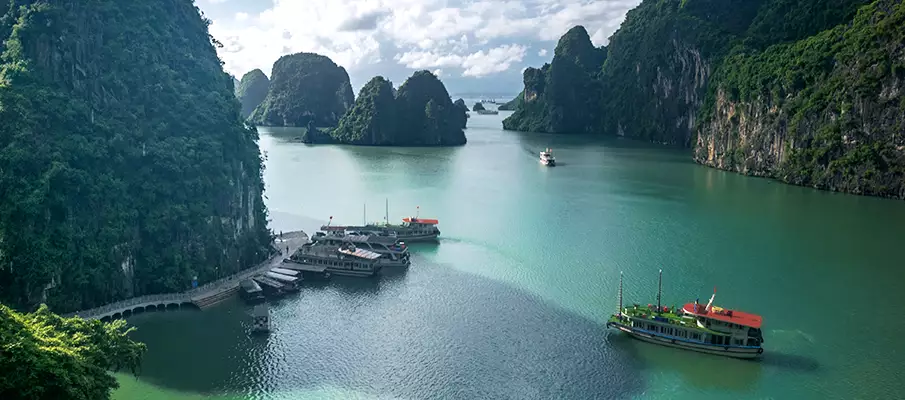
  • Natural Landscapes: Landscape complexes and natural beauties, such as Halong Bay with its limestone islands, present stunning scenery and unique ecosystems protected as world heritage.
  • Cultural Symbols: Monuments, temples, pagodas, and other cultural sites with historical or religious significance are also part of the UNESCO heritage sites.
  • Traditional Lifestyles: Some heritage sites include areas where local communities maintain traditional ways of life, including traditional agricultural practices and crafts.
halong-bay-vietnam
Vietnam offers many places and landmarks on the UNESCO World Heritage List, like Halong Bay in northern Vietnam.


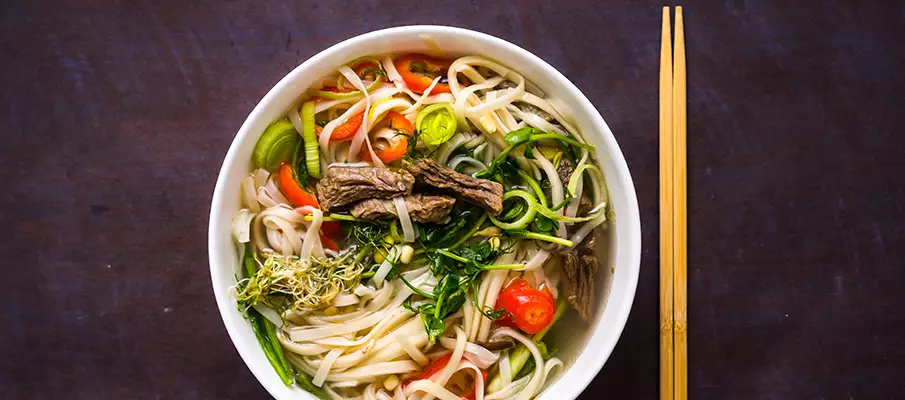
4. Pho Noodle Soup in Vietnam

Pho is a traditional Vietnamese noodle soup and one of the most iconic dishes in Vietnamese cuisine. This beloved soup has become popular worldwide due to its exceptional flavor and simplicity, despite having a complex and rich broth. Pho is often served for breakfast or as a quick lunch or dinner in street stalls and restaurants throughout Vietnam.

The main ingredients of pho include:

  1. Noodles: Pho is typically made with thin rice noodles that are lightly gelatinous and transparent. These noodles are a fundamental element in the soup and are known for their delicate texture.
  2. Broth: Pho broth is usually made from simmered beef broth that is cooked for hours with various aromatic herbs and spices. The result is a rich, aromatic, and flavorful broth that gives the soup its characteristic taste.
  3. Meat: The most common meat options for pho are beef or chicken. Beef can be thinly sliced and quickly cooked in the hot broth or served raw and cooked at the table in the hot broth. Chicken is often poached and then sliced for the soup.
  4. Herbs and Accompaniments: Pho is often served with fresh herbs and accompaniments, including mint, cilantro, basil, bean sprouts, chili peppers, and garlic. These ingredients add freshness, aroma, and distinctive flavors to the soup. Additionally, you can add condiments like fish sauce, lemon juice, and soy sauce according to your personal taste.
pho-bo-noodle-soup-vietnam
Pho noodle soup is an iconic dish of Vietnam and is known practically all over the world.


5. Space Program in Vietnam

The Vietnamese space program is relatively young but dynamic and growing, focusing on space exploration and utilization for peaceful purposes, scientific research, and technological development. Vietnam initiated its space activities in the first half of the 21st century and is gradually developing its space capabilities.

Some key information about the Vietnamese space program includes:

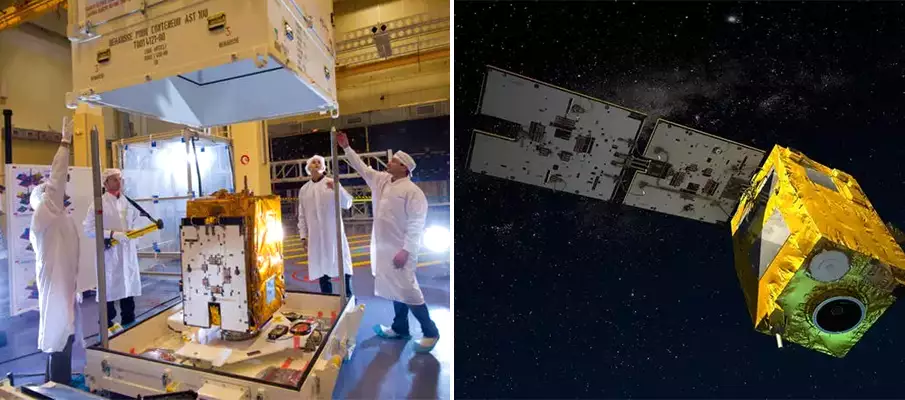
  1. First Indigenous Satellite: In 2013, Vietnam launched its first indigenous satellite named VNREDSat-1. This satellite system was designed for Earth observation and collecting data on the environment, meteorology, and other scientific purposes. This step was a significant milestone for the Vietnamese space program.
  2. Scientific Research: Vietnam is also engaged in scientific research in space, including the study of outer space, Earth’s physical properties, and solar system research. Space research helps the country improve its understanding of natural phenomena and environmental changes.
  3. Educational and Technology Development: Vietnam is investing in education and technology development related to space. This includes training scientists, engineers, and technicians working on space projects and supporting research and development in space technology.
  4. International Cooperation: Vietnam collaborates with other countries and organizations in space research and technology. This cooperation involves sharing knowledge, technology, and experience.
vietnam-space-program
The VNREDSat-1 satellite is part of Vietnam’s dynamic space program (photo: Airbus.com).


6. A Long History of Vietnam

Vietnam has a rich and eventful history dating back thousands of years. This history has been influenced by many dynasties, cultures, and periods, creating a unique cultural and historical identity for the country.

Some key points about Vietnam’s long history include:

  1. Chinese Domination: Vietnam was under Chinese rule for many centuries and became a part of the Chinese empire. During this time, Chinese culture and language had a significant impact on Vietnamese culture and language.
  2. Ly, Tran, and Le Dynasties: After Chinese domination, Vietnam became an independent state and established its own dynasties, such as the Ly, Tran, and Le dynasties. These periods were characterized by culture and art.
  3. French Colonial Era: In the 19th century, Vietnam was colonized by France and became a part of French Indochina. This period lasted until the 20th century and had a profound influence on Vietnamese culture, language, and society.
  4. Vietnam War: Vietnam was a crucial location during the Vietnam War, which lasted from 1955 to 1975. This period had a significant impact on the country and its culture. Vietnam was divided into North and South Vietnam, and the conflict between the communist North and the U.S.-backed South caused extensive changes and suffering.
  5. Modern Vietnam: After the end of the Vietnam War, Vietnam was reunified as a socialist state. The country went through a period of recovery and development, bringing changes in the economy, culture, and politics.
ho-chi-minh-city-vietnam
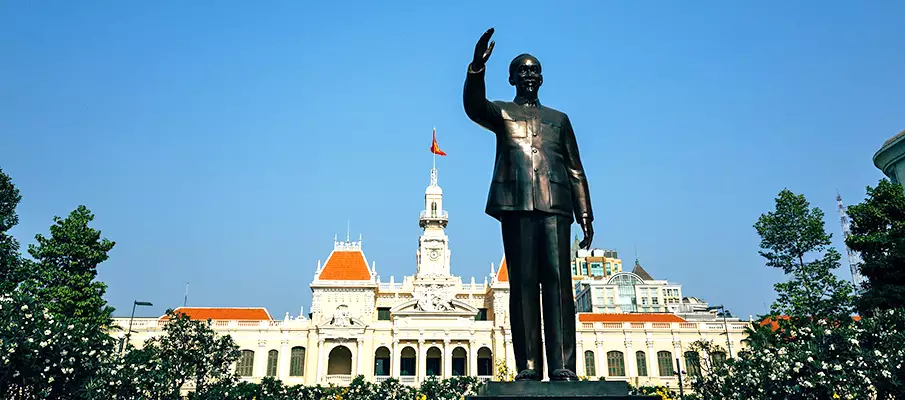
Statue of Ho Chi Minh in Ho Chi Minh City, Southern Vietnam.


7. Mekong Delta in Southern Vietnam

The Mekong Delta is a region in southern Vietnam known for its unique and fascinating area with its river canals, rich agricultural production, and picturesque landscapes. This delta is one of the largest in the world and plays a crucial role in the lives of the local population and the Vietnamese economy.

Some notable features of the Mekong Delta include:

  1. River System: The Mekong River, often referred to as the “River of Nine Dragons,” originates in the Tibetan Plateau and flows through several Asian countries before emptying into the South China Sea in the Mekong Delta.
  2. Agriculture: The Mekong Delta is one of the most fertile areas in Vietnam and is the agricultural heart of the country. A wide variety of crops, including rice, tropical fruits, fish, and other aquatic life, are cultivated here.
  3. Culture and Communities: In the Mekong Delta, you can find unique cultures and ethnic groups living in traditional water villages. These communities are known for their floating houses, water-based villages, and traditional lifestyles that rely on the river and canals.
  4. Ecosystem: The Mekong Delta is also home to a rich ecosystem with many species of waterfowl, fish, and other wildlife. This area is an important habitat for biodiversity conservation.
  5. Tourist Attractions: The Mekong Delta offers tourists many opportunities for exploration, including boat trips, market visits, tasting local cuisine, and observing local life. Tourists can explore river canals and visit traditional floating markets.
mekong-delta-vietnam
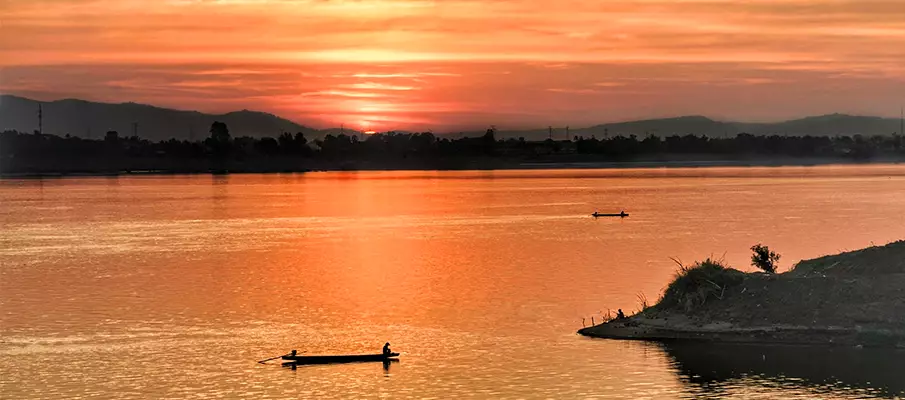
The Mekong Delta, often called the Mekong Delta, is a large river delta located in southern Vietnam.


8. TET – Vietnamese New Year

Tet, also known as the Vietnamese New Year, is the most important and significant holiday in Vietnam. Tet celebrates the arrival of spring and brings new beginnings and renewal. This traditional celebration has deep cultural and historical roots and reflects Vietnamese culture and traditions.

Some key elements and aspects of the Vietnamese Tet holiday include:

  1. Date: Tet is a movable holiday celebrated based on the lunar calendar. It usually falls at the end of January or the beginning of February. The duration of Tet celebrations can last for several days.
  2. Cleaning and Preparation: Before Tet arrives, many families engage in a thorough spring cleaning of their homes and prepare various dishes and decorations. This tradition symbolizes the removal of old things and preparation for new beginnings.
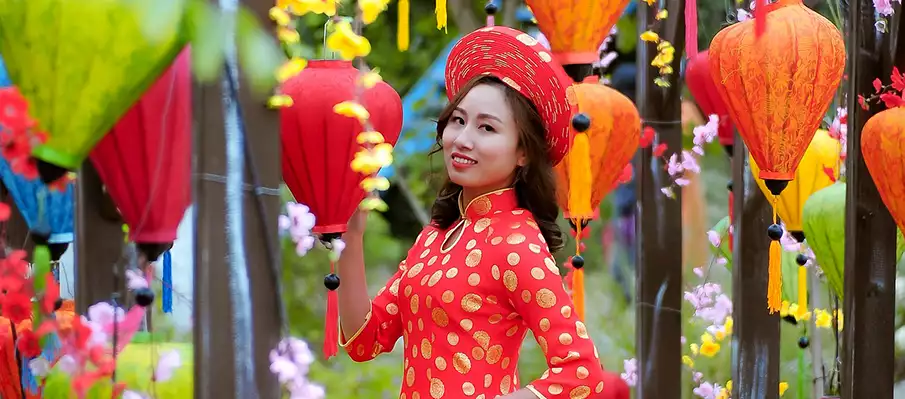
  3. Traditional Clothing: During Tet, people wear traditional Vietnamese costumes known as “ao dai.” This beautiful attire is often adorned with floral patterns and symbolizes beauty and elegance.
  4. Traditional Foods: Tet is known for many traditional dishes and delicacies served during the holiday.
  5. Family Reunions: Tet is a time when families gather and celebrate together. People visit their relatives and friends, exchange gifts, and pay homage to their ancestors.
tet-new-year-vietnam-ao-dai
TET – Vietnamese New Year is the most important holiday and people dress up in Ao Dai clothes.


9. Coffee and Tea in Vietnam

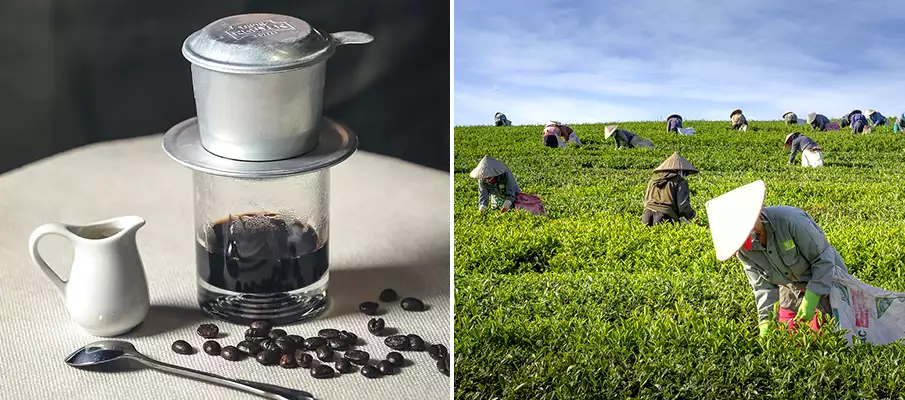
Coffee and tea hold significant places in the everyday life, culture, and gastronomy of Vietnam. Both beverages are beloved by both the local population and visitors from around the world. Coffee and tea are not just ordinary drinks in Vietnam but also symbolize hospitality and sharing with guests. People often gather in coffee shops and tea houses to enjoy moments with friends and family.

    • Coffee: Vietnam is one of the world’s largest coffee producers and is known for its robusta coffee production. This coffee has a strong and bitter taste and is often used for espresso and mixed drinks. The most famous Vietnamese coffee beverage is “cà phê sữa đá,” which is iced coffee with sweet condensed milk. This drink is popular for its refreshing taste and sweetness. Coffee is often grown in the mountains in central and northern Vietnam, contributing to unique regional coffee flavors and aromas.
    • Tea: Vietnam has a long tradition of tea cultivation and consumption, especially green tea. Green tea is often served with meals or during family gatherings. Another popular tea variation is “tra da,” which is iced black tea often served in restaurants and markets. Vietnam also produces various herbal teas and teas with different flavors, such as lotus tea and jasmine tea.
vietnam-coffee-tea-production
Vietnam is one of the largest producers of coffee and tea, and these products are popular all over the world.


10. Lakes and Mountains in Vietnam

Vietnam is a land of beautiful lakes and mountains that offer many opportunities for tourism, adventure, and nature relaxation. Here is a description of lakes and mountains in Vietnam:

Lakes in Vietnam:

  1. Hoan Kiem Lake: This lake is located in the center of Hanoi, the capital of Vietnam. It is known for its beauty and serenity and is a popular place for walks and relaxation. The “Turtle Tower” is located here, where you can observe the lake’s inhabitants, such as the rare softshell turtle.
  2. Ba Be Lake: This lake is one of the largest freshwater lakes in Vietnam and is located in the northern part of the country. The lake’s surroundings are surrounded by stunning karst mountains, offering tourists opportunities for trekking and enjoying natural beauty.
  3. Dalat Lake: This lake is located in Dalat City in central Vietnam and is surrounded by beautiful nature and gardens. It is a popular spot for picnics, swimming, and relaxation.
  4. Tam Coc Lake: This lake is located in Ninh Binh province and is known for its vibrant green rice paddies and karst landscapes. Tourists can take traditional wooden boat rides here and admire the beauty of the surrounding countryside.

Mountains in Vietnam:

  1. Hoàng Liên Son: This mountain range is located in northwestern Vietnam and includes some of the highest peaks in the country. The most famous peak is Fansipan – the highest mountain in Indochina. This mountain range is a popular destination for climbers and trekking enthusiasts. Another fascinating mountainous area is the province of Ha Giang.
  2. Annams Mountains: This mountain range stretches across central Vietnam and includes national parks and protected areas. It is known for its rich biodiversity and exotic nature.
  3. Truong Son Mountains: This mountain range runs along the border of Vietnam and Laos and is home to several protected areas. It is known for its stunning landscapes and is an ideal place for trekking and adventure.
lakes-mountains-vietnam
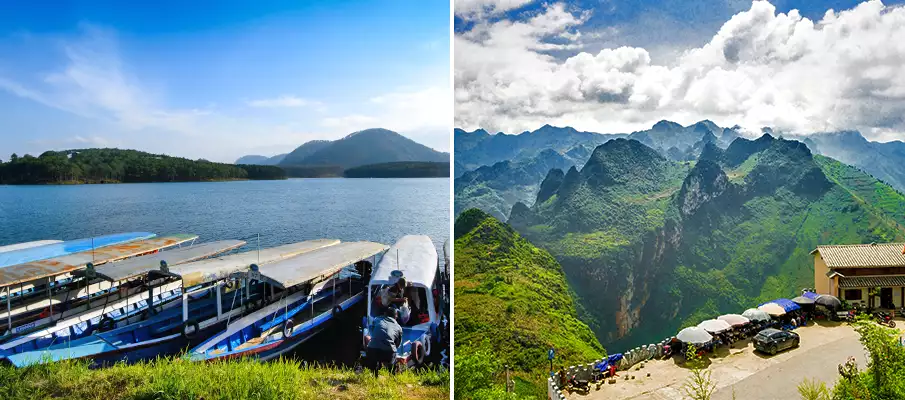
Lakes and mountains are other wonders of Vietnam. Tuan Lam Lake in Da Lat and Ma Pi Leng Pass in Ha Giang.


11. Water Puppet Theatre in Vietnam

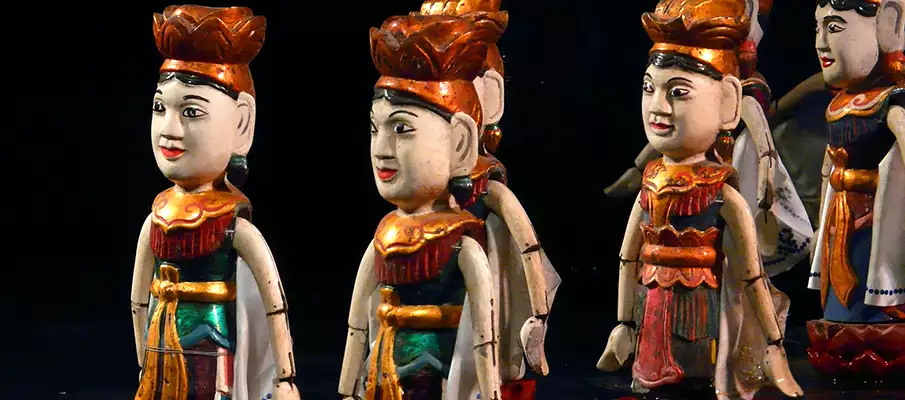
Water puppetry is a traditional form of art and entertainment in Vietnam with deep roots in folk culture. This artistic form involves performances of puppets controlled underwater on the surface of a lake, river, or a special stage. Water puppetry is popular among both locals and tourists and offers a unique glimpse into traditional Vietnamese stories, music, and culture.

Some key elements of water puppetry in Vietnam include:

  1. Puppets: Water puppets are artistically crafted and colorful. Each puppet represents a character from traditional Vietnamese stories, myths, and legends. Puppets are typically made of wood and have movable parts that allow puppeteers to control their movements underwater.
  2. Stage: The main stage of water puppetry is the water, which acts as the “scene.” Puppets are placed below the water’s surface on long poles that enable puppeteers to manipulate their movements.
  3. Music and Singing: Traditional music and singing are used in water puppetry, accompanying the performances and conveying the atmosphere and emotions. Music is often played on traditional instruments such as flutes, drums, and violins.
  4. Stories and Themes: Water puppetry performances often tell traditional stories from Vietnamese history, mythology, and daily life. These performances present various aspects of Vietnamese culture and values.
water-puppet-theatre
Water puppet theaters in Vietnam are a popular attraction for foreign tourists as well.[/caption>


12. Pagodas and Temples in Vietnam

Vietnam is home to many beautiful Buddhist pagodas and temples that play a significant role in Vietnamese culture and the spiritual life of the country’s residents. Pagodas and temples create tranquil places for prayers, meditation, and worship and are also important cultural landmarks.

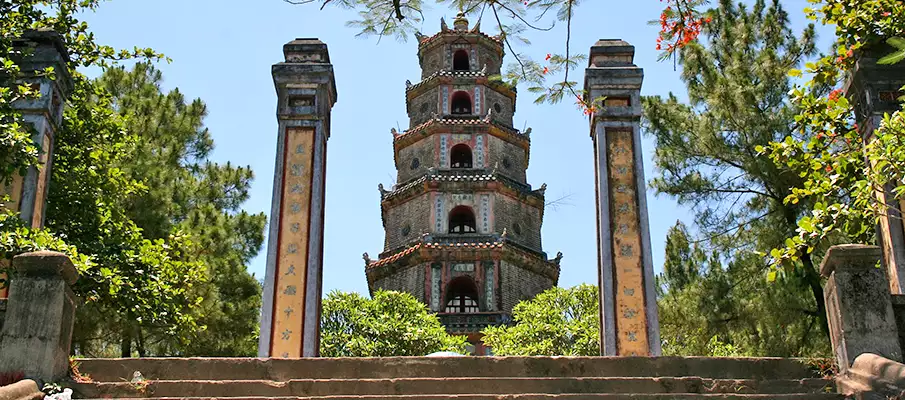
    • Pagodas: Pagodas are Buddhist sanctuaries used for worship and meditation. They can be large or small but have distinctive architecture with striking towers and roofs. Pagodas are often adorned with rich ornaments, statues of Buddha, and scenes from Buddhist legends. These decorations symbolize essential aspects of Buddhism and its teachings. Pagodas are often located in large serene gardens or on hills, providing visitors with a harmonious environment for meditation and reflection.
    • Temples: Temples are typically places for religious ceremonies and may serve more than just Buddhism. Various religious and cultural activities can take place in temples. Temples may have rich architecture with decorative columns, paintings, and statues. Each temple has its own atmosphere and character. In addition to prayers and meditation, temples can also serve as important places for paying homage to ancestors and significant cultural celebrations.
vietnam-pagodas-temples
Vietnam has a vast number of both smaller and larger pagodas and temples throughout the country.


13. Floating Villages in Vietnam

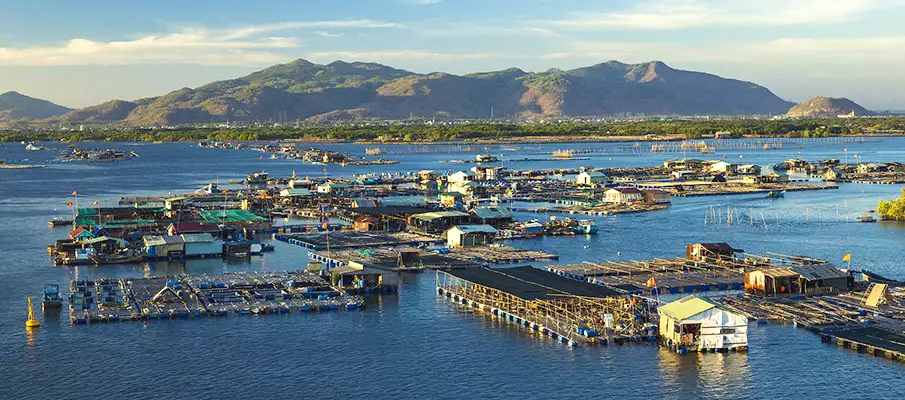
Floating water villages are unique communities in Vietnam built on rivers, lakes, and waterways. These villages are based on a water way of life and have specific infrastructure that allows them to thrive on the water’s surface. You can encounter them, for example, in the Mekong Delta and Cat Ba Island.

  1. Structure and Houses: Floating water villages are made up of floating houses constructed on pontoons or planks. These houses can be movable and adaptable, allowing communities to adjust to changes in water levels.
  2. Lifestyle: People in water villages rely on fishing, raising waterfowl, and other water-related activities for their livelihood. Fish and marine life play a crucial role in their dietary habits.
  3. Markets and Shops: Floating water villages often host markets where local residents sell their products, including fish, fruits, and vegetables. These markets are essential trade centers and places for exchanging goods.
  4. Education and Healthcare: Many water villages have schools and healthcare facilities that serve local communities. These services are vital for education and health care for the population.
  5. Tourism: Floating water villages are also popular tourist attractions. Tourists can visit floating markets, explore local culture, and sample traditional dishes.
floating-villages-vietnam
Floating villages in Vietnam can be another interesting experience and visit for tourists.


14. Rice in Vietnam

Rice plays a crucial role in the food chain of Vietnam and is the main staple of Vietnamese cuisine. This grain holds a significant position in Vietnamese food and culture. Here is a detailed description of the importance of rice in Vietnam:

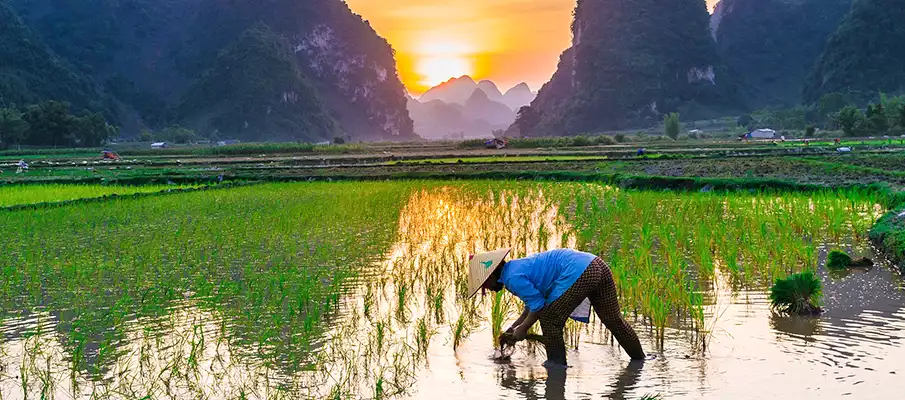
  1. Rice Cultivation: Vietnam is one of the world’s largest rice producers. Rice is grown throughout the country, with major rice fields located in the Mekong Delta, the north, and the central regions of the country. Rice cultivation is dependent on the rainy and dry seasons. Farmers use irrigation systems and traditional methods to irrigate rice fields.
  2. Various Rice Varieties: Vietnam produces different rice varieties, including jasmine rice, glutinous rice, sticky rice, and long-grain rice. Each type of rice has its own characteristics and uses in various dishes.
  3. Gastronomic Significance: Rice is the foundation of Vietnamese dishes and is served as a side dish to meat, fish, and vegetables. The popularity of rice is so pronounced that the Vietnamese terms for “food” and “rice” are often used interchangeably.
  4. Culture and Tradition: Rice holds significant symbolic value in Vietnamese culture and religion. It is often used in religious ceremonies and traditional festivals, such as the Vietnamese New Year (Tet). Rice also plays a role in traditional folk beliefs and legends.
  5. Exports: Vietnam exports a large quantity of rice to global markets, contributing to its economy and providing a livelihood for farmers.
vietnam-rice-field
Almost all over Vietnam there are various rice fields or rice terraces in valleys or mountainous areas.


15. War in Vietnam

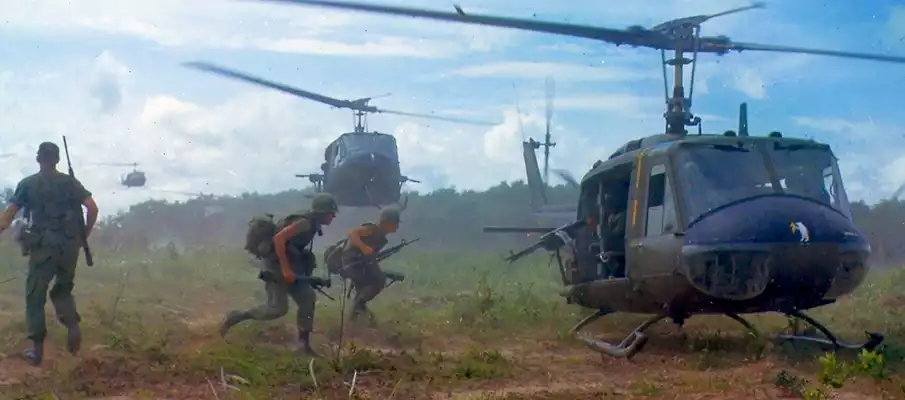
The Vietnam War was a conflict that took place from 1955 to 1975 and had a significant impact on Vietnam and world history. This war erupted during the Cold War and was one of the key conflicts between the Western bloc and the communist bloc, with Vietnam becoming the battleground for the clash of two ideologies and power blocs.

  1. Causes: The war stemmed from the division of Vietnam into North Vietnam, under communist rule, and South Vietnam, led by an anti-communist government, after the end of French colonial rule. Ideological and political differences between the communists, who sought to unify the country under a communist regime, and anti-communists, who were supported by the United States, led to the conflict.
  2. Course: The war was characterized by intense combat, guerrilla warfare, and the use of modern military technology. The United States and other Western countries provided military and financial assistance to South Vietnam, while North Vietnam was supported by the Soviet Union and China. The war involved many significant events, such as the battles of Dien Bien Phu, the TET Offensive, and the bombing of Hanoi.
  3. Consequences: The Vietnam War had a devastating impact on both sides. Thousands of soldiers and civilians died, and the country suffered extensive damage. The war ended in 1975 when the communists unified Vietnam under a single government. The Vietnam War left long-term consequences in the country, including social and economic breakdown and loss of human lives.
  4. International Influence: The Vietnam War was a significant conflict within the Cold War context and influenced international relations and geopolitics. The conflict also led to protests and anti-war movements in many Western countries, including the United States.
vietnam-war
The war in Vietnam is unfortunately a very sad legacy between 1955-1975, it was an event that affected almost the whole world.


Questions + Tips – Interesting Facts about Vietnam:

What is water puppetry in Vietnam?

Water puppetry is a traditional art form from northern Vietnam where puppets perform on water while musicians tell folk stories and legends.

What foods is Vietnam famous for?

Vietnamese cuisine is famous for pho noodle soup, banh mi sandwiches, bun cha, fresh spring rolls, and rice dishes with herbs and vegetables.

Why is the Mekong River important in Vietnam?

The Mekong River is important for fishing, farming, transportation, and daily life in southern Vietnam and the Mekong Delta.

Which UNESCO World Heritage sites are in Vietnam?

Famous UNESCO sites include Hoi An, Halong Bay, Hue Imperial City, and Phong Nha-Ke Bang National Park.

What was Vietnam’s role during the Cold War?

Vietnam became one of the key locations of the Cold War during the Vietnam War, which strongly influenced world politics and modern history.

What is Tet in Vietnam?

Tet is the Vietnamese Lunar New Year and the country’s most important holiday, celebrated with family gatherings, food, and traditions.

Why are canals important in the Mekong Delta?

Canals in the Mekong Delta are used for transportation, fishing, farming, and traditional floating markets.

What are the best mountains and lakes in Vietnam?

Popular places for adventure travel include Ba Be Lake, Fansipan Mountain, Ha Giang, and the mountains around Da Lat.

Why is rice important in Vietnam?

Rice is Vietnam’s main food staple and an essential part of the country’s agriculture, economy, and traditional culture.

What are floating markets in Vietnam?

Floating markets are traditional markets on rivers where local people sell fruit, vegetables, and goods directly from boats.

What are the best islands to visit in Vietnam?

Phu Quoc is one of the most popular islands in Vietnam. More tips are in this guide to the best islands in Vietnam.

What is the weather like in Vietnam?

Weather in Vietnam changes by region, with cooler winters in the north and tropical rainy seasons in central and southern Vietnam.


Quick Interesting Facts About Vietnam

Vietnam is full of fascinating traditions, natural wonders, unique food, and cultural experiences.
Here are some quick and interesting facts that make Vietnam one of the most diverse destinations in Southeast Asia.

☕ Egg Coffee

Hanoi is famous for creamy egg coffee made with egg yolk, sugar, and strong Vietnamese coffee.

🚠 Fansipan Cable Car

Vietnam has one of the world’s longest cable car systems leading to Fansipan Mountain in Sapa.

🛶 Floating Markets

The Mekong Delta is famous for floating markets where local people trade directly from boats.

🏍️ Motorbike Culture

Motorbikes are the main transport in Vietnam and a symbol of daily urban life.

🌾 Rice Terraces

Mu Cang Chai and Sapa offer some of the most beautiful rice terraces in Southeast Asia.

🎭 Water Puppetry

Traditional water puppet shows originated in northern Vietnam centuries ago.


vietnam-culture-traditions-customs-holidays
vietnamese-womens-day-october20
christmas-holiday-vietnam

Islands in Vietnam ➔

How useful was this post?

Click on a star to rate it!

Average rating 5 / 5. Vote count: 2

No votes so far! Be the first to rate this post.

About the author:
Hi, my name is Milan and I’m from the Czech Republic. I’m an independent traveler and the creator of this guide about northern Vietnam. I’ve spent a lot of time exploring this beautiful region — especially its mountains, nature, and ethnic culture. This website was born from my personal travel experiences, and I regularly update it with new tips and information to help fellow travelers. Follow our Facebook page for updates. This site was built with passion ❤️. Read more about the author
Share: