Quick answer: Vietnamese culture is shaped by a long history, strong family values, ancestor traditions, Buddhism, folk beliefs and diverse ethnic groups. Travelers can experience it through local food, festivals, temples, markets, traditional crafts and everyday life across the country.
At a glance:
- 👥 Family & Respect: Family, elders and ancestors are at the heart of social life.
- 🧘 Religion & Beliefs: Buddhism, folk beliefs and traditional rituals shape daily life.
- 🎎 Ethnic Diversity: 54 ethnic groups have their own customs, arts and traditions.
- 🎊 Festivals: Tet, the Mid-Autumn Festival and local celebrations bring traditions to life.
- 🍜 Food Culture: Shared meals, street food and regional dishes are central to daily life.
- 🏯 Temples & Architecture: Pagodas, temples and traditional buildings reflect Vietnam’s history.
- 🎨 Arts & Crafts: Silk, pottery, lacquerware and traditional arts remain important cultural expressions.
Last updated in August 2026
Vietnamese Culture: Customs, Traditions & Everyday Life
Vietnamese culture is a fascinating mix of old traditions, family values, spiritual beliefs and modern life. You can see it everywhere – from busy street markets and family meals to quiet pagodas, village festivals and traditional crafts.
Vietnam’s long history has brought together local traditions with influences from China, France and neighboring cultures. Buddhism, Confucian values, folk beliefs and ancestor worship still shape many customs and everyday interactions.
💡 Cultural tip: When visiting a Vietnamese home, temple or pagoda, watch how local people behave first. A little observation and respect can go a long way.
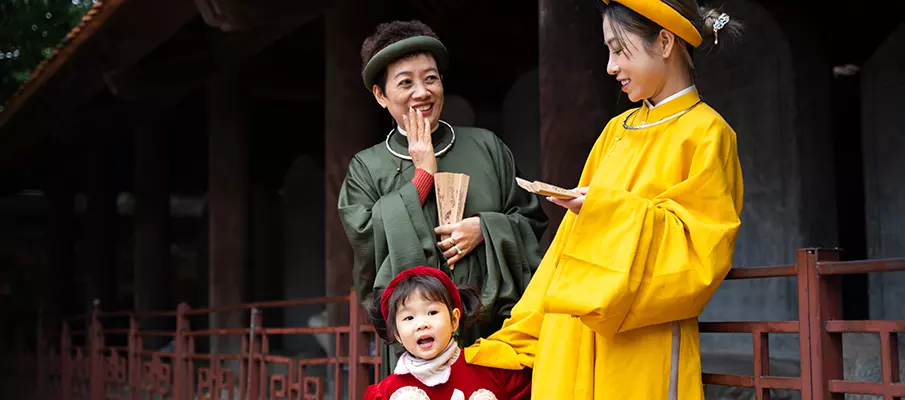
Family ties, respect for elders and remembering ancestors remain central to Vietnamese life.
Tet, festivals, food, religious rituals and local customs connect generations with the past.
Vietnam’s 54 ethnic groups contribute their own languages, clothing, crafts, music and traditions.
For travelers, Vietnamese culture is not something you only find in museums. It is part of everyday life, making even a simple meal, market visit or conversation a chance to understand the country a little better.
Religion & Beliefs in Vietnam
Buddhism, ancestor worship, folk beliefs and Confucian traditions have all influenced Vietnamese society. Their presence can be seen in family altars, temples, pagodas, festivals and everyday rituals across the country.
10 Important Points of Vietnamese Culture and Traditions:
1. Family Ties & Respect for Elders
Family is one of the strongest foundations of Vietnamese society. Parents, children and grandparents often remain closely connected, and several generations may share a home or live nearby. Family members support each other in everyday life, important decisions and difficult times.
Respect for older family members is especially important. Elders are traditionally valued for their experience and wisdom, while younger generations are expected to listen to them and show respect. These values are easy to notice when visiting a Vietnamese family or sharing a meal with locals.
Family gatherings, shared meals and mutual support remain an important part of everyday Vietnamese life.
Older relatives are respected for their experience and often have an important role in family decisions.
Family members commonly help one another through everyday responsibilities, celebrations and difficult periods.
💡 Cultural tip: When visiting a Vietnamese home, greet older family members first and follow the host’s lead when sitting down or starting a meal.
2. Tet – Vietnamese New Year
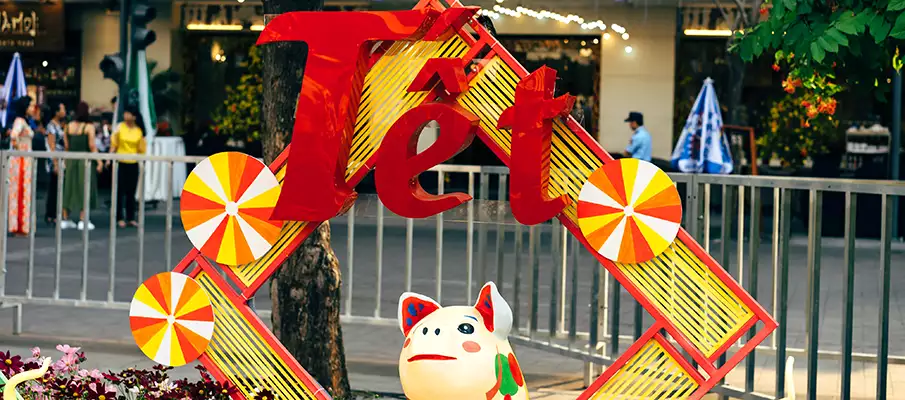
Tet, the Vietnamese Lunar New Year, is the country’s most important celebration. It is a time for family reunions, honoring ancestors, preparing traditional food and welcoming a new beginning.
Preparations begin weeks in advance as homes are cleaned and decorated, special dishes are prepared and families make time to visit relatives. Tet is as much about family and tradition as it is about celebrating the new year.
Cleaning and decorating the house symbolize leaving the old year behind and welcoming a fresh beginning.
Families gather, visit relatives and remember ancestors during the holiday.
Dishes such as banh chung and banh tet are prepared and shared during Tet celebrations.
💡 Cultural tip: Tet is a family holiday, so many businesses and attractions may have different opening hours. If you travel during Tet, expect quieter streets in some places but a lively atmosphere around family celebrations.
3. Traditional Vietnamese Cuisine & Food Culture
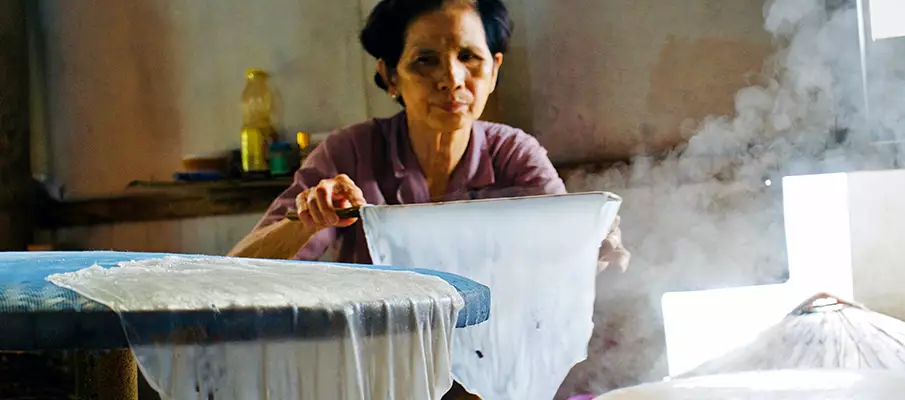
Vietnamese cuisine is an important part of everyday culture, built around fresh ingredients, herbs, rice, noodles and balanced flavors. Food is often shared at the table, making meals an important way for family and friends to spend time together.
Popular dishes such as pho, banh mi and goi cuon are now famous around the world, but Vietnam’s food culture goes far beyond these classics. Each region has its own specialties, ingredients and cooking styles.
Pho, rice dishes, noodles and soups are common parts of daily meals.
Fresh herbs, vegetables, fish sauce and spices give Vietnamese food its distinctive taste.
Several dishes are often placed in the middle of the table and shared by everyone.
💡 Cultural tip: Try eating where locals eat. Small family-run restaurants and street food stalls often offer a more authentic experience than tourist-oriented restaurants.
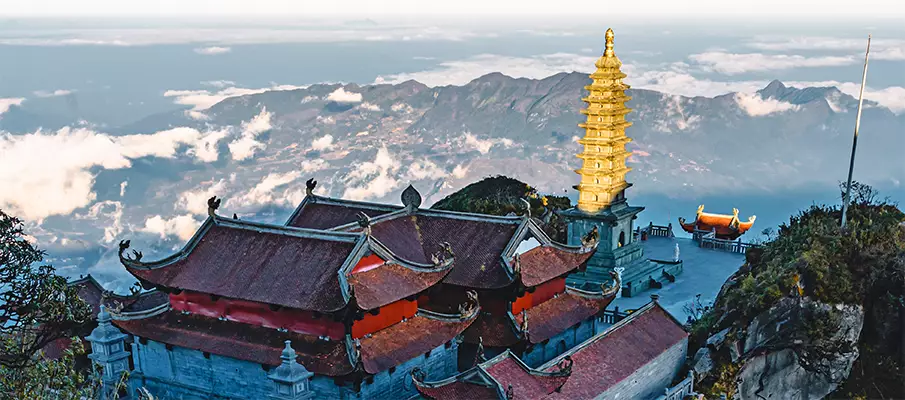
4. Pagodas, Temples & Spiritual Places
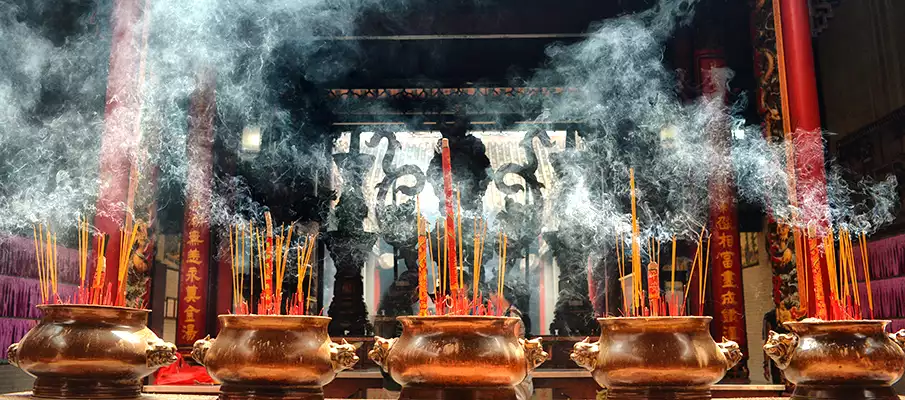
Pagodas and temples are an important part of Vietnamese culture and can be found in cities, villages and remote mountain areas. They are places for prayer, reflection and religious ceremonies, while also preserving traditional architecture, art and local history.
Buddhist pagodas, Confucian temples and local shrines can look very different from one region to another. Some of the best-known examples include the One Pillar Pagoda in Hanoi, Thien Mu Pagoda in Hue and the Temple of Literature in Hanoi.
Mostly associated with Buddhism, they are places of worship, prayer and reflection.
Temples may honor historical figures, local deities or important religious traditions.
Gates, courtyards, statues, carvings and incense reveal centuries of Vietnamese craftsmanship.
💡 Cultural tip: Dress respectfully when entering temples and pagodas, keep your voice low and follow local signs about photography or restricted areas.
5. Traditional Arts & Crafts in Vietnam
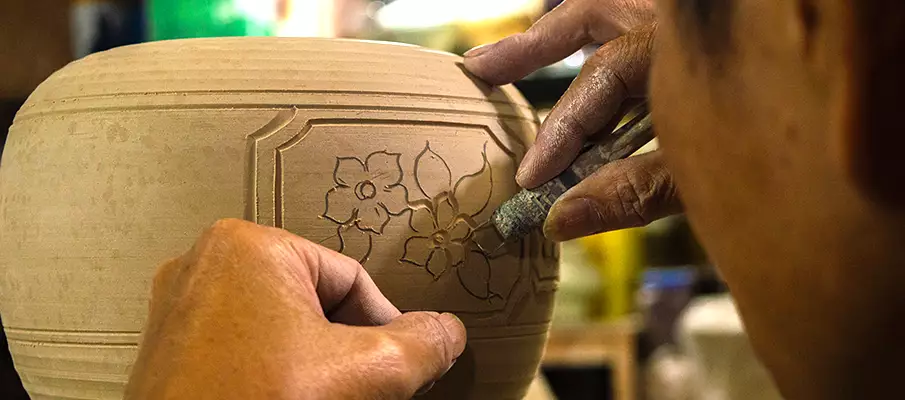
Vietnamese arts and crafts reflect centuries of creativity and traditional skills. Silk weaving, ceramics, lacquerware, embroidery and bamboo crafts are still found in different parts of the country, often using techniques passed down through generations.
Traditional art can also be seen in painting, sculpture and performances. One of the most distinctive examples is water puppetry, where colorful wooden puppets move across a water stage while musicians and performers tell traditional stories.
Silk weaving and embroidery remain important traditional crafts in many parts of Vietnam.
Pottery and ceramics combine practical use with distinctive local designs and craftsmanship.
This unique Vietnamese performance combines puppets, music, storytelling and water.
💡 Cultural tip: Look for handmade products in traditional craft villages rather than souvenir shops. You can often see artisans working and learn more about how the items are made.
6. Traditional Tattoos in Vietnamese Culture
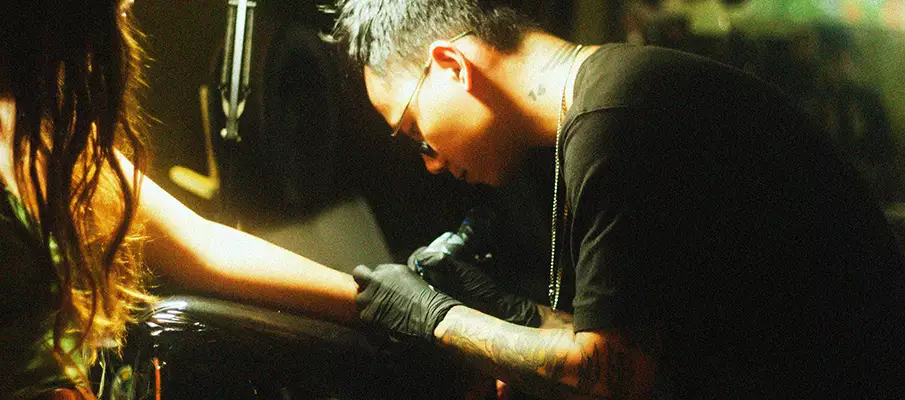
Traditional tattooing has a long history in Vietnam and has been associated with cultural identity, protection and personal symbolism. Historical tattoo designs included powerful motifs such as dragons and other animals, often connected with strength, courage and protection.
Today, tattoos are common in modern Vietnam, while traditional-inspired designs continue to use symbols with cultural meanings. Dragons, phoenixes and other motifs can carry different associations depending on the design and context.
A traditional symbol often associated with power, strength and protection.
Traditional motifs can express identity, beliefs, strength or personal meaning.
Contemporary Vietnamese tattoo art combines traditional symbols with modern styles.
💡 Good to know: Traditional tattoo symbolism can vary between historical periods and regions, so it is worth asking a local artist about the meaning behind a particular design.
7. Folk Music, Dance & Traditional Performances
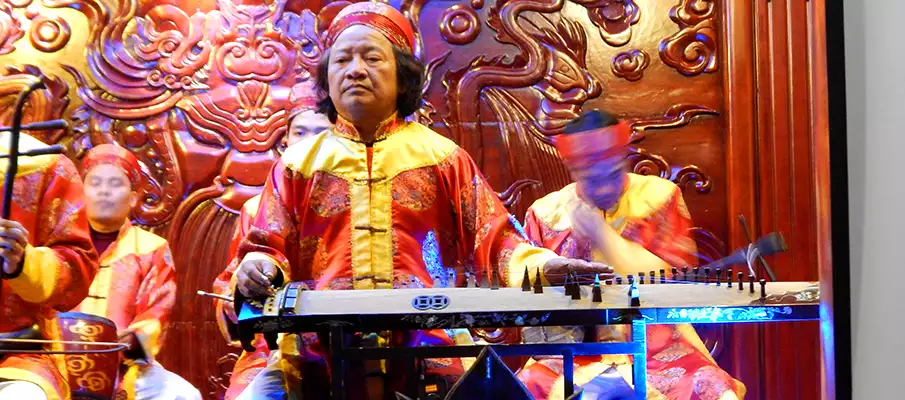
Folk music and dance preserve stories, customs and everyday life from different parts of Vietnam. Traditional melodies range from gentle and emotional songs to lively music played during festivals and community celebrations. Instruments such as the đàn tranh, a traditional Vietnamese zither, are an important part of this musical heritage.
Traditional dance often combines music, colorful costumes and carefully practiced movements. Performances can tell stories about love, village life, history or local traditions and are particularly common during festivals and cultural events.
Traditional melodies and instruments reflect local stories, landscapes and cultural traditions.
Colorful costumes, music and movements bring local stories and celebrations to life.
Festivals, villages and cultural venues offer opportunities to see traditional performances.
💡 Cultural tip: Water puppetry is one of Vietnam’s most distinctive traditional performances and is especially easy to experience in Hanoi.
8. Áo Dài – Traditional Vietnamese Dress
The Áo Dài is one of the most recognizable symbols of Vietnamese culture. The elegant, fitted tunic is usually worn over trousers and can be made from silk or other lightweight fabrics. Today, it is especially associated with formal occasions, celebrations, weddings and cultural events.
Áo Dài designs vary in color, fabric and decoration, with modern versions combining traditional elements with contemporary styles. It is also closely associated with schools and important national celebrations, making it a familiar sight across Vietnam.
The long tunic worn over trousers creates the distinctive silhouette of the Áo Dài.
Áo Dài is commonly worn at weddings, Tet, festivals, ceremonies and other important events.
Contemporary Áo Dài combines traditional cuts with different fabrics, colors and patterns.
💡 Cultural tip: During Tet and other celebrations, you are likely to see Áo Dài worn by locals of all ages, making these occasions a great time to photograph this traditional dress.

9. Festivals & Traditional Celebrations in Vietnam
Vietnam has a rich calendar of festivals and traditional celebrations, bringing together music, food, rituals and local customs. Some are national events, while others are closely connected with particular regions, ethnic groups, fishing traditions or agriculture.
Tet is the country’s biggest celebration, but there are many other interesting events to discover. The Huong Pagoda Festival, Hue Festival, Kate Festival of the Cham people and Ok-Om-Bok in the Mekong Delta each offer a different glimpse into Vietnam’s cultural diversity.
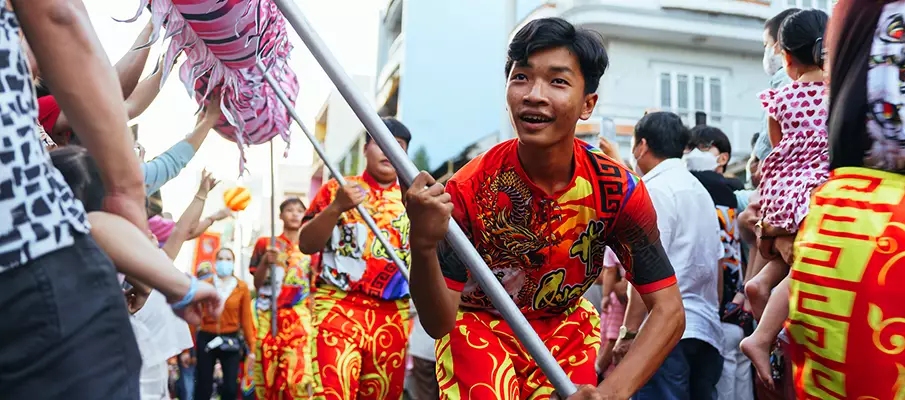
Vietnam’s biggest holiday, centered on family reunions, traditions and welcoming the new year.
Regional celebrations often combine religious rituals, music, food and traditional performances.
Some festivals are linked to harvests, fishing, village life and the lunar calendar.
💡 Cultural tip: Smaller local festivals can be more interesting than major tourist events because they offer a closer look at community traditions and everyday Vietnamese culture.
10. Vietnamese Tea Culture & Hospitality
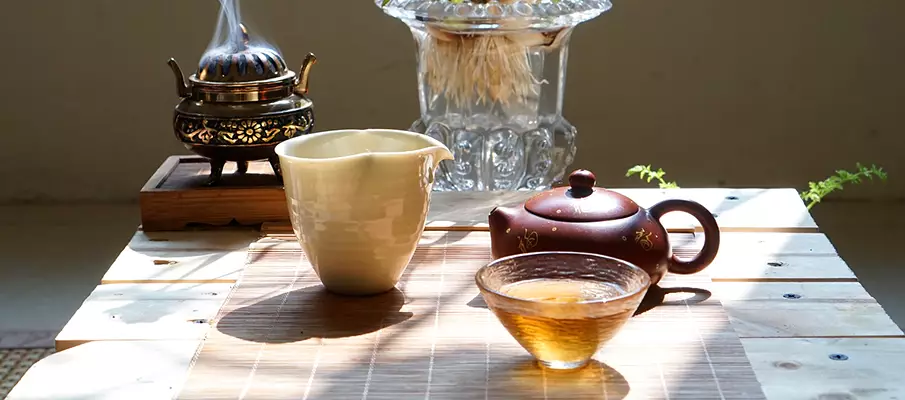
Tea has a special place in Vietnamese culture and is often connected with hospitality, conversation and respect for guests. Offering tea is a simple but meaningful part of welcoming visitors, whether at home, in a tea house or during a social gathering.
Vietnamese tea culture is generally less formal than a traditional tea ceremony in some other Asian countries. Green tea is especially popular, while lotus tea and other varieties are also enjoyed. In northern Vietnam, tea plantations such as those around Moc Chau offer an opportunity to see where some of the country’s tea is grown.
Green tea is one of the most common traditional drinks and is often served to guests.
Lotus-scented tea is a well-known Vietnamese specialty with a delicate floral aroma.
Sharing tea creates a relaxed moment for conversation and welcoming guests.
💡 Cultural tip: If someone offers you tea in Vietnam, accepting a small cup is a simple way to show appreciation for their hospitality.
➡️ Important Holidays & Festivals in Vietnam
Vietnam has a fascinating calendar of holidays and traditional festivals. Some are celebrated across the whole country, while others are closely connected with particular regions, religions or ethnic communities.
The most important holiday of the year, focused on family reunions, traditions, special food and honoring ancestors.
A colorful celebration especially important for children, with lanterns, mooncakes, lion dances and family gatherings.
A major cultural celebration honoring Vietnam’s legendary early kings and the country’s shared heritage.
September 2 marks the declaration of Vietnamese independence, with flags, public celebrations and fireworks.
A Buddhist and folk tradition associated with filial gratitude, honoring parents and remembering ancestors.
The traditional fifth-day-of-the-fifth-lunar-month festival, known for seasonal foods and old cleansing traditions.
A lively northern festival in Bac Ninh famous for Quan Ho folk singing, traditional games and local culture.
An important annual religious celebration of Vietnam’s Cham Brahman community, with rituals, music and traditional performances.
💡 Travel tip: If your trip coincides with a local festival, don’t just watch from the sidelines. Smaller community celebrations can offer some of the most authentic cultural experiences in Vietnam.
❓ Vietnamese Culture, Traditions & Customs: FAQ
What are the most important traditions in Vietnamese culture?
Family values, respect for elders, ancestor worship, festivals and religious customs are central to Vietnamese culture.
Why is family so important in Vietnamese culture?
Family is central to Vietnamese society, with strong connections between generations and respect for elders and ancestors.
What should tourists know about Vietnamese customs?
Respect elders, dress appropriately at religious sites and follow local customs when visiting Vietnamese homes.
What is Tet and why is it important in Vietnam?
Tet is the Vietnamese Lunar New Year, centered on family, ancestors, traditional food and new beginnings.
What is Vietnamese cuisine known for?
Vietnamese cuisine is known for fresh ingredients, herbs, rice, noodles and balanced flavors.
How should you behave in Vietnamese temples and pagodas?
Dress respectfully, keep your voice low and follow local rules about photography and restricted areas.
What traditional clothing is Vietnam famous for?
The Áo Dài is Vietnam’s best-known traditional dress, worn for weddings, festivals and special occasions.
How many ethnic groups are there in Vietnam?
Vietnam officially has 54 ethnic groups, each with its own customs, clothing and traditions. Learn more about Vietnam’s ethnic minorities.
What are the most important festivals in Vietnam?
Tet is the most important, followed by festivals such as Mid-Autumn Festival, Hùng Kings Festival, Vu Lan and Independence Day.
Why is tea important in Vietnamese culture?
Tea is associated with hospitality, respect and social connection and is often offered to guests.