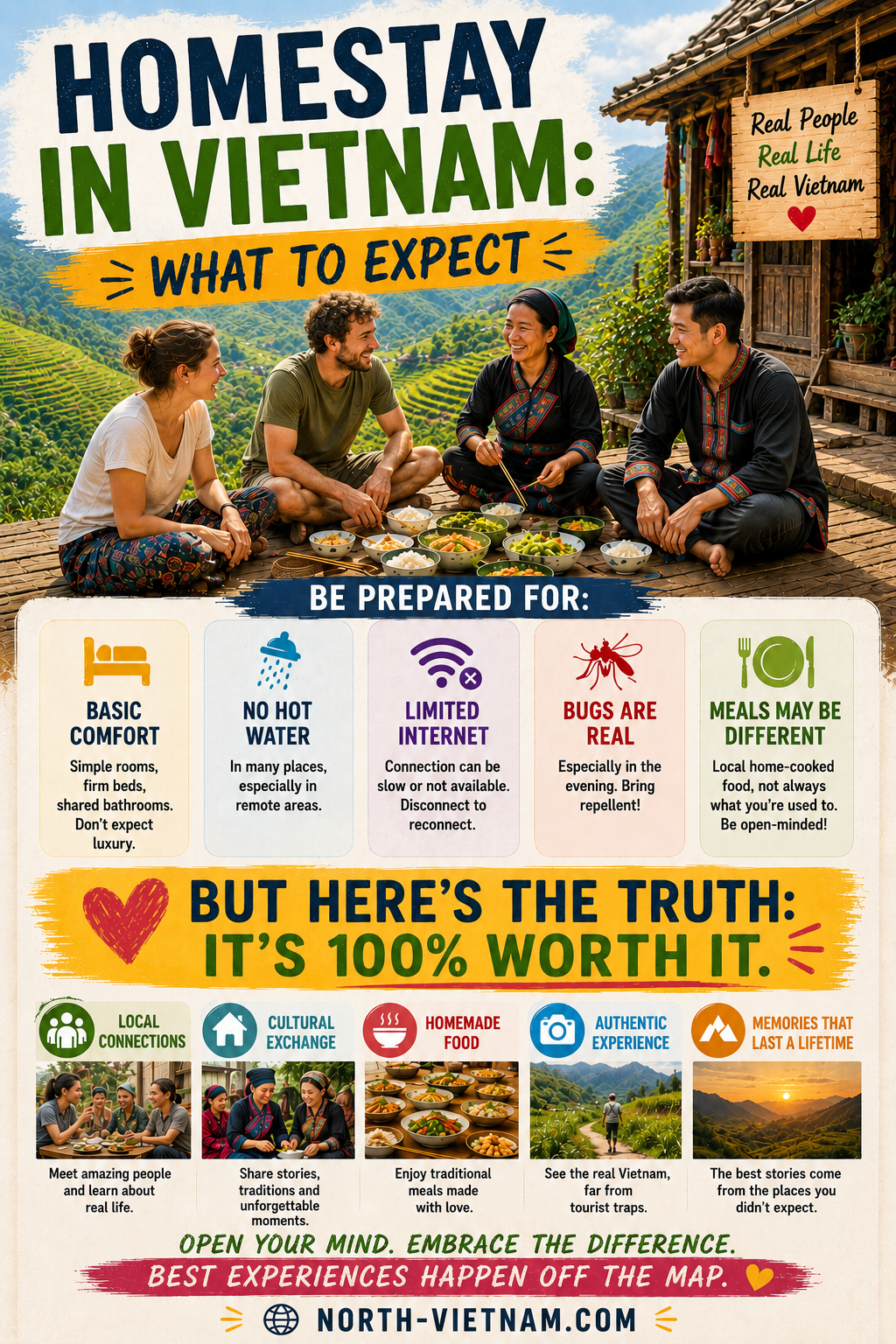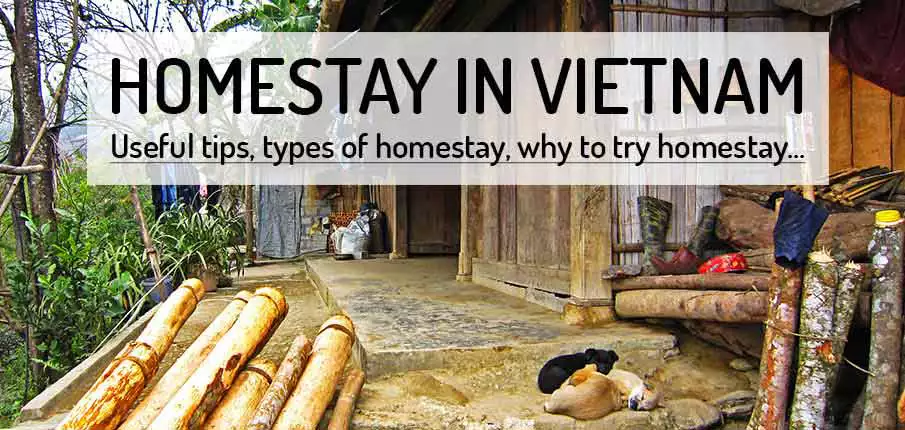
ℹ️ Homestay in Vietnam
📍 Where to Find Homestay
🏠 Types of Homestay
❤️ The Best Homestays
❓ FAQ + Travel Tips / Info
Authentic local experience
Stay with local families, share meals and experience daily village life
Culture & connection
Meet locals and discover Vietnamese traditions and culture
Simple but unique stay
Basic comfort, homemade food, trekking, and local activities
Less privacy & comfort
Shared spaces and simple facilities are common in homestays
Quick answer: Staying in a homestay in Vietnam is one of the most authentic ways to experience local life. You stay with a Vietnamese family, enjoy home-cooked meals, and get involved in daily routines. It’s a cultural immersion rather than just a place to sleep.
At a glance:
- 📍 Where: Popular in places like Sapa, Ha Giang, and the Mekong Delta.
- 💰 Price & Stay: Most homestays cost around US$10–30 per night and are ideal for stays of 1–3 nights.
- 🍲 Food & Culture: Homemade Vietnamese meals and local traditions are often part of the experience.
- 🌿 Accommodation: Traditional houses or stilt homes with simple but comfortable facilities.
- 🤝 Local Experience: Guests can join cooking, farming, or other village activities.
- 👲 Community Support: Homestays help support local families and ethnic communities.
Last updated in March 2026
Homestay in Vietnam offers a unique look into local life.
A popular type of accommodation in Vietnam is staying in a homestay with local ethnic families. Guests stay directly in local homes and experience traditional culture, food, and daily life. Homestays are especially popular in northern Vietnam, but can also be found in cities such as Hanoi.
Today, tourists are welcomed in many villages across Vietnam, and homestays have become one of the most authentic travel experiences in the country.
🏡 Why stay in a homestay?
- Authentic local culture
- Friendly families
- Traditional houses
- Peaceful atmosphere
- Unique travel experience
🍜 Local food & hospitality
- Homemade meals
- Fresh local ingredients
- Warm hospitality
- Traditional Vietnamese food
- Cooking experiences
🌏 Beautiful surroundings
- Rice terraces
- Mountain villages
- Nature and trekking
- Quiet countryside
- Escape from busy cities
Many homestays are located in scenic rural areas surrounded by mountains and rice fields. They offer a peaceful alternative to the busy cities and a chance to enjoy authentic Vietnamese cuisine.

Homestay in Vietnam – Authentic Local Experience
A homestay in Vietnam offers a unique opportunity to experience real local life, especially in northern Vietnam.
Instead of staying in hotels, you live with local families, learn about their traditions, and explore rural areas like rice terraces and mountain villages.
🏡 Experience Local Life
Discover daily life of ethnic minorities and rural communities in Vietnam.
🍜 Traditional Food
Taste authentic Vietnamese home-cooked meals prepared by local families.
🌄 Unique Locations
Stay in scenic places like rice terraces, mountains or remote villages.
🥾 Local Guides
Join guided treks and explore hidden areas with local hosts.
🍶 Cultural Exchange
Share stories, traditions and even rice wine with your hosts.
⚠️ Simple Comfort
Expect basic conditions – homestays focus on experience, not luxury.
If you are looking for an authentic travel experience in Vietnam, a homestay in northern Vietnam is one of the best ways to connect with local culture and nature.
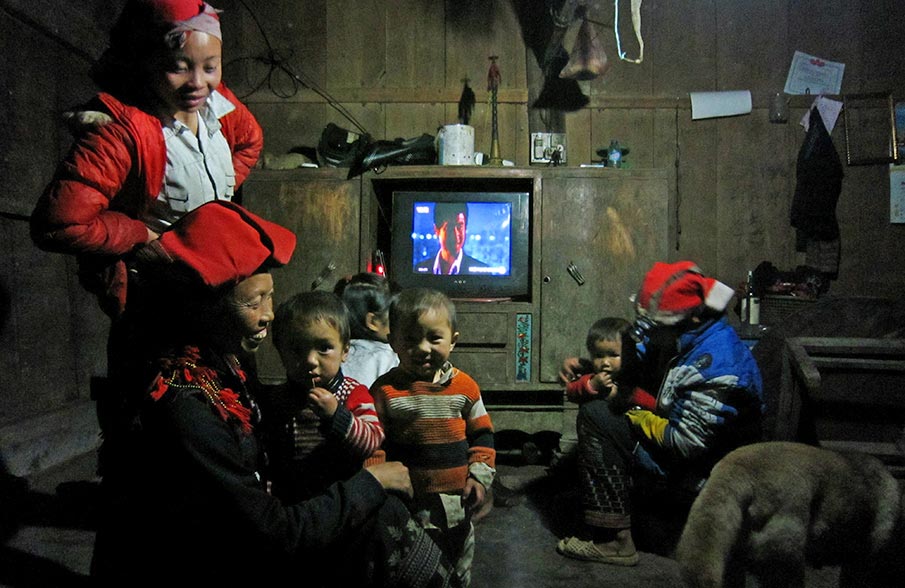
How to Find a Homestay in Vietnam – Tips & Booking Options
Finding a homestay in Vietnam is relatively easy, especially in popular travel regions.
You can either arrange your stay directly with local families or book accommodation online in advance.
🏡 Ask Local People
The simplest way is to ask local families or ethnic minority residents directly.
They will usually respond clearly, even if communication is limited.
🗣️ Language Tips
Some locals speak basic English, but not everyone. Learning a few Vietnamese words can be very helpful. In places like Sapa, Lao Cai or Mai Chau, communication is usually easier.
🌄 Remote Areas
In more remote regions like Ha Giang, English may be limited, but homestay experiences are often more authentic and traditional.
Who Offers Homestays in Vietnam?
1. Homestays with Ethnic Minority Communities in Northern Vietnam
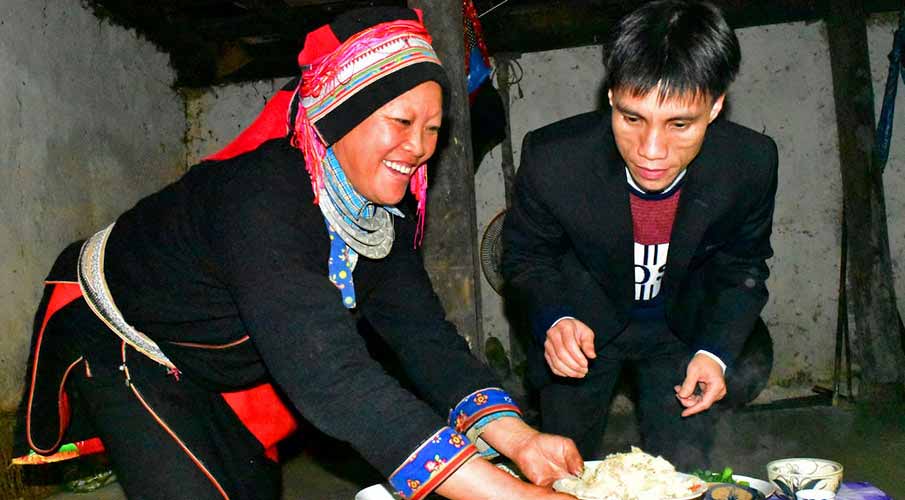
Many ethnic minorities in Vietnam offer authentic homestay experiences in both tourist and remote areas of northern Vietnam. These local hosts are not professional tour guides, but they have deep knowledge of their region, culture and daily life.
🏡 Local Hosts
Homestays are run by local families, not agencies. This means a more personal and authentic travel experience.
🗣️ Communication
Some hosts speak basic English, others are fluent. If needed, you can use gestures or translation apps like Google Translate.
🌾 Authentic Experience
Experience real village life – work in rice fields, attend local events, or learn traditional crafts and customs.
For the most authentic experience, choose a homestay with local families and be prepared for simple conditions without luxury. In return, you gain unique cultural insights and unforgettable experiences.
For example, staying in a Hmong or Thai village can include traditional celebrations, daily activities or community events that most tourists never see.
2. Homestays Organized by Travel Agencies
Travel agencies in northern Vietnam also offer homestay experiences, often as part of trekking tours or travel packages.
These stays are typically more comfortable and organized, making them a popular choice for many tourists.
🧭 Organized Experience
Homestays are usually arranged as part of guided trekking tours with planned itineraries and group travel.
🏨 Higher Comfort
Compared to traditional village homestays, these accommodations often include modern facilities such as beds, private bathrooms or WiFi.
👥 Group Travel
Tours are typically organized in small groups (around 6–10 people), making them ideal for social travel and convenience.
3. Homestays Offered by Local Hosts in Cities
In cities like Hanoi or Ha Long, homestay accommodation often means staying in a private room, apartment or shared home with local residents. This option combines local interaction with higher comfort and accessibility.
🏙️ Urban Homestays
Stay with local hosts in cities while enjoying easy access to attractions, restaurants and transport.
🛏️ Private Rooms & Apartments
Options range from shared homes to fully private apartments with modern amenities.
💻 Easy Booking
Many of these stays are available on platforms like Airbnb, Homestay or Agoda, making booking simple and flexible.
Book your homestay in Vietnam on these verified websites:
➡️ Agoda
A very popular booking platform for hotels, homestays, and cheap hostels throughout Vietnam.
➡️ Booking
A wide selection of hotels, apartments, guesthouses, and resorts in Vietnam’s tourist areas.
Homestay in Vietnam – Types of Accommodation
During your travels in northern Vietnam, you can experience several types of homestay accommodation, ranging from very simple village houses to more comfortable options.
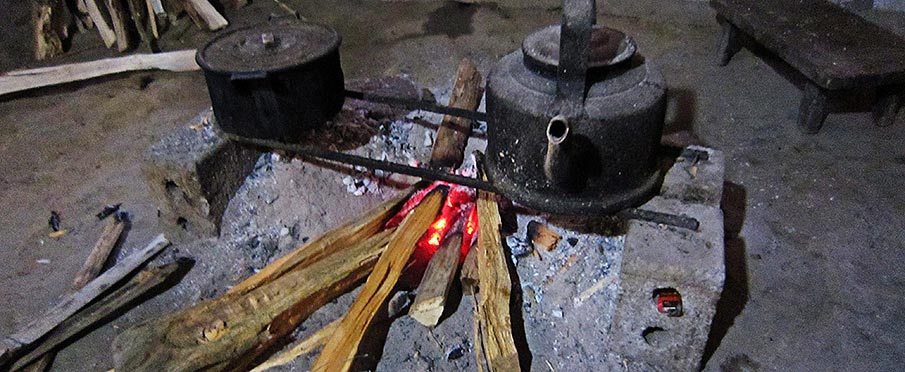
1. Authentic Homestay in Ethnic Minority Villages
Stay in a traditional ethnic minority village and experience local daily life, homemade food, and peaceful rural surroundings away from mass tourism. This is ideal for travelers seeking culture, nature, and an immersive experience.
🏡 Traditional Homes
- Homes are often built from wood and bamboo.
- Sleeping is usually on simple wooden beds with blankets.
- Bathrooms and toilets are basic.
- Heating is usually unavailable in mountain areas.
🍲 Food & Daily Life
- Meals use fresh local ingredients.
- Cooking may be done over an open fire.
- You can see traditional clothing and local customs.
- The atmosphere reflects everyday village life.
📶 Facilities & Location
- WiFi may not always be available.
- Homestays are usually in rural areas.
- Many are away from main tourist routes.
- Facilities are simpler than in hotels.
🌿 Who Is It For?
Best for travelers seeking an authentic and immersive experience in Vietnam. Be prepared for simple facilities and a traditional way of living.
2. Homestay in Tourist Areas or Villages
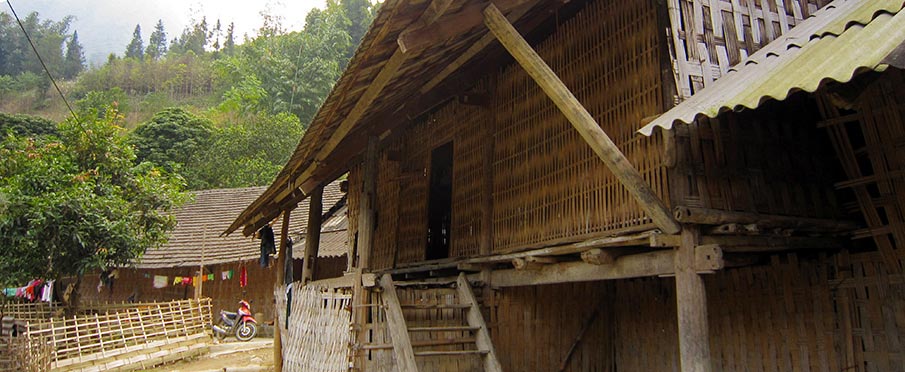
This type of homestay combines local atmosphere with modern comfort. It is common in popular tourist villages and offers better facilities, easier access, and a more convenient way to experience local culture.
🏡 Accommodation
- Homes may use wood, brick, or modern materials.
- Rooms are adapted for greater tourist comfort.
- Bathrooms usually have showers and Western-style toilets.
- Some places offer heating in cooler areas.
📶 Facilities & Food
- WiFi is available in many homestays.
- Meals are usually prepared in a standard kitchen.
- Facilities are more comfortable than in remote village homestays.
- Access is generally easy for tourists.
📍 Location & Culture
- Located in popular tourist villages.
- Some hosts are ethnic minorities.
- Traditional customs are less visible.
- Less traditional than remote homestays.
🌿 Who Is It For?
Ideal for travelers wanting a more comfortable homestay experience in Vietnam while still enjoying local culture and village atmosphere.
3. Homestays Offered by Local Vietnamese Families
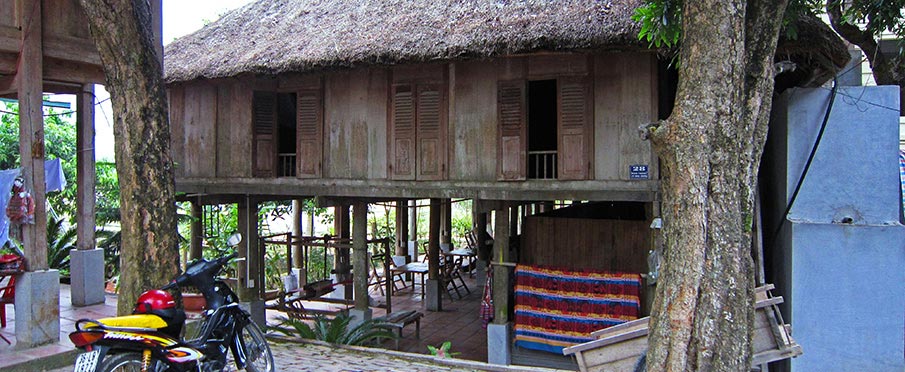
These homestays are run by local Vietnamese families in cities and larger towns. They combine modern comfort with the chance to meet local residents and experience everyday urban life.
🏠 Accommodation
- Private rooms, shared spaces, or apartments.
- Modern or renovated buildings.
- Private bathrooms, hot water, WiFi, and air conditioning.
- Suitable for longer stays.
📍 Location
- Usually located in cities or larger towns.
- Close to restaurants, shops, and transport.
- Easy access to tourist attractions.
- Convenient for exploring the city.
👋 Local Experience
- Hosts may speak English.
- Local tips are often available.
- Good opportunity to meet Vietnamese residents.
- Offers insight into modern Vietnamese life.
🌿 Who Is It For?
Ideal for travelers seeking a comfortable and affordable stay in Vietnam, especially for longer stays, digital nomads, and city trips.
How Was One Day of My Homestay in Hau Thao Village (Sapa, Vietnam)
My first homestay experience in northern Vietnam started just one day after arriving in Sapa.
Sapa is one of the most popular destinations for homestay and trekking in Vietnam, attracting travelers who want to experience authentic local life.
Already on my first day, I realized that finding a guide or homestay is very easy. Many women from the Hmong and Red Dao ethnic minorities approach travelers directly in Sapa town, offering trekking tours, homestays or handmade products.
While this can feel overwhelming at first, it is simply part of daily life in Sapa. If you plan to visit, be prepared for frequent offers and learn to politely decline if needed.
Her name is Cha, and she speaks good English
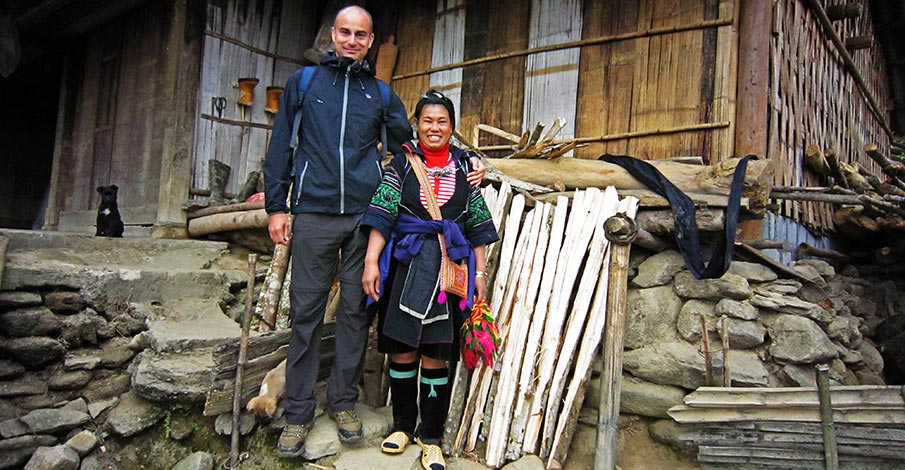
The next day, I walked through Sapa town looking for a local guide. After a short time, I met Cha, a friendly Hmong woman who immediately impressed me with her smile and openness.
After a brief conversation, it was clear that she knew the area very well and could offer an authentic experience.
Trekking with local people is the best way to explore the area
I told Cha that I wanted to explore the area around Sapa and stay overnight in a village with ethnic minority families.
She offered a trekking and homestay experience for 10 USD, which I gladly accepted.
Instead of visiting popular tourist villages like Cat Cat or Ta Van, we chose a less-visited route on the eastern side of Ham Rong Mountain.
Our destination was Hau Thao village, located about 2 km from Ta Van, but far less crowded and more authentic.
Homestays in northern Vietnam (Ha Giang, Sapa, Mai Chau, Ninh Binh) ➜

Rubber sandals for a 13 km trek? No problem.
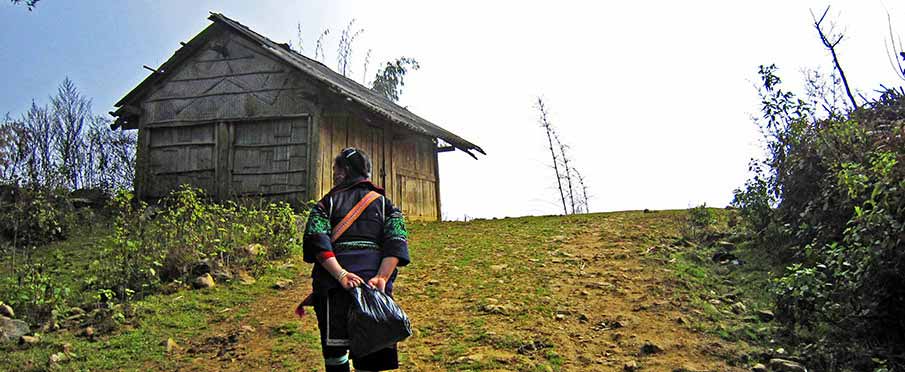
One of the first things I noticed was that Cha was wearing simple rubber sandals.
For me, it seemed impossible to walk more than 10 km in such footwear, but for local people, it is completely normal.
Our trek was about 13 km long, including steep sections near the mountains, muddy paths and rocky terrain.
Along the way, we talked about daily life, culture and her family. Despite the language barrier, communication was surprisingly easy.
Life in Hau Thao village – simple but authentic
After about four hours, we arrived in Hau Thao village, a small settlement located on a hillside overlooking the Muong Hoa Valley.
The views were beautiful, but the living conditions were very simple.
Cha showed me her home and introduced me to her family. The house was made mostly of wood, with minimal furniture and basic facilities.
It was a strong reminder of how different life can be in rural Vietnam.
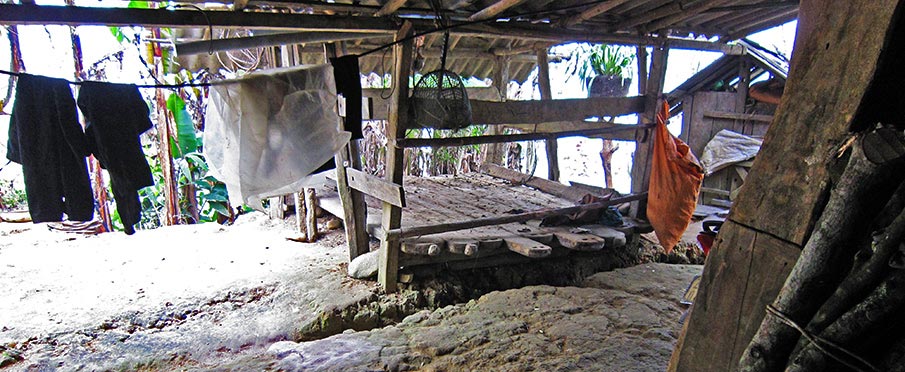
Traditional food cooked over an open fire
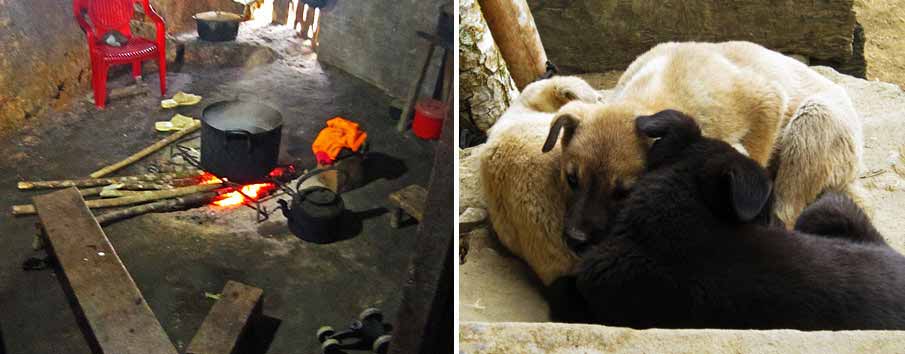
Cha prepared dinner over an open fire, cooking pork with vegetables, tofu and rice.
The meal was simple but delicious and completely authentic.
In the evening, we explored nearby villages and later returned home to share dinner with her family.
Although her husband did not speak English, Cha translated parts of our conversation.
Sleeping in a traditional house
I slept on the floor on a simple mattress with a warm blanket.
Despite the cold night and unfamiliar surroundings, I slept surprisingly well.
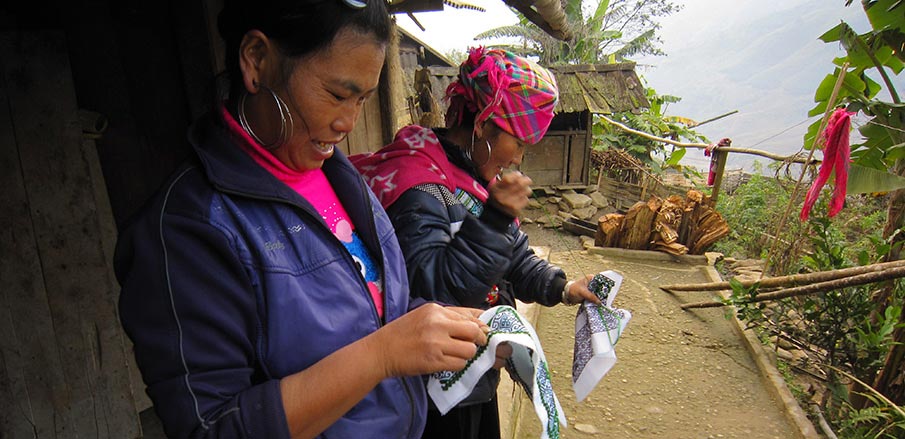
In the morning, the whole family was already awake early, continuing their daily routines such as embroidery, farming and household work.
Is homestay in Vietnam worth it?
This homestay experience in Hau Thao village was one of the most memorable parts of my trip to Vietnam.
It offered a unique insight into local life, culture and traditions that you simply cannot experience in hotels.
Although living conditions were basic, the kindness, hospitality and positive attitude of local people made it truly special.
If you are looking for an authentic travel experience in Vietnam, I highly recommend trying a homestay.
❓ Frequently Asked Questions about Homestay in Vietnam:
How to book a private tour or activity in Vietnam?
Book tours, activities, and tickets online via KLOOK and compare prices and options.
What to expect from a homestay in Vietnam?
Stay with local families, try traditional food, and experience daily life in rural Vietnam.
How to get from Hanoi to Sapa?
Travel by tourist bus or by train to Lao Cai plus bus or taxi to Sapa.
How much does a homestay cost in Vietnam?
Prices usually range from $5–10 for shared rooms and $15–20 for private rooms.
Where to stay in a homestay in northern Vietnam?
Is Wi-Fi available in homestays in Vietnam?
Wi-Fi is common, but remote mountain areas may have weaker connections.
What is an authentic homestay experience in Vietnam?
It means staying with local families and experiencing traditional village life.
Why choose an authentic homestay in Vietnam?
It offers closer contact with Vietnamese culture and supports local communities.
What to pack for a homestay in Vietnam?
Bring light clothes, good shoes, insect repellent, and essentials; see what to pack for Vietnam.
Popular Places for Authentic Homestays in Northern Vietnam:
| Best Places for Authentic Homestays in Northern Vietnam: | Highlights |
|---|---|
| 1. Sapa Valley | Traditional homestays with H’mong and Dao families, rice terraces, mountain trekking, and local culture. |
| 2. Ha Giang Highlands | Authentic villages, scenic mountain landscapes, local ethnic communities, and traditional food. |
| 3. Cao Bang | Peaceful villages, local Tay and Nung families, rivers, nature, and nearby Ban Gioc Waterfall. |
| 4. Mai Chau | Traditional Thai stilt houses, rice fields, cycling, local dances, and quiet countryside atmosphere. |
| 5. Bac Ha | Colorful ethnic markets, Flower H’mong culture, traditional villages, and local handicrafts. |
| 6. Yen Bai | Homestays near Thac Ba Lake, boat trips, peaceful nature, and Dao ethnic culture. |
| 7. Pu Luong Nature Reserve | Eco homestays, rice terraces, trekking trails, Thai villages, and beautiful mountain scenery. |
| 8. Ban Gioc Waterfall | Homestays near Vietnam’s largest waterfall with peaceful nature and authentic local life. |
| 9. Cat Ba Island | Island homestays, beaches, nature, boat tours, and relaxed coastal atmosphere. |
| 10. Lang Son | Quiet mountain areas, local culture, historical sites, and authentic northern Vietnam experience. |
Staying in an Authentic Homestay in Vietnam – Pros / Cons:
| Pros | Cons |
|---|---|
| Immersive cultural experience: Staying in an authentic homestay allows you to immerse yourself in the local culture, interact with the host family, and gain insights into traditional customs and ways of life. | Basic amenities: Some homestays may have limited facilities compared to hotels, such as shared bathrooms, basic furnishings, and simple accommodations. |
| Authentic meals and local cuisine: Homestays often provide homemade meals using fresh local ingredients, giving you the opportunity to savor authentic Vietnamese cuisine and traditional dishes. | Potential language barrier: Communication can be a challenge if the host family doesn’t speak fluent English, which may make it difficult to express your needs or ask for assistance. |
| Personalized hospitality: Homestay hosts are usually warm and welcoming, providing personalized attention and sharing their local knowledge, recommendations, and insider tips to enhance your travel experience. | Possible limited privacy: Since you are staying in a family’s home, you may have less privacy compared to a private hotel room, as common spaces might be shared with other guests or family members. |