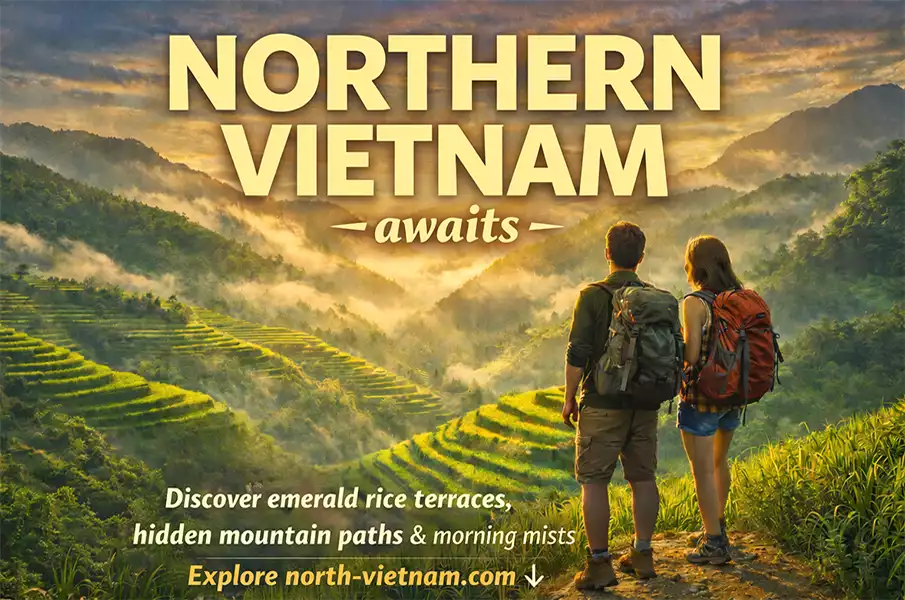
Northern Vietnam — Beyond the Ordinary!
Northern Vietnam is one of the most diverse regions in Southeast Asia, with mountains, rice terraces, and authentic local cultures. This guide helps you plan your trip with the best places, routes, transport and tips.
Diverse landscapes & nature
Mountains, rice terraces, bays and rivers create a remarkably diverse region
Highlights & hidden gems
From Ha Long Bay and Sapa to remote areas like Ha Giang, with iconic and authentic places
Road trips & trekking
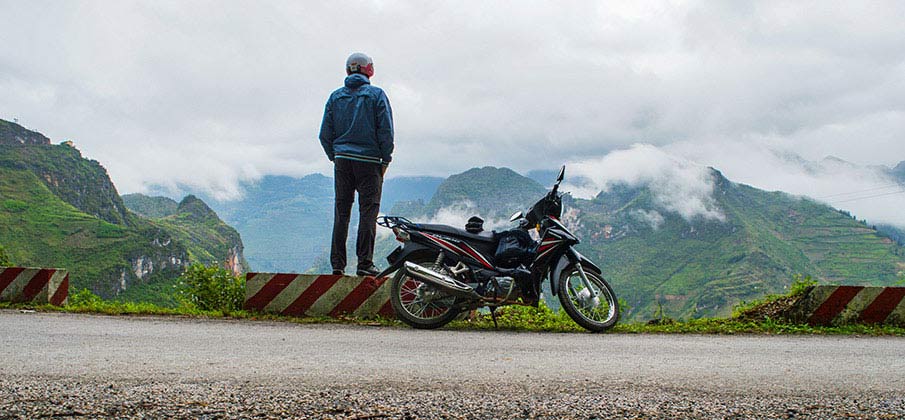
Motorbike loops, trekking and village stays explore mountains, valleys and ethnic cultures
Large & time-consuming region
Distances are long and transport slow, so allow enough time to explore
Quick answer: Visit Northern Vietnam offers a detailed guide to a region rich in mountains, rice terraces, and ethnic cultures. Discover stunning landscapes, vibrant markets, and historic sites that capture the heart of Northern Vietnam. This region’s unique blend of natural beauty and cultural heritage makes every trip memorable and full of authentic experiences.
Overview:
- 📍 Region: Northern Vietnam, from towering peaks, mountains, ethnic villages to lush valleys.
- 👲 Interesting facts: Diverse ethnic groups, rich traditions, and spectacular natural scenery.
- 🏞️ Culture: Local festivals throughout the year celebrate culture and community.
- 🌿 National parks: Vast national parks protect rare wildlife and pristine landscapes.
- 🧳 What you’ll find: Transport tips, detailed routes, and hidden gems off the beaten path.
- 💡 Ideal for: Travellers seeking authentic experiences and natural beauty.
Last updated in September 2026
What to see in Northern Vietnam: top places and highlights
Northern Vietnam is the most scenic and diverse part of the country, known for dramatic mountains, rice terraces, ethnic villages and iconic landscapes. This region offers some of the best travel experiences in Vietnam.
- Top places to visit: Ha Long Bay, Sapa, Ha Giang, Ninh Binh, Hanoi
- Best experiences: trekking, motorbike loops, boat trips and local markets
- Why visit: authentic culture, stunning nature and less touristy areas
Hanoi is the main gateway to Northern Vietnam and the perfect starting point for exploring the region.
Book Top Experiences in Vietnam ➜
👉 How to start your trip in North Vietnam?
- ✔️ Short stay (2–4 days): Visit Hanoi + Ninh Binh or Halong Bay
- ✔️ 1 week trip: Hanoi → Sapa → Ha Giang or Halong Bay
- ✔️ Adventure route: Ha Giang Loop + Cao Bang (Ban Gioc Waterfall)
- ✔️ Relax + nature: Ninh Binh, Pu Luong or Halong Bay cruise
- ✔️ Transport tip: Use trains for long distances, buses/minivans for flexibility
- ✅ Best start: Fly to Hanoi and build your itinerary from there
- 💡 Tip: Book transport (trains, buses, flights) online in advance to secure your seat.

Vietnam Today – Economy, Culture & Regional Differences
Vietnam is a socialist country with a rapidly developing market economy. Over recent decades, it has changed quickly, opening up to tourism, international trade and investment while retaining strong regional and cultural traditions.
📈 Economic Growth
Fast development is especially visible in Hanoi, Ho Chi Minh City and other major urban centers.
🏙️ Regional Differences
Income, infrastructure and lifestyles can differ considerably between cities and rural areas.
🇻🇳 North vs South
The south is more commercially driven, while the north retains a stronger historical and traditional character.
For travelers, this contrast is part of Vietnam’s appeal — one trip can combine modern cities with quiet villages, mountains and authentic cultural experiences.
🎫 Baolau
Search and book train, bus, ferry and flight tickets in Vietnam online with schedules and e-tickets.
🚌 12go.asia
Popular platform for buses, trains, ferries, private transfers and domestic transport in Vietnam.
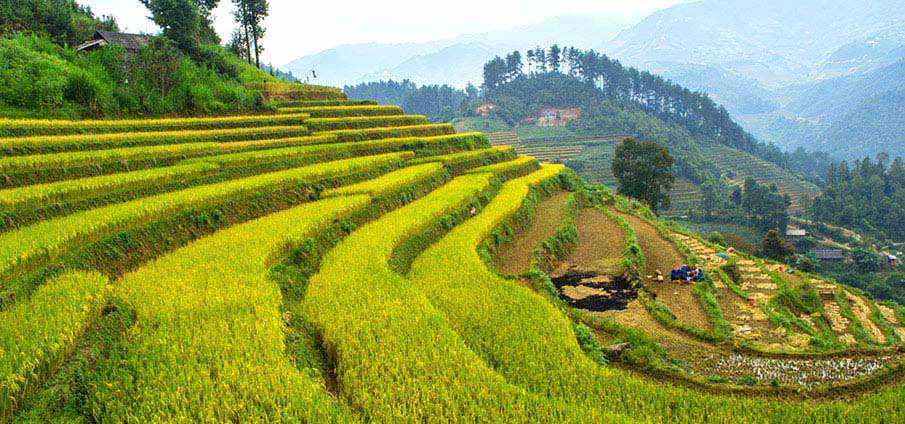
Northern Vietnam Travel Highlights & Experiences
Northern Vietnam is one of the country’s most diverse travel regions, combining dramatic mountains, rice terraces, limestone karsts, rivers, historic cities and traditional villages. It is an excellent choice for travelers looking for nature, culture and more authentic experiences.
📍 Must-Visit Places
- Ha Long Bay
- Cao Bang & Ban Gioc Waterfall
- Ha Giang & the Ha Giang Loop
- Ninh Binh & Trang An
- Hanoi
🏔️ What Makes It Special
- Dramatic mountain landscapes
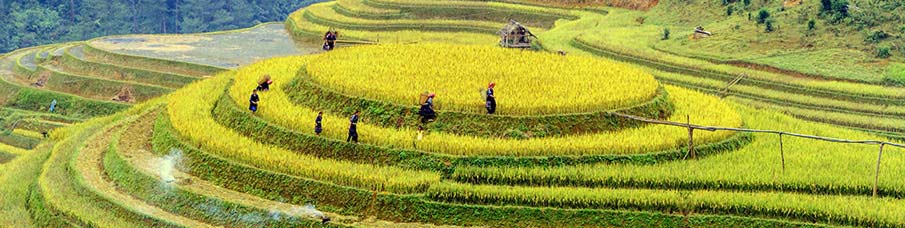
- Terraced rice fields and valleys
- Limestone karsts and rivers
- Traditional villages and local culture
- Quieter areas away from major tourist routes
💡 Why Travel in Northern Vietnam?
Compared with many parts of southern Vietnam, the north offers a stronger connection to mountain landscapes, traditional villages and ethnic cultures. It is particularly rewarding for travelers who want to explore beyond the country’s busiest tourist destinations.
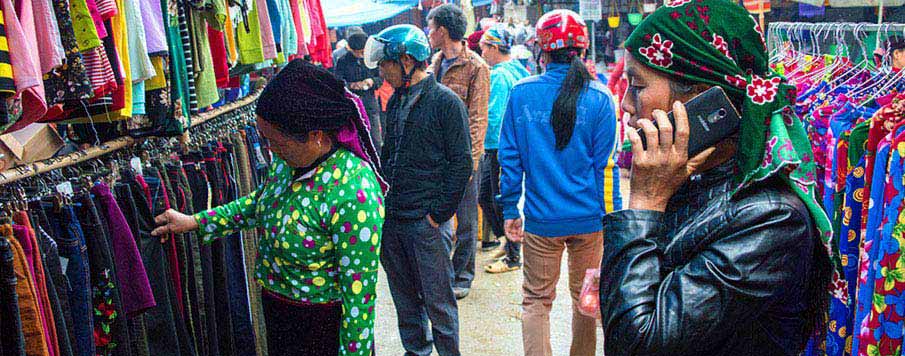
Ethnic Minorities & Local Culture
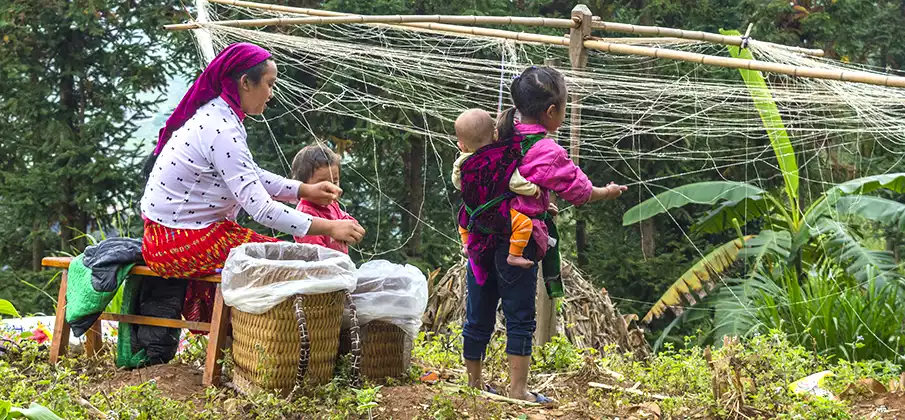
Vietnam is home to 54 ethnic groups, many of whom live in the mountainous regions of northern Vietnam. Visiting these areas offers a chance to experience traditional lifestyles, colorful markets, distinctive clothing and a rich cultural heritage.
📍 Where to Go
- Ha Giang
- Sapa
- Bac Ha
- Mu Cang Chai
🎎 What to Expect
- Traditional village life
- Colorful local markets
- Traditional clothing
- Regional customs and traditions
Northern Vietnam – Mountains, Rice Terraces & National Parks
Northern Vietnam is known for dramatic mountains, terraced rice fields and protected natural areas. It is one of the best regions in Vietnam for trekking, scenic road trips and outdoor adventures.
🏔️ Top Natural Highlights
Sapa, Ha Giang, Mu Cang Chai and Ba Be National Park are among the region’s best-known natural destinations.
⛰️ Vietnam’s Highest Peak
Fansipan reaches 3,143 m and is the highest mountain in Vietnam, rising above the Hoang Lien Son range near Sapa.
🌾 Unique Landscapes
The Dong Van Karst Plateau in Ha Giang combines rugged limestone mountains, deep valleys and traditional mountain villages.
From misty mountain valleys and rice terraces to limestone plateaus and national parks, Northern Vietnam offers exceptional scenery for nature lovers and photographers.

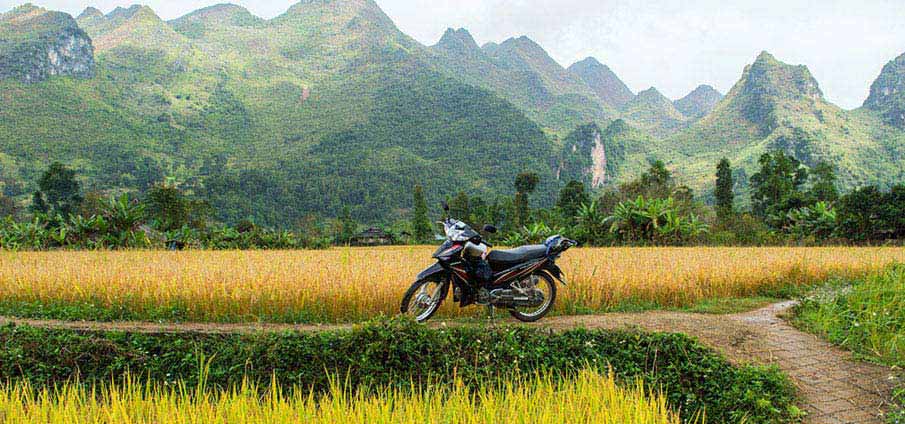
Ha Giang & Cao Bang – Remote Northern Vietnam
Ha Giang and Cao Bang are among the best regions in Northern Vietnam for dramatic mountain scenery, ethnic culture and quieter travel experiences away from the main tourist routes.
🏔️ Ha Giang
- Dramatic limestone mountains
- Famous mountain passes and winding roads
- Ethnic villages and local markets
- Ha Giang Loop road trip
💧 Cao Bang
- Ban Gioc Waterfall
- Green valleys and limestone scenery
- Peaceful rural landscapes
- Pac Bo and other historical sites
💡 Best Way to Explore
Motorbike travel offers the most freedom on the mountain roads, while a private car is a more comfortable option for longer journeys. Both regions reward travelers who allow extra time for scenic stops and local villages.
National Parks in Northern Vietnam – Forests & Wildlife
Northern Vietnam’s national parks offer a different side of the region, with dense forests, limestone habitats, caves and diverse wildlife. They are especially interesting for travelers who want to slow down and explore nature away from the main mountain routes.
🌳 Forests & Biodiversity
Protected forests provide habitats for rare plants, birds, primates and other wildlife, with several parks supporting important conservation areas.
🦜 Where to Go
Hoang Lien, Ba Be and Cuc Phuong are among the best-known parks, each offering a different combination of forest, caves, lakes and wildlife.
🥾 How to Explore
Choose from forest walks, longer trekking routes, boat trips, cave visits and guided wildlife experiences.
💡 A Different Side of Northern Vietnam
National parks are a good choice when you want more than mountain viewpoints. Early mornings are often the best time for forest walks and wildlife observation, while local guides can help you discover places that are easy to miss on your own.
Vietnam can be visited in many different ways, depending on what you want to experience and how much time you have. Mountains, culture, cities and beaches can all fit into one trip. Northern Vietnam is ideal for mountain landscapes, trekking and scenic road trips, with Sapa, Ha Giang and Ninh Binh among the highlights. Hanoi, Hue and Hoi An offer historic architecture, local traditions and a different perspective on Vietnam’s long cultural history. In northern Vietnam, consider Ha Long Bay, Cat Ba, Quan Lan, Co To and the beaches around Thanh Hoa. For longer trips, Central and Southern Vietnam offer destinations such as Da Nang, Nha Trang, Quy Nhon, Mui Ne and Phu Quoc. For more ideas, see our guide to 18 most interesting places in Northern Vietnam, including well-known highlights and lesser-visited destinations. Compare the best places in Northern Vietnam and choose based on your travel style. Northern Vietnam can suit both budget travelers and those looking for more comfort. Costs depend mainly on accommodation, transport and activities. My updated Vietnam travel costs and prices article covers current prices, daily budgets and typical travel expenses. Local buses, simple guesthouses, street food and homestays can keep daily costs low. Comfortable hotels, local restaurants and occasional private transfers offer a good balance of price and convenience. Motorbikes are flexible and affordable, while private cars and longer transfers increase the overall budget. Trekking, boat trips, guided tours and entrance fees can add to your daily spending, depending on your itinerary. While some places may feel chaotic or unfinished, others remain untouched and incredibly scenic. Being aware of this before your trip helps set realistic expectations and makes your experience more enjoyable. Northern Vietnam has become easier to explore, but travel conditions can still vary considerably between major destinations and remote mountain areas. Major routes and connections are improving, while remote mountain roads can still be narrow, steep or rough. A motorbike gives you access to scenic back roads and small villages, but mountain routes require experience and careful riding. Popular destinations have a growing choice of hotels, restaurants and services, while remote areas remain much simpler. Less-developed regions can mean fewer services, but they also offer quieter roads, local villages and a more independent travel experience.
North Vietnam was established after the defeat of French forces in 1954 and became a communist state led by Ho Chi Minh. It played a key role in the Vietnam War, which ended in 1975 with reunification.
The region borders China and Laos and features mountains, valleys, and fertile plains. Highlights include Fansipan, the Hoang Lien Son range, and the Red River Delta with Hanoi.
North Vietnam used guerrilla tactics and the Ho Chi Minh Trail to fight against South Vietnam and its allies. The conflict ended in 1975 with reunification under communist rule.
The region is home to the Kinh majority and ethnic groups like Hmong and Dao. Traditions include crafts, music, and cuisine such as pho, bun cha, and fresh herb-based dishes.
North Vietnam attracts visitors with Ha Long Bay, Sapa, and national parks. Travelers can enjoy nature, cultural experiences, and accommodation from homestays to luxury resorts.
Vietnam is a one-party socialist republic led by the Communist Party. The country maintains political stability while experiencing rapid economic growth and development.
Discover the beauty of northern Vietnam and don’t limit your trip to just Hanoi, Halong Bay or Sapa. On this website you will find a curated selection of the best places to visit you shouldn’t miss. Many travelers focus only on central and southern Vietnam, but the north offers unique landscapes, rich culture and authentic experiences that are often overlooked. Planning a bigger trip? Check out detailed travel guides for Cambodia and Laos, including useful transport tips between countries. You can write to me: severni-vietnam[at]seznam[dot]cz. I can only advise you what I know. I will be glad if you also watch FACEBOOK page where I occasionally upload some interest. I have copyright on all published photos and texts, some photos are published courtesy of the authors. This website is mainly for travelers. Website is informative, I do not offer any guide services in Vietnam and you will not find here any e-shop or other products. This website is free for travelers planning a trip to Vietnam. I create practical guides, travel tips and personal insights to help you explore the country, especially northern Vietnam. If you find the information useful, a small contribution such as $3 helps support the website, future updates and keeping the guides freely available. Hi, my name is Milan and I’m from the Czech Republic. I created this independent travel guide to share my experience from traveling in northern Vietnam, a region I love for its mountains, nature, ethnic cultures and authenticity. I regularly update the website with new places, travel tips and useful information to help you enjoy your own journey. I hope this guide inspires you to discover northern Vietnam for yourself. ❤️ Sapa, Ha Long Bay and Ninh Binh are among the most visited destinations, but Northern Vietnam also has many quieter places to explore. Travel by bus, train, private car or minivan; see Transportation in Vietnam. Hanoi is the capital and a convenient starting point for exploring Northern Vietnam. October to April is generally the best period, with cooler and drier weather. The Hanoi–Lao Cai route is the main railway connection for travelers heading to Sapa and takes around 8 hours.
Where & When to Travel in Vietnam?
🏔️ Nature & Mountains
🏛️ Culture & History
🏖️ Beaches & Islands
🧭 Planning a Northern Vietnam Trip?

Place
Description
Best for
1. Hanoi
Capital with historic Old Quarter, street food and culture.
Culture, food
2. Sapa
Rice terraces, mountains and ethnic villages.
Trekking, nature
3. Ninh Binh
Karst landscapes and scenic boat trips.
Nature, boat trips
4. Ha Giang
Remote mountains and famous Ha Giang Loop.
Adventure, motorbike
5. Yen Bai
Mu Cang Chai rice terraces and countryside.
Photography, nature
6. Cao Bang
Ban Gioc Waterfall and untouched landscapes.
Nature, waterfalls
7. Mai Chau
Valley with villages and homestays.
Culture, relaxation
8. Halong Bay
UNESCO bay with limestone islands.
Cruises, scenery
9. Moc Chau
Tea plantations and flower fields.
Nature, photography
10. Lai Chau
Less visited mountains and ethnic villages.
Off-the-beaten-path
11. Dien Bien Phu
Historic battle site and monuments.
History
12. Bac Ha
Colorful ethnic markets and traditions.
Culture, markets
13. Lang Son
Border region with caves and mountains.
Nature, history
14. Son La
Quiet highlands with natural scenery.
Relaxation, nature
15. Quan Lan
Peaceful island with beaches.
Beaches, relaxation
16. Cat Ba Island
Island with national park and beaches.
Nature, adventure

Northern Vietnam Travel Costs & Budget
💰 Budget Travel
🏨 Mid-Range Comfort
🛵 Transport Costs
🎟️ Activities & Tours
Travel Conditions & Infrastructure in Northern Vietnam🛣️ Roads & Transport
🏍️ Motorbike Travel
🏨 Tourist Facilities
🌄 Remote Areas
🚀 10 Most Read Articles On This Website:
Popular Article:
Description
1. How to travel from Hanoi to Sapa? Train or Bus?
The best ways how you can reach Sapa from Hanoi.
2. How to travel from Hanoi to Ninh Binh?
One of the most frequented transfer route from Hanoi.
3. 18 Most Interesting Places
The most interesting places in northern Vietnam.
4. Ha Giang – the most beautiful place in the north
Ha Giang is one of the most authentic mountain sites.
5. Maps of northern and southern Vietnam
You can check various maps for your orientation in Vietnam.
6. How to travel from Hanoi to Ha Long Bay?
Halong Bay is the most visited place in the north of Vietnam.
7. Transportation (Trains, Buses, Ferry, Taxi…)
How you can move in Vietnam, the most popular transport ways.
8. How to travel from Hanoi to Ha Giang?
The best options how you can arrive to Ha Giang.
9. 11 luxury trains from Hanoi to Lao Cai (Sapa)
The information about luxury sleeper tourist trains to Lao Cai.
10. How to travel from Hanoi to Cat Ba Island?
Cat Ba Island is the most visited island in Halong Bay.

📍 VIETNAM – COUNTRY INFORMATION:
Information
Details
Capital:
Hanoi
Official name:
Socialist Republic of Vietnam (Việt Nam)
Area:
331,689 km²
Currency:
Vietnamese dong (₫, VND)
Population:
Approximately 101 million (2025)
President of Vietnam:
Tô Lâm (from April 2026)
Official language:
Vietnamese (+ languages of ethnic minorities)
Political System:
Communist Party rules (business and travel are allowed)
International dialing code:
+84
Religion in Vietnam:
Buddhism, Taoism, Confucianism, and Christianity
Predominant Religion:
Mahayana Buddhism (about 50% of the population)
Significant Buddhist sect:
Hoa Hao sect (approximately 1.5 million believers)
Processing an e-visa to enter the country:
https://evisa.gov.vn/
📜 History
🌍 Geography
⚔️ Vietnam War
🎭 Culture
✈️ Tourism
🏛️ Politics
🌏 Explore Northern Vietnam: more than Hanoi, Halong Bay or Sapa
📧 Do you have any questions or comments?
☕ Would you like to support this website?

❓ Northern Vietnam FAQ – Travel Questions & Tips
How can you book trains, buses, ferries or flights in Vietnam?
Where can you search and book hotels or homestays in Vietnam?
What are the most popular places to visit in Northern Vietnam?
What is the best way to travel around Northern Vietnam?
What is the capital of Vietnam and a good base for Northern Vietnam?
What is the best time to visit Northern Vietnam?
What is the most popular train route in Northern Vietnam?
👉 Reasons to Visit and not to Visit Northern Vietnam:
➕ Reasons to Visit North Vietnam
➖ Reasons Not to Visit North Vietnam
Breathtaking landscapes: North Vietnam is known for its stunning natural beauty, including majestic mountains, terraced rice fields, and picturesque valleys.
Seasonal weather variations: North Vietnam experiences distinct seasons, and some travelers may prefer to avoid extreme cold or hot and humid weather.
Cultural diversity: The region is home to diverse ethnic groups, each with their own unique traditions, costumes, and languages, offering a rich cultural experience.
Crowded tourist areas: Popular destinations in North Vietnam, such as Hanoi and Halong Bay, can be crowded with tourists, affecting the overall experience.
Historical significance: North Vietnam is steeped in history, with landmarks like Hanoi’s Old Quarter and sites related to the Vietnam War, providing insight into the country’s past.
Language barrier: English proficiency among locals in some remote areas of North Vietnam may be limited, making communication more challenging.
Culinary delights: Northern Vietnamese cuisine is renowned for its distinct flavors, with dishes like pho, bun cha, and banh cuon that offer a unique culinary experience.
Infrastructure limitations: In some remote areas of North Vietnam, infrastructure and amenities may be more basic compared to well-developed tourist areas.
Adventure opportunities: North Vietnam offers various adventure activities, such as trekking in Sapa, motorbike tours in Ha Giang, and boat trips in Ninh Binh or Halong Bay.
Long travel distances: Getting to certain remote destinations in North Vietnam may require long travel hours or multiple transportation connections.