ℹ️ Laos Information
🔍 Best Places to Visit
🚶 Best Things to Do
🤔 Why Visit Laos
✈️ How to get there
☀️ Weather Forecast
🏡 Where to stay
❓ FAQ + Travel Tips
🎫 Book a Tour Online
🎫 Book Tickets / Car
Quick answer: Laos is a peaceful and scenic destination known for Buddhist temples, the Mekong River, limestone mountains and a relaxed travel atmosphere. Explore Luang Prabang, Vang Vieng, Vientiane and the 4,000 Islands, with waterfalls, caves, trekking and authentic local culture along the way.
At a glance:
- 🏛️ Top places: Luang Prabang, Vang Vieng, Vientiane and 4,000 Islands.
- ⛰️ Nature: Mountains, caves, jungles, rivers and waterfalls.
- 🛕 Culture: Buddhist temples, festivals and traditional Lao life.
- 🚤 Mekong: Boat trips, river transport and riverside villages.
- 🥾 Activities: Trekking, kayaking, tubing, cycling and cave exploring.
- 💵 Currency: Lao Kip (LAK); cash is useful outside major cities.
- 📅 Best time: November to February for cooler, drier weather.
Last updated in July 2026.
Laos Travel Guide: Complete Guide for First-Time Travelers
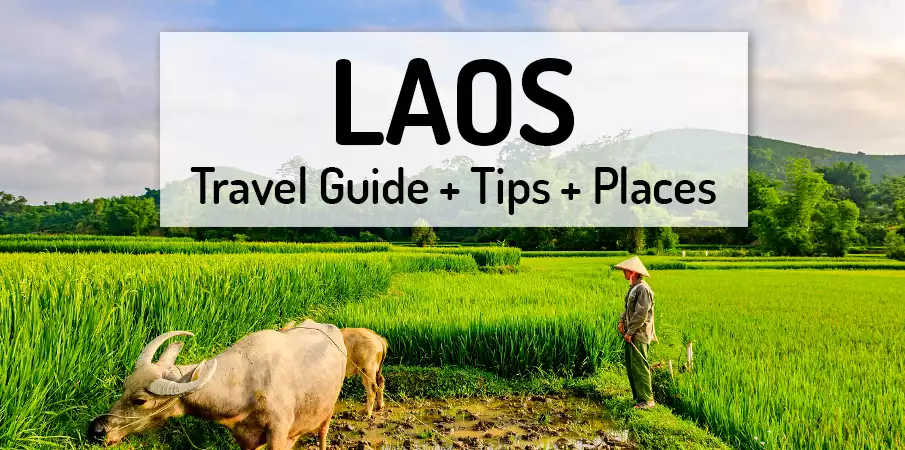
Laos is a landlocked country in Southeast Asia, known for its peaceful atmosphere, Buddhist temples, the Mekong River and dramatic mountain landscapes. From historic Luang Prabang and lively Vang Vieng to the capital Vientiane and the islands of southern Laos, the country offers a slower and more authentic travel experience.
⛰️ Mountains & Nature
Much of Laos is mountainous, with limestone peaks, forests, valleys and scenic viewpoints. The landscape is ideal for trekking, cycling and outdoor adventures.
🚤 The Mekong River
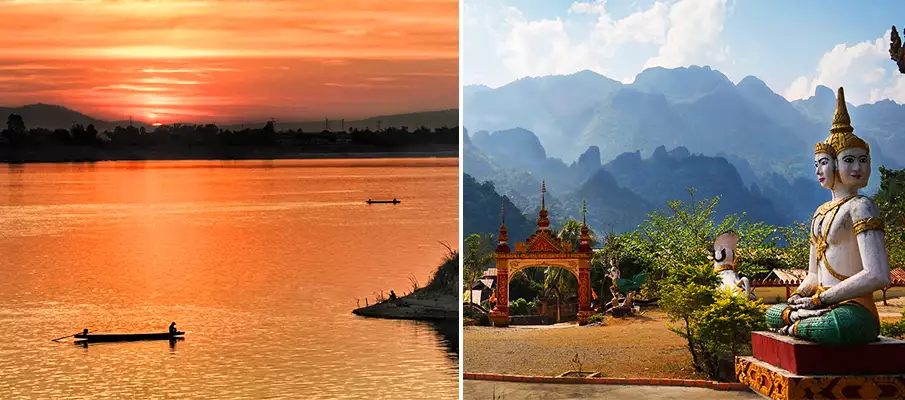
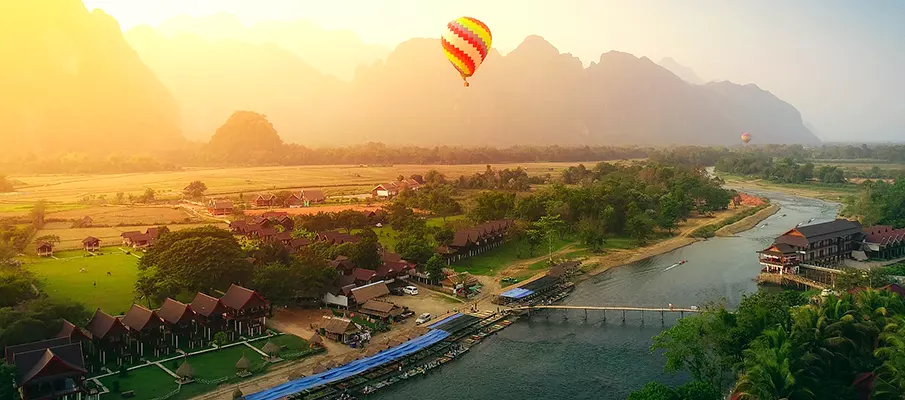
The Mekong is central to life in Laos, flowing through many important destinations and offering river cruises, boat trips, fishing communities and scenic riverside landscapes.
🛕 Culture & History
Buddhist temples, traditional villages and historic sites are an important part of traveling in Laos. The mysterious Plain of Jars is one of the country’s most unusual cultural attractions.
🌿 A Slower Travel Experience
Laos is a great choice for travelers looking for nature, local culture and less crowded destinations. See also 15 Interesting Things of Laos.
Laos borders Vietnam, Cambodia, Thailand, China and Myanmar, making it easy to combine with other Southeast Asian countries. Its tropical climate has a rainy and dry season, so the best time to visit depends on where you plan to travel.
How to Plan Your Trip to Laos
Planning a trip to Laos is relatively easy, but it is worth allowing enough time for the slower pace of travel. Choose your main destinations first, then plan your route, budget and transport around them.
🗓️ How Many Days?
About 7–10 days is enough for a first trip. With two weeks or more, you can explore several parts of Laos without rushing between destinations.
🗺️ Plan Your Route
Decide whether you want to focus on northern Laos, the central region or the south. Avoid planning too many stops, as some journeys can take longer than expected.
💵 Set Your Budget
Laos can be affordable for independent travelers. Plan for accommodation, food, transport and activities, with costs varying between cities and tourist areas.
🎒 Prepare Before You Go
Check your passport, visa requirements, travel insurance, money and accommodation before departure. Pack light and leave some flexibility in your itinerary.
Laos works well as part of a longer Southeast Asia trip, but it is also easy to explore as a standalone destination. The best itinerary depends on how much time you have and whether you prefer culture, nature, adventure or a slower pace of travel.
Best Places to Visit in Laos: Top Destinations for Travelers
Laos offers a good mix of historic towns, mountain landscapes, caves, rivers and tropical islands. For a first trip, combine a few major destinations rather than trying to see the whole country at once.
🏛️ Luang Prabang
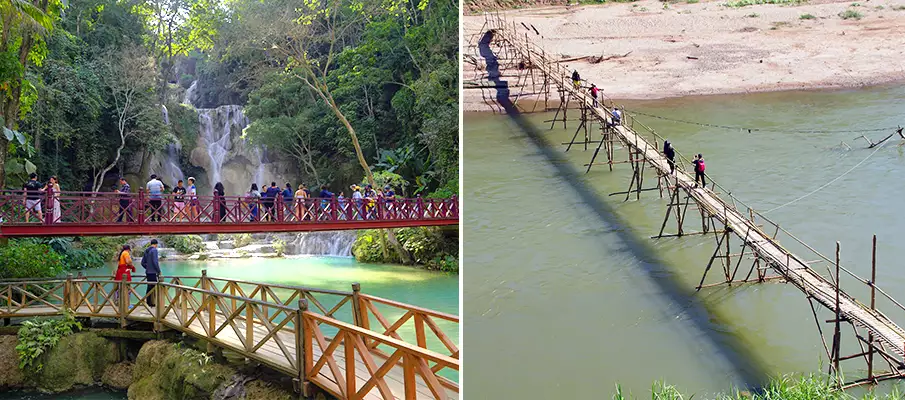
The cultural heart of Laos, known for Buddhist temples, French colonial architecture, the Mekong River and nearby Kuang Si Falls. A great choice for history, culture and relaxed sightseeing.
🏔️ Vang Vieng
Surrounded by dramatic limestone mountains, Vang Vieng is ideal for outdoor activities such as kayaking, trekking, cycling, cave exploring and river adventures.
🏙️ Vientiane
The laid-back capital combines Buddhist temples, historic monuments, local markets and Mekong riverside areas. It is also an important transport hub for exploring Laos.
🌿 Nong Khiaw
A scenic northern destination surrounded by limestone mountains and the Nam Ou River. It is especially appealing for hiking, viewpoints and a quieter Laos experience.
🌄 Pakse & Bolaven Plateau
Pakse is a useful base for exploring southern Laos, while the nearby Bolaven Plateau offers waterfalls, coffee plantations, forests and scenic countryside.
🏝️ 4,000 Islands
The islands of southern Laos are perfect for slowing down beside the Mekong. Don Det and Don Khon are popular for river views, cycling and a relaxed atmosphere.
For a longer trip, you can also explore the Plain of Jars, Thakhek and Kong Lor Cave. These destinations are worth adding if you want to go beyond the main tourist route and discover a quieter side of Laos.
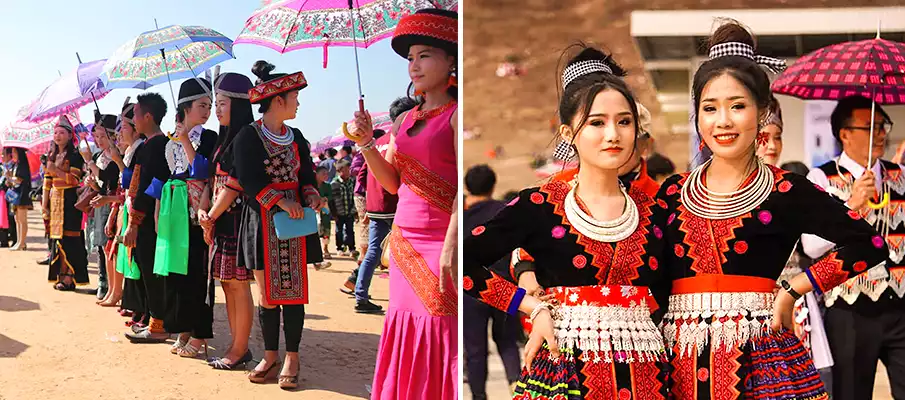
Best Things to Do in Laos: Top Activities & Experiences
Laos is ideal for travelers who enjoy nature, adventure and authentic local experiences. From waterfalls and caves to Mekong boat trips, trekking and cycling, there are plenty of ways to explore the country beyond its main towns.
💦 Visit Waterfalls
Discover spectacular waterfalls surrounded by forests and tropical scenery. Kuang Si Falls near Luang Prabang is one of the country’s most popular natural attractions.
🛶 Explore the Mekong
Take a boat trip along the Mekong, visit riverside villages or simply enjoy the scenery. River travel is one of the most memorable ways to experience Laos.
🥾 Trek & Explore Caves
Northern Laos offers excellent opportunities for trekking through mountains and villages, while caves such as Kong Lor Cave provide a very different adventure.
🚲 Kayak, Cycle & Tube
Vang Vieng is a popular base for kayaking, cycling, tubing and other outdoor activities, while quieter areas offer scenic cycling and river adventures.
For a more cultural experience, visit Buddhist temples, local markets and traditional villages, or join a local festival when your trip coincides with one. Laos is especially rewarding when you leave some time for spontaneous experiences.
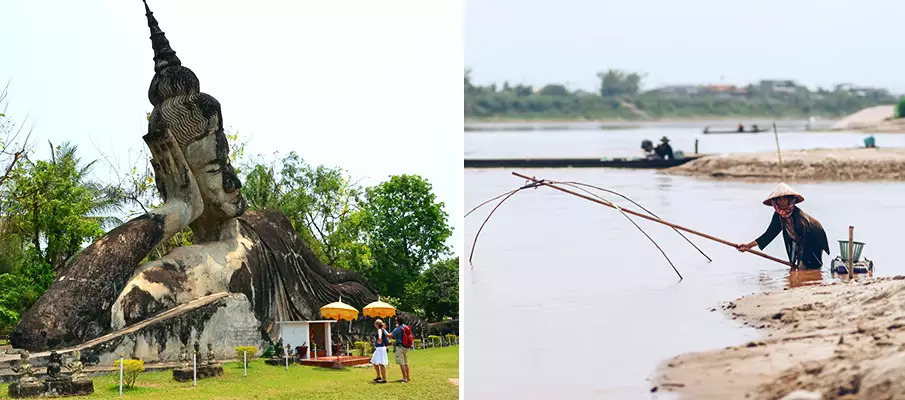
Laos Travel Itinerary: How Many Days Do You Need?
For a first trip to Laos, 7–10 days is a good starting point. With two weeks or more, you can travel at a slower pace and add northern or southern Laos to the classic route through Vientiane, Vang Vieng and Luang Prabang.
🗓️ 5–7 Days in Laos
Focus on the main highlights: Vientiane, Vang Vieng and Luang Prabang. This is a good option for a short first visit, with time for temples, nature and outdoor activities.
🗺️ 10–14 Days in Laos
Two weeks allows you to slow down and add places such as Nong Khiaw, the Plain of Jars or more time in Luang Prabang and Vang Vieng.
🌿 2–3 Weeks in Laos
With three weeks, you can combine northern, central and southern Laos, including Pakse, the Bolaven Plateau and the 4,000 Islands, without rushing.
🚆 Best Route for First-Time Visitors
The classic route connects Vientiane → Vang Vieng → Luang Prabang. The Laos-China Railway makes these destinations easier to combine than in the past.
If you have more time, consider adding northern destinations for trekking and nature or heading south for waterfalls, coffee plantations and the Mekong islands. The best itinerary depends on whether you prefer culture, adventure, nature or a slower pace.

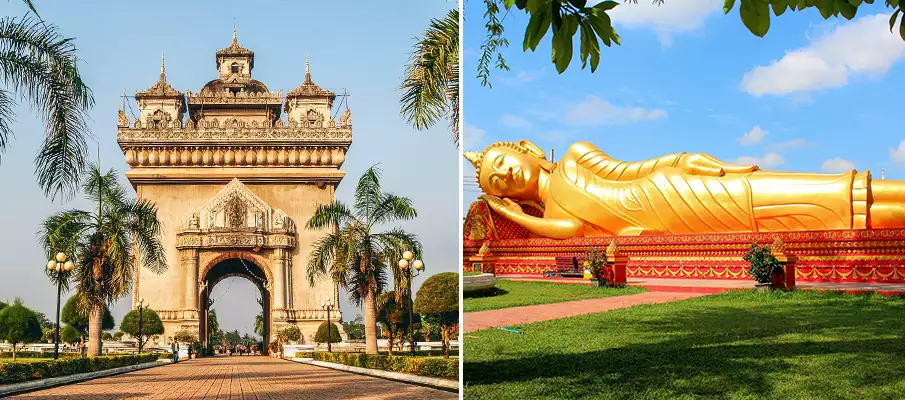
Lao Food & Cuisine: What to Eat in Laos
Lao cuisine is fresh, flavorful and closely connected with local traditions. Sticky rice, herbs, vegetables, grilled meats and spicy dips are common, while local markets and street food are great places to discover authentic Lao flavors.
🍚 Sticky Rice
Sticky rice, known as khao niao, is a staple of Lao cuisine and is commonly served with grilled meat, vegetables, dips and other local dishes.
🌶️ Laap & Local Dishes
Laap is one of Laos’ best-known dishes, usually made with minced meat, herbs, lime and spices. Noodle soups, grilled meats and fresh vegetables are also popular.
🍢 Street Food & Markets
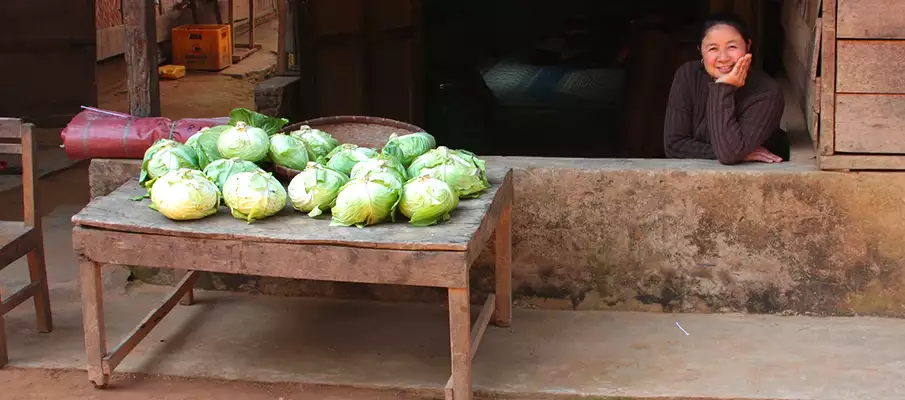
Local markets and street stalls are great for inexpensive Lao food, including grilled meats, noodles, snacks, fresh fruit and regional specialties.
☕ Lao Coffee
Southern Laos is known for coffee from the Bolaven Plateau. Local coffee is widely available in cafés and markets, served hot or iced, often with condensed milk.
Food is an important part of experiencing everyday life in Laos. Try regional dishes as you travel, visit local markets and eat where local people eat for a more authentic experience.
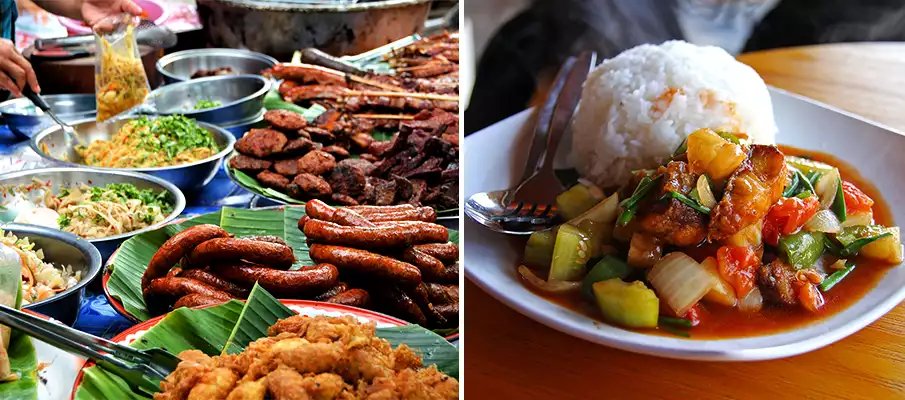
Culture & Customs in Laos: What Travelers Should Know
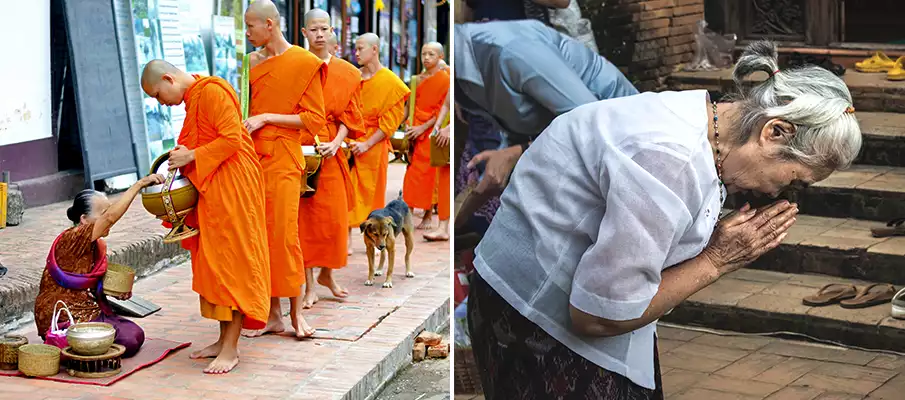
Laos has a strong Buddhist tradition and a relaxed local culture shaped by centuries of history and life along the Mekong. Respect for temples, monks and local customs will make your trip more comfortable and help you connect with local people.
🛕 Buddhism & Temples
Buddhism is an important part of everyday life in Laos. When visiting temples, dress modestly, remove your shoes where required and behave quietly and respectfully.
🙏 Respect Local Customs
A calm and respectful attitude is appreciated in Laos. Avoid touching people’s heads, use polite greetings and ask before photographing people, monks or ceremonies.
🎉 Festivals & Traditions
Traditional festivals are an important part of Lao culture. Pi Mai Lao, the Lao New Year, is the best-known celebration, while local ceremonies and festivals take place throughout the year.
🤝 Everyday Lao Life
Life in Laos is generally relaxed and community-oriented. Spending time in local markets, villages and family-run businesses offers a more authentic look at everyday life.
Visitors do not need to follow every local custom perfectly, but showing respect and patience goes a long way. In rural areas and smaller communities, conservative clothing and a quieter approach are especially appropriate.
Money & Costs in Laos: Budget, Currency & Prices
Laos is still a relatively affordable destination for travelers. Your daily budget depends mainly on accommodation, food, transportation and activities. For more details, see Money & Currency in Laos and the current Prices in Laos.
💵 Lao Kip
The official currency is the Lao Kip (LAK). US dollars and Thai baht may also be accepted in some tourist areas, but local currency is useful for everyday purchases.
🏨 Accommodation
Guesthouses and simple hotels can be very affordable, while boutique hotels and resorts cost more. Prices are generally higher in popular destinations such as Luang Prabang.
🍜 Food & Daily Costs
Local food, markets and street stalls are usually inexpensive. Your daily spending increases when choosing international restaurants, cafés, tours or more comfortable accommodation.
🏧 Cash & ATMs
ATMs are available in major towns, but cash is still essential in smaller places, markets and rural areas. Carry some Lao Kip when traveling away from cities.
💡 Travel tip: Carry enough Lao Kip for smaller purchases and rural areas, and keep some cash as a backup when traveling between destinations.
What to Pack for Laos: Essential Travel Checklist
Pack light and choose practical clothing for Laos. You may need different items for hot cities, mountain areas, temples and the rainy season, so a flexible packing list works best.
👕 Light Clothing
Pack lightweight, breathable clothes for warm weather. Include something covering your shoulders and knees when visiting temples or more conservative areas.
🥾 Shoes & Day Gear
Comfortable walking shoes are useful for temples, towns and trails. A small daypack, reusable water bottle and basic travel accessories are also worth taking.
🌧️ Rain & Sun Protection
A light rain jacket or poncho is useful during the wet season. Sunscreen, sunglasses and a hat are important throughout the year, especially during outdoor activities.
📱 Travel Essentials
Bring your passport, travel documents, phone, power bank, basic medicines and insect repellent. Keep digital copies of important documents as a backup.
💡 Travel tip: Pack light and choose quick-drying clothes. If you plan to visit temples, waterfalls or mountain areas, bring suitable shoes and one modest outfit.
Safety & Travel Tips in Laos: What to Know
Laos is generally a relaxed destination, but a little preparation will make your trip safer and easier. Take extra care on the roads, in remote areas and when traveling during the rainy season.
🛵 Road Safety
Traffic can be unpredictable, especially for motorbike riders. Wear a helmet, ride carefully and avoid driving at night or on unfamiliar mountain roads.
💰 Money & Valuables
Keep cash, passports and electronics secure, especially in busy markets and transport hubs. Carry only the money you need for the day and keep a backup separately.
🌧️ Weather & Nature
Heavy rain can affect roads and outdoor activities during the wet season. Check local conditions before trekking, swimming or taking boat trips.
🏞️ Remote Areas
Take extra care when exploring rural areas, caves or trails. Stay on marked routes, follow local advice and avoid entering restricted or unexploded-ordnance areas.
💡 Travel tip: Keep your passport and important documents secure, carry some cash, use reputable transport and check local conditions before heading into remote areas.
Solo Travel in Laos: Is Laos Good for Solo Travelers?
Laos is a good choice for independent travelers who want to explore Southeast Asia at a relaxed pace. The country offers affordable accommodation, varied transport options and plenty of opportunities to meet other travelers.
🎒 Easy to Explore
Popular destinations are connected by buses, trains, boats and flights, making independent travel relatively straightforward.
🤝 Meet Other Travelers
Guesthouses, hostels, tours and popular destinations make it easy to meet other independent travelers along the way.
🌿 Travel at Your Pace
Laos suits travelers who prefer a slower journey, with time for temples, nature, villages, markets and spontaneous stops.
📖 Detailed Solo Travel Guide
For detailed advice on planning, transport, accommodation, costs, safety and activities, read our complete Solo Travel in Laos guide.
💡 Solo travel tip: Keep your itinerary flexible and allow extra time between destinations. In Laos, slowing down is often part of the experience.
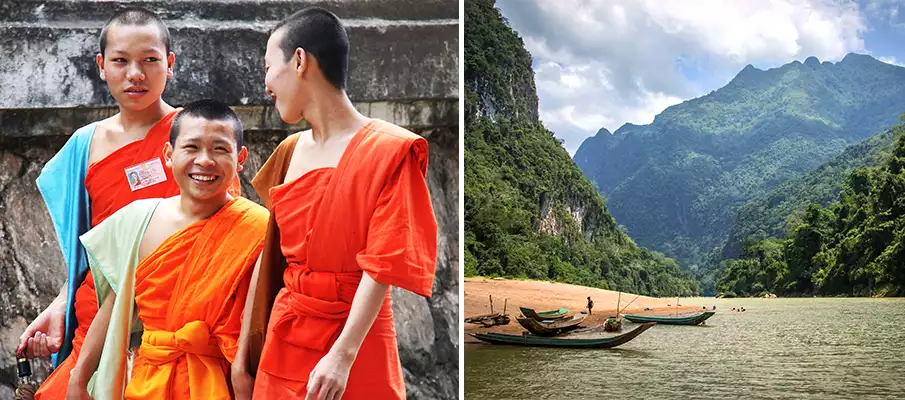
Why Visit Laos? Pros & Cons for Travelers
Laos is a great choice for travelers looking for nature, culture and a slower pace of travel. It is not perfect for everyone, however, especially if you prefer very fast transport, large cities or a highly developed tourist infrastructure.
🌿 Why Visit Laos?
Beautiful mountains, waterfalls, the Mekong, Buddhist temples and traditional villages make Laos rewarding for nature and culture-focused travelers.
🛕 Authentic Experience
Laos generally feels less crowded and commercial than some neighboring Southeast Asian destinations, especially outside the main tourist areas.
🐢 What to Consider
Travel can be slower than expected, particularly by road. Some rural areas have limited infrastructure, fewer services and less choice of accommodation.
🎒 Who Is It For?
Laos is especially suitable for independent travelers, couples, backpackers and anyone who enjoys nature, local culture, outdoor activities and slower travel.
💡 Travel tip: Visit Laos if you value experiences over speed and convenience. Allow extra time for transport and you will have more opportunity to enjoy the country at its own pace.
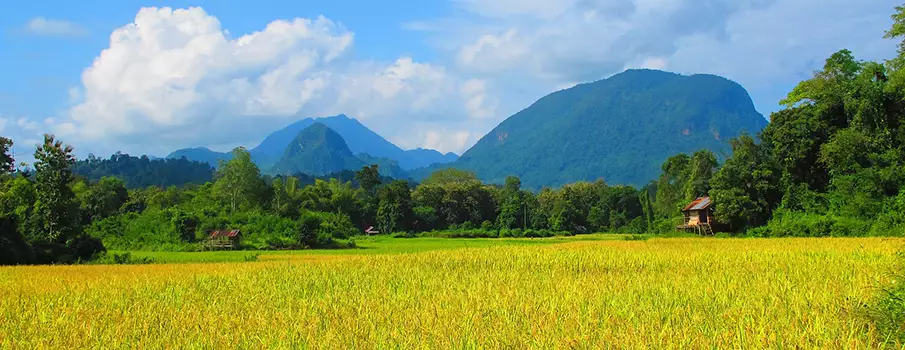
Laos vs. Vietnam: Which Country Is Better for Your Trip?
Laos and Vietnam are both excellent destinations in Southeast Asia, but they offer a different travel experience. Vietnam has more cities, historical sights, beaches and transport connections, while Laos is quieter, less crowded and especially attractive for nature, adventure and slower travel.
| Travel Experience | 🇱🇦 Laos | 🇻🇳 Vietnam |
|---|---|---|
| Nature & Mountains | ⭐⭐⭐⭐⭐ | ⭐⭐⭐⭐⭐ |
| Adventure Activities | ⭐⭐⭐⭐⭐ | ⭐⭐⭐⭐ |
| Culture & Temples | ⭐⭐⭐⭐⭐ | ⭐⭐⭐⭐⭐ |
| Beaches & Islands | ⭐ | ⭐⭐⭐⭐⭐ |
| Food & Cuisine | ⭐⭐⭐⭐ | ⭐⭐⭐⭐⭐ |
| Transportation | ⭐⭐⭐ | ⭐⭐⭐⭐⭐ |
| Budget Travel | ⭐⭐⭐⭐⭐ | ⭐⭐⭐⭐⭐ |
| Quiet & Relaxed Travel | ⭐⭐⭐⭐⭐ | ⭐⭐⭐ |
| Big Cities & Shopping | ⭐⭐ | ⭐⭐⭐⭐⭐ |
| Road Trips | ⭐⭐⭐ | ⭐⭐⭐⭐⭐ |
💡 Quick choice: Choose Laos for a slower, quieter trip focused on nature, temples and adventure. Choose Vietnam if you want more cities, beaches, food experiences, attractions and easier long-distance transport.
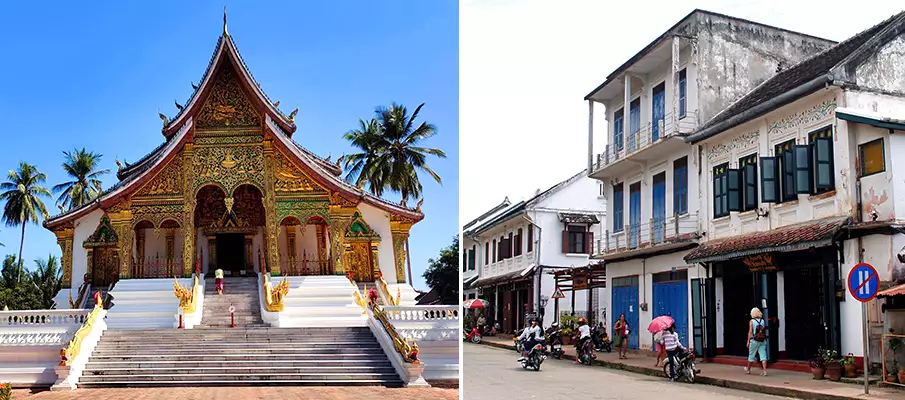
✈️ How to Get to Laos: Flights, Borders & Land Routes
Laos is a landlocked country, so you can reach it by plane, bus, train or river from neighboring countries. Most international visitors arrive by air, while overland routes from Thailand, Vietnam, Cambodia and China are useful for travelers exploring Southeast Asia.
✈️ By Plane
Flying is the easiest option from outside Southeast Asia. Major international gateways include Vientiane and Luang Prabang, with connections from countries such as Thailand, Vietnam, China and Cambodia.
🚌 By Land
Laos has international land borders with Thailand, Vietnam, Cambodia and China. Buses and minivans are commonly used on cross-border routes, including Vietnam to Laos and Cambodia to Laos.
🚤 By Mekong River
From northern Thailand, travelers can cross the Mekong from Chiang Khong to Huay Xai and continue by slow boat toward Luang Prabang, combining transport with a scenic river journey.
🛂 Visa & Entry
Entry requirements depend on your nationality. Many travelers can apply for a Lao eVisa online before arrival via the official Lao eVisa website. Check passport and border requirements before traveling, especially when entering overland.
Once you arrive, you can continue by bus, minivan, train or domestic flight. The Laos-China Railway is particularly useful for traveling between major destinations, while the Laos Train Map can help with route planning.
💡 Travel tip: If you are already traveling in Southeast Asia, compare both flights and overland routes. Entering Laos by land can be cheaper and lets you combine the country with Thailand, Vietnam or Cambodia.

Transportation in Laos: How to Travel Around the Country
Getting around Laos is relatively simple, but travel times can be longer than expected. The best option depends on your route, budget and how much time you have. For detailed routes, schedules, prices and booking options, see our complete Transportation in Laos guide.
🚌 Bus & Minivan
The most widely available option for travelers on routes not served by the railway. Buses and minivans connect cities, tourist towns and rural areas at reasonable prices.
🚆 Laos-China Railway
The railway is the fastest and most comfortable option on its main routes, especially between Vientiane, Vang Vieng and Luang Prabang.
🚕 Private Car & Taxi
Private transfers are useful when you want door-to-door travel, flexible stops or a more comfortable journey, especially for groups.
🛵 Motorbike & Local Transport
Motorbikes are useful for exploring independently, while tuk-tuks and local shared vehicles are convenient for shorter journeys around towns.
💡 Travel tip: Check the route before booking rather than choosing transport by price alone. Mountain roads and long distances can make a cheap bus journey much slower than expected.
🎫 Baolau
Search and book train, bus, minivan and flight tickets in Laos online, with schedules and e-tickets for popular routes.
🚌 12go.asia
Compare and book buses, trains, flights, ferries and private transfers for travel around Laos and across Southeast Asia.
☀️ Weather & Best Time to Visit Laos
Laos has a tropical climate with a distinct dry and rainy season. The best time to visit is generally from November to February, when the weather is cooler and mostly dry. The hot season is suitable for some travelers, while the rainy season brings greener landscapes and fewer tourists.
☀️ November–February
The coolest and driest period is generally the best time for traveling around Laos, with comfortable conditions for sightseeing, trekking and outdoor activities.
🔥 March–April
Temperatures rise and days can be very hot. This period can still be enjoyable, especially if you plan activities for mornings and evenings and spend time around rivers or waterfalls.
🌧️ May–October
The rainy season brings heavier showers and higher humidity, but also lush green landscapes. Rain does not necessarily last all day and tourist numbers are usually lower.
🏔️ North vs. South
Northern Laos can feel noticeably cooler in the dry season, especially in the mountains. Southern areas are generally warmer, so consider the region when planning your itinerary.
💡 Travel tip: November to February is the safest choice for comfortable weather, but the rainy season can be a good option if you prefer greener scenery, fewer tourists and lower prices.
🌤️ Weather in Laos by Month
Laos has a tropical monsoon climate with a cool dry season (November–February), a hot dry season (March–April) and a rainy season (May–October). November to February is generally the best time to visit.
| Month | Weather | Travel Highlights |
|---|---|---|
| January | Cool & Dry | Excellent for sightseeing, trekking and exploring Luang Prabang or Vientiane. |
| February | Cool & Dry | Great for river cruises, outdoor activities and cultural experiences. |
| March | Warm & Dry | Good for trekking, caves and exploring Vang Vieng. |
| April | Hot & Dry | Hot weather and the lively Lao New Year (Pi Mai) celebrations. |
| May | Hot & Rainy | Start of the rainy season, with greener landscapes and fewer tourists. |
| June | Hot & Rainy | Waterfalls are impressive, especially around the Bolaven Plateau. |
| July | Hot & Rainy | Frequent showers, lush scenery and generally quieter attractions. |
| August | Hot & Rainy | Good for cultural sightseeing, museums and local markets. |
| September | Hot & Rainy | Lush countryside, waterfalls and fewer visitors. |
| October | Warm & Ending Rainy Season | Green landscapes as rainfall gradually decreases. |
| November | Cool & Dry | One of the best months, with pleasant temperatures and clearer skies. |
| December | Cool & Dry | Excellent conditions for hiking, sightseeing and northern Laos. |
Where to Stay in Laos: Best Areas & Accommodation
Laos offers everything from simple guesthouses and hostels to boutique hotels and comfortable resorts. The best place to stay depends on your itinerary, with Luang Prabang, Vang Vieng and Vientiane offering the widest choice of accommodation.
🏨 Hotels & Guesthouses
Guesthouses are a popular budget option, while hotels and boutique properties offer more comfort. Prices and standards vary between destinations.
🛕 Luang Prabang
The best choice for culture and atmosphere, with many guesthouses, boutique hotels and riverside accommodation close to temples and the historic center.
🏞️ Vang Vieng
A good base for outdoor activities, with budget guesthouses, hotels and riverside stays close to viewpoints, caves and the surrounding countryside.
🌆 Vientiane
The capital offers the widest range of hotels and apartments, from budget accommodation to modern hotels, with convenient access to restaurants and transport.
💡 Travel tip: In popular destinations, book ahead during the high season. For a quieter experience, consider staying slightly outside the main tourist center or choosing a riverside guesthouse.

❓ Frequently Asked Questions About Traveling to Laos
How can you book buses, trains, boats and flights in Laos?
Which places should you visit during your first trip to Laos?
Visit Luang Prabang, Vientiane, Vang Vieng, Pakse and the peaceful 4,000 Islands.
What is the best time of year to visit Laos?
The best time is from November to February, when the weather is cooler, drier and ideal for sightseeing.
What are the best ways to travel around Laos?
You can travel by bus, minivan, train, domestic flight, boat or private transfer between major destinations.
Which traditional Lao foods should you try during your trip?
Try laap, sticky rice, tam mak hoong, grilled meats and traditional noodle soups during your visit.
Can you travel on the Mekong River in Laos?
Yes. Slow boats between Huay Xai and Luang Prabang are one of the country’s most popular experiences.
Do travelers need a visa to enter Laos?
Many nationalities can obtain a Visa on Arrival or apply for an eVisa before traveling to Laos.
Is Laos generally safe for foreign tourists?
Yes. Laos is generally safe, but follow normal precautions and be careful when riding motorbikes.
What kind of weather and climate can you expect in Laos?
Laos has a tropical climate with a dry season from November to April and a rainy season from May to October.
What currency should you use when traveling in Laos?
The official currency is the Lao Kip (LAK), used throughout the country.
Which countries share a border with Laos?
Laos borders Thailand, Vietnam, Cambodia, China and Myanmar, with several international border crossings.