ℹ️ Cambodia Information
🔍 Best Places to Visit
🚶 Best Things to Do
🤔 Why Visit Cambodia
✈️ How to get there
🚍 Transport Options
☀️ Weather Forecast
🏡 Where to stay
❓ FAQ + Travel Tips
🎫 Book a Tour Online
🎫 Book Tickets / Car
Quick answer: Cambodia is one of Southeast Asia’s most fascinating destinations, famous for Angkor Wat, rich Khmer culture, beautiful countryside, tropical islands, and welcoming locals. From historic Phnom Penh to floating villages on Tonlé Sap and the beaches of Koh Rong, Cambodia offers a great mix of history, nature, and authentic travel experiences.
At a glance:
- 🛕 Top Attractions: Angkor Wat, Bayon, Ta Prohm, Royal Palace and Killing Fields.
- 🌿 Nature: Tonlé Sap Lake, Cardamom Mountains, waterfalls and tropical islands.
- 🏙️ Main Cities: Phnom Penh, Siem Reap, Battambang, Kampot and Kep.
- 🏝️ Beaches & Islands: Relax on Koh Rong and Koh Rong Samloem.
- 🍜 Food: Try Fish Amok, Lok Lak, Khmer curry and local street food.
- 🚍 Getting Around: Travel by bus, minivan, domestic flights, tuk-tuk or private taxi.
- 📅 Best Time to Visit: November to March offers the coolest and driest weather.
Last updated in July 2026.
Cambodia Travel Guide: First-Time Travel Tips
Cambodia is a fascinating Southeast Asian country known for ancient Khmer temples, tropical landscapes, lively cities and friendly local life. It lies between Thailand, Laos and Vietnam, making it easy to combine with other countries in the region.
🛕 Khmer Heritage
The temples around Siem Reap, especially Angkor Wat, are Cambodia’s most famous historical highlights.
🌿 Nature & Rivers
The Mekong and Tonlé Sap shape the country, while forests, mountains and countryside offer plenty to explore.
🏙️ Cities & Coast
Phnom Penh, Battambang, Kampot and the southern coast each offer a different side of Cambodia.
🏝️ Islands & Beaches
Koh Rong and other islands are ideal for beaches, swimming, snorkeling and a slower tropical escape.
Cambodia has a tropical climate and is relatively easy to travel around by bus, minivan, private car or domestic flight. For a first trip, Siem Reap, Phnom Penh and the coast make a good combination.
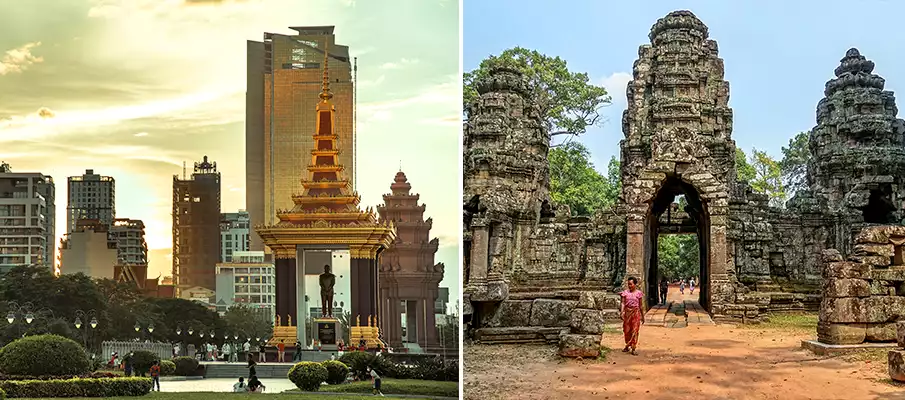
How to Plan Your Trip to Cambodia
Planning a trip to Cambodia is fairly easy, especially if you focus on a few destinations rather than trying to see the whole country. Choose your route first, then plan your transport, budget and accommodation around it.
🗓️ Choose Your Time
About 7–10 days is a good starting point. With two weeks or more, you can travel at a slower pace and add the coast or countryside.
🗺️ Plan Your Route
For a first trip, combine Siem Reap, Phnom Penh and the coast. Add Battambang, Kampot or other destinations if you have more time.
💵 Set Your Budget
Plan for accommodation, food, transport and activities. Costs vary depending on your travel style and the destinations you visit.
🎒 Prepare Before You Go
Check visa requirements, travel insurance, accommodation and transport before departure, and leave some flexibility in your itinerary.
Cambodia is easy to combine with other Southeast Asian destinations, making it a great choice for a longer regional trip. You can explore the country on its own or connect several destinations depending on your time and interests.
💡 Travel tip: Avoid packing too many destinations into one trip. Cambodia is easier and more enjoyable when you leave some time for slower travel, local experiences and unexpected stops along the way.
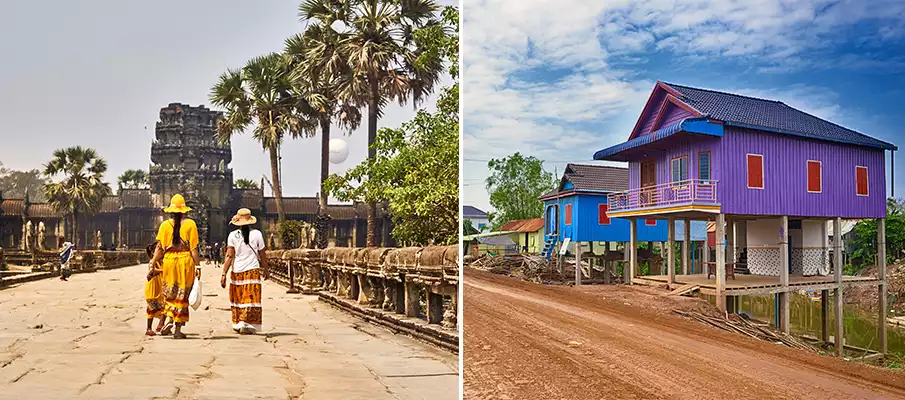
Best Places to Visit in Cambodia: Top Destinations
Cambodia offers a great mix of ancient temples, lively cities, countryside, mountains and tropical islands. For a first trip, focus on a few destinations rather than trying to see the whole country at once.
🛕 Siem Reap & Angkor
The main base for exploring Angkor Wat, Bayon, Ta Prohm and other temples of the ancient Khmer Empire. Ideal for history, culture and sightseeing.
🏙️ Phnom Penh
Cambodia’s capital combines the Royal Palace, museums, markets and riverside areas with important sites connected to the country’s modern history.
🌿 Battambang
A quieter city surrounded by countryside, traditional villages, temples and rice fields. A good choice for travelers wanting to experience Cambodia beyond the main tourist route.
🌴 Kampot
A relaxed riverside town known for nearby countryside, pepper plantations, caves and easy access to Bokor National Park.
🏖️ Koh Rong & Islands
Cambodia’s tropical islands offer sandy beaches, clear water, snorkeling and a more relaxed escape from the mainland.
🌳 Mondulkiri
A remote eastern region with forested hills, waterfalls and traditional rural communities. It is ideal for nature, trekking and a quieter Cambodia experience.
For a longer trip, consider adding Kep, Koh Ker, Banteay Chhmar or the Cardamom Mountains. These places are worth visiting if you want to explore beyond Cambodia’s classic tourist route.
💡 Travel tip: Do not try to visit too many regions in one trip. Cambodia is relatively compact, but travel between destinations can take time, so a slower route usually gives you a better experience.

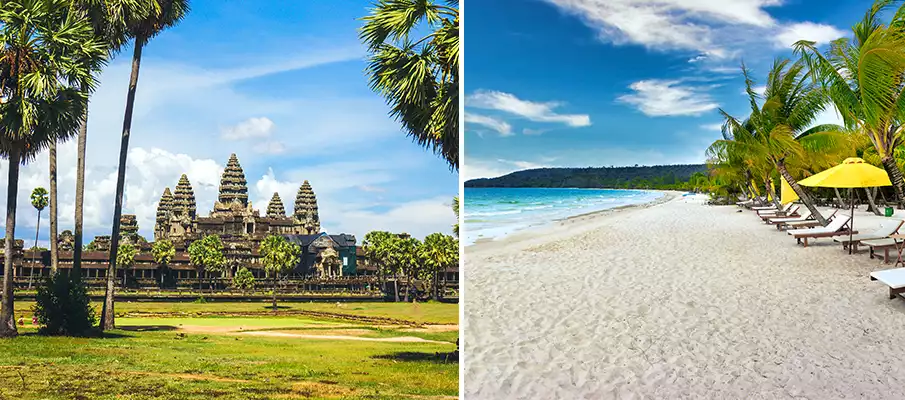
Best Things to Do in Cambodia: Activities & Experiences
Cambodia offers much more than Angkor Wat. You can explore ancient temples, discover local food and markets, cruise Tonlé Sap, relax on tropical islands or experience the countryside and nature.
🛕 Explore Ancient Temples
Discover Angkor Wat, Bayon, Ta Prohm and other Khmer temples to experience Cambodia’s remarkable history and architecture.
🚤 Explore Tonlé Sap
Take a boat trip on Tonlé Sap Lake and see floating villages, fishing communities and a different side of everyday Cambodian life.
🍜 Try Cambodian Food
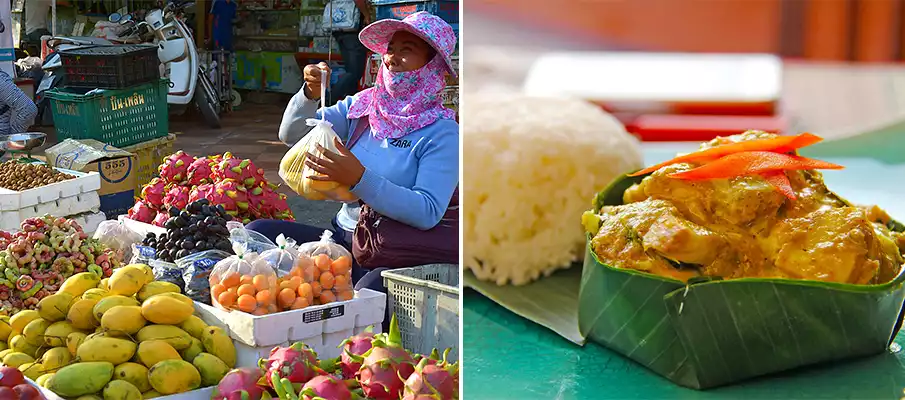
Visit local markets and street-food stalls to try Khmer dishes, fresh fruit, noodles, grilled foods and Cambodia’s famous fish amok.
🏖️ Relax on the Islands
Spend a few days on Koh Rong or nearby islands for beaches, swimming, snorkeling, boat trips and a slower tropical escape.
For a more active trip, add cycling through the countryside, hiking in national parks, visiting pepper plantations or exploring waterfalls and rural villages. Cambodia is especially rewarding when you leave some time for experiences beyond the main sights.
💡 Travel tip: Mix major attractions with slower local experiences. A temple visit, market, countryside trip or island stay can make your Cambodia itinerary much more varied.
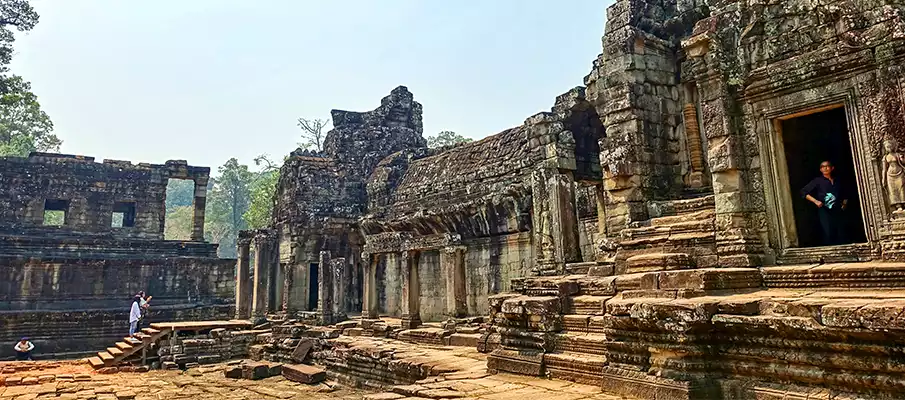
Cambodia Travel Itinerary: How Many Days Do You Need?
For a first trip to Cambodia, 7–10 days is a good starting point. With two weeks or more, you can travel at a slower pace and add the coast, countryside or less-visited destinations.
🗓️ 5–7 Days
Focus on Siem Reap and Phnom Penh, with time for Angkor temples, local markets, museums, riverside areas and traditional Cambodian food.
🗺️ 10–14 Days
Add Kampot, Battambang or the islands and enjoy a more balanced trip combining ancient temples, cities, countryside, local experiences and tropical beaches.
🌿 2–3 Weeks
With more time, explore eastern Cambodia, the Cardamom Mountains or quieter historical sites. A longer itinerary lets you travel more slowly and avoid constantly changing hotels.
✈️ First-Time Route
A classic route is Siem Reap → Phnom Penh → Cambodia’s coast. It combines the country’s major cultural sights with city life, countryside and relaxing beach time.
🌏 1 Month
With a full month in Cambodia, you can explore the main highlights at a relaxed pace and go well beyond the classic tourist route. Add the islands, countryside, eastern Cambodia and quieter historical sites while leaving enough time for local experiences and spontaneous stops.
💡 Travel tip: Do not underestimate travel time between destinations. Fewer stops with more time in each place usually make for a more enjoyable Cambodia trip.
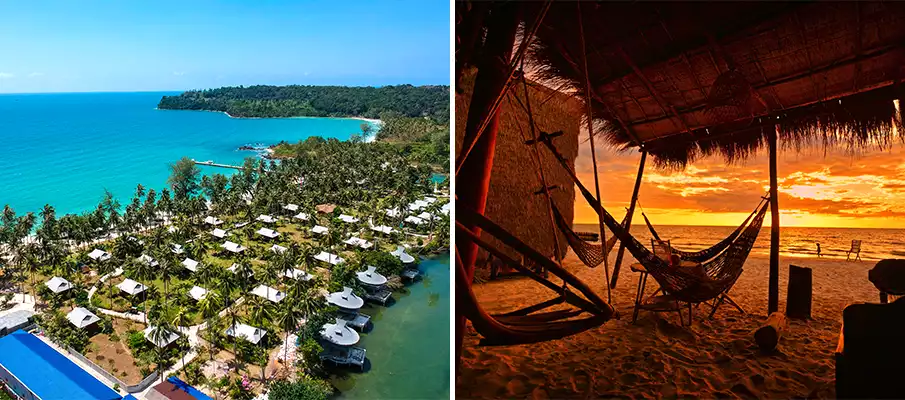
Food & Cuisine in Cambodia: What to Eat
Cambodian cuisine is fresh, aromatic and often lighter than some of its Southeast Asian neighbours. Khmer cooking combines rice, noodles, fresh herbs, vegetables, fish, meat and local spices, with plenty of dishes worth trying in markets and small local restaurants.
🍛 Fish Amok
One of Cambodia’s best-known dishes, usually made with fish, coconut milk, curry paste and herbs. It is gently steamed and has a rich but mild flavour.
🍜 Khmer Noodles
Try local noodle dishes such as kuy teav and num banh chok, often served with fresh vegetables, herbs and a light broth or sauce.
🥩 Grilled & Street Food
Markets are great for grilled meat, fish, skewers, fried snacks and fresh fruit. Street food is inexpensive and a simple way to taste everyday Cambodian flavours.
🌶️ Local Flavours
Cambodian dishes commonly use lemongrass, galangal, kaffir lime, coconut and fresh herbs. Kampot pepper is another local specialty worth trying with seafood and meat.
🍍 Fresh Fruit & Drinks
Fresh tropical fruit is easy to find throughout Cambodia, including mangoes, pineapple, dragon fruit and coconut. Try fresh fruit shakes, local coffee or refreshing sugar-cane juice, especially at markets.
💡 Travel tip: Eat where locals eat and visit busy markets during peak hours. Freshly prepared food, high turnover and simple local restaurants are often the best way to discover authentic Cambodian cuisine.
Culture & Customs in Cambodia: What Travelers Should Know
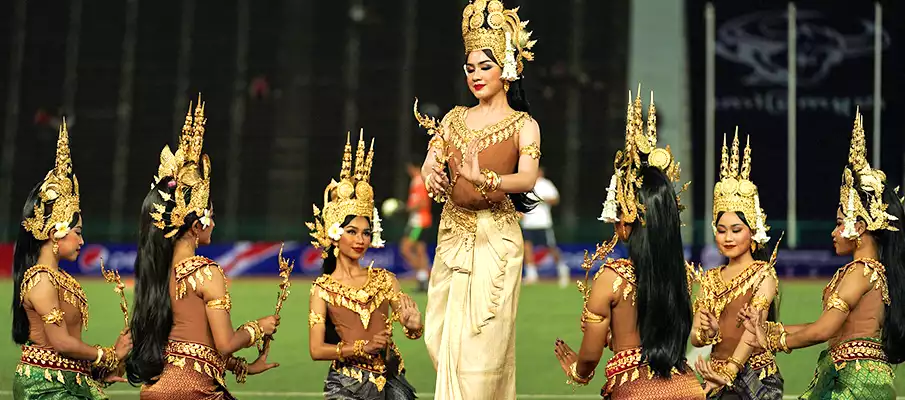
Cambodian culture is deeply influenced by Khmer traditions, Buddhism and centuries of history. Visitors are generally welcomed warmly, but understanding a few local customs will make everyday interactions more respectful and enjoyable.
🙏 Respect & Greetings
The traditional sampeah greeting is still common, especially in more formal situations. A calm, polite manner and a small gesture of respect are appreciated when meeting locals.
🛕 Temples & Religion
Buddhism plays an important role in Cambodian life. Dress modestly when visiting temples, cover your shoulders and knees, and behave quietly around monks and religious sites.
👕 Dress & Etiquette
Light clothing is practical in Cambodia, but revealing clothes are best avoided away from beaches. Remove your shoes when entering some homes, temples or traditional spaces.
📸 Photography
Ask before photographing people, monks or private activities. At temples and religious ceremonies, follow signs and local instructions, especially when photography is restricted.
🌿 Khmer Way of Life
Family, community, Buddhism and traditional celebrations remain important parts of daily life. Outside the main tourist areas, taking time to observe and follow local habits is often the best way to connect with Cambodia.
💡 Travel tip: When in doubt, follow what locals do. A respectful attitude, modest clothing at temples and asking before taking photos will help you avoid most common cultural mistakes.
Money & Costs in Cambodia: Budget, Currency & Prices
Cambodia remains a relatively affordable destination, with costs depending mainly on your accommodation, transport and travel style. The official currency is the Cambodian riel (KHR), while US dollars are still widely used, especially for larger purchases and in tourist areas.
💵 Currency
You will commonly see prices in USD, while Cambodian riel is useful for small purchases and change. A practical rate to remember is around 4,000 riel for 1 USD.
🏨 Accommodation
Budget guesthouses and hostels can be very affordable, while comfortable mid-range hotels generally offer good value. Prices increase in popular areas and during busy travel periods.
🍜 Food & Drinks
Local restaurants and street food are inexpensive, while international restaurants and cafés cost more. A daily food budget of around $8–25 can suit many independent travelers.
🚌 Transport
Buses and minivans are usually the most economical way to travel between cities. Tuk-tuks and taxis are convenient for local journeys, while domestic flights can save time on longer routes.
💳 Cash, Cards & ATMs
Cards are widely accepted in hotels, larger restaurants and tourist businesses, but cash is still important for markets, small shops and rural areas. ATMs are common in major cities, although fees can apply.
💡 Travel tip: Carry a mix of USD and small amounts of riel. Keep your dollar notes clean and undamaged, as torn or heavily marked bills may be refused.
Why Visit Cambodia? Pros & Cons for Travelers
Cambodia is a great choice if you want to combine ancient history, local culture, nature and tropical beaches in one trip. It is generally affordable and easy to travel around, but there are also a few things worth considering before you go.
✅ Ancient History
Angkor Wat and the surrounding Khmer temples are among Southeast Asia’s most impressive historical sites, with plenty to explore beyond the main temple complex.
✅ Affordable Travel
Accommodation, local food and transport can be good value, making Cambodia suitable for both budget travelers and those looking for comfortable mid-range options.
⚠️ Heat & Weather
Cambodia can be very hot and humid, particularly in the dry season. Heavy rain during the wet season can also affect travel plans and road conditions.
⚠️ Tourist Crowds
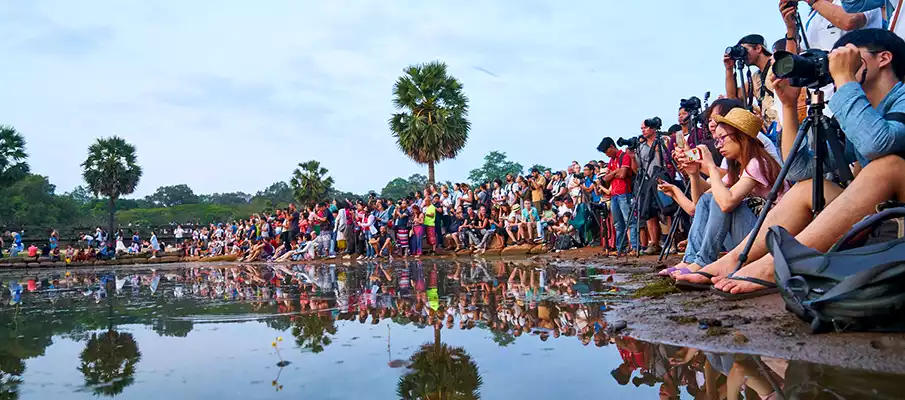
Popular places such as Angkor Wat can become busy, especially around sunrise and during peak travel periods. Quieter sites require a little more planning and travel time.
👍 Who Will Enjoy Cambodia?
Cambodia is especially appealing to travelers interested in history, temples, local food, photography, tropical islands and authentic cultural experiences. It also works well for first-time Southeast Asia travelers.
💡 Travel tip: If Angkor Wat is your main reason for visiting Cambodia, allow at least two or three days for the temples. This gives you time to explore beyond the busiest sights without rushing.
Solo Travel in Cambodia: Is It Good for Solo Travelers?
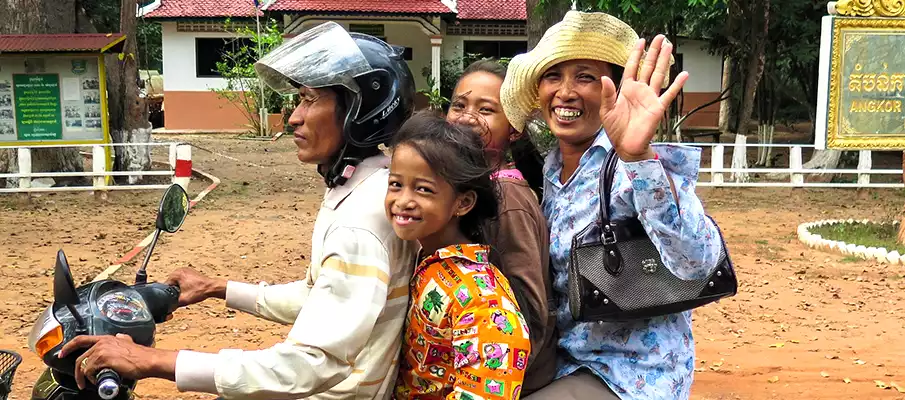
Yes, Cambodia is a good destination for solo travelers, especially if you want a mix of temples, local culture, nature and beaches. The main tourist routes are easy to navigate, and it is usually simple to meet other travelers in hostels, tours and local cafés.
🤝 Easy to Meet People
Hostels, shared tours, buses and popular tourist areas make it easy to meet other independent travelers, particularly in the main destinations.
🚌 Simple Transport
Buses, minivans, tuk-tuks and taxis make getting around relatively straightforward. For longer journeys, booking transport in advance can save time and hassle.
💰 Good for Budgets
Solo travelers can keep costs manageable with hostels, local restaurants and shared transport, while comfortable private rooms are also widely available.
⚠️ Stay Aware
Keep an eye on your belongings in busy areas, use reputable transport and avoid walking alone in unfamiliar places late at night, as you would in any destination.
🎒 Best for Independent Travelers
Cambodia works particularly well for first-time solo travelers because you can easily combine independent sightseeing with organized day trips and social activities whenever you want company.
💡 Travel tip: Stay in a well-reviewed hostel or guesthouse for your first few nights. It is an easy way to meet other travelers while getting comfortable with Cambodia.
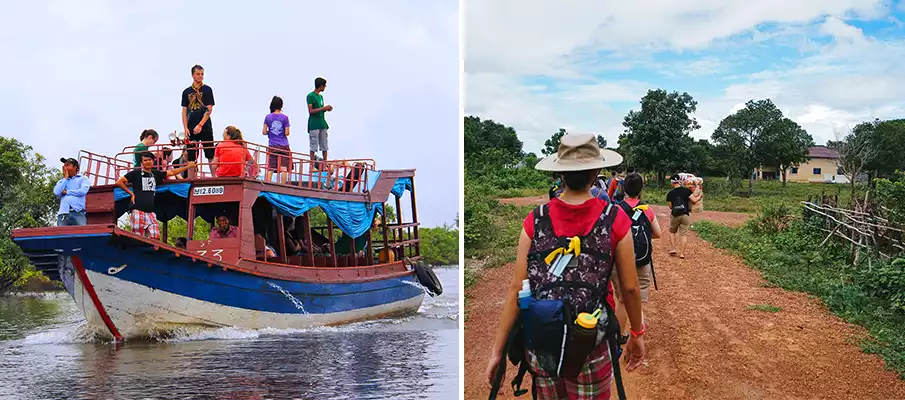
Cambodia vs. Vietnam: Which Country Is Better for Your Trip?
Cambodia and Vietnam are both fascinating destinations in Southeast Asia, but they offer different travel experiences. Cambodia is known for ancient temples, a slower pace, tropical islands and Khmer culture, while Vietnam offers more diverse landscapes, larger cities, extensive food experiences and a wider range of transport options.
| Travel Experience | 🇰🇭 Cambodia | 🇻🇳 Vietnam |
|---|---|---|
| Temples & Ancient History | ⭐⭐⭐⭐⭐ | ⭐⭐⭐⭐⭐ |
| Nature & Landscapes | ⭐⭐⭐⭐ | ⭐⭐⭐⭐⭐ |
| Beaches & Islands | ⭐⭐⭐⭐ | ⭐⭐⭐⭐⭐ |
| Food & Cuisine | ⭐⭐⭐⭐ | ⭐⭐⭐⭐⭐ |
| Transportation | ⭐⭐⭐⭐ | ⭐⭐⭐⭐⭐ |
| Budget Travel | ⭐⭐⭐⭐⭐ | ⭐⭐⭐⭐⭐ |
| Quiet & Relaxed Travel | ⭐⭐⭐⭐⭐ | ⭐⭐⭐ |
| Big Cities & Shopping | ⭐⭐⭐ | ⭐⭐⭐⭐⭐ |
| Culture & Local Experiences | ⭐⭐⭐⭐⭐ | ⭐⭐⭐⭐⭐ |
| Road Trips | ⭐⭐⭐⭐ | ⭐⭐⭐⭐⭐ |
💡 Quick choice: Choose Cambodia for Angkor Wat, Khmer culture, tropical islands and a slower travel experience. Choose Vietnam for greater geographical variety, vibrant cities, diverse food, beaches and more extensive transport connections.
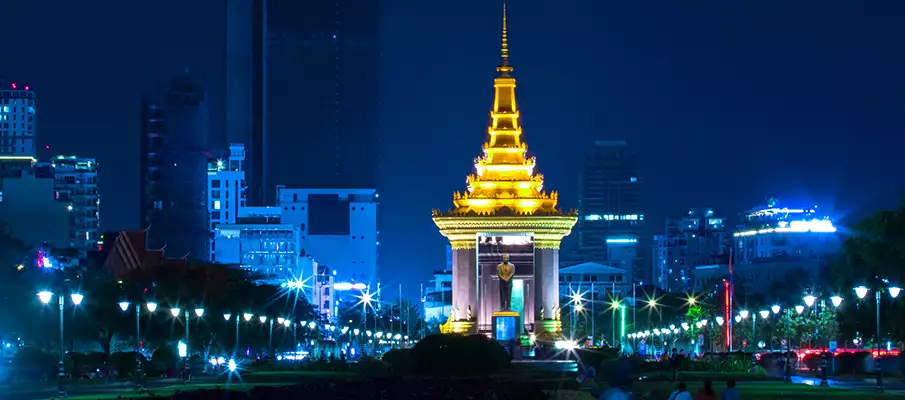
✈️ How to Get to Cambodia: Flights, Borders & Land Routes
Cambodia is easy to reach by plane or overland from neighboring countries. Most international travelers arrive by air, while buses and border crossings are useful if you are already traveling through Vietnam, Thailand or Laos.
✈️ By Plane
Flying is the easiest option from outside Southeast Asia. Cambodia’s main international gateways are Techo International Airport in Phnom Penh and Siem Reap Angkor International Airport, with connections across Asia.
🚌 By Land
International buses and minivans connect Cambodia with Thailand, Vietnam and Laos. From Vietnam, common routes include Vietnam to Cambodia via the Bavet border crossing.
🚐 From Vietnam
Travelers can enter Cambodia by bus from Ho Chi Minh City or other southern Vietnamese destinations. The Chau Doc to Phnom Penh route is another option, including a combination of road and river travel.
🛂 Visa & Entry
Visa requirements depend on your nationality. Many travelers can apply for a Cambodia eVisa online before arrival through the official Cambodia eVisa website. Check current entry requirements before your trip.
💡 Travel tip: If you are already in Southeast Asia, compare flights with overland routes. Entering Cambodia by bus can be convenient and cheaper, especially from southern Vietnam or Thailand.
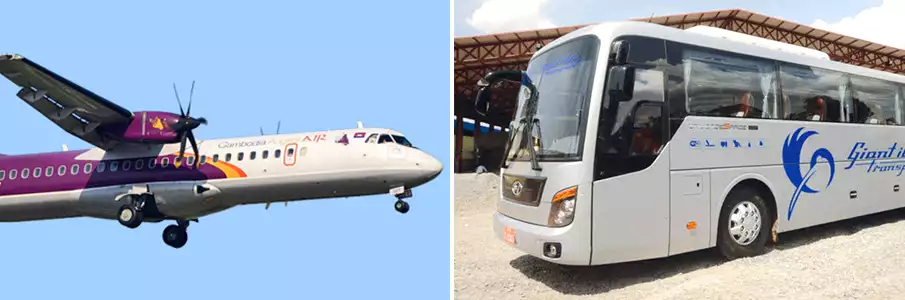
🚍 Getting Around Cambodia: Transport Options
Getting around Cambodia is relatively easy, with buses and minivans being the main choices for longer journeys. In cities and towns, tuk-tuks and taxis are convenient, while trains, boats, motorbikes and domestic flights are useful for specific routes.
🚌 Bus & Minivan
Buses and minivans are the most popular way to travel between Cambodian cities. They are affordable, frequent and connect most major tourist destinations.
🚆 Train
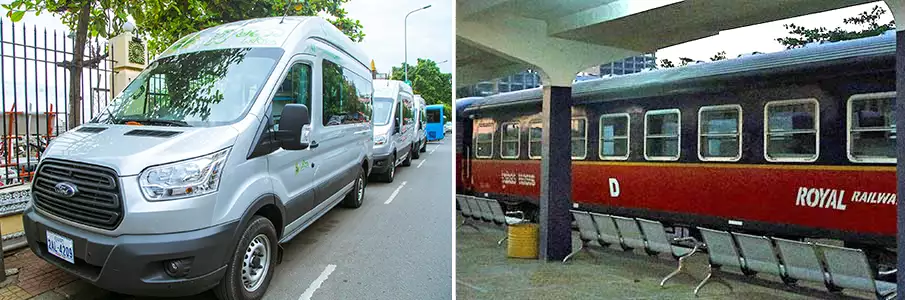
Cambodia’s railway connects Phnom Penh with destinations such as Sihanoukville, Kampot and Battambang. Services are more limited than buses, but trains can be a relaxed alternative.
🛺 Tuk-Tuk & Taxi
Tuk-tuks are one of the easiest ways to move around cities and tourist areas. Taxis and ride-hailing services are better suited to longer local journeys or when you want more comfort.
🏍️ Motorbike
A motorbike gives you more freedom to explore rural roads, smaller towns and countryside. Check local rules, road conditions and insurance requirements before riding.
🚤 Boats & Domestic Flights
Boats are useful for reaching Cambodia’s islands, while domestic flights can save time on longer journeys. For a complete overview of transport options and booking advice, see the Cambodia Transportation Guide.
🛣️ Main Travel Routes
Two of the most useful routes for first-time visitors are Phnom Penh → Siem Reap and Phnom Penh → Sihanoukville. Both are well served by buses and minivans, while the Sihanoukville route also has a train option.
For train travel, check the Cambodia Railway & Train Map before planning your route, as the railway network and schedules are more limited than the bus network.
💡 Travel tip: For most city-to-city journeys, compare bus and minivan departures first. They usually offer the best combination of price, frequency and travel time, while trains are a good choice when you prefer a slower journey.
🎫 Baolau
Search and book bus, train, minivan and flight tickets in Cambodia, with schedules and e-tickets for popular routes.
🚌 12go.asia
Compare and book buses, trains, flights, ferries and private transfers for travel around Cambodia and across Southeast Asia.
🌤️ Weather in Cambodia & Best Time to Visit
Cambodia has a hot tropical climate with a dry season from roughly November to April and a rainy monsoon season from May or June to October. The coolest and generally most comfortable months are November to February, while March to May is hotter.
☀️ November–February
The coolest and driest period is generally the most comfortable for sightseeing, temples and longer journeys. December and January are among the coolest months.
🔥 March–May
Temperatures rise significantly, making midday sightseeing harder. Early mornings and late afternoons are better for exploring temples and outdoor attractions.
🌧️ June–August
The rainy season brings regular showers and high humidity, but mornings are often suitable for sightseeing. The countryside becomes especially green and landscapes are more vibrant.
🌦️ September–October
These are among the wetter months, with heavier rainfall possible. Roads in rural areas can become difficult, so allow more flexibility when traveling overland.
🏖️ Best Time for Beaches
For Cambodia’s southern coast and islands, the dry season generally offers the most reliable beach weather. November through January is particularly pleasant, with warm days and less rain.
💡 Travel tip: Cambodia can be visited year-round. If you travel during the wet season, plan some flexibility for rain and enjoy the greener landscapes and quieter atmosphere at major sights.
🌤️ Weather in Cambodia by Month
Cambodia has a tropical monsoon climate with a dry season (November–April) and a rainy season (May–October). November to February is generally the most comfortable time to visit, while March and April are hotter.
| Month | Weather | Travel Highlights |
|---|---|---|
| January | Warm & Dry | Excellent for temples, sightseeing, beaches and exploring Cambodia’s main destinations. |
| February | Warm & Dry | Sunny and comfortable for Angkor, outdoor activities, countryside and the coast. |
| March | Hot & Dry | Hotter conditions, but still good for temples, islands and early-morning sightseeing. |
| April | Hot & Dry | The hottest period, with Khmer New Year celebrations and good conditions for beach trips. |
| May | Hot & Rainy | Rainy season begins, bringing greener landscapes and fewer tourists to many attractions. |
| June | Hot & Rainy | Regular showers, lush countryside and impressive waterfalls, with generally fewer crowds. |
| July | Hot & Rainy | Warm and humid with frequent rain, but excellent green scenery and quieter attractions. |
| August | Hot & Rainy | Tropical showers and lush landscapes make this a good period for nature and cultural travel. |
| September | Hot & Rainy | One of the wettest months, but rice fields and countryside are especially green and scenic. |
| October | Warm & Ending Rainy Season | Rain gradually decreases, while green landscapes remain ideal for countryside trips. |
| November | Warm & Dry | One of the best months for temples, sightseeing, beaches and exploring the countryside. |
| December | Warm & Dry | Comfortable temperatures and mostly dry weather make December ideal for traveling around Cambodia. |
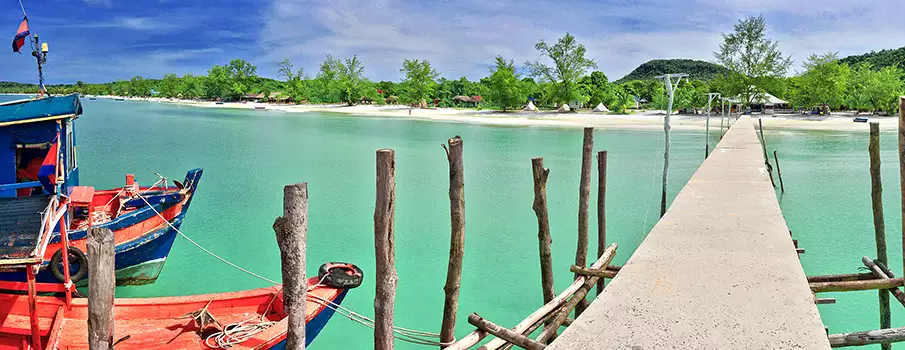
Where to Stay in Cambodia: Accommodation Guide
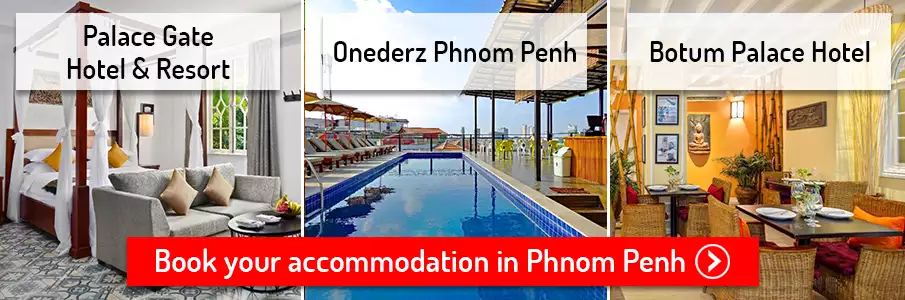
Cambodia offers accommodation for every budget, from simple guesthouses and hostels to comfortable hotels and beach resorts. Where you stay depends mainly on your route and travel style.
🛏️ Budget Stays
Hostels, guesthouses and simple rooms are widely available and work well for backpackers, solo travelers and anyone looking to keep accommodation costs low.
🏨 Mid-Range Hotels
Comfortable hotels often offer air-conditioning, private bathrooms, Wi-Fi and swimming pools at reasonable prices, especially outside peak season.
🌴 Beach Resorts
Koh Rong and other coastal destinations offer everything from basic beach bungalows to comfortable resorts, making them ideal for a few relaxing days by the sea.
✨ Boutique Hotels
Boutique hotels are popular in Siem Reap, Phnom Penh and other tourist areas, offering stylish rooms, pools and more personalized service.
💡 Travel tip: Choose your accommodation based on location as well as price. Staying close to major sights, restaurants or transport can save valuable time during your trip.
❓ Cambodia Travel FAQ: Essential Questions & Tips
How can I book bus, train and flight tickets in Cambodia?
Book buses, trains, ferries and flights on Baolau ➜ or 12go.asia ➜.
What are the best places and destinations to visit in Cambodia?
Top destinations include Angkor Wat, Siem Reap, Phnom Penh, Battambang, Kampot, Kep and Koh Rong.
When is the best time of year to visit Cambodia?
The best time is from November to April, when Cambodia has dry, sunny weather.
Can I visit Angkor Wat independently without hiring a guide?
Yes. Independent visits are easy, but a local guide provides valuable historical and cultural insights.
Do I need a visa to travel to Cambodia?
Many travelers can obtain an eVisa or a 30-day visa on arrival, depending on nationality.
Is Cambodia generally safe for tourists and solo travelers?
Yes. Cambodia is generally safe, but keep an eye on valuables in busy tourist areas.
Which lesser-known places in Cambodia are worth visiting?
Consider Kampot, Kep, Mondulkiri, Koh Ker, Banteay Chhmar and the Cardamom Mountains.
What currency is used for everyday payments in Cambodia?
Cambodia uses the Cambodian Riel (KHR) ➜, although US Dollars are widely accepted.