
ℹ️ Information – Phnom Penh
✈️ How to get to Phnom Penh
☀️ Weather in Phnom Penh
🏡 Where to stay in Ph.Penh
🔍 Sightseeing in Phnom Penh
❓ FAQ + Travel Tips + Info
🎫 Book a Tour in Phn.Penh
🎫 Book Ticket to Phn.Penh
Quick answer: Phnom Penh, the capital of Cambodia, is a city of big contrasts — graceful riverside promenades, historic temples, and colonial architecture mix with sobering reminders of the past at the Tuol Sleng Genocide Museum. It’s ideal for combining cultural exploration, history, and relaxed city life.
At a glance:
- 🏯 Royal Palace & Silver Pagoda: Stunning Khmer architecture and Cambodia’s royal landmarks.
- 🕊️ History: Visit Tuol Sleng Museum to learn about Cambodia’s tragic past.
- 🌊 Mekong Promenade: Enjoy riverside walks, boat trips and cafés.
- 🛍️ Markets: Explore Central Market and the Russian Market for shopping and street food.
- 🧠 National Museum: Discover Khmer art, history and ancient artifacts.
- 🏞️ Wat Phnom: Visit Phnom Penh’s famous hilltop temple.
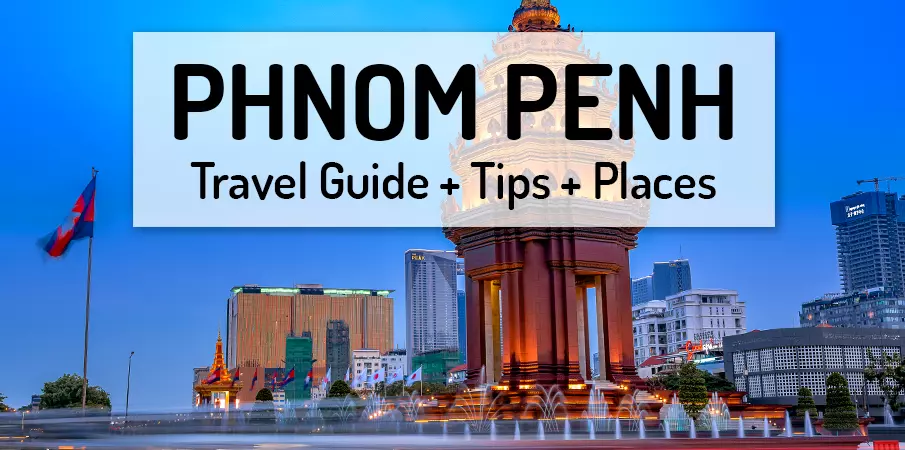
- 🕍 Independence Monument: An iconic symbol of Cambodia’s independence.
- 🌤️ Best Time: November to March offers the best weather for sightseeing.
Last updated in July 2026
Phnom Penh: A Riverside Capital Steeped in History and Beauty.
-
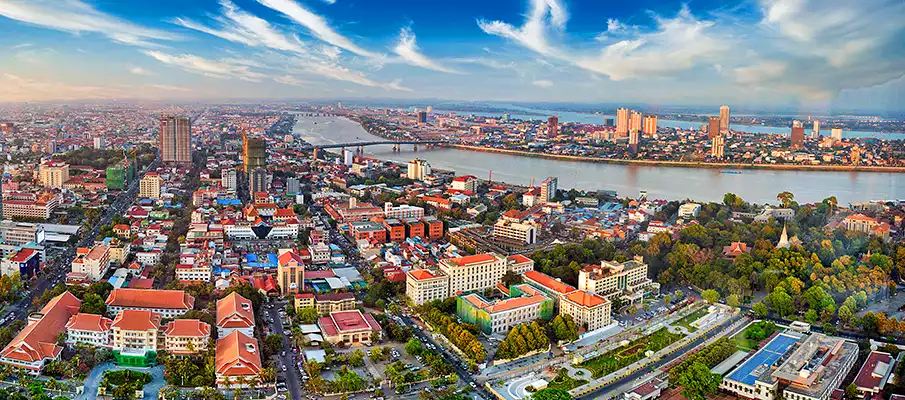
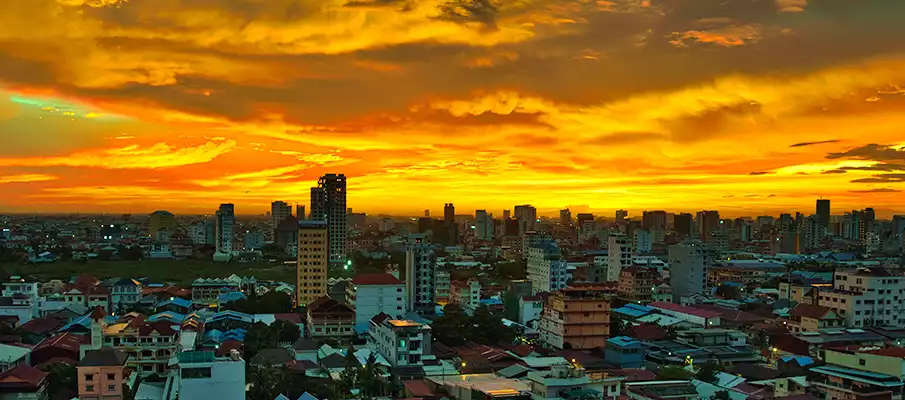
- Nestled along the banks of the Tonle Sap and Mekong Rivers, Phnom Penh, the capital city of Cambodia, offers a captivating blend of rich history, cultural heritage, and natural beauty. This bustling metropolis serves as the beating heart of the country, attracting visitors with its unique location and diverse geography.
- Situated in the southwestern part of Cambodia, Phnom Penh enjoys a prime location that facilitates easy access to other regions of the country. The city is positioned at the crossroads of major transportation routes, making it a hub of activity and a gateway to the wonders of Cambodia.
- Phnom Penh’s geography is defined by a flat plain surrounded by fertile agricultural land. With an average elevation of 11 meters above sea level, the city provides a relatively level terrain for exploration. The picturesque Tonle Sap River gracefully flows through Phnom Penh, merging with the mighty Mekong River near the city’s borders. The Tonle Sap River, renowned as the largest freshwater lake in Southeast Asia, serves as a lifeline for transportation, trade, and tourism, adding to the city’s allure.
- Phnom Penh’s location and geography have shaped its history and culture. The city boasts a rich heritage, evident in its ornate temples, royal palaces, and colonial-era buildings. Visitors can immerse themselves in the country’s past by exploring attractions such as the iconic Royal Palace, the majestic Silver Pagoda, and the poignant Tuol Sleng Genocide Museum.
Phnom Penh: A City Rich in History, Culture, and Natural Beauty.
-
- Phnom Penh has a rich and storied history that dates back centuries. The city’s origins can be traced to the 14th century when it was founded as a small fishing village. Over time, Phnom Penh grew in importance and became the capital of the Khmer Empire under King Ponhea Yat in the 15th century.
- During the French colonial period in the 19th century, Phnom Penh underwent significant development. The French introduced Western architectural influences, resulting in the construction of elegant buildings and wide boulevards that still grace the city’s landscape today.
- In more recent history, Phnom Penh faced turbulent times during the Khmer Rouge regime in the 1970s. The city suffered greatly under the brutal regime, with a large portion of its population forcibly relocated and subjected to atrocities. Following the fall of the Khmer Rouge, Phnom Penh slowly began to rebuild and has since emerged as a symbol of resilience and hope.
- Phnom Penh is a cultural melting pot that reflects Cambodia’s diverse heritage. The city is home to a blend of traditional Khmer culture, Buddhist influences, and remnants of its colonial past. The dominant religion in Phnom Penh is Theravada Buddhism, and the city is dotted with numerous Buddhist temples and pagodas. These sacred sites, such as the iconic Wat Phnom and the elegant Silver Pagoda, serve as centers of spiritual and cultural significance. Visitors can witness monks in saffron robes going about their daily rituals and experience the peaceful atmosphere that pervades these places of worship.
BOOK a TOUR / TRIP in Phnom Penh ➜

Experience the Vibrant Culture at Phnom Penh:
-
- Khmer cuisine is another integral part of Phnom Penh’s culture. The city is renowned for its flavorsome dishes, which often feature a harmonious balance of sweet, sour, salty, and spicy flavors. From the famous fish amok to the hearty beef loc lac, visitors can savor a diverse range of authentic Khmer delicacies in the city’s vibrant markets and local eateries.
- Traditional arts and crafts also thrive in Phnom Penh, with skilled artisans preserving and showcasing their talents. Visitors can explore traditional handicraft markets, where they’ll find intricate silk weavings, wood carvings, silverware, and stone sculptures. Traditional dance performances, such as the elegant Apsara dance, offer a glimpse into the city’s cultural heritage and storytelling traditions.
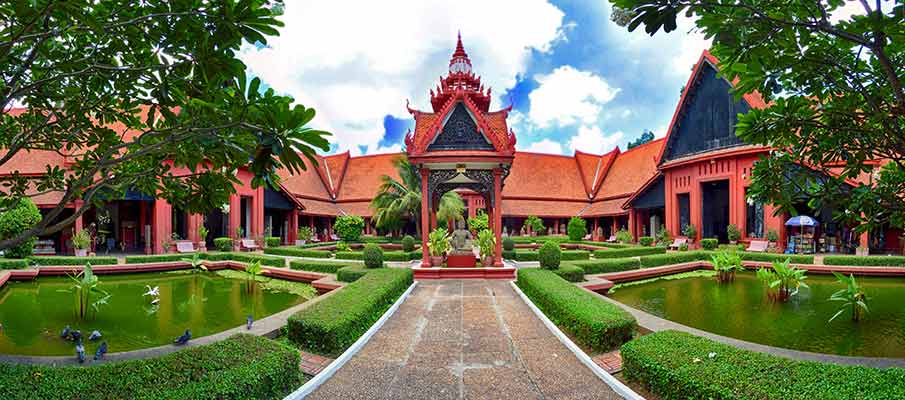
- Phnom Penh’s museums play a vital role in preserving and educating visitors about Cambodia’s history. The Royal Palace and National Museum exhibit royal treasures, ancient artifacts, and Khmer art, providing insights into the country’s rich cultural legacy. The Tuol Sleng Genocide Museum and Choeung Ek Killing Fields serve as somber reminders of the Khmer Rouge era, offering a space for reflection and remembrance.
- In summary, Phnom Penh’s history is characterized by its rise from a humble village to a thriving capital city, while its culture is a captivating tapestry of ancient traditions, religious practices, and artistic expressions. The city’s historical sites, vibrant markets, and cultural experiences provide visitors with a deeper understanding of Cambodia’s past and present.
Phnom Penh: A Dynamic Economic Hub of Cambodia.
-
- Phnom Penh, the capital city of Cambodia, has emerged as a dynamic economic hub in Southeast Asia. With a diverse range of industries, favorable investment climate, and infrastructure development, the city plays a crucial role in driving the country’s economic growth.
- Phnom Penh’s economy is powered by sectors such as finance, manufacturing, tourism, and real estate. The city hosts numerous financial institutions, attracting investments and contributing to financial stability. Manufacturing, particularly garment and textile production, fuels economic growth and generates employment opportunities. The tourism sector, with its cultural attractions and vibrant markets, contributes significantly to the local economy.
- Foreign investment has played a vital role in Phnom Penh’s economic development, with investments from countries like China, South Korea, and Japan driving infrastructure projects and transforming the city’s skyline. The presence of Special Economic Zones has facilitated industrial growth and export-oriented production.
- Entrepreneurship and start-ups thrive in Phnom Penh, supported by a growing ecosystem of incubators and co-working spaces. The city’s infrastructure development, including transportation networks and improved connectivity, enhances economic activities and trade. Phnom Penh’s young and growing workforce, coupled with efforts to improve education and vocational training, further fuels economic progress. The city’s economic vitality promises a future filled with growth and opportunities.
Book Your Stay in Phnom Penh ➜
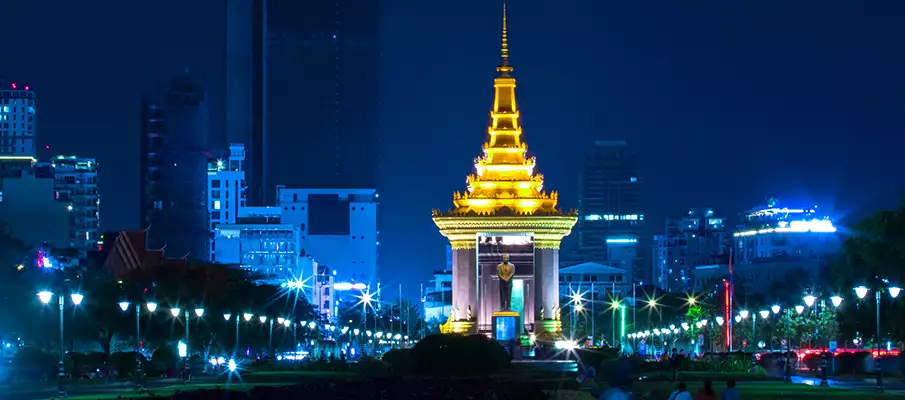
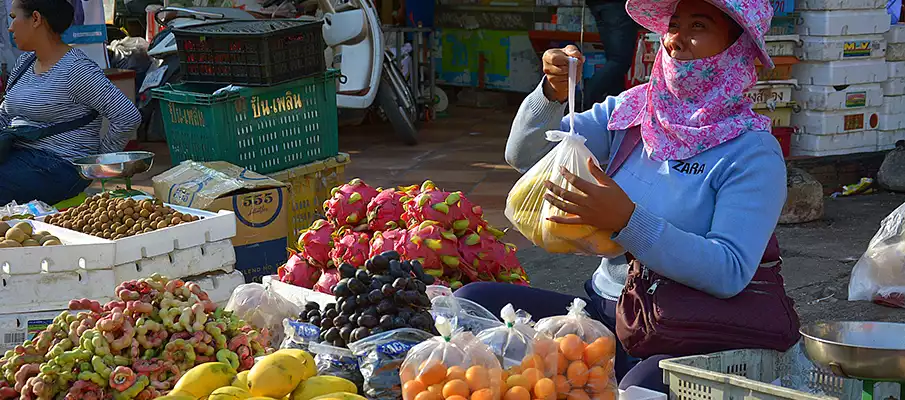
Discover Phnom Penh: Unveiling Cambodia’s Cultural Treasures.
-
- Phnom Penh, the captivating capital of Cambodia, is a treasure trove of cultural wonders. From historical landmarks to bustling markets and tantalizing cuisine, the city offers a delightful blend of experiences for every traveler. Immerse yourself in Cambodia’s rich history by visiting iconic sites such as the Royal Palace and Silver Pagoda. These architectural marvels showcase the grandeur of the country’s royal heritage. For a deeper understanding of Cambodia’s past, pay tribute to the victims of the Khmer Rouge regime at the Tuol Sleng Genocide Museum and Choeung Ek Killing Fields.
- Explore vibrant markets like the Central Market and the Russian Market, where you can haggle for traditional textiles, exquisite handicrafts, and unique souvenirs. Indulge your taste buds in the city’s diverse culinary scene, sampling Khmer delicacies such as fish amok and savoring the flavors of street food favorites like nom banh chok.
- Witness the grace and beauty of Khmer culture through traditional dance performances, where intricate costumes and graceful movements bring ancient stories to life. Take a leisurely stroll along the riverside promenade, enjoying picturesque views of the Mekong and Tonle Sap rivers.
- Engage with local communities through sustainable tourism initiatives, supporting local artisans and experiencing rural life through homestays or village tours. Phnom Penh is a captivating destination that reveals Cambodia’s cultural treasures, allowing you to create unforgettable memories and gain a deeper appreciation for this enchanting country.
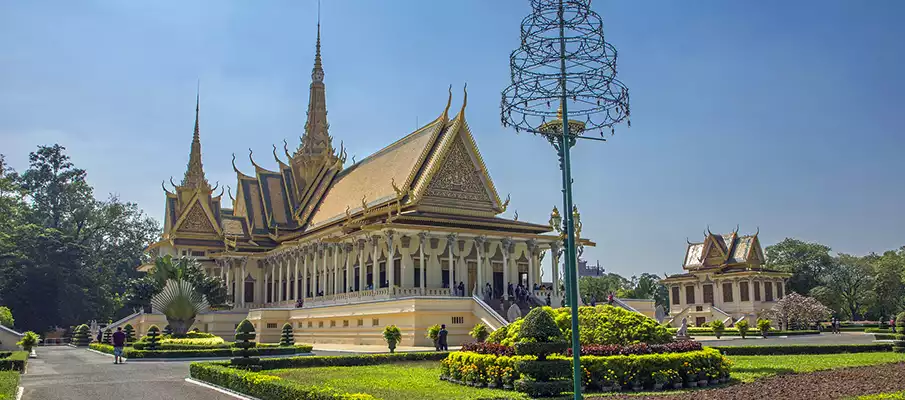
The Royal Palace: A Majestic Jewel in Phnom Penh.
-
- The Royal Palace in Phnom Penh stands as a majestic symbol of Cambodia’s rich cultural heritage. Located along the banks of the tranquil Tonle Sap River, this architectural masterpiece is a must-visit destination for travelers seeking a glimpse into the country’s royal legacy.
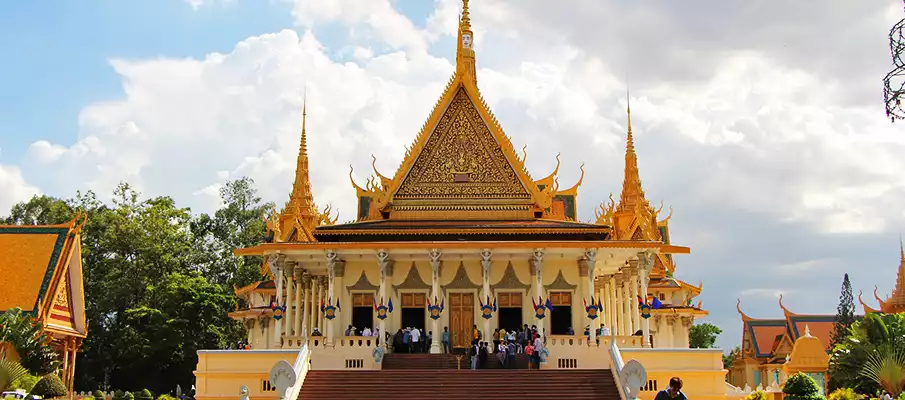
- The Royal Palace complex, constructed in the mid-19th century, serves as the official residence of the King of Cambodia. It is a striking blend of traditional Khmer architectural elements and French colonial influences, boasting intricate designs, ornate spires, and golden accents that dazzle visitors.
- The main highlight of the Royal Palace is the Throne Hall, known as the Preah Tineang Tevea Vinichhay. This grand hall, used for official ceremonies and royal functions, showcases opulent decor and exquisite craftsmanship. Its interior is adorned with intricate murals depicting mythological stories from Khmer history.
- Adjacent to the Throne Hall is the Silver Pagoda, locally known as Wat Preah Keo Morokat. This revered temple houses a stunning collection of Buddhist artifacts, including a life-sized gold Buddha statue adorned with over 9,000 diamonds. The floor of the Silver Pagoda is covered with gleaming silver tiles, lending the temple its name and an aura of opulence.
- Exploring the Royal Palace grounds reveals lush gardens, manicured lawns, and tranquil courtyards that provide a serene ambiance amidst the bustling city. Visitors can admire various buildings within the complex, such as the Moonlight Pavilion and the Royal Treasury, each offering unique architectural features and historical significance. While visiting the Royal Palace, it is essential to dress modestly and respectfully, covering the shoulders and knees as a sign of respect for Cambodian culture and religious customs.
BOOK a TOUR / ACTIVITY in Phnom Penh ➜

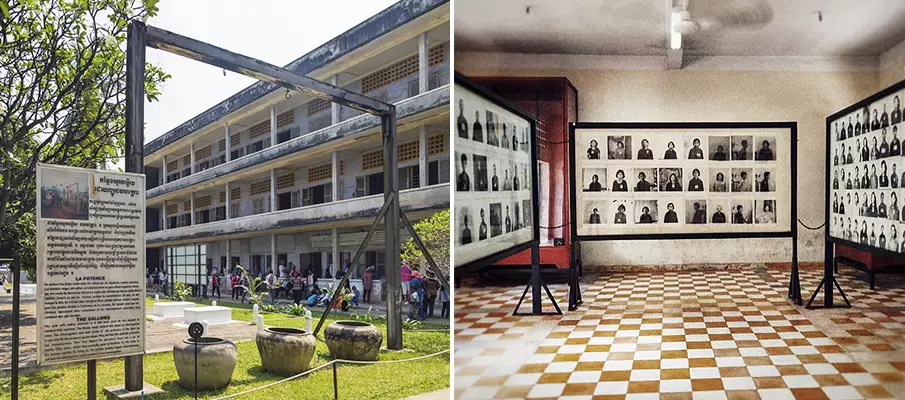
Tuol Sleng Genocide Museum in Phnom Penh.
Nestled in the heart of Cambodia’s bustling capital city, Phnom Penh, the Tuol Sleng Genocide Museum stands as a haunting reminder of the country’s dark history. Originally a high school, this inconspicuous-looking complex became one of the most notorious sites of human suffering during the Khmer Rouge regime, and today, it serves as a somber testament to the resilience of the Cambodian people.
The Origins of Tuol Sleng
-
- Formerly known as Tuol Svay Prey High School, Tuol Sleng became an integral part of the Khmer Rouge’s brutal regime between 1975 and 1979. Led by Pol Pot, the Khmer Rouge sought to create an agrarian utopia by forcibly relocating and subjecting the population to hard labor, torture, and mass killings. Tuol Sleng was repurposed as Security Prison 21 (S-21), a place where perceived enemies of the state were detained, interrogated, and often subjected to unspeakable torture.
The Museum Today
-
- Walking through the gates of Tuol Sleng, visitors are met with chilling photographs of prisoners who once languished within its walls. The museum aims to preserve the memory of the victims and educate the world about the horrors that transpired here. The walls bear witness to the suffering endured, as rusty iron beds, crude instruments of torture, and personal artifacts of victims tell a harrowing story.
- One of the most moving exhibits at Tuol Sleng is the display of the thousands of photographs of the prisoners taken during their imprisonment. These haunting images serve as an attempt to humanize the victims and remind us of the lives lost during this dark period of Cambodian history.
The Resilience of the Cambodian People
-
- Despite its dark past, Tuol Sleng Genocide Museum serves as a testament to the strength and resilience of the Cambodian people. Cambodia has emerged from the shadow of the Khmer Rouge and worked diligently to rebuild the nation, both physically and emotionally. Visiting Tuol Sleng, one cannot help but be struck by the sense of hope that prevails. The museum not only serves as a place of remembrance but also as a center for reconciliation. Cambodia has made great strides in healing its wounds and seeking justice for the victims of this horrific chapter in its history.
The Mekong River: Phnom Penh’s Lifeline and Natural Spectacle.
-
- Flowing majestically through the heart of Phnom Penh, the Mekong River holds a special place in Cambodia’s landscape and culture. As one of the longest rivers in Southeast Asia, the Mekong is not only a lifeline for the city but also a captivating natural spectacle that enchants visitors.
- The Mekong River, known as the “Mother of Water”, traverses six countries, including Cambodia. Its significance extends beyond its breathtaking beauty, as it plays a vital role in the livelihoods of millions of people who depend on its waters for fishing, transportation, and irrigation.
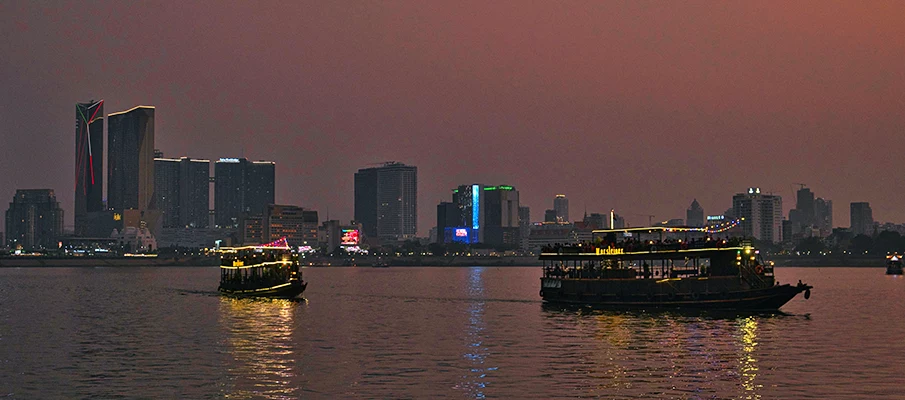
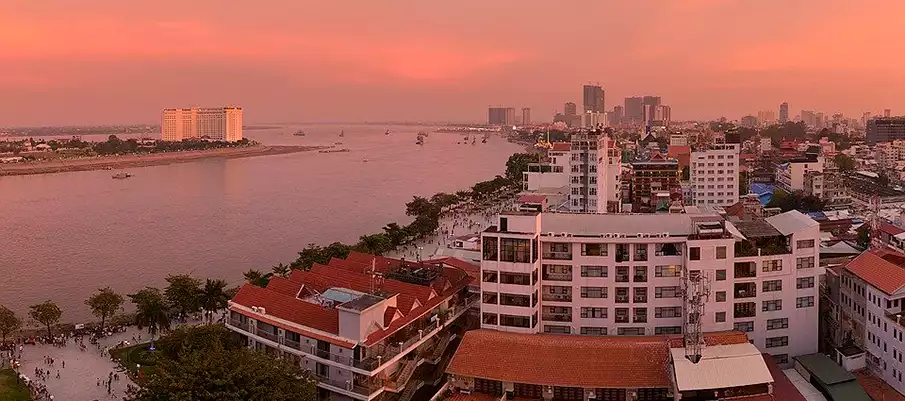
- Phnom Penh’s riverside promenade offers a picturesque setting to appreciate the magnificence of the Mekong. Take a leisurely stroll along the promenade, enjoying panoramic views of the river and witnessing the ebb and flow of daily life along its banks. The vibrant atmosphere, with food vendors, street performers, and locals engaging in leisurely activities, creates a charming ambiance unique to Phnom Penh.
- Cruising along the Mekong River is a popular activity for visitors. Embark on a boat tour to explore the river’s diverse ecosystem, passing floating villages, lush mangrove forests, and scenic landscapes. Learn about the importance of the river to the local communities, witness traditional fishing techniques, and immerse yourself in the rhythms of river life.
Independence Square in Phnom Penh: A Symbol of National Pride.
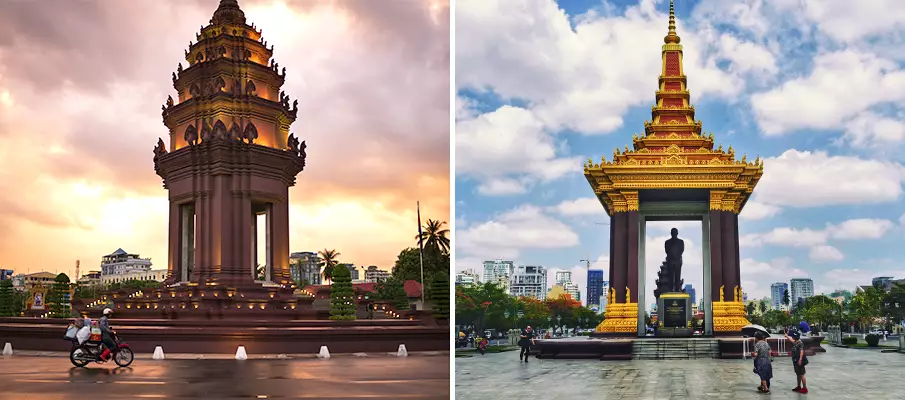
Independence Square, situated in the heart of Phnom Penh, Cambodia’s bustling capital city, stands as a proud symbol of the nation’s struggle for freedom and independence. This historic square, known locally as “Preah Suramarit Boulevard,” holds a special place in the hearts of Cambodians, and it is a must-visit destination for anyone exploring the rich tapestry of Cambodian history and culture.
-
- A Monument of Liberation: At the center of Independence Square, visitors are greeted by the towering Independence Monument, an architectural masterpiece that pays homage to Cambodia’s independence from French colonial rule in 1953. The monument’s design, shaped like a lotus-shaped stupa, incorporates elements of traditional Khmer artistry and symbolism.
- Architectural Marvel: Designed by the renowned Cambodian architect Vann Molyvann, the Independence Monument has become a symbol of the nation’s resilience. This iconic structure is adorned with intricately carved bas-reliefs, depicting scenes from Cambodia’s history and culture. As the sun sets, the monument is elegantly illuminated, creating a captivating and patriotic atmosphere that draws both locals and tourists alike.
- A Place of Reflection: Independence Square is not only a tribute to Cambodia’s struggle for sovereignty but also a place of reflection and peaceful contemplation. It’s a serene space where people gather to pay their respects to the heroes who fought for Cambodia’s independence and those who continue to serve their nation with unwavering dedication.
- National Celebrations: Independence Square also serves as the focal point for numerous national celebrations and events. On Independence Day (November 9), it becomes the center of vibrant parades, colorful processions, and patriotic gatherings that showcase Cambodia’s rich cultural heritage. The square is also a gathering place for other significant national holidays and ceremonies, making it a living testament to Cambodia’s proud history.
- Surrounding Splendor: The square is surrounded by a lush green park, offering a tranquil oasis amid the urban hustle and bustle of the city. The park is a popular spot for locals and visitors to relax, take leisurely walks, and enjoy the shade of the trees. There are benches where you can sit and watch daily life in the capital unfold.
Exploring the Vibrant Markets of Phnom Penh:
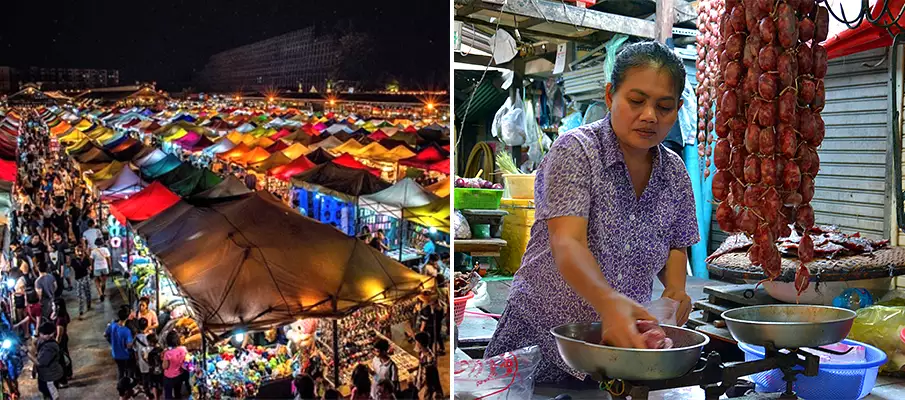
Phnom Penh, the bustling capital of Cambodia, is a city that never sleeps. One of the most enchanting aspects of this Southeast Asian metropolis is its bustling marketplaces. These vibrant markets offer a window into the local culture, where you can find everything from traditional crafts to mouthwatering street food. Here’s a glimpse into some of the best markets that should be on your must-visit list when in Phnom Penh.
-
- Phnom Penh Night Market (Phsar Reatrey): If you’re looking for a shopping experience that continues into the evening, Phsar Reatrey, or the Night Market, is the answer. Located along the scenic Tonle Sap River, this market comes alive after sunset, offering an array of handicrafts, clothing, and accessories. Enjoy a leisurely stroll and dine at the riverfront restaurants while taking in the mesmerizing views of the city skyline.
-
- Central Market (Phsar Thmey): Located in the heart of the city, Central Market is an iconic landmark with its distinctive Art Deco architecture. This bustling market is a treasure trove of goods, ranging from jewelry and clothing to electronics and souvenirs. Be prepared to haggle with friendly vendors as you explore the labyrinthine aisles. Central Market is also a culinary hotspot, offering an array of local snacks and fresh produce.
-
- Russian Market (Tuol Tom Poung Market): The Russian Market, known locally as “Psar Toul Tom Poung,” is the place to go for authentic Cambodian and international merchandise. You can discover traditional silk textiles, handmade jewelry, antiques, and a variety of second-hand items. The market is an ideal spot for collectors and those looking for unique gifts. While you shop, don’t forget to indulge in some delectable street food and immerse yourself in the bustling atmosphere.
-
- Olympic Market (Psar Olympique): Olympic Market is a true treasure trove for those seeking affordable clothing, textiles, and fabrics. This multi-story market is a favorite among locals and expatriates for its extensive selection of clothing and tailoring services. Whether you’re in need of stylish clothing or custom-made garments, you’ll find it here at reasonable prices.
-
- Orussey Market (Phsar Orussey): If you’re on the hunt for fresh produce and ingredients to cook up a Cambodian feast, look no further than Orussey Market. This bustling market is a food lover’s paradise, with stalls overflowing with colorful fruits, vegetables, and an array of spices. The market’s vibrant atmosphere and friendly vendors make it a captivating experience for all.
Why to visit or not to visit Phnom Penh?
It’s important to note that Phnom Penh’s charms outweigh its challenges, and many travelers find the city’s cultural richness, friendly locals, and historical significance well worth the visit. With an open mind and a spirit of adventure, Phnom Penh offers a unique and rewarding experience that reveals the heart and soul of Cambodia.
👉 Reasons to visit Phnom Penh:
-
- Rich History: Phnom Penh boasts a fascinating historical background, with iconic landmarks like the Royal Palace and the National Museum offering insights into Cambodia’s royal heritage and ancient civilization.
- Cultural Delights: Immerse yourself in Khmer culture by attending traditional dance performances, exploring vibrant markets, and savoring delectable Khmer cuisine, showcasing a unique blend of flavors and spices.
- Warm Hospitality: Experience the genuine warmth and friendliness of the Cambodian people, who are known for their welcoming nature and genuine smiles, making you feel right at home.
- Charming Riverside Promenade: Take leisurely walks along the riverside promenade, enjoying picturesque views of the Mekong River and Tonle Sap River, while indulging in street food and observing the vibrant local scene.
- Cultural Resilience: Phnom Penh’s resilient spirit is evident in its recovery from a troubled past. Engage with the city’s history and witness the strength of its people as they rebuild their lives and embrace a brighter future.
👉 Reasons not to visit Phnom Penh:
-
- Intense Urban Environment: Phnom Penh is a bustling capital city, which may be overwhelming for those seeking a more tranquil or nature-oriented getaway.
- Traffic Congestion: The city’s roads can be congested, especially during peak hours, which might pose challenges for travelers looking for seamless transportation options.
- Historical Significance: While Phnom Penh offers a rich historical experience, some of the historical sites, such as the Killing Fields and the Genocide Museum, may be emotionally challenging for some visitors.
- Cultural Sensitivity: Travelers should be mindful of local customs and traditions, including appropriate dress codes when visiting religious sites and respecting cultural norms to ensure a positive and respectful experience.
Phnom Penh’s Culinary Delights: A Gastronomic Journey.
Phnom Penh, the vibrant capital of Cambodia, is a haven for food enthusiasts seeking to tantalize their taste buds with a diverse array of flavors and culinary delights. The city’s food scene showcases the rich tapestry of Khmer cuisine, influenced by its neighboring countries and shaped by its unique cultural heritage.
-
- Khmer Cuisine: Indulge in the authentic flavors of Khmer cuisine, characterized by a harmonious blend of fresh herbs, aromatic spices, and bold flavors. Must-try dishes include fish amok, a fragrant curry dish made with fish and coconut milk, and lok lak, a flavorful stir-fried beef dish served with rice.
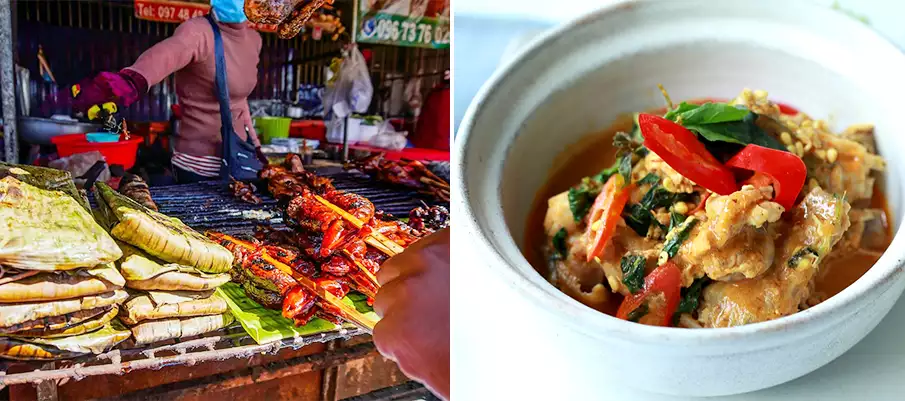
- Street Food Delights: Embark on a culinary adventure through Phnom Penh’s bustling streets, where street food stalls offer an array of delectable treats. Sample delights like nom banh chok, a traditional Khmer noodle dish served with fresh herbs and fish-based curry sauce, or try the popular Khmer barbecue known as “ping.”
- Fresh Seafood: With its proximity to the Mekong River and Tonle Sap Lake, Phnom Penh boasts an abundance of fresh seafood. Feast on grilled river fish, prawns, and squid, served with zesty dipping sauces, for a delightful seafood experience.
- International Cuisine: Phnom Penh’s cosmopolitan nature is reflected in its diverse dining scene. From trendy cafes serving up artisanal coffee to international restaurants offering a wide range of cuisines, including Thai, Vietnamese, Chinese, French, and more, there is something to satisfy every palate.
- Fruit Shakes and Tropical Delights: Quench your thirst with refreshing fruit shakes made from an array of tropical fruits, such as mango, dragon fruit, and passionfruit. Don’t miss the opportunity to try Cambodia’s famous durian, known as the “king of fruits,” and explore other exotic tropical fruits available in the local markets.
- Market Exploration: Immerse yourself in the vibrant atmosphere of Phnom Penh’s markets, such as the Central Market and the Russian Market, where you can sample local snacks, tropical fruits, and street food specialties. Be adventurous and try unique delicacies like fried insects, a popular street food option for the more adventurous eaters.
- Fine Dining Experiences: Phnom Penh is home to a thriving fine dining scene, with upscale restaurants offering innovative fusion cuisine and contemporary interpretations of traditional Khmer dishes. Treat yourself to a memorable dining experience at one of the city’s renowned establishments.
✈️ How to get and travel to Phnom Penh?
Phnom Penh, the capital city of Cambodia, is well-connected and easily accessible for travelers. Whether you’re arriving by air, land, or water, here are some tips on how to get to Phnom Penh and navigate the city:
-
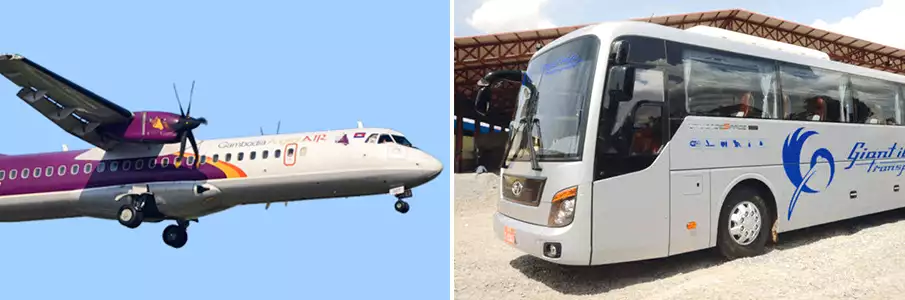
- By Air: Techo International Airport (KTI) in Phnom Penh (opened in September 2025) is the main gateway to the city, serving both domestic and international flights. Many major airlines offer direct flights to Phnom Penh from various cities around the world. From the airport, you can take a taxi, ride-share service, or arrange for a hotel pick-up to reach your accommodation in the city center.
- By Bus / Van: Phnom Penh is well-connected to neighboring countries, allowing for convenient overland travel. Several bus companies operate routes to and from Phnom Penh, making it easy to travel from cities like Bangkok (Thailand), Ho Chi Minh City (Vietnam), and Siem Reap (home to the iconic Angkor Wat temples).
-
- By Train: You can travel from Poipet, Battambang or Sihanoukville (+Kep, Kampot) by train of Royal Railway.
-
- By Boat: For a unique and scenic travel experience, you can reach Phnom Penh by boat along the Mekong River. There are riverboat services available from cities like Siem Reap and Battambang, allowing you to enjoy the picturesque landscapes and get a glimpse of riverside life. You can also travel by boat from Chau Doc in Vietnam.
- Within the City: Getting around Phnom Penh is relatively straightforward, with various transportation options available:
- Tuk-tuks: Tuk-tuks are a popular mode of transportation in Phnom Penh. These three-wheeled vehicles provide an affordable and convenient way to travel short distances within the city. Negotiate the fare before getting in.
- Taxis: Metered taxis are available in Phnom Penh, offering a more comfortable and convenient option for getting around. Ensure the meter is turned on or negotiate the fare beforehand.
- Ride-Share Services: Ride-hailing apps like Grab are widely used in Phnom Penh, providing convenient and reliable transportation options. Simply download the app and request a ride using your smartphone.
- Motorbike Taxis: For shorter trips or navigating through traffic, you can opt for motorbike taxis, known as “motodops.” Ensure you have appropriate safety gear and negotiate the fare before starting your journey.
- Bicycles and Walking: Phnom Penh’s city center is relatively compact and walkable, making it enjoyable to explore on foot. You can also rent bicycles to move around at a leisurely pace and discover the city’s hidden gems.
-
- You can book tickets / flights to Phnom Penh in Cambodia on Baolau ➜ or 12go.asia ➜.
☀️ Weather in Phnom Penh + The best time to visit:
Phnom Penh, the vibrant capital of Cambodia, experiences a tropical monsoon climate, characterized by distinct wet and dry seasons. The weather in Phnom Penh is generally warm and humid throughout the year, with temperatures ranging from 25°C to 35°C (77°F to 95°F). Here’s a breakdown of the seasons and the best time to visit Phnom Penh:
-
- Dry Season (November to April): The dry season in Phnom Penh extends from November to April and is considered the best time to visit. During this period, the weather is typically sunny, with lower humidity and minimal rainfall. The temperatures are pleasant, making it comfortable for outdoor activities and exploring the city’s attractions. This is also the peak tourist season, so expect larger crowds and higher accommodation rates, especially around major holidays like Christmas and New Year.
- Hot Season (April to June): The hot season in Phnom Penh occurs from April to June when temperatures can soar, reaching highs of around 35°C (95°F) or higher. Humidity levels are also high during this period, making it feel hotter. If you can tolerate the heat, visiting during this time allows for fewer crowds and lower hotel rates. It’s advisable to stay hydrated and seek shade during the hottest parts of the day.
- Rainy Season (June to October): The rainy season in Phnom Penh spans from June to October, with July, August, and September experiencing the highest rainfall. During this time, the city experiences frequent showers and occasional thunderstorms. While the rain can be heavy, it usually doesn’t last all day, and you can still enjoy sightseeing between showers. The lush green landscapes and lower tourist numbers make it an attractive time for budget travelers. However, be prepared for potential disruptions due to heavy rain.
The best time to visit Phnom Penh is during the dry season, particularly from November to February, when the weather is most pleasant for exploring the city’s attractions, such as the Royal Palace, National Museum, and riverside promenade. March and April are also good months to visit if you can tolerate the heat. If you don’t mind occasional rain showers and want to experience Phnom Penh in a more relaxed atmosphere, the rainy season can offer unique opportunities, such as witnessing the vibrant greenery and enjoying discounted rates.
| Month | Weather | Description |
|---|---|---|
| January | Cool & Dry | One of the best months to visit, with pleasant weather for sightseeing and river walks. |
| February | Cool & Dry | Sunny and comfortable conditions are ideal for exploring temples, markets and museums. |
| March | Warm & Dry | Temperatures rise, but it’s still a great time for sightseeing and boat trips. |
| April | Hot & Dry | The hottest month, best explored during the cooler morning and evening hours. |
| May | Hot & Wet | Humidity increases and afternoon showers become more common. |
| June | Hot & Wet | Frequent rain keeps the city green, with fewer tourists than the dry season. |
| July | Hot & Wet | Expect tropical showers mixed with sunny periods and warm temperatures. |
| August | Hot & Wet | Regular rainfall rarely lasts all day, leaving time for sightseeing. |
| September | Hot & Wet | One of the wettest months, with lush scenery and fewer visitors. |
| October | Warm & Wet | Rainfall gradually decreases as the dry season approaches. |
| November | Cool & Dry | Excellent weather makes November one of the best months to visit Phnom Penh. |
| December | Cool & Dry | Sunny days and pleasant temperatures are perfect for exploring the city. |
🏡 Accommodation in Phnom Penh / Where to Stay:
Phnom Penh, the capital city of Cambodia, offers a variety of accommodation options to suit different preferences and budgets. Here are some popular accommodation options in Phnom Penh:
-
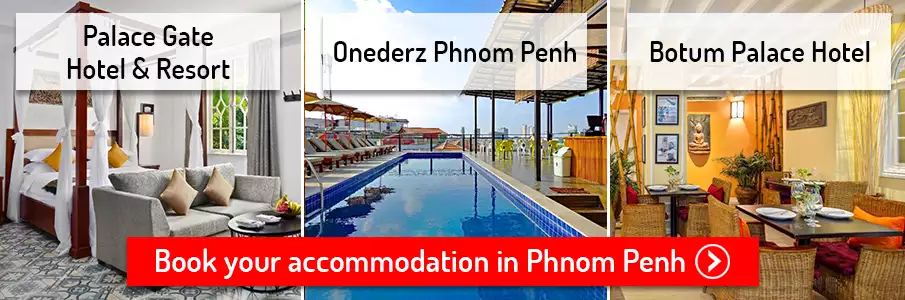
- Hotels: Phnom Penh boasts a wide range of hotels, from budget-friendly options to luxury establishments. In areas like Riverside and BKK1 (Boeung Keng Kang 1), you’ll find upscale hotels with modern amenities, rooftop pools, spas, and panoramic city views. There are also boutique hotels that offer a more intimate and unique experience.
- Guesthouses: Guesthouses are a popular choice for budget travelers and backpackers. They provide affordable accommodation with basic amenities such as private or shared rooms, common areas, and sometimes communal kitchens. Guesthouses are often located in popular areas like Riverside and the BKK1 neighborhood.
- Hostels: If you’re looking for a social and affordable option, hostels are a great choice. Phnom Penh has numerous hostels that offer dormitory-style rooms and private rooms. Many hostels have communal spaces, bars, and organized activities, making it easy to meet fellow travelers and explore the city together.
- Serviced Apartments: For longer stays or travelers who prefer a more independent setup, serviced apartments are available in Phnom Penh. These apartments come with amenities like kitchenettes, living areas, and housekeeping services. They offer a comfortable and home-like environment for those seeking a self-catering accommodation option.
- Guest Suites and Homestays: For a more authentic and immersive experience, consider staying in a guest suite or homestay. These options allow you to stay with local families or in private residences, providing an opportunity to interact with locals and learn about Cambodian culture firsthand.
➜ Accommodation in Phnom Penh – Book Here
📍 Best Places to Visit & Things to Do in Phnom Penh
- Royal Palace & Silver Pagoda: Admire Cambodia’s royal residence and beautiful Khmer architecture.
- Tuol Sleng Genocide Museum: Learn about Cambodia’s tragic Khmer Rouge history.
- Killing Fields of Choeung Ek: Visit the country’s most important memorial site.
- National Museum of Cambodia: Discover Khmer art, sculptures and historical artifacts.
- Central Market: Shop for souvenirs, jewelry, clothing and local food.
- Riverside Promenade: Enjoy river views, cafés and evening walks.
- Wat Phnom: Visit Phnom Penh’s famous hilltop Buddhist temple.
- Russian Market: Browse handicrafts, clothing and Cambodian street food.
- Phnom Tamao Wildlife Rescue Center: See rescued wildlife while supporting conservation.
- Oudong: Explore Cambodia’s former royal capital and hilltop temples.
- Independence Monument: A landmark celebrating Cambodia’s independence.
- Phnom Penh Night Market: Enjoy street food, shopping and live entertainment.
- Wat Ounalom: One of Cambodia’s most important Buddhist monasteries.
- Street 240: Browse art galleries, boutiques and stylish cafés.
- Wat Botum Park: Relax in peaceful gardens near the Royal Palace.
- Cambodian Living Arts: Watch traditional Khmer dance and music performances.
- Sunset Mekong Cruise: Enjoy panoramic river views at sunset.
❓ Frequently Asked Questions & Tips for Phnom Penh
How to book tickets or flights to Phnom Penh?
When is the best time to visit Phnom Penh?
The best time is from November to March, when the weather is cooler and mostly dry.
What are the top attractions in Phnom Penh?
Visit the Royal Palace, National Museum, Tuol Sleng, Killing Fields and Central Market.
Where can I try local street food?
Street food is available at local markets, Riverside and on guided food tours.
How do I get around Phnom Penh?
Use tuk-tuks, taxis, Grab or walk between many central attractions.
Are there good day trips from Phnom Penh?
Popular trips include Oudong, Phnom Chisor, Tonle Bati and Koh Dach.
Which markets are worth visiting?
Central Market, Russian Market and the Night Market are the most popular.
Can I watch traditional Khmer performances?
Yes. Enjoy Apsara dance, Khmer music and cultural performances across the city.
What are the best family-friendly activities?
Families enjoy Phnom Tamao, the Royal Palace, museums and local markets.
Is Phnom Penh safe at night?
Yes, but stay in busy areas, avoid displaying valuables and use tuk-tuks or taxis.
Can I use US Dollars in Phnom Penh?
Yes. US Dollars and Cambodian Riel are both widely accepted, and cards work in many places.
Where can I travel from Phnom Penh?
Popular routes lead to Siem Reap, Sihanoukville, Kampot and Ho Chi Minh City.
What currency is used in Cambodia?
The official currency is the Cambodian Riel (KHR), although US Dollars are widely accepted.


Koh Rong – Travel Guide|Saigon – Travel Guide|What to bring from Vietnam|Phu Quoc – Travel Guide|Hanoi Old Quarter|Con Dao – Travel Guide