

ℹ️ Information – Hoi An
✈️ How to get to Hoi An
☀️ Weather in Hoi An
🏡 Where to stay in Hoi An
🔍 Sightseeing in Hoi An
❓ FAQ + Travel Tips + Info
🎫 Book a Tour in Hoi An
🎫 Book Ticket to Hoi An
Quick answer: Hội An is a charming, lantern-lit ancient town in central Vietnam with rich history, delicious food, and a relaxed vibe. You can stroll its old streets, ride a bike through rice paddies, enjoy a boat ride on the river, and discover both cultural sites and nearby beaches.
At a glance:
- 🌉 Historic Old Town: Walk through narrow lanes, see the iconic Japanese Bridge.
- 🏯 Heritage Buildings: Visit traditional merchant houses and the Museum of Trade Ceramics.
- 🛍️ Night Market & Lanterns: At night, the market by the river glows with lanterns — perfect for food and crafts.
- 🚲 Explore by Bike: Riding through rice fields and nearby villages is relaxing and scenic.
- 🏖️ Beaches: Short ride to An Bang Beach or Cửa Đại Beach for sunshine and sea.
- 🌿 Rural Life: Visit Tra Que Vegetable Village to see farming life and try fresh herbs.
- 🎨 Art & Craft: Visit Kim Bồng woodworking village for traditional Vietnamese carpentry.
- 🍜 Food: Don’t miss cao lầu noodles, white rose dumplings, and banh mi — all local specialties.
- 🕰️ Best Time to Visit: Visit in the dry season (Feb–Aug) for pleasant weather and fewer floods.
Last updated in November 2025
Location and Geography of Hoi An:
-
- Hoi An Ancient Town is situated approximately 30 kilometers south of the city of Da Nang and about 60 kilometers southeast of the ancient imperial city of Hue. The town’s location on the coast and its proximity to the major cities of Da Nang and Hue make it easily accessible to tourists. Visitors can reach Hoi An by plane, with flights landing at Da Nang International Airport, or by bus or train from other parts of Vietnam.
- The geography of Hoi An Ancient Town is characterized by a flat coastal plain, which is traversed by numerous rivers and canals. The town itself is situated on the banks of the Thu Bon River, which flows into the East Sea. The river has played an important role in the town’s history, serving as a transportation route for goods and people and as a source of livelihood for the local fishing communities.
-
- Today, Hoi An Ancient Town’s location and geography continue to attract visitors from all over the world. The town’s well-preserved historic architecture, tranquil riverside setting, and vibrant cultural scene make it a unique and unforgettable destination. Whether you’re interested in exploring the town’s ancient temples and pagodas, sampling local cuisine, or simply soaking up the atmosphere of this charming town, Hoi An Ancient Town is a must-visit destination in Vietnam. And easily accessible from Da Nang city.
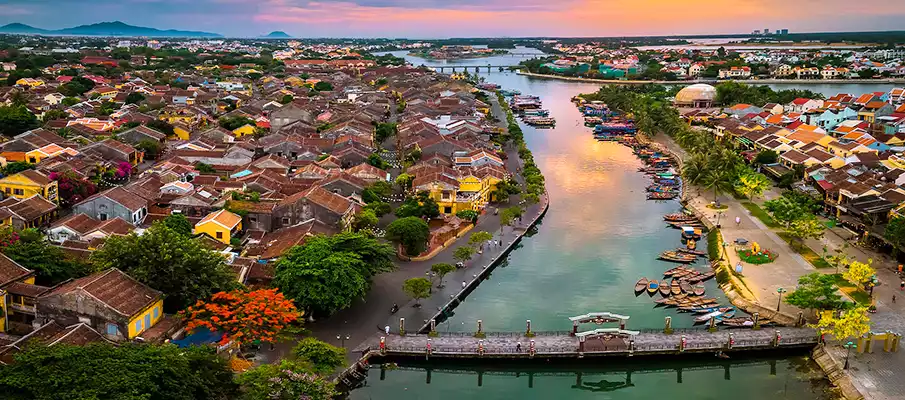
A long and fascinating History of Hoi An:
-
- Hoi An Ancient Town has a long and fascinating history that spans over a thousand years. The town’s strategic location on the Thu Bon River made it an important trading hub, attracting merchants from China, Japan, India, and Europe. The town’s earliest recorded history dates back to the 2nd century, when it was known as Lam Ap Pho, a small trading port for the Cham people.
- In the 16th and 17th centuries, Hoi An became a thriving commercial center, thanks to the arrival of European merchants and traders. Dutch, Portuguese, French, and British traders came to Hoi An to trade in silk, spices, and ceramics. The town was also an important center for the production of silk, and its artisans were renowned for their intricate embroidery and weaving.
- Hoi An’s prosperity declined in the 18th century, due to political instability and the silting of the Thu Bon River, which made the town’s port inaccessible to larger ships. The town’s importance as a trading center faded, and it was largely forgotten until the 20th century, when it was rediscovered by tourists and historians.
- Today, Hoi An’s rich history is reflected in its well-preserved historic architecture, which includes Chinese temples, Japanese pagodas, and French colonial buildings. The town’s historic sites have been carefully restored, and in 1999, Hoi An was declared a UNESCO World Heritage site for its unique blend of cultural influences.
Experience the Rich Cultural Heritage of Hoi An:
-
- The culture of Hoi An Ancient Town is a unique blend of Chinese, Japanese, and European influences, reflecting the town’s long history as a trading center and cultural melting pot. The town’s cultural heritage is evident in its well-preserved historic architecture, traditional festivals and celebrations, and local crafts and cuisine.
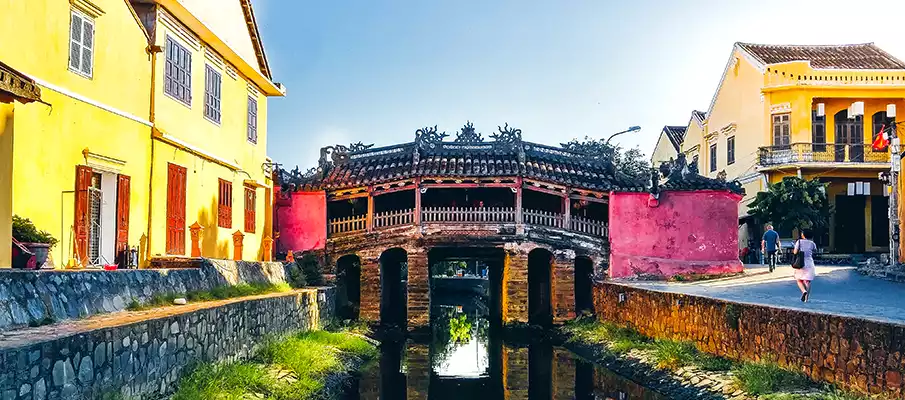
- Hoi An is home to a diverse range of cultural and religious traditions. The town has numerous temples and pagodas, including the 17th-century Chua Cau, a Japanese covered bridge that is considered a symbol of Hoi An. Visitors can also explore traditional wooden houses, which are characterized by their ornate carvings and beautiful gardens.
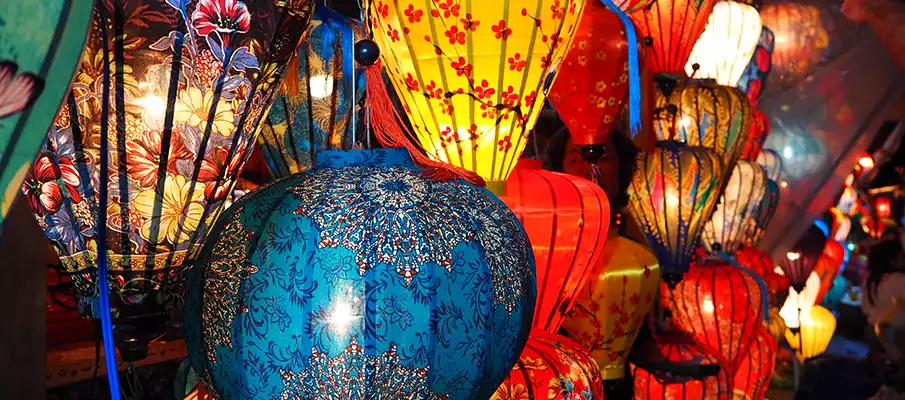
- One of the highlights of Hoi An’s cultural calendar is the Lantern Festival, which takes place on the 14th day of every lunar month. During the festival, the town’s streets are adorned with colorful lanterns, and visitors can take part in traditional activities such as lion dances and boat races.
- Hoi An is also known for its traditional crafts, including silk weaving, pottery, and lantern making. Visitors can see these crafts being made by local artisans and purchase unique souvenirs to take home.
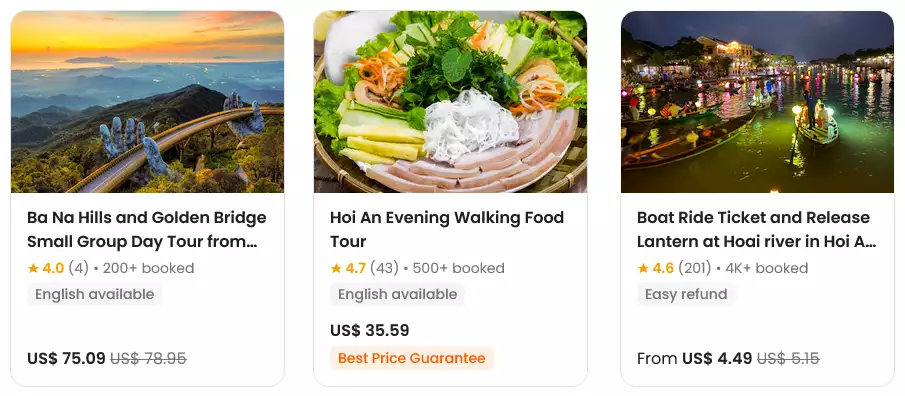
BOOK a TOUR / TICKETS in Hoi An ➜
Experience the Vibrant Festivals of Hoi An:
Hoi An Ancient Town is home to a number of festivals and events throughout the year, offering visitors a chance to experience the town’s vibrant culture and traditions. From traditional Lunar New Year celebrations to modern art festivals, there’s always something happening in Hoi An.
-
- One of the most popular festivals in Hoi An is the Lantern Festival, which takes place on the 14th day of every lunar month. During the festival, the town’s streets are adorned with colorful lanterns, and visitors can take part in traditional activities such as lion dances and boat races.
- Another important festival in Hoi An is Tet, the Lunar New Year celebration, which usually takes place in late January or early February. During Tet, the town is decorated with colorful flowers, and visitors can enjoy traditional food and participate in cultural activities such as calligraphy and lion dances.
- In August, Hoi An hosts the Mid-Autumn Festival, a traditional celebration that honors the moon and the harvest. During the festival, children carry colorful lanterns and enjoy traditional treats such as mooncakes.
- For art lovers, Hoi An hosts the Hoi An International Food Festival and the Hoi An Lantern Festival, which feature live music, dance performances, and food from around the world. The Hoi An Full Moon Festival is also a popular event, featuring cultural performances and traditional games.
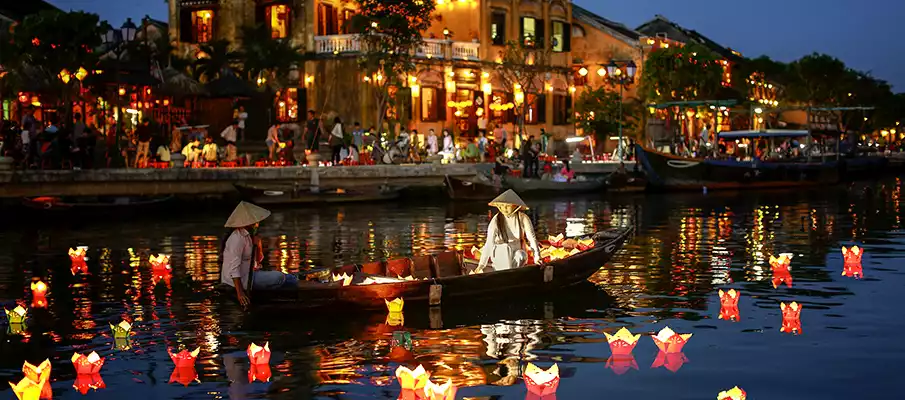
Discover the History and Beauty of Hoi An’s Lanterns:
-
- Hoi An is known for its colorful lanterns, which are an important part of the town’s cultural heritage. The tradition of making lanterns in Hoi An dates back hundreds of years and is believed to have originated from the Chinese influence in the town. Lanterns were used in the past to light up the streets and homes during the full moon festival and other important events. The lanterns were made by hand using bamboo frames and silk or cloth, which were then decorated with traditional designs and patterns.
-
- Today, lantern making is still an important craft in Hoi An, and visitors can see lanterns being made by local artisans and purchase them as souvenirs. The Lantern Festival, which takes place on the 14th day of every lunar month, is a popular event in Hoi An and features colorful lanterns adorning the streets and waterways. Overall, the tradition of lanterns in Hoi An is a testament to the town’s rich cultural heritage and the importance of preserving these traditions for future generations to appreciate and enjoy.
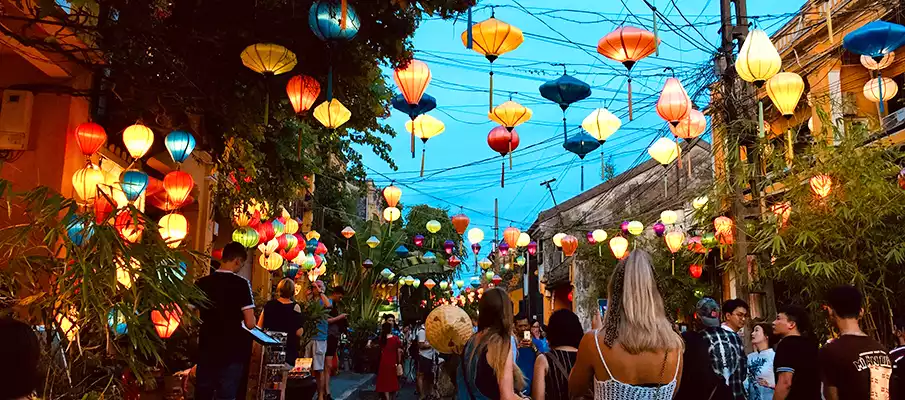
Tourism Drives Hoi An’s Economy: A Delicate Balance:
-
- Hoi An’s economy is driven by tourism, which has become a major source of income for the town’s residents. The town’s rich cultural heritage, ancient architecture, and beautiful landscapes have made it a popular destination for both domestic and international tourists.
- The town is home to many hotels, restaurants, and shops that cater to tourists, and there are also a number of businesses that specialize in traditional crafts such as lantern making, silk weaving, and pottery. Visitors to Hoi An can also take part in cooking classes, bike tours, and other activities that support the local economy.
- In recent years, there has been a push to develop sustainable tourism in Hoi An, with a focus on preserving the town’s cultural heritage and natural environment. This has included efforts to reduce plastic waste, promote responsible tourism practices, and encourage visitors to support local businesses and artisans.
- Overall, tourism has played a crucial role in Hoi An’s economic development, providing employment and income for many of the town’s residents. However, it’s important to balance economic growth with sustainable practices to ensure that Hoi An remains a beautiful and vibrant destination for generations to come.
Book your Accommodation in Hoi An ➜
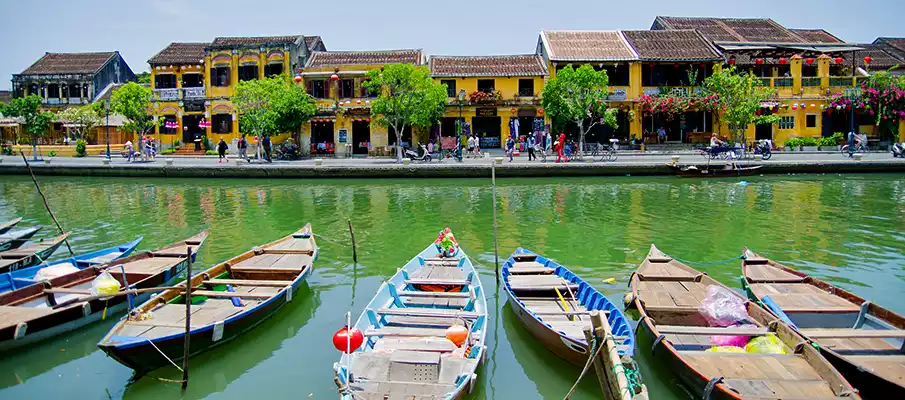
Discover the Beauty of Hoi An’s Tourism Scene:
-
- Tourism is the lifeblood of Hoi An, with millions of visitors coming from all over the world to experience the town’s rich culture, history, and natural beauty. Hoi An has been recognized as a UNESCO World Heritage site, and it’s not hard to see why.
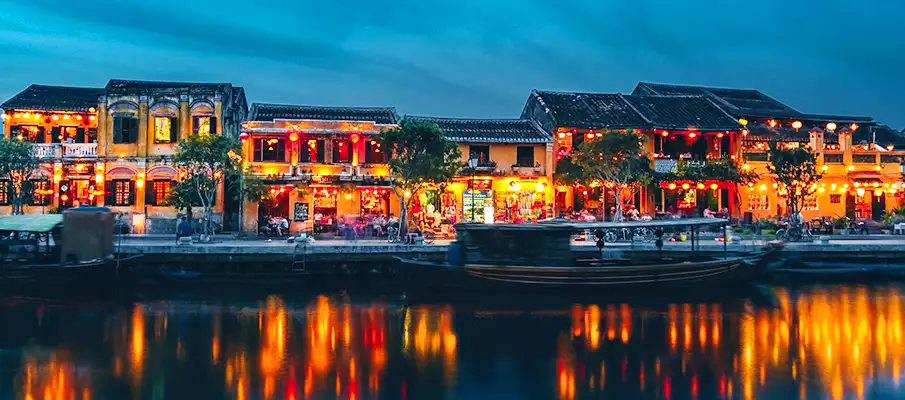
- Visitors to Hoi An can explore the town’s ancient architecture, from the iconic Japanese Covered Bridge to the colorful Chinese temples and shophouses. The town’s old streets are lined with lanterns, and the riverside is dotted with traditional boats that offer a glimpse into Hoi An’s past as a bustling port town.
- In addition to its cultural heritage, Hoi An is also a popular destination for food lovers. The town’s cuisine is a fusion of Vietnamese, Chinese, and European influences, and visitors can enjoy traditional dishes such as cao lau and banh mi, as well as fresh seafood and international cuisine.
- For those who enjoy the outdoors, Hoi An is surrounded by beautiful beaches, lush forests, and scenic countryside. Visitors can take part in activities such as biking, hiking, and kayaking, or simply relax on the beach.

Hoi An Memories Land: A Journey through Time.
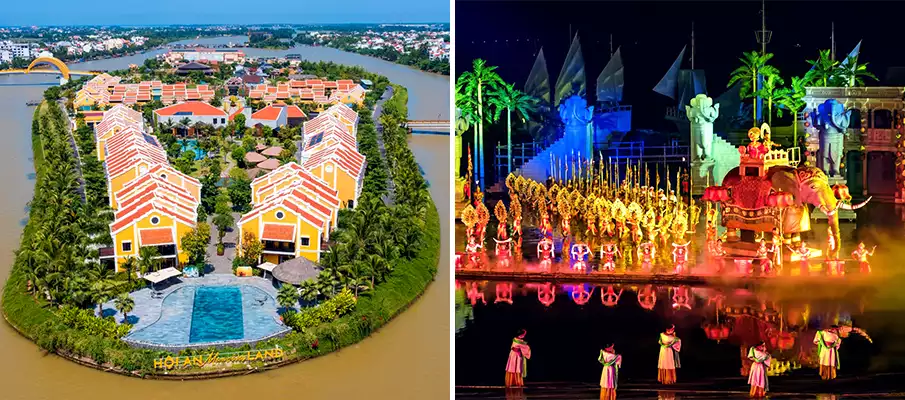
Nestled in the heart of the picturesque town of Hoi An, a captivating experience awaits those seeking to immerse themselves in the rich tapestry of history and culture. Hoi An Memories Land, a cultural theme park, is a dazzling showcase of the town’s vibrant past and traditions.
A Journey through Time: Hoi An Memories Land offers a unique opportunity to step back in time and witness the evolution of this charming town. As a UNESCO World Heritage Site, Hoi An boasts a legacy that dates back centuries, and this theme park encapsulates its essence beautifully.
The Attractions in Hoi An Memories Land:
-
- Lantern Garden: Upon entering Hoi An Memories Land, you are greeted by a mesmerizing display of lanterns, a symbol of the town’s enduring charm. These lanterns, which are synonymous with Hoi An, come alive in various colors, creating a magical ambiance.
- Historical Replicas: The park boasts detailed replicas of Hoi An’s most iconic landmarks. Stroll through ancient streetscapes, admire the intricate architecture, and learn about the town’s illustrious history. From the Japanese Covered Bridge to the Fujian Assembly Hall, these recreations offer an immersive history lesson.
- Cultural Performances: One of the highlights of Hoi An Memories Land is the nightly live performance. This spectacular show takes visitors on a journey through Hoi An’s history, featuring dance, music, and dazzling costumes. The performance provides a unique way to understand the local culture and its evolution.
- Culinary Delights: No visit to Hoi An is complete without savoring its delectable cuisine. The park offers an array of dining options, serving authentic Vietnamese dishes. Enjoy local specialties like Cao Lau and White Rose Dumplings while dining in a serene and historical atmosphere.
-
- Preserving Traditions: Hoi An Memories Land plays a vital role in preserving Hoi An’s rich cultural heritage. Through meticulous attention to detail, this park educates and entertains, allowing visitors to appreciate the town’s evolution and enduring traditions.
- Visitor Experience: This captivating destination is suitable for all ages, making it a perfect family outing. Whether you’re a history enthusiast, a culture seeker, or simply looking for an enchanting experience, Hoi An Memories Land has something for everyone.
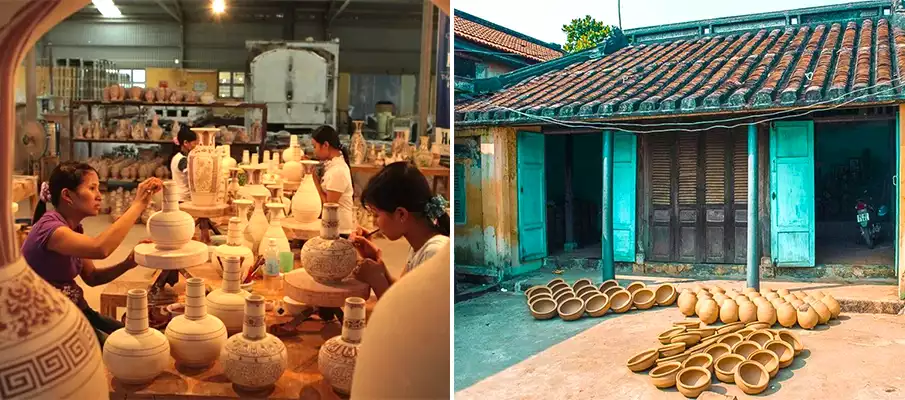
Exploring the Artistry of Thanh Ha Pottery Village in Hoi An:
In the heart of the enchanting town of Hoi An, Vietnam, lies a hidden gem that encapsulates centuries of artistic tradition and cultural heritage – Thanh Ha Pottery Village.
-
- A Pottery Legacy: Known for its rich history in pottery-making, Thanh Ha Pottery Village has been creating exquisite ceramics for generations. This quaint village, located just a short distance from Hoi An’s historic center, is a testament to the timeless craft of Vietnamese artisans.
- The Pottery-Making Process: Visiting Thanh Ha offers a glimpse into the intricate world of pottery creation. Skilled artisans shape and mold clay into a stunning array of pottery, from delicate vases to functional cookware. Witnessing the hands-on process of crafting these pieces is a truly unique experience.
- Interactive Workshops: For those who want to do more than just observe, Thanh Ha offers hands-on pottery workshops. Visitors can roll up their sleeves and get creative, guided by experienced artisans. It’s a chance to learn the art of pottery-making and create your own masterpiece to take home as a memorable souvenir.
- Historical Significance: The village itself is a living museum of Vietnam’s pottery tradition. As you explore the narrow streets and historic houses, you’ll discover the cultural significance of pottery in this region. Each piece tells a story of Vietnam’s history, from practical household items to intricate decorative pieces.
- Aesthetic Delights: Thanh Ha Pottery Village isn’t just about tradition; it’s also about aesthetics. The ceramics created here are renowned for their beauty and craftsmanship. You can explore numerous pottery shops and choose from a variety of exquisite items to add to your collection or as gifts.
Book your Accommodation in Hoi An ➜
Escape to a bit isolated Cham Islands:
-
- The Cham Islands are a group of eight small islands located off the coast of Hoi An in central Vietnam. The islands are known for their beautiful beaches, crystal-clear waters, and rich marine life, making them a popular destination for snorkeling, diving, and other water-based activities.
- The largest island in the group is Hon Lao, which is home to a small fishing village and several beach resorts. Visitors to the island can explore its rugged coastline, hike through its lush forests, or simply relax on one of its many secluded beaches.
- The Cham Islands are also home to a number of historic sites, including the Hai Tang Pagoda, which dates back to the 18th century, and the ancient Cham ruins of My Son, which are located on the mainland near Hoi An.
- In recent years, there has been a push to develop sustainable tourism on the Cham Islands, with a focus on preserving the islands’ natural environment and traditional way of life. This has included efforts to reduce plastic waste, promote responsible tourism practices, and support local communities through ecotourism initiatives

Explore the Beauty of ancient town:
Exploring the beauty of Hoi An’s ancient town is an unforgettable experience that can be enjoyed in many ways. Here are some tips on how to make the most of your visit:
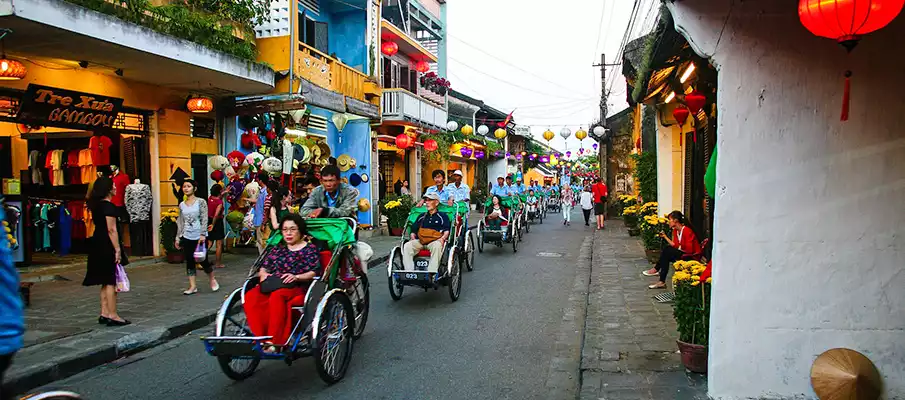
1. Take a Walking Tour: The best way to experience the town’s narrow streets and historic buildings is on foot. Joining a walking tour will give you the opportunity to learn about the town’s rich history and culture, as well as visit some of its most famous landmarks, such as the Japanese Covered Bridge and the Assembly Hall of the Fujian Chinese.
2. Rent a Bicycle: Hoi An is a great place to explore by bike, with many rental shops offering affordable rates. Biking allows you to explore at your own pace and venture off the beaten path to discover hidden gems that you might miss on foot.
3. Take a Boat Ride: Hoi An’s Thu Bon River is an integral part of the town’s history and culture, and taking a boat ride along its banks is a great way to see the town from a different perspective. You can also visit nearby islands, such as the Cham Islands or Cu Lao Cham, by boat.
4. Attend a Cultural Performance: Hoi An is known for its traditional music, dance, and theater performances, which can be enjoyed at various venues around the town. These performances offer a unique opportunity to learn about the local culture and history while being entertained.
5. Experience the Local Cuisine: Hoi An’s food scene is a fusion of Vietnamese, Chinese, and European influences, making it a unique and delicious culinary destination. Take a food tour or simply explore the town’s many street food vendors and restaurants to taste some of the local specialties, such as cao lau and banh mi.
BOOK a TOUR / ACTIVITY in Hoi An ➜
Discovering the Historical Marvels of My Son:
-
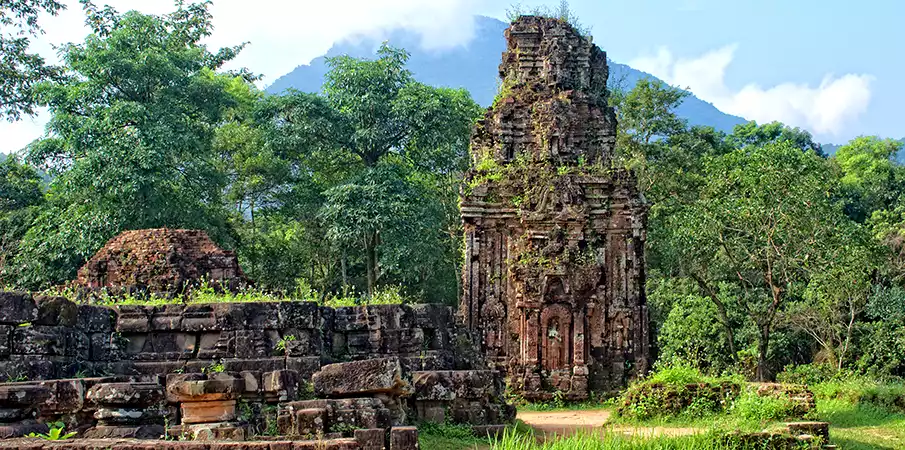
- The history of My Son dates back to the 4th century, when it was established as a center of Hinduism in the Champa Kingdom. Over the centuries, more temples and structures were added to the site, many of which were destroyed during wars and natural disasters. Today, the ruins of the temples and towers at My Son are a UNESCO World Heritage Site and a popular tourist attraction.
- To get to My Son, visitors can take a private tour, taxi or motorbike from Hoi An, which is about 50 km away. Alternatively, there are several organized tours available that include transportation, admission fees, and a guide. The trip typically takes about an hour and a half and offers stunning views of the surrounding countryside.
- Once at the site, visitors can explore the ruins and learn about the history and significance of the complex. The temples and towers are known for their intricate carvings and architectural details, and many of them still display remnants of their original red brick facades. My Son is a fascinating and important part of Vietnam’s cultural heritage, and a visit to the site offers a unique insight into the country’s rich history and traditions.
Explore the Magic of VinWonders Nam Hoi An amusement park:
-
- Discover a world of wonder on the vibrant shores of Hoi An, Vietnam, as you step into the enchanting realm of VinWonders Nam Hoi An. This premier amusement park and resort complex is a symphony of excitement and relaxation, designed to cater to every traveler’s desires.
- Thrill-seekers can revel in the heart-pounding excitement of exhilarating rides and water slides at the park’s thrilling water attractions. Meanwhile, culture enthusiasts can dive into the rich tapestry of Vietnamese traditions and heritage.
- Nestled against the backdrop of a pristine coastline, VinWonders Nam Hoi An offers a breathtaking setting where natural beauty meets exhilarating entertainment. Whether you’re planning a family vacation, a getaway with friends, or a solo adventure, VinWonders Nam Hoi An ensures that your visit to Vietnam is nothing short of extraordinary.
- Prepare to embark on a journey filled with magical moments and unforgettable experiences. VinWonders Nam Hoi An is your gateway to a world of adventure and discovery – the epitome of a dream destination. Don’t miss out on the magic; come and explore VinWonders Nam Hoi An today!

Exploring the Enchantment of Hoi An Night Market.
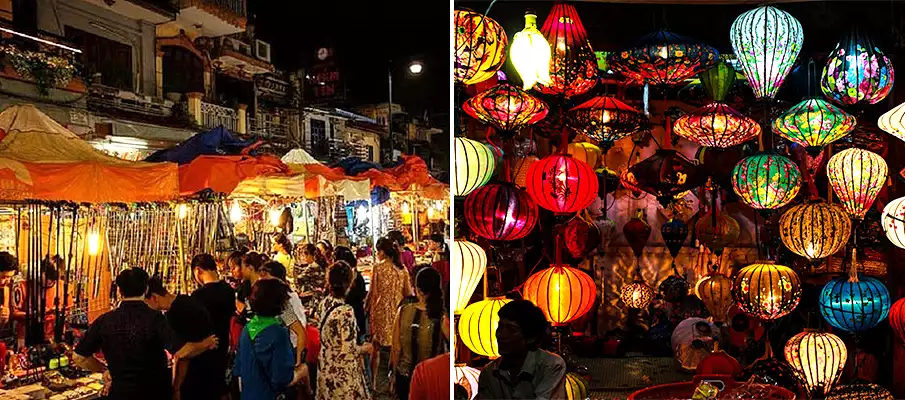
Hoi An, Vietnam is a town renowned for its timeless charm, where ancient architecture meets the vibrant pulse of daily life. As the sun sets and the lanterns light up, a new world unfolds in the heart of this historical gem. The Hoi An Night Market, a bustling bazaar nestled along the banks of the Thu Bon River, beckons travelers from all corners of the globe to experience its unique blend of culture, commerce, and cuisine.
-
- A Nighttime Spectacle: Hoi An Night Market, with its colorful array of lanterns, is a spectacle to behold. The market comes alive in the evening, transforming the tranquil streets of the ancient town into a vibrant hub of activity. The radiant glow of lanterns adorns the facades of buildings and gently illuminates the river, creating a mesmerizing ambiance that leaves visitors spellbound.
-
- Shop Till You Drop: One of the main attractions of the Hoi An Night Market is its shopping opportunities. From traditional Vietnamese clothing and accessories to handmade crafts and souvenirs, there’s an array of items to suit every traveler’s tastes. The market offers a unique shopping experience with goods that are often locally made and, at times, even customizable to your preferences.
-
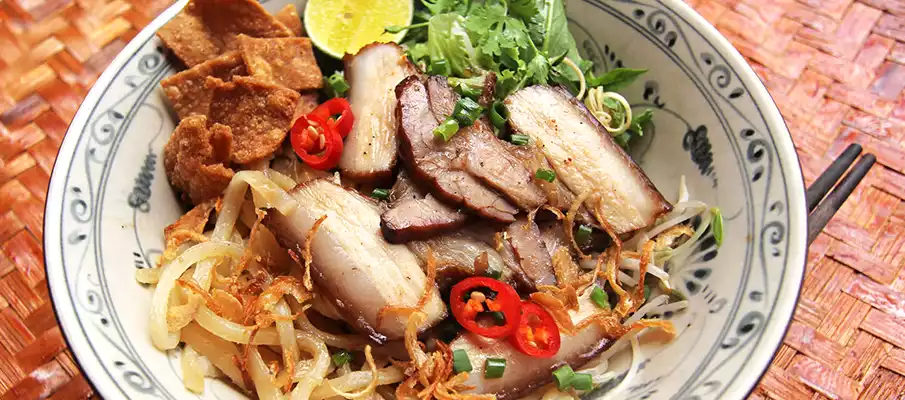
- Culinary Delights: Food enthusiasts will find themselves in paradise at the Hoi An Night Market. The aroma of Vietnamese street food wafts through the air, tempting visitors to sample local delicacies. From savory Pho and Banh Mi to sweet treats like Banh Xoai (mango cake) and Che Bap (corn pudding), this market is a gastronomic adventure waiting to be explored. Be sure to try the delectable Cao Lau, a Hoi An specialty known for its unique combination of noodles, herbs, and crispy croutons.
-
- Local Culture on Display: The night market is more than just a place to shop and dine; it’s also a window into the local culture. You’ll find artisans and street performers showcasing their talents, from traditional musical performances to the intricate art of lantern-making. Engaging with these artisans offers a deeper understanding of the cultural richness that Hoi An has to offer.
-
- The Riverside Experience: One of the market’s most charming features is its riverside location. After a day of exploration, you can unwind by the Thu Bon River and enjoy the serenity of the water, the soft rustle of the wind, and the mesmerizing reflection of lanterns on the surface. The riverbank is a popular spot for visitors to relax, chat, and simply soak in the enchanting atmosphere.
Tips for a Memorable Visit:
- Go Early or Late: The market gets crowded in the evening, so consider visiting either when it opens or later at night.
- Bargaining Skills: Bargaining is a common practice at the market, so hone your negotiation skills.
- Lantern Purchase: Don’t forget to purchase a traditional lantern as a beautiful memento of your visit.
- Taste Everything: Explore the diverse culinary offerings, and don’t be afraid to try new dishes.
Why to visit or not to visit Hoi An Ancient Town?
Whether or not to visit Hoi An Ancient Town depends on your interests and preferences. Here are some reasons why you might want to visit or not visit Hoi An town:
👉 Reasons to visit Hoi An:
-
- Cultural heritage: Hoi An Ancient Town is a unique blend of Chinese, Japanese, and European influences, which is reflected in its architecture, customs, and traditions. Visitors can explore the old town’s historical sites, museums, and temples to learn more about its rich cultural heritage.
- Shopping: Hoi An Ancient Town is famous for its tailor-made clothing, shoes, and accessories, making it a great destination for those who love shopping. Visitors can also browse through local markets and shops to buy souvenirs and handicrafts.
- Food: Hoi An Ancient Town is a food lover’s paradise, with a wide variety of local and international cuisines to choose from. From street food stalls to fine-dining restaurants, visitors can indulge in the town’s famous dishes such as Cao Lau, Banh Mi, and Com Ga.
👉 Reasons not to visit Hoi An:
-
- Crowds: Hoi An Ancient Town is a popular destination, and it can get crowded during peak tourist season. Visitors may need to be prepared to navigate through crowds and wait in long queues.
- Weather: The weather in Hoi An can be hot and humid, especially during the summer months. Visitors may need to plan their visit accordingly and stay hydrated.
- Cost: Hoi An Ancient Town can be relatively expensive compared to other destinations in Vietnam due to its popularity and tourist facilities. Visitors may need to be prepared to pay more for accommodation, food, and transportation.
Exploring the Local Food and Cuisine in Hoi An:
Hoi An’s cuisine is a fusion of Vietnamese, Chinese, and European influences, making it a unique and delicious culinary destination. Some of the most popular dishes include:
1. Cao Lau: is a traditional Vietnamese noodle dish that originated in Hoi An. It’s made with thick rice noodles that have been flavored with ash water, which gives them a unique texture and color. The noodles are then topped with slices of roast pork, fresh herbs, and crispy rice crackers.
2. Banh Mi: a Vietnamese-style sandwich filled with a variety of ingredients, such as grilled pork, pate, pickled vegetables, and chili sauce, served on a crusty baguette.
3. White Rose Dumplings: a delicate and flavorful dish made with shrimp and pork wrapped in a translucent rice paper and shaped to look like a white rose.
4. Mi Quang: a noodle dish originating from the Quang Nam province, featuring a rich and spicy broth made with turmeric, chili, and lemongrass, served with pork, shrimp, and fresh herbs.
5. Com Ga: a simple yet delicious dish made with shredded chicken served on a bed of fragrant rice, accompanied by herbs, pickles, and a chili sauce.
In addition to these popular dishes, Hoi An is also known for its street food scene, with numerous food vendors and markets offering a variety of local specialties, such as Banh Xeo (crispy rice pancakes filled with shrimp and pork) and Che (sweet dessert soups made with beans, fruit, and coconut milk). Hoi An’s food scene is a must-try for any foodie visiting Vietnam, offering a unique and delicious blend of flavors and ingredients that reflect the town’s rich history and culture.
✈️ How to get and travel to Hoi An?
Hoi An is located in central Vietnam and can be reached by various modes of transportation. A lot of tourists travel to Hoi An via Da Nang. Here are some options for getting to Hoi An:
-
- 1. By Air: The closest airport to Hoi An is Da Nang International Airport, which is about 30 km away. Many major airlines offer direct flights to Da Nang from cities like Hanoi, Ho Chi Minh City, and Bangkok. From the airport, you can take a taxi or shuttle bus to Hoi An. This is the most comfortable option of transfer to Hoi An.
- 2. By Train: Hoi An does not have its own train station, but you can take a train to nearby Da Nang and then continue to Hoi An by private taxi or bus. The train journey from Hanoi or Ho Chi Minh City to Da Nang takes around 16-20 hours, depending on the route.
- 3. By Bus: Hoi An is well-connected by bus to major cities in Vietnam, including Da Nang, Hue, Hanoi, and Ho Chi Minh City. Many bus companies offer both day and night buses, with journey times ranging from a few hours to overnight. But this is not so comfortable option of transfer.
- You can book and buy tickets / cars to Hoi An in Vietnam on Baolau ➜ or 12go.asia ➜.

☀️ Weather in Hoi An + The Best Time to Visit:
-
- Hoi An has a tropical climate with two main seasons: a wet season and a dry season. The wet season lasts from September to January, with heavy rainfalls and occasional typhoons. The dry season runs from February to August, with hot and humid weather.
-
- The best time to visit Hoi An is during the dry season, especially from February to May when the weather is mild and pleasant. The temperatures are cooler, and the skies are clear, making it ideal for outdoor activities and exploring the ancient town. June to August is also a good time to visit, but it can be quite hot and humid.
- The average temperature in Hoi An ranges from 25°C to 30°C throughout the year, with the hottest months being June to August. During this time, the temperature can rise to 35°C, and the humidity can be quite high, making it feel even hotter.
- The wet season in Hoi An, from September to January, can bring heavy rainfall and occasional typhoons, particularly in October and November. However, the rains are usually short-lived and do not last all day. The wet season also brings a lush greenery to the countryside and rice fields, which can be a beautiful sight to see. If you are planning to visit during the wet season, be prepared for occasional rain and storms, but also take advantage of lower hotel rates and fewer tourists. ➜ Current weather in Hoi An.
| Month | Weather | Description |
|---|---|---|
| January | Transition Season | Comfortable temperatures with occasional rain. Good for sightseeing and cultural attractions. |
| February | Dry Season | Sunny, pleasant weather and one of the best months to visit Hoi An. |
| March | Dry Season | Warm, dry days ideal for beaches, cycling, and exploring the Ancient Town. |
| April | Dry Season | Hot, sunny weather with excellent conditions for outdoor activities. |
| May | Dry Season | Very warm with only occasional showers. Great for beaches and island trips. |
| June | Dry Season | Hot and mostly sunny with ideal beach weather. |
| July | Dry Season | Continued hot weather with plenty of sunshine and warm sea temperatures. |
| August | Dry Season | Sunny days continue, although brief afternoon showers may occur. |
| September | Transition Season | Rainfall increases, but many days remain warm and suitable for travel. |
| October | Rainy Season | Heavy rain and occasional flooding can affect sightseeing and transport. |
| November | Rainy Season | One of the wettest months with frequent rainfall and possible floods. |
| December | Rainy Season | Rain gradually decreases, but wet weather is still common. |

🏡 Accommodation in Hoi An / Where to Stay:
-
- Hoi An has a range of accommodation options to suit every budget and travel style. From budget-friendly hostels to luxury resorts, there’s something for everyone in Hoi An.
- If you’re looking for a budget-friendly option, there are plenty of hostels and guesthouses located in the old town and nearby areas. These accommodations offer basic amenities like air conditioning, Wi-Fi, and shared bathrooms, and are perfect for backpackers and budget-conscious travelers.
- For mid-range options, there are plenty of boutique hotels and homestays located in the old town and surrounding areas. These properties offer comfortable rooms with private bathrooms, air conditioning, and some may also include breakfast and swimming pools.
- If you’re looking for luxury accommodations, there are several high-end resorts and hotels located along the beaches and rivers in Hoi An. These properties offer top-notch amenities like private pools, spas, and gourmet restaurants. Additionally, there are also many Airbnb and vacation rental options available in Hoi An, which can be a great choice for families and groups who want more space and privacy.
➜ Accommodation in Hoi An – Book Here

🔍 Interesting Places + Activities in Hoi An
- Japanese Covered Bridge: Visit Hoi An’s iconic 16th-century bridge and one of the city’s most famous landmarks.
- Hoi An Ancient Town: Explore the UNESCO-listed Old Town filled with historic houses, temples, and lantern-lit streets.
- An Bang & Cua Dai Beaches: Relax on sandy beaches, swim in the sea, and enjoy beachfront cafés.
- Cam Thanh Monastery: Discover a peaceful temple surrounded by gardens just outside Hoi An.
- Hoi An Memories Land: Experience spectacular cultural shows, lantern gardens, and Vietnamese history.
- Thanh Ha Pottery Village: Watch local artisans create traditional ceramics and pottery by hand.
- Museum of Folk Culture: Learn about traditional life, customs, and crafts in central Vietnam.
- My Son Sanctuary: Visit the UNESCO-listed Cham temple complex on a popular day trip from Hoi An.
- Hoi An Market: Browse fresh produce, street food, souvenirs, and local specialties.
- Cham Islands: Enjoy snorkeling, diving, beaches, and crystal-clear waters on a scenic island trip.
- Tra Que Vegetable Village: Join farming activities and discover Hoi An’s famous organic vegetable gardens.
- VinWonders Nam Hoi An: Spend a fun day enjoying rides, water attractions, wildlife, and cultural exhibits.
- Hoi An Water Puppet Show: Watch Vietnam’s traditional water puppetry performed with live folk music.
- Lantern Festival: Experience Hoi An’s magical monthly festival illuminated by thousands of colorful lanterns.
- Cooking Classes: Learn to prepare authentic Vietnamese dishes with local chefs.
- Thu Bon River Boat Ride: Cruise along the river and admire Hoi An from the water.
- Lantern-Making Workshop: Create your own traditional lantern with local craftsmen.
- Shopping in Hoi An: Browse tailor shops, handmade lanterns, ceramics, and local handicrafts.
- Biking Tour: Cycle through rice fields, villages, and peaceful countryside around Hoi An.
❓ Frequently Asked Questions + Travel Tips for Hoi An
How to book transport tickets and flights to Hoi An?
When is the best time to visit Hoi An?
The best time is from February to August. See the Hoi An weather guide for seasonal details.
What are the top attractions in Hoi An?
Don’t miss Hoi An Ancient Town, the Japanese Covered Bridge, My Son Sanctuary, An Bang Beach, and the Cham Islands.
What food should I try in Hoi An?
Try Cao Lau, Banh Mi, white rose dumplings, Mi Quang, and fresh seafood specialties.
Can I rent a bicycle in Hoi An?
Yes. Bicycle rentals are inexpensive and one of the best ways to explore the town and countryside.
What are the best things to do in Hoi An?
Join a cooking class, cycle through rice fields, take a river cruise, and visit local markets.
Is Hoi An safe for solo travelers?
Yes. Hoi An is considered one of Vietnam’s safest destinations, although basic travel precautions are recommended.
Can I pay by credit card in Hoi An?
Many hotels and restaurants accept cards, but carrying Vietnamese dong is recommended for smaller businesses.
Can I rent a motorbike in Hoi An?
Yes. Motorbike rental is widely available for exploring Hoi An and nearby attractions.
What souvenirs should I buy in Hoi An?
Popular souvenirs include handmade lanterns, silk clothing, ceramics, woodcrafts, and tailor-made garments.
Where should I stay in Hoi An?
Stay near the Ancient Town or An Bang Beach. Browse hotels and homestays in Hoi An.
How do I get to the Cham Islands?
Boats and speedboats depart from Cua Dai Port, with travel times of about 20–60 minutes.
What is My Son Sanctuary?
My Son Sanctuary is a UNESCO-listed Cham temple complex located about 40 km from Hoi An.
How do I travel from Hoi An to Da Nang?
Travel by bus, minivan, taxi, private car, or Grab. Read the Hoi An to Da Nang guide.
Which are the best islands to visit in Vietnam?
Visit Phu Quoc and discover more in the guide to Vietnam’s best islands.
Is Vietnam good for solo travel?
Yes. Read the Vietnam solo travel guide for tips, itineraries, and safety advice.
BOOK a TOUR / TICKETS in Hoi An ➜

Hue – Travel Guide|Phong Nha – Travel Guide|Thanh Hoa – Travel Guide|Battambang to Bangkok|Krabi to Koh Jum Island|Weather in Nha Trang