

ℹ️ Useful Information
🚶 Best Places to Visit
🤔 To Go / Not to Go?
🍜 Food / Cuisine
☀️ Weather Forecast
✈️ Transportation
🏡 Where to stay
💡 Travel Tips
🎫 Book a Tour Online
🎫 Book Tickets / Car
Quick answer: Central Vietnam is a magical region where history, nature, and beach life come together beautifully. You’ll find serene coastal towns, lush highlands, and ancient heritage sites all within reach. It’s perfect for travelers who want both relaxation on sandy shores and exploration of Vietnam’s cultural heart.
At a glance:
- 🌊 Scenic coast: Beautiful beaches, peaceful bays, and scenic coastal drives.
- 🏛️ History & culture: Hoi An, Hue, and ancient landmarks full of history and charm.
- ⛰️ Nature: Mountains, waterfalls, Da Lat, and Bạch Mã National Park offer stunning scenery.
- 🧭 Adventure: Explore caves, jungles, rivers, and the beautiful Cham Islands.
- 🍤 Local cuisine: Fresh seafood, regional noodles, and vibrant local markets.
- ⛈️ Seasonal weather: Most rainfall arrives between September and January.
- 🚍 Easy transport: Buses, trains, flights, and motorbikes connect the region.
Last updated in August 2026.
🌴 1. Central Vietnam at a Glance
Central Vietnam is one of the country’s most diverse regions, combining historic cities, UNESCO heritage sites, tropical beaches, mountains, caves, and excellent local cuisine. From the imperial capital of Hue and lantern-lit Hoi An to the beaches of Da Nang and caves of Phong Nha-Ke Bang, the region offers a great mix of culture, nature, and relaxation.
Central Vietnam is ideal for combining different experiences in one trip. Explore ancient temples, drive the scenic Hai Van Pass, relax on the beach, and enjoy some of the country’s best regional food.
🏛️ History & Heritage
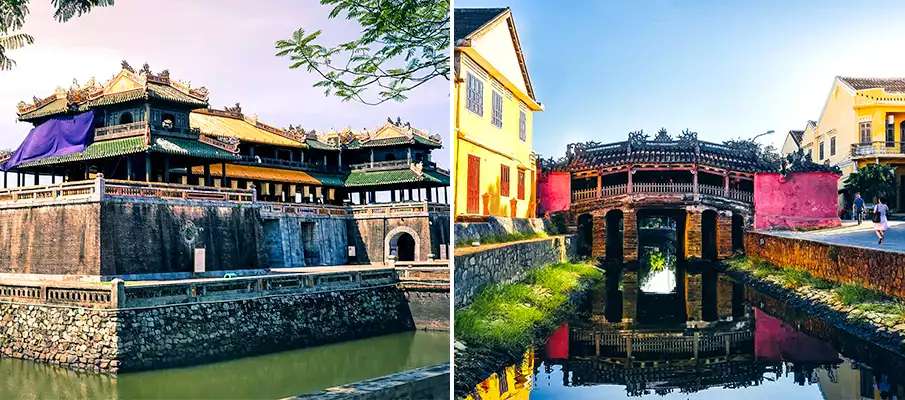
Hue, Hoi An and My Son showcase Vietnam’s imperial history, ancient Champa culture and centuries of international trade. The region is particularly rich in UNESCO-listed heritage sites.
🏖️ Beaches & Coast
Central Vietnam has some of the country’s most popular beaches, from My Khe and An Bang to the quieter beaches around Quy Nhon, Lang Co and Nha Trang.
🏞️ Caves & Nature
Phong Nha-Ke Bang National Park is the region’s major natural attraction, with enormous caves, underground rivers, limestone mountains and opportunities for adventure.
🏍️ Scenic Road Trips
The famous Hai Van Pass, coastal roads and mountain routes make Central Vietnam a rewarding destination for motorbike and private-car trips.
🍜 Food & Local Flavors
Central Vietnamese cuisine is known for distinctive regional dishes such as bun bo Hue, cao lau and mi Quang, as well as excellent seafood and street food.
🌿 Mountains & Highlands
Beyond the coast, destinations such as Da Lat and parts of the Central Highlands offer cooler weather, pine forests, waterfalls, coffee plantations and a very different side of Vietnam.
👉 Quick overview: Choose Central Vietnam if you want a balanced trip combining history, beaches, nature, food and outdoor activities. The most popular travel route connects Hue → Da Nang → Hoi An, while Phong Nha, Quy Nhon, Nha Trang and Da Lat can be added for longer trips.

2. Best Places to Visit in Central Vietnam
Central Vietnam offers a remarkable variety of destinations, from imperial cities and ancient trading ports to spectacular caves, beaches, mountains, and highland landscapes. These nine destinations are among the best places to include in a Central Vietnam itinerary, whether you are visiting for a few days or planning a longer trip.
🏛️ 1. Hue
Hue was the imperial capital of Vietnam and remains one of the country’s most important cultural destinations. Visit the Imperial City, royal tombs, pagodas, and the peaceful Perfume River.
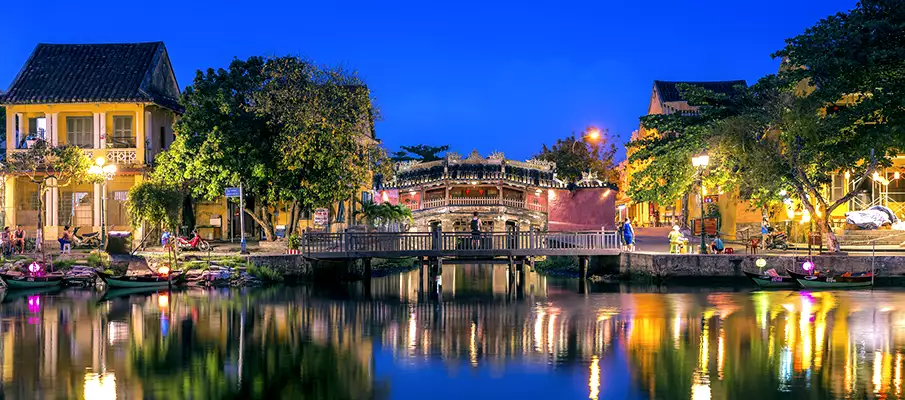
🏮 2. Hoi An
Hoi An is famous for its beautifully preserved Ancient Town, colorful lanterns, historic merchant houses, riverside atmosphere, and excellent local food.
🌊 3. Da Nang
Da Nang combines long sandy beaches, modern city life, nearby mountains, and easy access to Hoi An and Hue. It is also the main gateway to Central Vietnam by air.
🦇 4. Phong Nha
Phong Nha-Ke Bang is a spectacular destination for nature and adventure. Explore enormous caves, underground rivers, limestone mountains, and jungle landscapes.
🏺 5. My Son Sanctuary
My Son Sanctuary is an ancient Champa temple complex surrounded by green hills. Its Hindu-inspired towers provide an insight into the history and culture of the Champa civilization.
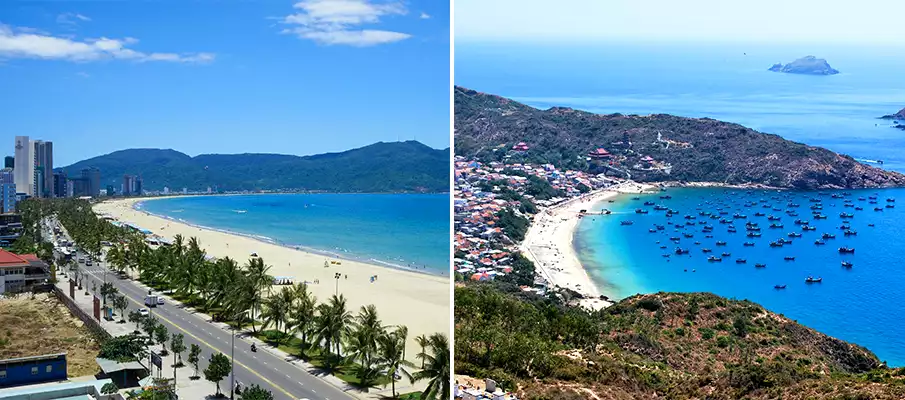
🏖️ 6. Quy Nhon
Quy Nhon is a quieter coastal destination known for beautiful beaches, fresh seafood, scenic landscapes, and a more relaxed atmosphere than larger beach resorts.
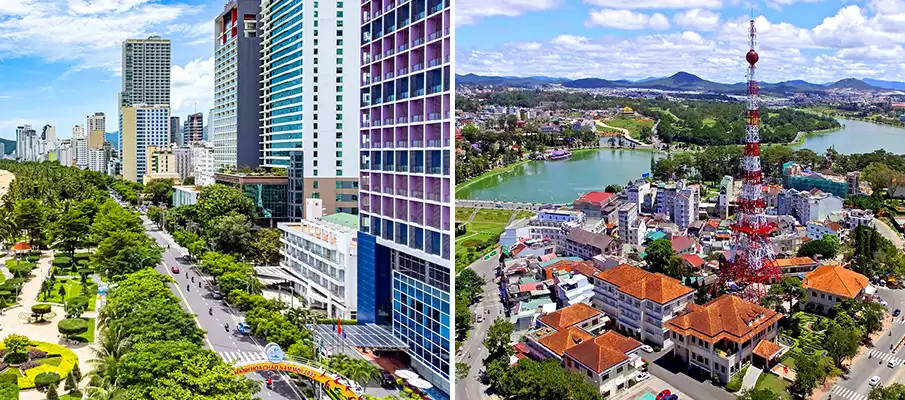
🌴 7. Nha Trang
Nha Trang is one of Vietnam’s best-known beach destinations, offering a long sandy beach, island trips, snorkeling, diving, seafood, and a lively coastal atmosphere.
🌲 8. Da Lat
Da Lat offers a completely different side of Central Vietnam with cool weather, pine forests, waterfalls, flower gardens, coffee farms, and scenic mountain landscapes.
☕ 9. Buon Ma Thuot
Buon Ma Thuot is the heart of Vietnam’s coffee-growing region. Explore coffee plantations, waterfalls, ethnic villages, and the landscapes of the Central Highlands.
👉 Planning tip: For a first trip to Central Vietnam, the classic route is Hue → Da Nang → Hoi An. Add Phong Nhafor caves and adventure, or choose Quy Nhon, Nha Trang, Da Lat or the Central Highlands for a longer and more varied trip.

3. Why Visit Central Vietnam?
Central Vietnam is an excellent choice for travelers who want to combine history, culture, beaches, nature, adventure, and great food in one trip. The region is easy to explore and offers a good balance between major tourist attractions and quieter places.
🏛️ History & Heritage
Explore the Imperial City of Hue, Hoi An’s Ancient Town, My Son Sanctuary, royal tombs, pagodas, and historic sites connected with Vietnam’s imperial and Champa heritage.
🏖️ Beaches & Island Life
From Da Nang and Hoi An to Quy Nhon and Nha Trang, Central Vietnam offers beautiful beaches, warm waters, seafood, and plenty of opportunities to relax by the coast.
🏞️ Nature & Adventure
Discover the spectacular caves of Phong Nha-Ke Bang, limestone mountains, rivers, waterfalls, and scenic landscapes that are ideal for hiking and outdoor adventures.
🏍️ Scenic Road Trips
The Hai Van Pass and coastal roads offer some of Vietnam’s most memorable journeys. Traveling by motorbike or private car gives you more freedom to stop at viewpoints and beaches.
🍜 Excellent Local Food
Central Vietnam is famous for distinctive dishes such as bun bo Hue, cao lau and mi Quang, along with fresh seafood and some of the country’s best street food.
🌿 Different Landscapes
You can easily combine beaches and coastal cities with mountains, caves, countryside, and the cooler highland scenery around Da Lat and the Central Highlands.
👉 Best for: Central Vietnam is particularly suitable for travelers who want a balanced itinerary with historic cities, beaches, local food, scenic drives, and nature without having to travel huge distances between major destinations.
4. Best Things to Do in Central Vietnam
Central Vietnam offers a great mix of cultural sights, outdoor adventures, beaches, scenic roads, and local experiences. You can explore ancient heritage in the morning and enjoy the coast or countryside later the same day.
🏛️ Explore Hue
Visit the Imperial City, royal tombs, pagodas, and the Perfume River to discover Vietnam’s imperial heritage.
🏮 Discover Hoi An
Walk through the historic Ancient Town, see its lanterns and old merchant houses, and enjoy local food by the Thu Bon River.
🏞️ Explore Phong Nha
Discover spectacular caves, underground rivers, limestone mountains, and jungle landscapes in Phong Nha-Ke Bang.
🏍️ Drive Hai Van Pass
Enjoy one of Vietnam’s most scenic road journeys between Da Nang and Hue, with mountain and coastal views along the way.
🏖️ Enjoy the Beaches
Relax on beaches such as My Khe, An Bang, Cua Dai or the quieter coastal beaches around Quy Nhon.
🍜 Try Local Food
Taste Central Vietnamese specialties including bun bo Hue, cao lau and mi Quang, along with fresh seafood and street food.
👉 Tip: If you have limited time, focus on Hue, Da Nang and Hoi An. Add Phong Nha for caves and adventure, or spend extra time on the coast if beaches are your priority.

5. Central Vietnam Itinerary – How Many Days Do You Need?
How many days you need in Central Vietnam depends on how many destinations you want to visit. For a first trip, 5–7 days is a good starting point, while 8–10 days allows you to explore more of the coast, countryside, and natural attractions.
⏱️ 3–4 Days
Focus on Da Nang and Hoi An, with time for the beach, Ancient Town, Marble Mountains, and nearby attractions.
🗺️ 5–7 Days
The ideal first trip for many travelers: combine Hue, Da Nang and Hoi An, with a day trip or extra stop along the way.
🏞️ 8–10 Days
Add Phong Nha for caves and adventure, or spend more time exploring the beaches and countryside around Central Vietnam.
🌴 10+ Days
With more time, continue south toward Quy Nhon or Nha Trang, or head inland to Da Lat and the Central Highlands.
👉 Best first-trip route: Hue → Da Nang → Hoi An works well for 5–7 days. If you have more time, add Phong Nha or continue south along the coast.

6. Food & Cuisine in Central Vietnam
Central Vietnamese cuisine is known for bold flavors, fresh ingredients, seafood, and many distinctive regional dishes. Hue is famous for its refined royal-style cuisine, while Hoi An and Da Nang are excellent places to discover local street food and traditional specialties.
🍜 Bún Bò Huế
This spicy beef noodle soup from Hue is one of Vietnam’s most famous regional dishes, combining rice noodles, beef, herbs, and a rich, aromatic broth.
🥢 Cao Lầu
A specialty of Hoi An, cao lau combines thick noodles, pork, fresh herbs, vegetables, and crispy toppings in a distinctive local dish.
🍲 Mì Quảng
Mi Quang is a popular dish from Quang Nam, made with turmeric noodles, meat or seafood, herbs, peanuts, and a small amount of flavorful broth.
🦐 Seafood & Street Food
Along the coast, especially in Da Nang, Quy Nhon and Nha Trang, fresh seafood is easy to find alongside grilled dishes, local snacks, and affordable street food.
👉 Food tip: Try local specialties in small family-run restaurants and street-food stalls. Hue, Hoi An and Da Nang are particularly good places to explore the flavors of Central Vietnam.

7. Best Beaches in Central Vietnam
Central Vietnam has a long and varied coastline with busy city beaches, relaxed fishing villages, and quieter stretches of sand. For a more detailed overview, see our guide to the best beaches in Central Vietnam. These nine beaches are among the best choices for swimming, relaxing, water activities, and coastal scenery.
1. My Khe Beach
Da Nang: A wide sandy beach close to the city, popular for swimming, relaxing, and water sports.
2. An Bang Beach
Hoi An: A relaxed beach with palm trees, beach cafés, seafood restaurants, and a laid-back atmosphere.
3. Cua Dai Beach
Hoi An: A long sandy beach near Hoi An, ideal for a quieter seaside escape close to the Ancient Town.
4. Ky Co Beach
Quy Nhon: A beautiful coastal spot with clear water, white sand, and dramatic rocky scenery.
5. Quy Nhon Beach
Quy Nhon: A long city beach with golden sand, calm coastal scenery, and easy access to restaurants.
6. Lang Co Beach
Lang Co: A scenic beach between mountains and lagoon, offering a peaceful stop between Hue and Da Nang.
7. Nha Trang Beach
Nha Trang: A lively city beach with a long sandy shoreline, island trips, snorkeling, and diving nearby.
8. Doc Let Beach
Nha Trang area: A quieter alternative with white sand, shallow water, and a more peaceful atmosphere.
9. My Tam Beach
Quang Ngai: A less-visited coastal beach offering a more local atmosphere and a quieter seaside experience.
👉 Beach tip: For the easiest combination of beaches, sightseeing, and accommodation, choose Da Nang or Hoi An. For a quieter coastal trip, consider Quy Nhon or Doc Let.
8. Weather & Best Time to Visit Central Vietnam
Central Vietnam has a varied climate, and the best time to visit depends on where you are going. February to May is generally one of the best periods for a first trip, with pleasant conditions for sightseeing, beaches, and outdoor activities. However, the weather differs between Hue, Hoi An, Phong Nha, Da Nang, and the southern coast.
🌿 February–May: Best Overall
One of the best periods for Hue, Da Nang and Hoi An, with warm weather, less rain, and good conditions for sightseeing and outdoor activities.
☀️ June–August: Hot & Sunny
Summer is generally hot and sunny, making it a good period for beaches and coastal trips. Temperatures can become very high in July and August.
🌧️ September–January: Rainy Season
Rain becomes more frequent, especially around Hue and Hoi An. October and November can bring heavy rain, storms, and occasional flooding.
🏝️ Southern Coast
Nha Trang generally has a longer dry season, with its wetter period mainly from September to December, making it a useful option for beach trips at other times of year.
👉 Best time: For a classic Hue → Da Nang → Hoi An trip, aim for February to May. For beaches, the warmer months are attractive, while travelers visiting from September onward should allow some flexibility for rain and storms.
For more detailed information about seasonal conditions across the country, see our guides to Vietnam weather and the best time to visit Vietnam.
Central Vietnam Weather by Month
| Month | Weather | Description |
|---|---|---|
| January | Dry Season | Mild weather with cooler temperatures. Great for sightseeing in Hue, Da Nang, and Hoi An. |
| February | Dry Season | Sunny, comfortable weather and one of the best months to visit Central Vietnam. |
| March | Dry Season | Warm temperatures and little rain. Ideal for beaches, cities, and national parks. |
| April | Dry Season | Hot, sunny days with excellent conditions for beaches and outdoor activities. |
| May | Dry Season | Very warm weather with occasional showers. Great for coastal destinations. |
| June | Dry Season | Hot and humid with plenty of sunshine. Perfect for beach holidays. |
| July | Dry Season | Hot weather continues with brief afternoon showers in some areas. |
| August | Transition Season | Hot and humid. Rain becomes more frequent toward the end of the month. |
| September | Rainy Season | Frequent rain and occasional storms, especially around Hue, Da Nang, and Hoi An. |
| October | Rainy Season | One of the wettest months with heavy rainfall and possible flooding. |
| November | Rainy Season | Rain gradually decreases, but wet weather is still common. |
| December | Transition Season | Cooler weather with fewer rainy days. Tourism starts picking up again. |
9. Transportation in Central Vietnam
Central Vietnam is well connected by buses, trains, flights, motorbikes, and private cars. Da Nang International Airport is the region’s main air hub and an important gateway to Central Vietnam, with domestic and international connections. From Da Nang, it is easy to continue to Hoi An, Hue, and other destinations by road or train.
✈️ Domestic Flights
Best for: Long distances
Da Nang International Airport offers convenient domestic and international connections, while airports in Hue, Quy Nhon, Nha Trang, Da Lat, and other regional destinations provide additional options.
🚆 Trains
Best for: Comfortable travel
Vietnam’s railway network connects Central Vietnam with Hanoi and Ho Chi Minh City, with major stations in Dong Hoi, Hue, Da Nang and Phan Thiet.
🚌 Buses & Minivans
Best for: Budget travel
Sleeper buses and minivans are affordable and connect Hue, Da Nang, Hoi An, Phong Nha, Quy Nhon, and other destinations across Central Vietnam.
🚗 Private Cars & Transfers
Best for: Comfort & flexibility
Private cars are especially useful for routes such as Hue to Hoi An, with stops at the Hai Van Pass and other scenic places.
🏍️ Motorbikes
Best for: Freedom & road trips
Renting a motorbike is a flexible way to explore Central Vietnam’s coastal roads, mountain passes, and countryside. See our guide to riding in Vietnam.
🚕 Grab & Taxis
Best for: City travel
Grab, taxis, and motorbike taxis are convenient for short trips around Da Nang, Hue, Hoi An, and other larger cities.
💡 Transport tip: Compare travel time and price before booking. Flights are fastest for long distances, trains are comfortable, buses are budget-friendly, and private cars are ideal for scenic routes.
🎫 Baolau
Search and book train, bus, ferry and flight tickets in Vietnam online with schedules and e-tickets.
🚌 12go.asia
Popular platform for buses, trains, ferries, private transfers and domestic transport in Vietnam.

How to Travel Around Central Vietnam
Da Nang → Hoi An
Easy and popular route by bus, minivan, shuttle, taxi, motorbike or private car.
Da Nang → Hue
Travel by train, bus, private car, or motorbike via the scenic Hai Van Pass.
Hue → Hoi An
A scenic journey by private car, bus, or motorbike via Lang Co and Hai Van Pass.
Da Nang → Phong Nha
Buses, minivans, and private cars connect Da Nang with Phong Nha.
Hoi An → Quy Nhon
Travel by bus, minivan, or private car along the central coast.
Nha Trang → Da Nang
Choose between train, bus, or flight depending on your time and budget.
10. Where to Stay in Central Vietnam
Central Vietnam offers a wide range of accommodation, from simple local homestays and budget guesthouses to boutique hotels, beachfront resorts, and luxury retreats. Prices and atmosphere vary considerably between cities, beaches, countryside, and mountain destinations.
🏡 Homestays
Best for: Local experience
Family-run homestays are popular in Hoi An, Phong Nha, Hue, and rural areas, offering a more personal and authentic stay.
🏨 Hotels & Guesthouses
Best for: Budget & convenience
Central Vietnam has plenty of affordable hotels and guesthouses, especially in Da Nang, Hue, Hoi An, and Nha Trang.
🏮 Boutique Hotels
Best for: Couples & city breaks
Boutique hotels are particularly popular around Hoi An Ancient Town and offer more character, design, and personalized service.
🏖️ Beach Resorts
Best for: Relaxation
Beachfront resorts can be found around Da Nang, Hoi An, Quy Nhon, and Nha Trang, ranging from comfortable to high-end properties.
🌿 Eco Lodges & Retreats
Best for: Nature & quiet stays
Eco-friendly lodges and countryside retreats are a good choice around Phong Nha, Hoi An, and the Central Highlands.
✨ Luxury Resorts
Best for: Comfort & privacy
Luxury resorts offer private pools, spas, beachfront locations, and premium services, especially along the Central Vietnam coast.
💡 Accommodation tip: Hoi An is ideal for boutique stays and homestays, Da Nang for modern hotels and beach resorts, while Phong Nha is particularly good for affordable homestays and nature-focused accommodation.

12. Central Vietnam Travel Tips
A few practical tips can make traveling around Central Vietnam much easier. The region is straightforward to explore, but distances, weather, and transport options are worth considering when planning your itinerary.
🗓️ Plan Around the Weather
Check the forecast before traveling, especially from September to December, when heavy rain and storms can affect parts of Central Vietnam.
🚆 Book Popular Routes Early
Trains, buses, and private transfers can become busy during weekends, holidays, and peak travel periods. Booking ahead is recommended for popular routes.
🏍️ Take Your Time
Don’t try to visit every destination in a few days. Hue, Da Nang, Hoi An, and Phong Nha each deserve enough time to explore properly.
💵 Carry Some Cash
Cards are widely accepted in hotels and larger restaurants, but cash is still useful for street food, local markets, small shops, and taxis.
🍜 Eat Local
Try regional specialties such as bún bò Huế, mì Quảng, and cao lầu. Small local restaurants and street-food stalls are often the best places to try them.
🎒 Pack for Different Conditions
Bring light clothing, comfortable walking shoes, sun protection, and a light rain jacket, especially if you are traveling between several destinations.
💡 Local tip: Central Vietnam is easiest to enjoy when you combine a few destinations rather than rushing through the whole region. A route such as Hue → Da Nang → Hoi An works particularly well for a first visit.
13. North vs Central Vietnam: Which Should You Visit?
Northern and Central Vietnam offer very different travel experiences. The North is known for mountains, rice terraces, traditional culture, and dramatic landscapes, while Central Vietnam combines imperial heritage, beaches, caves, scenic roads, and historic towns.
| Travel Factor | 🏔️ Northern Vietnam | 🏖️ Central Vietnam |
|---|---|---|
| Best for | Mountains, culture & landscapes | Heritage, beaches & varied experiences |
| Main cities | Hanoi, Sapa & Ha Giang | Hue, Da Nang & Hoi An |
| Nature | Mountains, rice terraces & limestone landscapes | Beaches, caves, mountains & coastal landscapes |
| Beaches | Good options, but not the main attraction | ⭐ Excellent beaches along the central coast |
| Culture & History | ⭐ Hanoi, ethnic cultures & traditional villages | ⭐ Imperial Hue, Hoi An & historic heritage |
| Food | Pho, bun cha, northern specialties & street food | Bun bo Hue, mi Quang, cao lau & seafood |
| Weather | More noticeable seasonal changes | Tropical to subtropical, with a distinct rainy season |
| Adventure | ⭐ Trekking, Ha Giang Loop & mountain roads | ⭐ Caves, Hai Van Pass & coastal road trips |
| Travel atmosphere | Scenic, cultural & mountainous | Relaxed, coastal & culturally diverse |
| Main downside | Cooler winters and longer journeys in the mountains | Heavy rain and possible flooding during the rainy season |
| Ideal for | Travelers seeking mountains, scenery, culture & adventure | Travelers seeking beaches, heritage, food & varied experiences |
❓ Central Vietnam: Questions & Answers
What are the best places to visit in Central Vietnam?
Top destinations include Da Nang, Hoi An, Hue, Phong Nha, Quy Nhon, and Nha Trang. See the best beaches in Central Vietnam.
When is the best time to visit Central Vietnam?
The best time is from February to August during the dry season, with warm weather and little rain.
How can I travel around Central Vietnam?
Travel by plane, train, bus, private car, or motorbike. Learn more in the Central Vietnam guide and Vietnam transportation guide.
What food should I try in Central Vietnam?
Try cao lau, mi quang, bun bo Hue, fresh seafood, and traditional Hue royal cuisine.
Can I visit My Son Sanctuary from Hoi An?
Yes. My Son Sanctuary is an easy half-day or full-day trip from Hoi An.
What are the best beaches in Central Vietnam?
Popular beaches include My Khe, An Bang, Cua Dai, Lang Co, Quy Nhon, and Nha Trang.
Is it safe to swim in Central Vietnam?
Yes, but always follow local warning flags and avoid swimming during rough sea conditions.
Which festivals are worth visiting in Central Vietnam?
Don’t miss the Hue Festival and the monthly Lantern Festival in Hoi An.
How can I support local communities?
Choose local guides, stay in family homestays, buy handmade products, and respect local traditions.
What eco-tourism activities are available in Central Vietnam?
Explore Phong Nha-Ke Bang National Park, hike, visit caves, or stay in local villages.
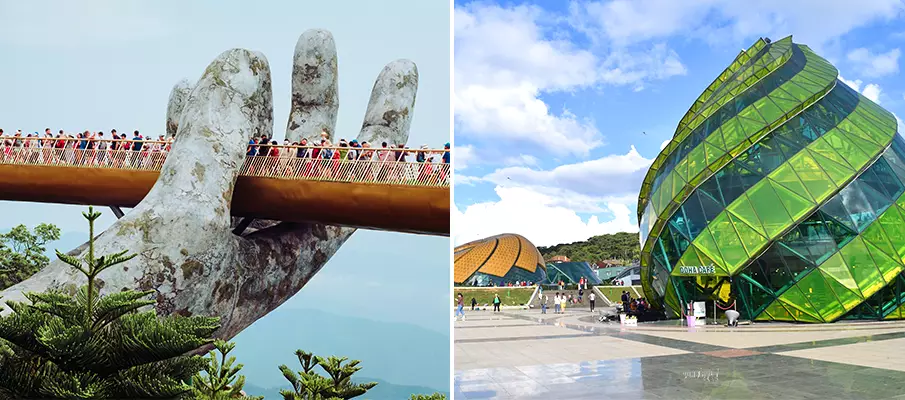
Can I visit Ba Na Hills from Da Nang?
Yes. Ba Na Hills is a popular day trip from Da Nang with the Golden Bridge and cable car.
What are some interesting facts about Vietnam?
Vietnam is famous for diverse landscapes, rich history, and unique cuisine. Read 15 Interesting Things of Vietnam.
What should I know about Vietnamese culture?
Vietnamese culture values family, traditions, hospitality, and excellent food. Learn more about Vietnamese culture.

Phu Quoc – Travel Guide|Saigon – Travel Guide|Hanoi – Old Quarter|Can Tho – Travel Guide|Con Dao – Travel Guide|Vung Tau – Travel Guide