

ℹ️ Information – Hue
✈️ How to get to Hue
☀️ Weather in Hue
🏡 Where to stay in Hue
🔍 Interesting Places
❓ FAQ + Travel Tips
🎫 Book a Tour in Hue
🎫 Book Ticket to Hue
Quick answer: Huế is Vietnam’s former imperial capital, full of history, serene pagodas, royal tombs, and peaceful river views. It’s a perfect destination for travelers who love culture, architecture, and a more relaxed pace — combining ancient citadels with lush countryside and thoughtful reflection.
At a glance:
- 🏯 Imperial Citadel: Explore the walled Hue Imperial City with palaces, temples, and royal chambers.
- 🛕 Thien Mu Pagoda: Iconic pagoda on the Perfume River hill, symbol of Hue.
- 📜 Royal Tombs: Visit grand tombs of Emperors like Minh Mạng and Tu Duc by the river.
- 🎨 Art & Museums: Check out the Royal Fine Arts Museum for Nguyen‑era treasures.
- ⛵ Perfume River: Take a dragon boat ride for peaceful views and cultural insight.
- 🌿 Nature Escape: Go to Bạch Mã National Park for forest, waterfalls, and mountain trails.
- ⛪ Phủ Cam Cathedral: A prominent, hilltop Catholic cathedral with striking architecture.
- 🍜 Local Cuisine: Try Hue’s specialties like bánh khoái and royal-inspired dishes.
- 🏖️ Nearby Beach: Visit Lang Cô beach just outside the city for a scenic seaside escape.
- 🕰️ Best Time to Visit: January–April is ideal — cool, relatively dry, and perfect for sightseeing.
Last updated in November 2025
Geography and Location of Hue: The Jewel of Central Vietnam:
-
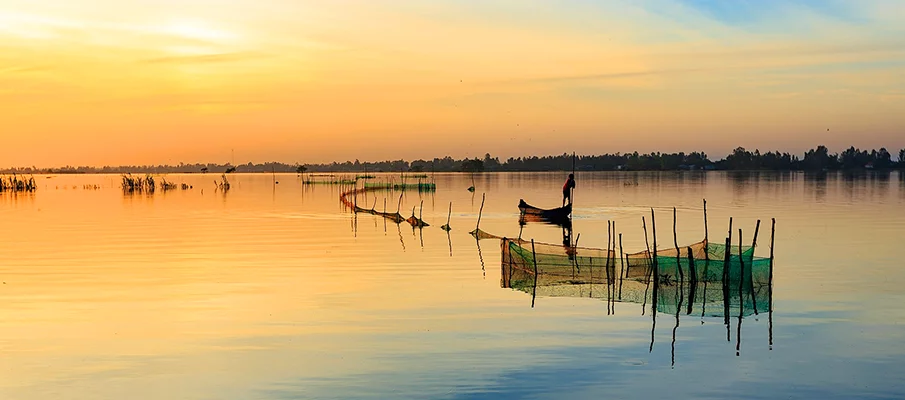
- Hue is a city located in central Vietnam, situated on the eastern coast of the country. It is the capital of Thua Thien-Hue province and is located on the banks of the Perfume River, which runs through the city from north to south. Hue is approximately 660 kilometers (410 miles) south of Hanoi, the capital of Vietnam, and about 1,100 kilometers (680 miles) north of Ho Chi Minh City, the largest city in Vietnam.
- Hue is surrounded by mountains and hills, with the Truong Son Mountains to the west and the Bach Ma Mountains to the south. The city covers an area of 70.67 square kilometers (27.29 square miles), with an elevation of 5 meters (16 feet) above sea level. The climate in Hue is tropical monsoon, with high temperatures and humidity year-round, and a rainy season from September to December.
- The city is divided into two main areas: the older, historical area to the north of the river, which includes the Imperial City and the tombs of several emperors, and the newer, modern area to the south of the river, which is home to many hotels, restaurants, and tourist facilities. Hue is also close to several other popular destinations in central Vietnam, such as Da Nang, Hoi An, and the My Son Sanctuary.
What is a History and Culture of Hue:
-
- Hue has a rich and fascinating history that spans over a thousand years. The city was originally founded as a small fishing village in the 17th century, but it wasn’t until 1802 that it became the capital of the Nguyen Dynasty, which ruled Vietnam until the mid-19th century. During this period, Hue was a center of culture and religion and was renowned for its magnificent architecture, literature, and music. The Nguyen emperors built a complex of palaces and temples known as the Imperial City, which served as the political and cultural center of Vietnam.
- In 1885, the French colonialists took control of Vietnam and moved the capital to Hanoi, which marked the beginning of Hue’s decline as a political and cultural center. During the Vietnam War, Hue was heavily damaged, especially during the Tet Offensive of 1968, but many of its historic landmarks have since been restored and preserved.
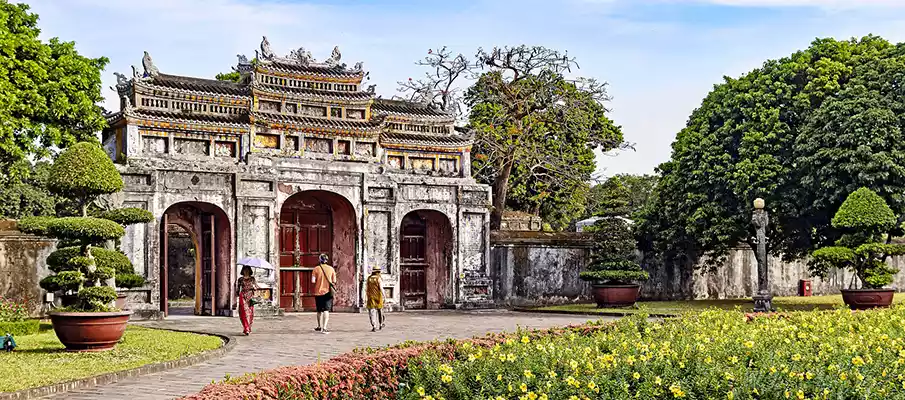
- Today, Hue is known for its unique culture, which is a blend of Vietnamese, Chinese, and French influences. The city is home to many museums, art galleries, and traditional craft villages where visitors can learn about local art and culture. One of the most significant cultural sites in Hue is the Imperial City, which was the residence of the Nguyen emperors and their royal court. The complex covers an area of 520 hectares and includes numerous palaces, temples, and gardens. The Imperial City is a UNESCO World Heritage Site and is one of the most visited tourist attractions in Hue.
BOOK A TOUR / ACTIVITY in Hue ➜
-
- Another important cultural site in Hue is the Thien Mu Pagoda, a seven-story temple that is located on a hill overlooking the Perfume River. The pagoda is considered one of the symbols of Hue and is a popular destination for visitors. Hue is also known for its traditional music, including the royal court music, which was once performed exclusively for the Nguyen emperors. The city is home to many musicians and artists who continue to preserve and promote this unique art form.
- In summary, Hue has a rich and complex history and culture that is shaped by its position as a former imperial capital and its unique blend of Vietnamese, Chinese, and French influences. The city’s many cultural sites and traditions make it a fascinating destination for visitors who want to learn about Vietnam’s past and present.
Festivals in Hue:
-
- Hue Festival: The Hue Festival is a biennial event that celebrates the culture and heritage of Hue. The festival features music, dance, theater, and other performances, as well as food and craft markets. The festival is a great way to experience the vibrant culture of Hue and see traditional arts and crafts being made.
- Royal Court Music: Royal Court Music is a unique form of music that was performed exclusively for the Nguyen emperors. The music is characterized by its slow, graceful rhythms and intricate melodies. Today, visitors can see performances of Royal Court Music at various cultural sites in Hue.
- Hue Traditional Craft Festival: The Hue Traditional Craft Festival is a biennial event that showcases the traditional crafts of Hue and the surrounding region. Visitors can see artisans demonstrating their skills in pottery, weaving, embroidery, and other crafts. The festival is a great way to learn about traditional crafts and see how they are made.
Economy in Hue:
-
- Hue has a diverse economy that is driven by a variety of industries, including tourism, agriculture, and manufacturing. Tourism is one of the most important industries in Hue, with the city attracting millions of visitors each year who come to see its historic landmarks and experience its unique culture.
-
- The tourism industry in Hue is supported by a wide range of hotels, restaurants, and other businesses that cater to visitors. In addition to the many cultural sites and landmarks in Hue, the city also has a vibrant culinary scene, with many restaurants serving traditional Hue cuisine.
-
- Agriculture is another important industry in Hue, with the surrounding countryside known for its rice paddies and vegetable farms. The fertile land and favorable climate in the region make it ideal for growing a variety of crops, including rice, corn, and vegetables.
-
- The manufacturing industry in Hue has been growing in recent years, with a focus on industries such as textiles, garments, and handicrafts. Many traditional handicrafts, such as pottery, embroidery, and weaving, are still produced in Hue and sold both locally and internationally.
Discover the Hidden Gems of Hue:
-
- Hue is one of the most popular tourist destinations in Vietnam, known for its rich history, stunning architecture, and unique cultural traditions. The city attracts millions of visitors each year who come to explore its many cultural landmarks and experience its vibrant culture. One of the main attractions in Hue is the Imperial City, a large complex of palaces, temples, and pavilions that served as the seat of the Nguyen Dynasty emperors. Visitors can explore the many buildings and structures within the complex, including the Thien Mu Pagoda and the Tomb of Tu Duc, both of which are iconic landmarks in Hue.
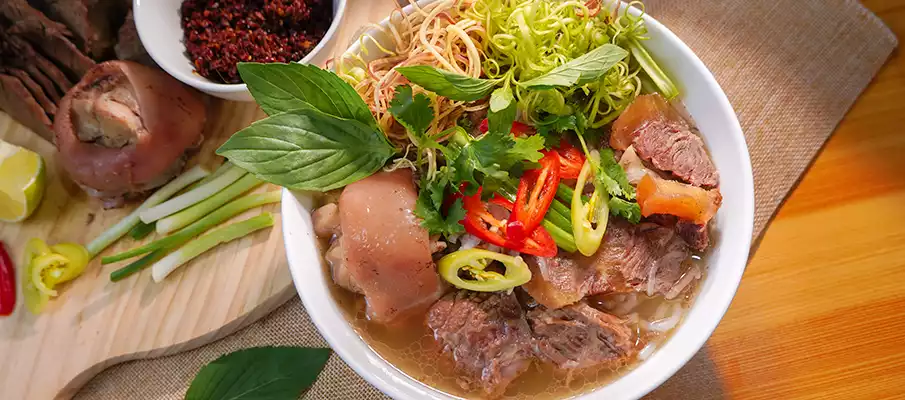
- Hue is also known for its traditional cuisine, which features many dishes that are unique to the city. Some of the most famous dishes include bun bo Hue, a spicy beef noodle soup, and banh khoai, a savory pancake filled with shrimp and pork. The city has a vibrant cultural scene, with many attractive and popular festivals and events taking place throughout the year. The Hue Festival, held biennially, is a celebration of the city’s cultural heritage and features music, dance, theater, and other performances.
- In addition to its cultural attractions, Hue is also known for its natural beauty. The Perfume River, which runs through the city, is a popular destination for boat tours, while the surrounding countryside offers opportunities for hiking, cycling, and other outdoor activities. The government has been investing in tourism infrastructure and promoting the city as a top destination in Vietnam. There are many hotels, guesthouses, and other accommodation options in Hue, ranging from budget to luxury, and the city is easily accessible by air, train, or bus.
Book your Accommodation in Hue ➜
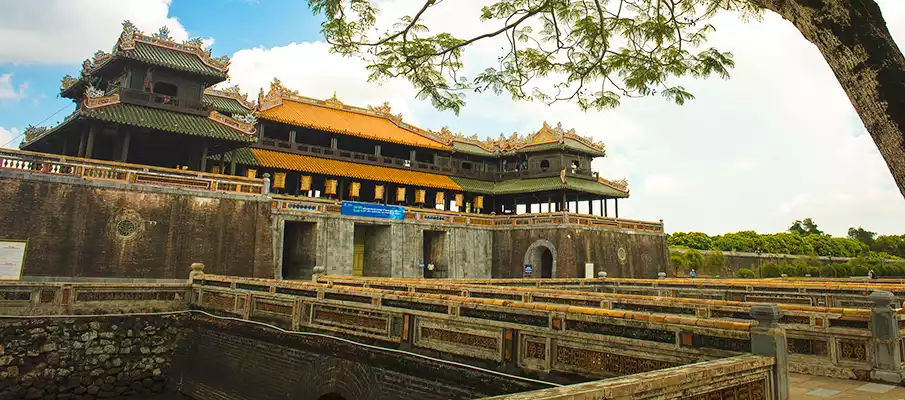
The Imperial City of Hue (Hue Citadel):
-
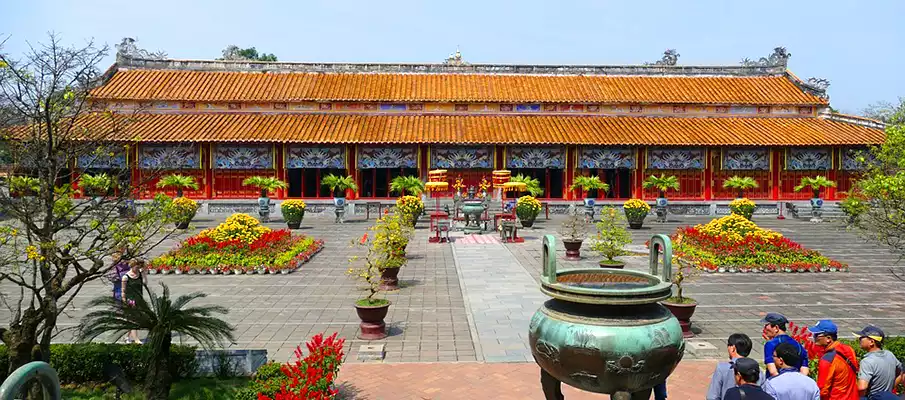
- The Imperial City of Hue is a vast complex of palaces, temples, and pavilions that served as the seat of the Nguyen Dynasty emperors from 1802 to 1945. The complex is located on the northern bank of the Perfume River and covers an area of over 500 hectares. The Imperial City is surrounded by a moat and high walls, and is entered through ten imposing gates, each guarded by large stone statues. Inside the complex, visitors can explore a vast array of buildings and structures, including the Forbidden Purple City, the Thai Hoa Palace, and the Hall of Supreme Harmony.
- The Forbidden Purple City was the residence of the emperor and his family, and was off-limits to all but the closest advisors and family members. The Thai Hoa Palace was the venue for important ceremonies and events, while the Hall of Supreme Harmony was used for important court meetings. The Imperial City of Hue is notable for its stunning architecture, which blends traditional Vietnamese design with French colonial influence. The complex was heavily damaged during the Vietnam War, but many of the buildings have been restored and are now open to visitors.
- Visiting the Imperial City is a must for anyone interested in Vietnamese history and culture. The complex is a UNESCO World Heritage Site and is considered one of the most important cultural landmarks in Vietnam.
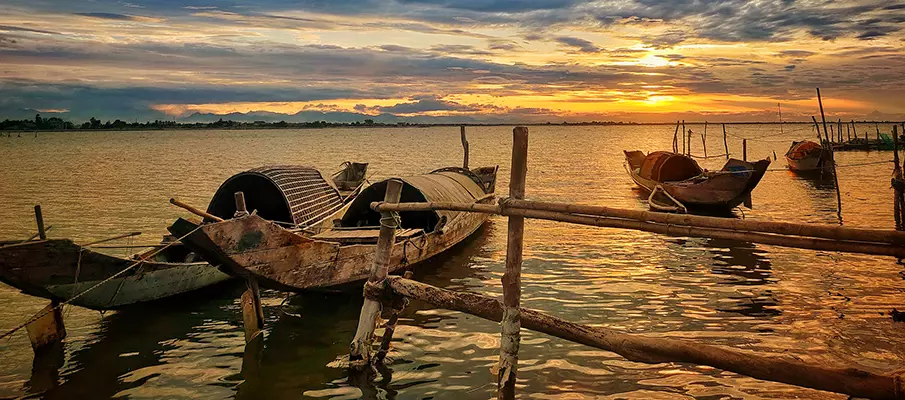
The Perfume River in Hue:
-
- The Perfume River is one of the most iconic landmarks in Hue, Vietnam. The river is approximately 80 kilometers long and runs through the heart of the city, dividing it into two parts: the north bank and the south bank. The river is a source of life for the people of Hue, providing water for irrigation and fishing.
-
- The name “Perfume River” comes from the flowers that fall into the river from orchards upstream, which give off a sweet fragrance. The river is also associated with poetry and literature, and many famous Vietnamese poets have written about its beauty.
-
- The Perfume River is an important part of Hue’s history and culture. It was the site of many important battles during the Vietnam War, and the riverbanks are lined with historical landmarks and cultural sites. One of the most famous landmarks on the river is the Thien Mu Pagoda, which is located on the north bank of the river and is considered the unofficial symbol of Hue. The pagoda is a seven-story tower that was built in the 17th century and is still an active Buddhist monastery today.
-
- Visitors to Hue can take a boat tour along the Perfume River to explore its natural beauty and historical significance. The boat tour typically includes stops at cultural landmarks such as the Thien Mu Pagoda, as well as other historical sites along the river. The boat tour is a popular activity for tourists, offering a unique perspective on the city and its rich cultural heritage.
BOOK A TOUR / ACTIVITY in Hue ➜

Top 10 Historical Landmarks in Hue:
Hue boasts several highly significant historical landmarks and sites. The most prominent is the Imperial Citadel, but Hue and its vicinity are home to a range of other important monuments and structures. Here are the most vital among them:
-
- 1. Imperial Citadel: An impressive complex of palaces, temples, and pavilions serving as the residence of Nguyen Dynasty emperors. Located on the northern bank of the Perfume River, it’s a UNESCO World Heritage site. The Imperial Citadel encompasses the Imperial City and the Forbidden Purple City, where royal residences and offices were situated.
- 2. Royal Tombs: Several beautiful tombs of Nguyen Dynasty emperors surround Hue. These tombs are known for their unique architecture, blending traditional Vietnamese style with influences from foreign cultures. Each tomb has its own distinctive features and is surrounded by stunning landscapes.
- 3. Thien Mu Pagoda: This iconic seven-story pagoda from the 17th century is visible from afar due to its height and beautiful location on the banks of the Perfume River. The pagoda has a rich history intertwined with Buddhism, and many notable figures have come here to meditate. The pagoda offers a splendid view of the surrounding landscape.
- 4. Forbidden Purple City: This former residence of the imperial family showcases the beauty and elegance of imperial architecture. Situated within the Imperial Citadel, it was accessible only to the emperor and his immediate family. Today, you can see remains of some beautiful palaces and gardens here.
- 5. Trang Tien Bridge: This historic bridge connects the traditional part of the city with the modern center. Built during the colonial era, its elegant architecture is a fusion of Vietnamese and French elements. The bridge is a favorite spot for walks and offers a view of the Perfume River.
- 6. Dieu De Complex: This temple complex includes several old buildings adorned with beautiful sculptures and paintings. It’s a place where you can experience a peaceful atmosphere and deep spiritual ambiance.
- 7. Ngo Mon Gate: The main gate of the Imperial Citadel, also serving as an entrance pavilion. This impressive gate is richly decorated and was historically a venue for important events and ceremonies.
- 8. Thanh Toan Bridge: This picturesque bridge connects a traditional village area. Known for its covered passages and traditional markets, the bridge and its surroundings offer a glimpse into rural Vietnamese life.
- 9. Chua Ong Pagoda: This old Buddhist pagoda is famed for its rich decorations and tranquil atmosphere. It’s a place to explore the profound significance of Buddhist religion in Hue’s culture.
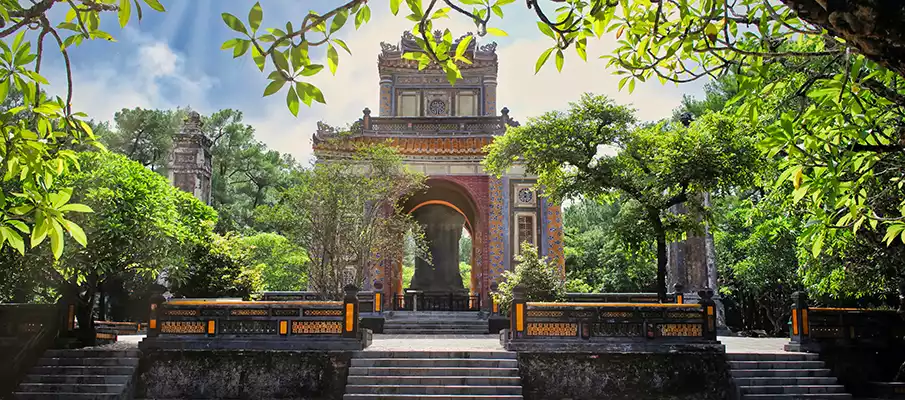
- 10. Khai Dinh Tomb: This intriguing tomb combines traditional Vietnamese style with European elements. It’s a tribute to Emperor Khai Dinh, featuring a rich mosaic interior and statues narrating the emperor’s life.
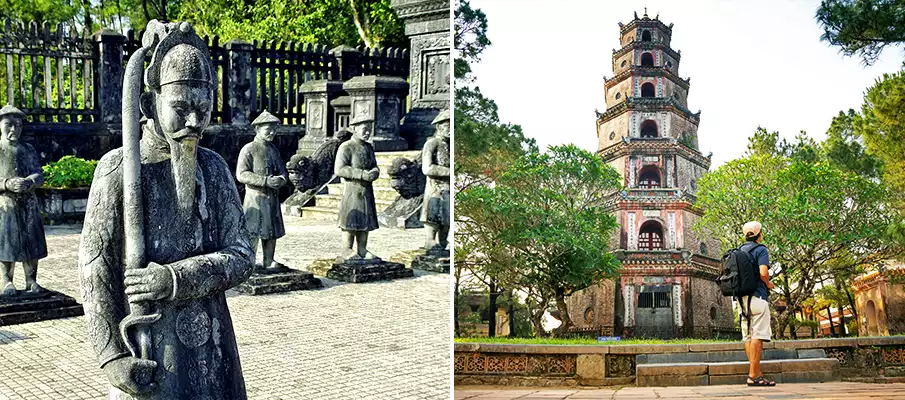
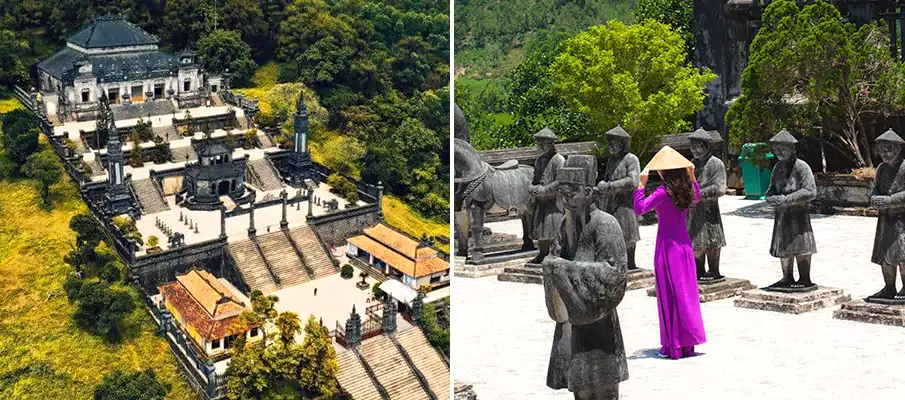
Mausoleum of Emperor Khai Dinh: A Unique Hue Landmark.
Tucked away amidst the lush landscapes of Hue, Vietnam, the Mausoleum of Emperor Khai Dinh stands as an architectural masterpiece, captivating all who visit. This imperial tomb, built to honor Emperor Khai Dinh, the 12th ruler of the Nguyen Dynasty, fuses Eastern and Western influences, making it a must-see attraction for history and architecture enthusiasts.
-
- A Unique Fusion of Styles: What sets the Khai Dinh Tomb apart from other imperial tombs is its harmonious blend of architectural styles. The monument gracefully melds traditional Vietnamese design with distinct French colonial influences. This fusion results in a captivating visual experience that reflects both the emperor’s personal tastes and the historical context of his reign.
- Intricate Interior Grandeur: Stepping inside the main tomb building, visitors are greeted by a stunning display of intricate mosaic and glass artwork. The interior’s opulence showcases a unique merger of Eastern and Western artistic elements, underscoring Emperor Khai Dinh’s fascination with foreign cultures.
- Symbolism and Scenic Views: The Khai Dinh Tomb boasts a network of courtyards, pavilions, and gardens, each thoughtfully designed to convey profound symbolism. While exploring the site, visitors can take in panoramic views of the Perfume River and the surrounding countryside, adding to the serene ambiance.
- A Glimpse into Vietnamese History: This mausoleum is a cultural and historical treasure in Vietnam, allowing guests to delve into the history of the Nguyen Dynasty. The Mausoleum of Emperor Khai Dinh offers a captivating journey through time and artistic evolution, making it an essential stop on any visit to Hue.
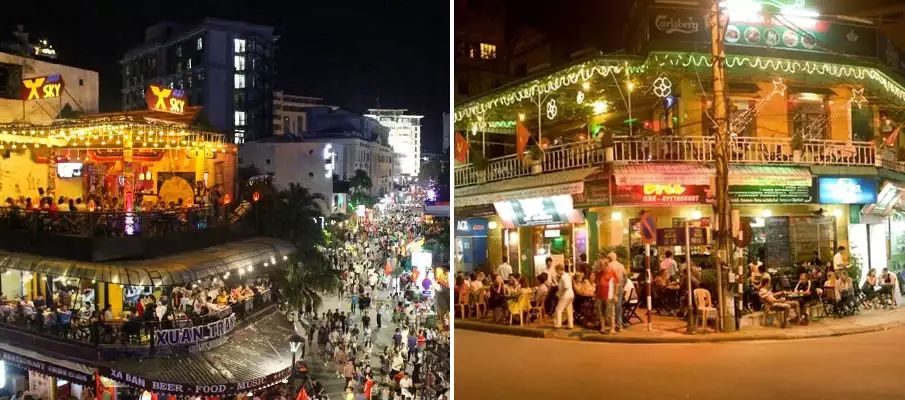
Hue Night Walking Street: Where Culture and Cuisine Unite.
In the heart of Hue, Vietnam, a magical transformation occurs as the sun sets. The city’s enchanting Hue Night Walking Street, or “Pho Dem Hue,” comes to life, becoming a hub of culture, cuisine, and community.
-
- An Evening Spectacle: From early evening, the Hue Night Walking Street becomes a captivating spectacle of lights, colors, and lively street performers. Rows of colorful lanterns illuminate the streets, creating a dreamlike atmosphere. It’s a place where tourists and locals alike converge, looking to immerse themselves in the city’s rich cultural heritage.
-
- Culinary Delights: Hue has earned a well-deserved reputation for its culinary prowess, and this night walking street is a paradise for food enthusiasts. As you stroll along the bustling street, your senses are enticed by the aromatic symphony of street food vendors. You can savor a wide variety of traditional Vietnamese dishes, with the iconic bun bo Hue, a spicy beef noodle soup, taking center stage.
-
- Cultural Showcases: While your taste buds are on a journey of their own, your ears are treated to a symphony of traditional music and the graceful movements of dancers. Hue’s rich cultural heritage takes center stage as local musicians and artists perform on the streets, providing a melodious backdrop to your visit. Music and dance are not merely performances but expressions of local traditions and history.
-
- Shop and Stroll: The Hue Night Walking Street offers more than just culinary and cultural experiences. Along the way, you’ll come across numerous craft stalls and souvenir shops. These stalls present a unique opportunity to take home a piece of Vietnam. Here, you can browse for beautiful handicrafts and distinctive souvenirs, ensuring that your visit to the night walking street leaves a lasting impression.
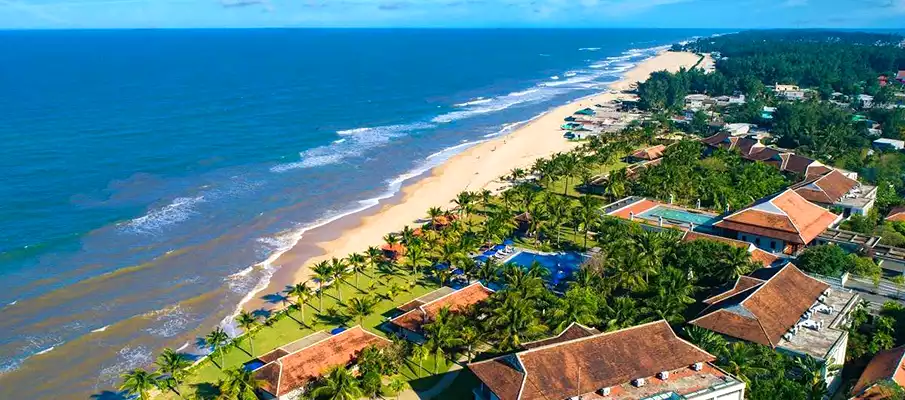
The Best and Popular Beaches For Relax Close to Hue:
Hue, in central Vietnam, is not primarily known for its beaches, but there are several beautiful coastal destinations a short drive away. Here is a list of some of the best beaches near Hue, along with detailed descriptions for each:
-
- Thuan An Beach: Thuan An Beach, situated just 14 kilometers northeast of Hue, offers a more local and laid-back experience. The long coastline provides plenty of space for beachcombing, swimming, or sunbathing. The area is dotted with seafood stalls and small restaurants where you can savor delicious seafood dishes, especially the fresh catch of the day. A scenic bridge takes you across the Tam Giang Lagoon to reach the beach, providing beautiful vistas.
- Hai Duong Beach: Bãi Biển Hải Dương, also known as Hai Duong Beach, is a lesser-known beach located in the Phu Loc District of Thua Thien-Hue Province in Vietnam. This beach is situated about 20 kilometers from the city of Hue, and it’s relatively less crowded compared to some of the more popular coastal destinations in the country. Hai Duong Beach is characterized by its long and picturesque shoreline, featuring golden sands and clear waters. While it may not be as developed as some of the famous tourist destinations, this beach provides a serene and peaceful escape for those looking to enjoy the natural beauty of the coast without the crowds.
-
- Lang Co Beach: Located approximately 65 kilometers south of Hue, Lang Co Beach is a pristine stretch of golden sand nestled between a sparkling lagoon and the South China Sea. The clear blue waters and tranquil surroundings make it a perfect spot for relaxation. You can enjoy a peaceful swim, indulge in fresh seafood at local restaurants, or simply bask in the sun while taking in the stunning views of the Hai Van Pass. Lang Co is also a great starting point for exploring the nearby Bach Ma National Park.
- Canh Duong Beach: Canh Duong Beach, also known as Alba Thanh Tan Beach, is approximately 55 kilometers north of Hue. This relatively untouched and quiet beach is a hidden gem, with soft white sand and clear, inviting waters. It’s perfect for those seeking a tranquil escape from the hustle and bustle of the city. The nearby Alba Thanh Tan Hot Springs offer a unique blend of relaxation, as you can unwind in natural hot springs and then head to the beach for a refreshing swim.
Why to visit or not to visit Hue?
Hue can be a wonderful destination for those interested in history, nature, and food. However, visitors should be prepared for hot weather, crowds, and limited tourist facilities. Despite these potential challenges, Hue’s rich cultural heritage and natural beauty make it a worthwhile destination to visit. Whether or not to visit Hue depends on your interests and preferences. Here are some reasons to visit Hue:
👉 Reasons to visit Hue:
-
- Cultural heritage: Hue is home to several UNESCO World Heritage Sites, including the Imperial Citadel and the Tombs of the Emperors, which reflect the city’s rich history and culture. Visitors can explore these sites to learn more about Vietnam’s imperial past and the country’s unique architecture and design.
- Natural beauty: Hue is surrounded by mountains, forests, and rivers, making it an ideal destination for outdoor enthusiasts. Visitors can enjoy activities such as hiking, biking, and boating to take in the area’s natural beauty.
- Food: Hue is famous for its royal cuisine, which includes dishes such as Bun Bo Hue, Banh Khoai, and Nem Lui. Visitors can sample these dishes at local restaurants and markets to experience the city’s culinary delights.
👉 Reasons not to visit Hue:
-
- Weather: The weather in Hue can be hot and humid, especially during the summer months. Visitors may need to plan their visit accordingly and stay hydrated.
- Crowds: Hue is a popular destination, and it can get crowded during peak tourist season. Visitors may need to be prepared to navigate through crowds and wait in long queues.
- Limited tourist facilities: Hue may not have as many tourist facilities compared to other popular destinations in Vietnam. Visitors may need to do some research and plan their trip accordingly.
Food and Cuisine in Hue:
-
- Hue is known for its rich and diverse culinary traditions, with a unique blend of Vietnamese, Chinese, and French influences. The city is home to a wide range of dishes and flavors, from rich soups and stews to spicy noodles and savory pancakes.
- One of the most famous dishes in Hue is Bun Bo Hue, a spicy beef noodle soup that is popular throughout Vietnam. The soup features tender slices of beef, pig’s feet, and Vietnamese ham, along with a variety of herbs and spices. Another popular dish is Com Hen, a rice dish that is topped with baby clams, sliced pork, and a variety of herbs and vegetables.
- Hue is also known for its Banh Beo, which are small steamed rice cakes that are topped with dried shrimp, scallions, and crispy pork rind. Another popular dish is Banh Khoai, a savory pancake made with rice flour, turmeric, and mung bean, and stuffed with pork, shrimp, and bean sprouts.
- When it comes to dessert, Hue is known for its Che, a sweet soup made with coconut milk, beans, and fruits. One of the most popular varieties is Che Hue, which features a mix of green and yellow beans, and is often topped with coconut cream and sesame seeds.
- In summary, Hue is a food lover’s paradise, with a rich and diverse culinary heritage that is sure to tantalize the taste buds. Some of the most famous dishes include Bun Bo Hue, Com Hen, Banh Beo, and Banh Khoai, while popular snacks and desserts include Banh Trang Tron, Banh Nam, and Che Hue. Whether you’re a foodie or simply looking to try something new, Hue’s cuisine is not to be missed.
✈️ How to get and travel to Hue?
-
- By Air: The nearest airport to Hue is Phu Bai International Airport, which is located approximately 15 kilometers from the city center. The airport is served by several domestic airlines, including Vietnam Airlines, Vietjet Air, and Bamboo Airways, with direct flights to major cities in Vietnam such as Hanoi or Ho Chi Minh City as well as international destinations such as Bangkok and Seoul.
- By Train: The Reunification Express train runs from Hanoi to Ho Chi Minh City and stops at Hue along the way. The train journey from Hanoi to Hue takes approximately 13 hours, while the journey from Ho Chi Minh City to Hue takes around 22 hours. The train is a great way to see the Vietnamese countryside and is a popular option for budget travelers. There are also sleeper cabins or seats.
- By Bus: There are several bus companies that operate between Hue and other cities in Vietnam, including Hanoi, Ho Chi Minh City, Danang, and Hoi An. The bus journey from Hanoi to Hue takes around 14 hours, while the journey from Ho Chi Minh City to Hue takes approximately 20 hours. Buses are generally the cheapest option for traveling in Vietnam, but can be less comfortable than trains or flights. There are also tourist buses from Da Nang to Hue.
- Book and buy tickets / flights from Hanoi to Hue on Baolau ➜ or 12go.asia ➜

☀️ Weather in Hue + The best time to visit:
-
- Hue has a tropical climate with two distinct seasons: the dry season from March to August, and the rainy season from September to February. The average temperature in Hue ranges from 20°C (68°F) to 35°C (95°F), with high humidity levels throughout the year.
- The best time to visit Hue is during the dry season from March to August, when the weather is sunny and warm with occasional rain showers. The temperatures during this time range from 25°C (77°F) to 35°C (95°F), and the skies are generally clear, making it ideal for outdoor activities and sightseeing.
- You can also read this article: The Best Time to Visit Vietnam.
- The rainy season from September to February can be unpredictable, with heavy rains and occasional flooding. However, the rains can also bring a refreshing change to the hot and humid weather, and the surrounding countryside is lush and green during this time.
- One of the best times to visit Hue is during the annual Hue Festival, which takes place in April and features cultural performances, food and drink stalls, and a variety of traditional activities. This is a great time to experience the rich cultural heritage of Hue and the surrounding areas. ➜ Current weather in Hue.
| Month | Season | Description |
|---|---|---|
| January | Transition Season | Cool and pleasant weather is ideal for sightseeing and exploring Hue’s historical landmarks. |
| February | Dry Season | Sunny days and comfortable temperatures make February perfect for outdoor activities. |
| March | Dry Season | Warm, mostly dry weather offers excellent conditions for exploring the Imperial City. |
| April | Dry Season | One of the best months to visit with sunny weather and little rainfall. |
| May | Dry Season | Hot weather continues, although humidity gradually begins to increase. |
| June | Dry Season | Sunny and hot conditions are ideal for sightseeing and nearby beach trips. |
| July | Dry Season | Warm weather continues with occasional showers and plenty of sunshine. |
| August | Transition Season | Humidity increases as the rainy season gradually begins later this month. |
| September | Rainy Season | Frequent rain showers become common, with occasional storms and flooding. |
| October | Rainy Season | October is usually the wettest month with heavy rainfall and possible floods. |
| November | Rainy Season | Rain gradually decreases, although wet weather remains common throughout the month. |
| December | Transition Season | Cooler temperatures return as rainfall decreases and drier weather develops. |
🏡 Accommodation in Hue / Where to Stay:
-
- Hue offers a range of accommodation options to suit different budgets and preferences, including budget hostels, mid-range hotels, and luxury resorts. Some popular accommodation options in Hue include:
- Budget hostels and guesthouses: There are several budget-friendly hostels and guesthouses in Hue that offer basic amenities such as shared dorms or private rooms, free Wi-Fi, and common areas for socializing. Some popular options include Hue Happy Homestay, Hue Backpackers Hostel, and Hue Home Hotel.
- Mid-range hotels: There are also several mid-range hotels in Hue that offer comfortable rooms and modern amenities such as air conditioning, Wi-Fi, and flat-screen TVs. Some popular options include Eldora Hotel, Cherish Hotel, and Romance Hotel.
- Luxury resorts: For those looking for a more luxurious experience, there are several high-end resorts in Hue that offer luxurious accommodations, spa services, and fine dining options. Some popular options include Banyan Tree Lang Co, Angsana Lang Co, and Vedana Lagoon Resort & Spa.
- In addition to these options, there are also homestays and boutique hotels available in Hue for travelers seeking a more unique and personalized experience. It’s best to book your accommodation in advance, especially during peak season and major events, to ensure availability and get the best deals.
➜ Accommodation in Hue – Book Here

🔍 Interesting Places + Activities in Hue:
- Imperial City: Explore Hue’s UNESCO-listed imperial complex with palaces, temples, and royal gates.
- Hue Museum of Royal Antiquities: Discover royal artifacts and treasures from the Nguyen Dynasty.
- Thien Mu Pagoda: Visit Hue’s iconic seven-story pagoda overlooking the Perfume River.
- Tomb of Tu Duc: Explore elegant gardens and the peaceful royal mausoleum of Emperor Tu Duc.
- Mausoleum of Emperor Khai Dinh: Admire a unique blend of Vietnamese and European imperial architecture.
- Mausoleum of Emperor Minh Mang: Visit one of Hue’s most beautiful royal tombs surrounded by lakes and gardens.
- An Dinh Palace: Discover the former residence of Vietnam’s last emperor, Bao Dai.
- Nguyen Dinh Chieu Walking Street: Enjoy cafés, street performances, and evening walks beside the river.
- Hue Night Walking Street: Experience Hue’s nightlife with food stalls, music, and local entertainment.
- Perfume River: Take a relaxing boat cruise through the heart of Hue.
- Hue Citadel: Walk through massive walls, gates, and historic monuments inside the ancient fortress.
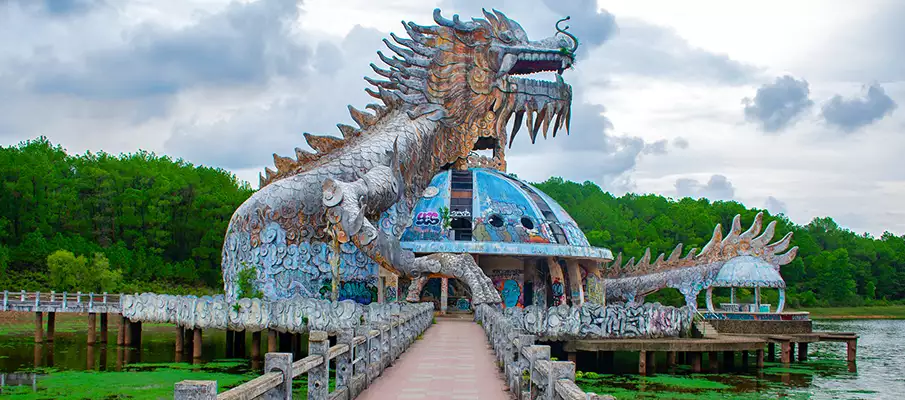
- Thuy Tien Lake Abandoned Water Park: Explore Hue’s famous abandoned dragon-themed water park.
- Dong Ba Market: Shop for souvenirs, local food, spices, and traditional Vietnamese products.
- Hue Street Food Tour: Taste local specialties including Bun Bo Hue, Banh Khoai, and Banh Beo.
- Thuan An Beach: Relax on a quiet sandy beach just a short drive from Hue.
❓ Frequently Asked Questions + Travel Tips about Hue:
How to book train, bus tickets, or flights to Hue?
You can book trains, buses, flights, and private transfers to Hue via Baolau ➜ or 12go.asia ➜.
What is the best time to visit Hue?
The best time to visit Hue is from March to August when warm, mostly dry weather is ideal for sightseeing.
Is Hue safe for tourists?
Yes, Hue is generally a safe destination. Follow normal travel precautions and keep valuables secure.
What should you wear at religious sites?
Wear modest clothing that covers your shoulders and knees, and remove your shoes when required.
Can you rent a motorbike in Hue?
Yes. You can rent a motorbike in Hue, but always wear a helmet and drive carefully.
What are the best day trips from Hue?
Popular excursions include Bach Ma National Park, the DMZ, Hoi An, and Hai Van Pass.
What food should you try in Hue?
Don’t miss Bun Bo Hue, Banh Khoai, Nem Lui, and the city’s famous spicy local cuisine.
What is the nightlife like in Hue?
Hue has a relaxed nightlife with riverside bars, walking streets, and traditional cultural performances.
Do you need a guide for the Imperial City?
A guide is optional, but it helps explain the history, architecture, and significance of the imperial complex.
What souvenirs should you buy in Hue?
Popular souvenirs include conical hats, silk products, lacquerware, tea, and local handicrafts.
Why is Hue historically important?
Hue was Vietnam’s imperial capital and the political center of the Nguyen Dynasty from 1802 to 1945.
How did Hue become Vietnam’s imperial capital?
Emperor Gia Long established Hue as the imperial capital in 1802 after founding the Nguyen Dynasty.
What historical sites should you visit in Hue?
Visit the Imperial City, royal tombs, Thien Mu Pagoda, and other UNESCO-listed imperial monuments.
Why is Hue linked to the Vietnam War?
Hue was the site of the major Battle of Hue during the 1968 Tet Offensive.
How can you travel solo in Vietnam?
Solo travel in Vietnam is affordable, safe, and well suited for independent travelers.
Which islands are the best to visit in Vietnam?
Popular choices include Phu Quoc and other destinations featured in Best Islands in Vietnam.
BOOK A TOUR / ACTIVITY in Hue ➜

Thanh Hoa Province|Krabi to Koh Jum|Battambang to Bangkok|Rayong to Koh Samet|Weather in Karon|Weather in Patong|Weather in Railay