
ℹ️ Information – Siem Reap
✈️ How to get to Siem Reap
☀️ Weather in Siem Reap
🏡 Where to stay in S.Reap
🔍 Sightseeing in Siem Reap
❓ FAQ + Travel Tips + Info
🎫 Book a Tour in S.Reap
🎫 Book Ticket to S.Reap
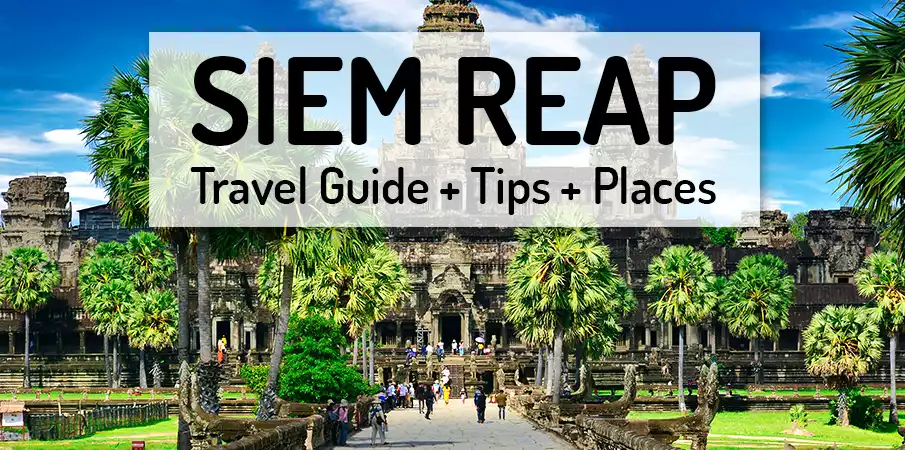
Quick answer: Siem Reap is Cambodia’s most popular tourist destination and the gateway to the world-famous Angkor Archaeological Park. Besides exploring ancient temples, visitors can enjoy Khmer cuisine, vibrant markets, Tonlé Sap Lake, cultural performances and scenic day trips to nearby natural attractions.
At a glance:
- 🏯 Angkor Temples: Explore Angkor Wat, Bayon, Ta Prohm and other famous temples.
- 🎭 Cultural Shows: Enjoy traditional Khmer Apsara dance performances.
- 🍜 Food & Markets: Taste Khmer cuisine and visit the Old Market.
- ⛵ Tonlé Sap Lake: Visit floating villages and local communities.
- 🌿 Phnom Kulen: See waterfalls, temples and sacred carvings.
- 🛺 Getting Around: Tuk-tuks, bicycles and taxis are widely available.
- 🎨 Local Crafts: Discover silk weaving and stone carving workshops.
- 🕰️ Best Time: November to March offers the best weather.
Last updated in July 2026
Siem Reap: Where Ancient Wonders and Natural Beauty Converge.
-
- Nestled in the northwest of Cambodia, Siem Reap is a captivating city that serves as the gateway to the world-famous Angkor Wat temple complex. Situated along the banks of the scenic Siem Reap River and surrounded by lush landscapes, this destination offers a remarkable blend of history, culture, and natural splendor.
- The city’s prime location makes it easily accessible for travelers. Just a few hours’ drive or a short flight from Phnom Penh, Siem Reap welcomes visitors with open arms. As you venture into this enchanting city, you’ll be greeted by the flowing waters of the Siem Reap River, meandering through the heart of the city. Take a leisurely stroll along the riverfront promenade, where charming cafes and restaurants offer picturesque views and a delightful ambiance.
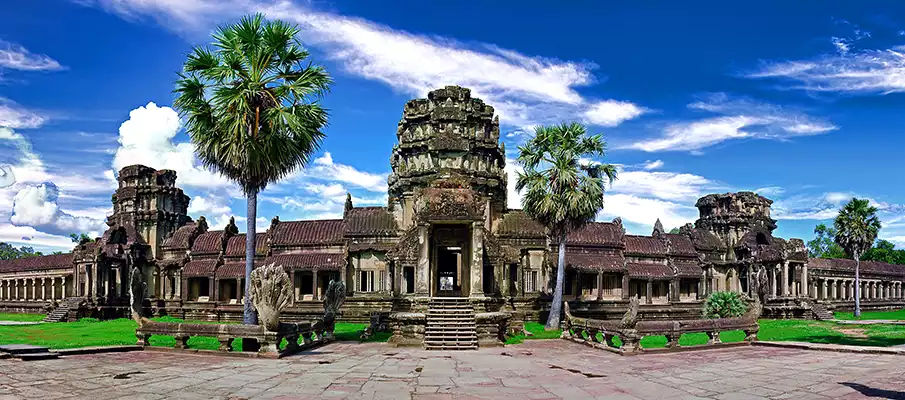
- Siem Reap’s crowning jewel is undoubtedly the nearby Angkor Archaeological Park. The awe-inspiring temples, including the iconic Angkor Wat, showcase the grandeur of the Khmer Empire, transporting visitors back in time. Marvel at the intricate carvings, towering spires, and ancient ruins that reveal stories of a glorious past. Exploring the temples at sunrise or sunset adds a touch of magic to your experience, as the soft golden hues bathe the ancient structures in an ethereal glow.
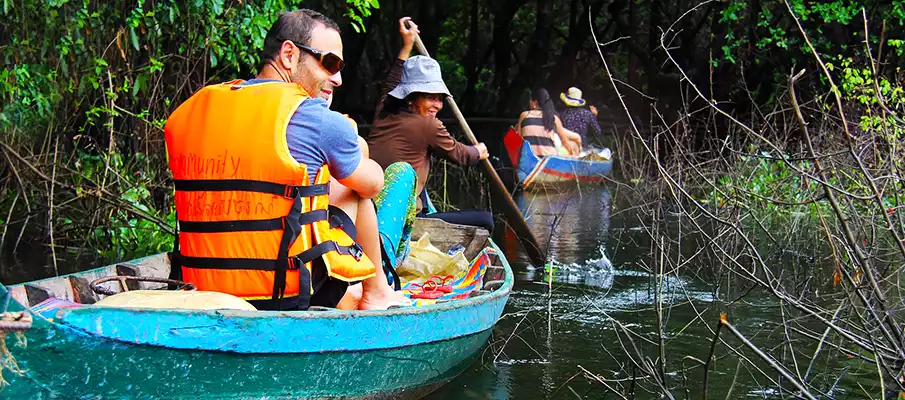
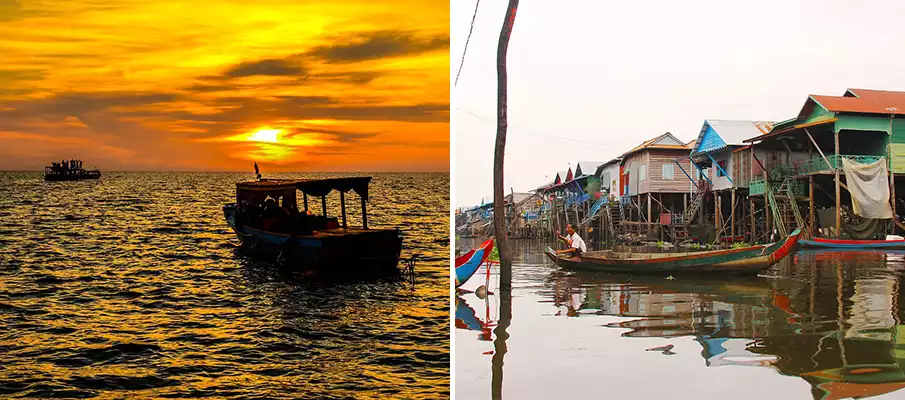
- Beyond the temples, Siem Reap is blessed with the presence of the vast Tonle Sap Lake. This ecological wonder, with its floating villages and diverse wildlife, offers a glimpse into the unique way of life along the water. Embark on a boat tour to witness the vibrant communities that thrive on the lake, and immerse yourself in the peacefulness of the surrounding nature.
Siem Reap in Cambodia: A Tapestry of History Unveiled.
Siem Reap, located in the northwestern part of Cambodia, has a rich and storied history that stretches back centuries. The city’s name, which means “Defeat of Siam,” reflects its historical significance as a battleground and a center of power. Here are a few key points that highlight the fascinating history of Siem Reap:
-
- 1. Angkor Era: The history of Siem Reap is closely tied to the rise and fall of the Khmer Empire, particularly during the Angkor period (9th to 15th centuries). This was a time of immense cultural and architectural achievements, with the construction of grand temples and the establishment of the capital city at Angkor. Siem Reap served as a hub for religious, economic, and political activities, catering to the needs of the empire’s rulers, priests, and citizens.
- 2. Architectural Marvels: The most significant historical legacy of Siem Reap is the Angkor Wat temple complex, a UNESCO World Heritage site and one of the most iconic architectural masterpieces in the world. Built in the 12th century, Angkor Wat stands as a testament to the engineering prowess and artistic sophistication of the Khmer civilization. It remains a symbol of national pride and a revered spiritual center for Cambodians.
- 3. Shifting Capitals: Throughout its history, Siem Reap has witnessed the rise and fall of different Khmer capitals. The city served as a seat of power during various periods, including the reign of King Jayavarman VII, who is credited with significant architectural contributions and the expansion of the empire. However, as the Khmer Empire declined, Siem Reap experienced a shift in political influence, and the capital was eventually relocated to Phnom Penh.
- 4. Colonial Era: Siem Reap, like the rest of Cambodia, came under French colonial rule in the 19th century. The French presence had a lasting impact on the city’s urban planning and architecture, as evident in the blend of traditional Khmer elements and colonial influences found in some buildings.
- 5. Post-Independence Era: Cambodia gained independence from France in 1953, marking a new chapter in Siem Reap’s history. The city underwent periods of turmoil, including the devastating Khmer Rouge regime in the late 1970s. Following the end of the Khmer Rouge, Siem Reap slowly began to rebuild and reestablish itself as a vibrant cultural and tourism destination.
Today, Siem Reap stands as a testament to the resilience of the Khmer people and their enduring cultural heritage. It is a place where history comes alive, offering visitors a chance to delve into the ancient past and witness the architectural marvels that have stood the test of time.
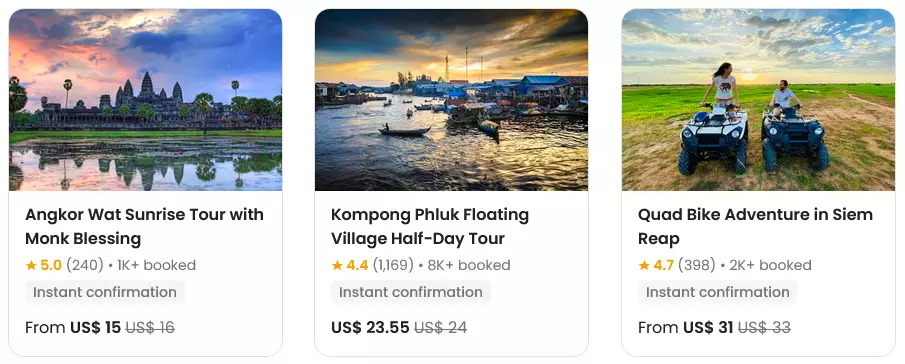
BOOK a TOUR / ACTIVITY in Siem Reap ➜
Siem Reap: A Tapestry of Vibrant Culture and Traditions:
Siem Reap is not only renowned for its ancient temples but also for its rich cultural heritage. The city’s cultural tapestry is woven with a diverse range of influences, traditions, and artistic expressions. Here are a few key points that highlight the captivating culture of Siem Reap:
-
- Khmer Culture: Siem Reap is deeply rooted in Khmer culture, which has flourished for centuries in Cambodia. The Khmer people, known for their warm hospitality and gentle demeanor, form the majority of the population in Siem Reap. They take immense pride in preserving their cultural traditions, from music and dance to cuisine and craftsmanship.
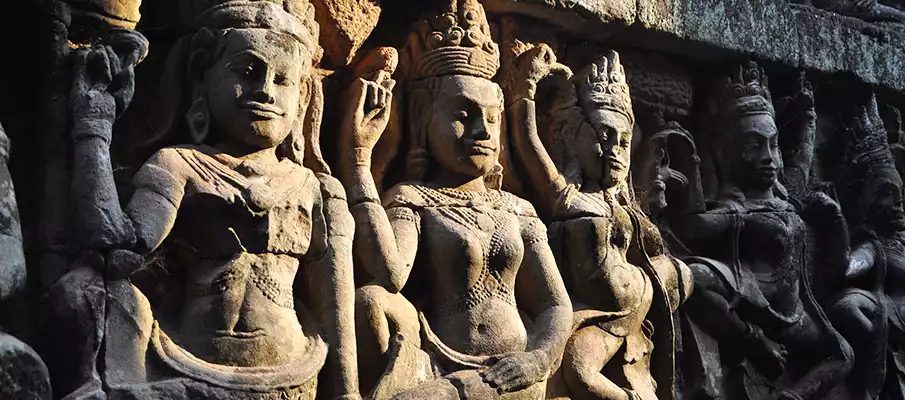
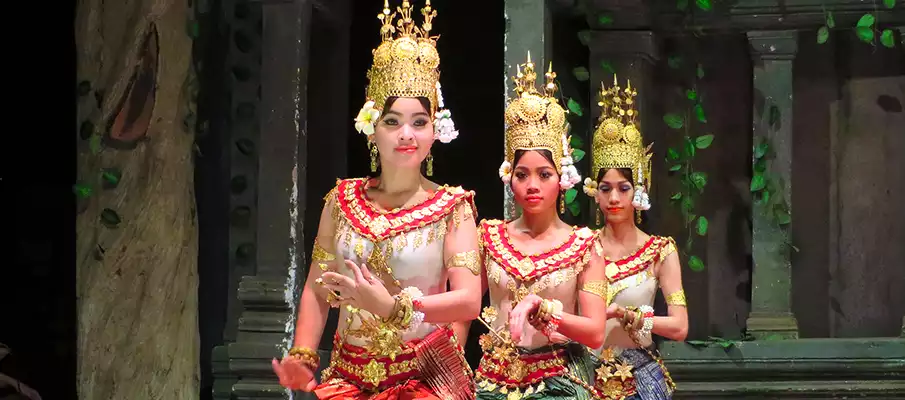
- Traditional Arts: Siem Reap is a hub for traditional Khmer arts and crafts. The city is known for its vibrant dance performances, with the Apsara dance being a prominent cultural highlight. This elegant dance form tells stories from Khmer mythology and is characterized by graceful hand movements, intricate costumes, and enchanting music. Visitors can witness captivating Apsara performances at various venues in Siem Reap.
- Culinary Delights: Siem Reap offers a delightful culinary journey that reflects the flavors of Khmer cuisine. From street food stalls to upscale restaurants, the city’s food scene tantalizes taste buds with dishes like amok (a traditional fish curry), lok lak (marinated beef), and bai sach chrouk (grilled pork with rice). Exploring the vibrant local markets, such as Psar Chas (Old Market), allows visitors to immerse themselves in the sights, smells, and tastes of Cambodian gastronomy.
- Festivals and Celebrations: Siem Reap comes alive during festive occasions when the city pulsates with energy and vibrant celebrations. The Khmer New Year, known as Choul Chnam Thmey, is one of the most significant cultural festivals, marked by water splashing, traditional games, and religious rituals. Other festivals like Pchum Ben (Ancestors’ Day) and Bon Om Touk (Water Festival) also hold special cultural significance and offer a glimpse into Khmer traditions.
- Handicrafts and Artisan Workshops: Siem Reap is home to talented artisans and craftsmen who create intricate works of art. Visitors can explore artisan workshops and galleries to witness the skillful craftsmanship behind traditional crafts such as silk weaving, stone carving, and silverwork. These crafts not only showcase the creativity of the Khmer people but also offer opportunities for visitors to support local artisans and take home unique souvenirs.
Siem Reap’s culture is a tapestry of traditions, arts, and culinary delights that captivate and inspire. From the enchanting Apsara dance performances to the tantalizing flavors of Khmer cuisine, the city invites visitors to immerse themselves in the vibrant cultural heritage of Cambodia. Exploring Siem Reap is an opportunity to delve into a world where ancient traditions blend seamlessly with modern influences, creating an experience that is both enriching and unforgettable.
The Economy of Siem Reap: A Thriving Tourism Hub.
Siem Reap’s economy has experienced remarkable transformation, primarily driven by the tourism industry. The city’s unique cultural heritage and the allure of Angkor Wat have put it on the global map, attracting visitors from around the world. The economic growth has brought prosperity to the local community, generating employment opportunities and improving the quality of life for many.
-
- Tourism: Siem Reap is best known as the gateway to the magnificent Angkor Archaeological Park, home to the world-famous Angkor Wat temple complex. Tourism plays a vital role in the city’s economy, attracting millions of visitors each year who come to explore the ancient temples and immerse themselves in Cambodian culture. The city offers a range of accommodation options, from budget guesthouses to luxury resorts, and a vibrant dining and entertainment scene to cater to the diverse needs of travelers.
- Hospitality and Services: The tourism industry in Siem Reap has given rise to a thriving hospitality and services sector. Numerous hotels, restaurants, cafes, and tour operators have emerged, providing employment opportunities for locals and contributing to the local economy. The service industry in Siem Reap focuses on delivering exceptional experiences to visitors, ensuring their comfort, and promoting the region’s cultural heritage.
- Artisan Crafts and Souvenir Industry: Siem Reap’s rich cultural heritage has fostered a vibrant artisan crafts industry. Local artisans specialize in traditional crafts such as silk weaving, stone carving, silverwork, and woodcarving. Visitors can purchase these intricately crafted souvenirs, supporting the local economy and taking home unique mementos of their Siem Reap experience.
- Agriculture and Agro-Industry: While the tourism sector dominates the economy, agriculture also plays a significant role in Siem Reap’s economy. The fertile surrounding countryside supports agricultural activities, including rice cultivation, vegetable farming, and fruit production. Local farmers contribute to the region’s food supply and provide opportunities for agricultural processing and agro-industrial ventures.
- Real Estate and Construction: The growing tourism industry has spurred real estate and construction activities in Siem Reap. As the demand for accommodations and commercial spaces increases, new hotels, resorts, restaurants, and other infrastructure developments have emerged. This sector not only supports economic growth but also provides employment opportunities in construction, maintenance, and property management.
How to discover and explore Siem Reap in Cambodia?
Siem Reap, the gateway to Cambodia’s ancient treasures, offers various options for exploring the city and its surrounding attractions. Here are some tips on how to navigate and transport yourself in Siem Reap:
-
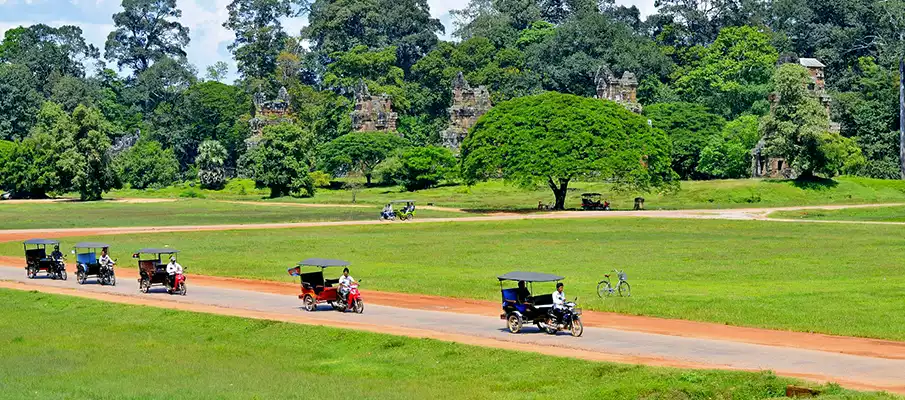
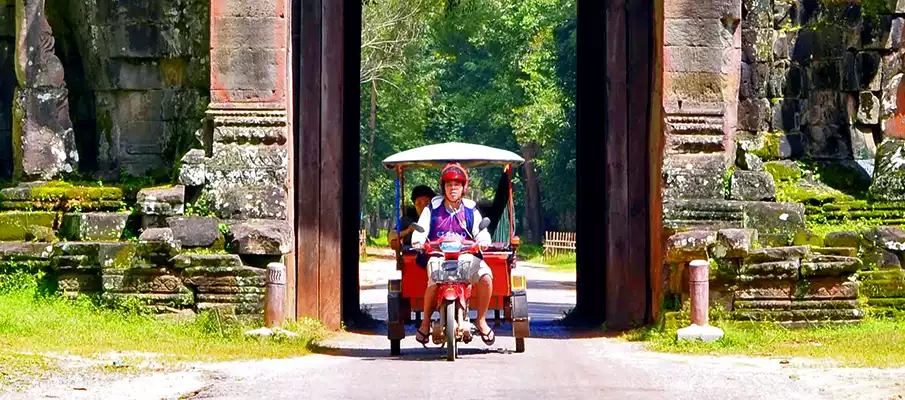
- 1. Tuk-tuks: Tuk-tuks are a popular mode of transportation in Siem Reap. These three-wheeled vehicles can be found throughout the city and are a convenient way to travel short distances or explore nearby temples. Negotiate the fare before hopping on, and keep in mind that tuk-tuks don’t have meters, so it’s important to agree on a price beforehand.
- 2. Bicycles: Siem Reap is a bicycle-friendly city, and renting a bicycle is a fantastic way to explore at your own pace. Many guesthouses and rental shops offer bicycles for a reasonable price. Pedal through the city streets, visit nearby temples, or cycle along the scenic countryside to soak up the natural beauty and immerse yourself in the local atmosphere.
- 3. Motorbike Rental: For those comfortable riding motorbikes, renting one can provide more flexibility in exploring Siem Reap and its outskirts. However, it’s essential to have a valid international driving license and exercise caution while navigating the city’s traffic. Always wear a helmet and follow local traffic rules for a safe and enjoyable ride.
- 4. Walking: Siem Reap’s city center is relatively compact and can be easily explored on foot. Stroll through the vibrant streets, visit local markets, and discover hidden gems tucked away in the alleys. Walking allows you to soak up the atmosphere, interact with locals, and stumble upon charming cafes, shops, and art galleries along the way.
- 5. Guided Tours: Joining a guided tour is a popular choice for exploring Siem Reap’s temples and attractions. Local guides offer valuable insights into the history, culture, and significance of the sites, enhancing your overall experience. You can choose from group tours or opt for a private tour tailored to your interests and preferences.
- 6. Remork (Motorcycle Taxi): Remorks, similar to tuk-tuks, are motorcycle taxis with a covered cabin attached. They provide a convenient and affordable mode of transportation, particularly for short distances within the city. Negotiate the fare in advance, and enjoy the open-air ride while soaking in the sights and sounds of Siem Reap.
- 7. Transportation Apps: Ride-hailing apps like Grab and PassApp are available in Siem Reap, providing convenient and reliable transportation services. Download the app, book a ride, and enjoy the ease of getting around the city with transparent pricing and GPS navigation.
With a variety of transportation options, navigating Siem Reap is a breeze, allowing you to uncover the city’s hidden gems, explore ancient temples, and immerse yourself in the vibrant local culture. Choose the mode of transport that suits your preferences and embark on an unforgettable adventure in this captivating Cambodian city.
Angkor Wat Temple Complex: A Majestic Wonder of Siem Reap.
The Angkor Wat temple complex, located in Siem Reap, Cambodia, is one of the most iconic and awe-inspiring archaeological sites in the world. Here are a few key pieces of information about this majestic temple complex:
-
- 1. UNESCO World Heritage Site: Angkor Wat is a designated UNESCO World Heritage site, recognized for its outstanding universal value and cultural significance. It stands as a testament to the once-thriving Khmer civilization and its remarkable architectural and artistic achievements.
- 2. Largest Religious Monument in the World: Angkor Wat is the largest religious monument globally, covering an expansive area of approximately 162.6 hectares (402 acres). The temple complex is a stunning example of classical Khmer architecture and was originally constructed as a Hindu temple dedicated to the god Vishnu. Over time, it also became a place of Buddhist worship.
- 3. Architectural Marvel: The temple complex is renowned for its intricate and elaborate architectural details. Its distinctive design features a series of elevated towers, intricate bas-reliefs, grand galleries, and stunning stone carvings. The central tower rises to a height of 65 meters (213 feet), symbolizing Mount Meru, the mythical abode of the gods.
- 4. Symbolism and Spiritual Significance: Angkor Wat’s architecture and layout are imbued with profound symbolism and spiritual significance. The temple’s intricate bas-reliefs depict Hindu mythological stories, celestial beings, and historical events. Visitors can explore the galleries and marvel at the intricate carvings that bring these narratives to life.
- 5. Sunrise and Sunset Spectacles: Angkor Wat is known for its breathtaking sunrise and sunset views, which attract visitors from around the world. Watching the sun rise behind the temple’s silhouette or casting its golden glow on the intricate stone carvings is a mesmerizing experience. Similarly, witnessing the temple complex bathed in the warm hues of sunset is a sight to behold.
- 6. Temple Restoration: Over the years, various restoration and conservation efforts have taken place to preserve and protect Angkor Wat’s architectural heritage. These initiatives ensure that future generations can continue to appreciate the grandeur and historical significance of this extraordinary temple complex.
- 7. Visitor Facilities and Accessibility: Angkor Wat is a well-developed tourist destination, with visitor facilities such as information centers, guided tours, and on-site amenities. Entry tickets can be purchased at the entrance, and knowledgeable guides are available to provide insights into the temple’s history and significance. Accessibility options, including ramps and pathways, are in place to accommodate visitors with mobility challenges.
Visiting the Angkor Wat temple complex is a journey back in time, allowing travelers to witness the magnificence of Khmer architecture, immerse themselves in ancient history, and appreciate the spiritual legacy of Cambodia.
BOOK a TOUR / ACTIVITY in Siem Reap ➜
Tonle Sap Lake: Discover Siem Reap’s Living Waterworld.
-
- Nestled just south of Siem Reap, Tonle Sap Lake is an enchanting natural wonder that invites you to explore its captivating beauty. As the largest freshwater lake in Southeast Asia, it spans an impressive area of approximately 2,700 square kilometers during the rainy season, making it a significant ecological and economic resource for Cambodia.
- One of the lake’s fascinating characteristics is its seasonal water dynamics. During the dry season, the water recedes, unveiling vast expanses of fertile land that support agriculture and fisheries. However, when the wet season arrives, Tonle Sap Lake undergoes a remarkable transformation. It swells in size as water from the mighty Mekong River flows in, expanding its surface area and creating a vibrant aquatic ecosystem.
- Venturing into Tonle Sap Lake offers an opportunity to witness the unique lifestyle of the local communities living in floating villages. These villages, with stilted houses perched above the water, are a testament to the resourcefulness and adaptability of the people. Fishing and aquatic farming are the main sources of sustenance for these communities, and observing their daily activities provides a glimpse into their traditions and resilience.
- Tonle Sap Lake is not just a haven for human communities; it also boasts remarkable biodiversity. The lake and its surrounding wetlands support a rich ecosystem teeming with diverse flora and fauna. Fish species, including the famous giant Mekong catfish, thrive in its waters, alongside crocodiles, turtles, and various migratory bird species. Bird sanctuaries dotted around the lake provide a sanctuary for these magnificent winged creatures, creating a paradise for birdwatchers and nature enthusiasts.
- For eco-minded travelers, Tonle Sap Lake offers opportunities for responsible tourism and conservation engagement. By participating in boat tours and immersive experiences, visitors can learn about sustainable fishing practices, support local communities, and contribute to the preservation of the lake’s natural resources.
- Kompong Phluk and Chong Khneas are two noteworthy destinations to explore on Tonle Sap Lake. Kompong Phluk’s charming stilted houses and serene flooded forest create a picturesque setting for a tranquil journey. Meanwhile, Chong Khneas, located closer to Siem Reap, welcomes visitors with its bustling floating village and vibrant floating markets, offering a glimpse into the lively daily life on the water.
The Treasures of Cambodia’s Past: Angkor National Museum:
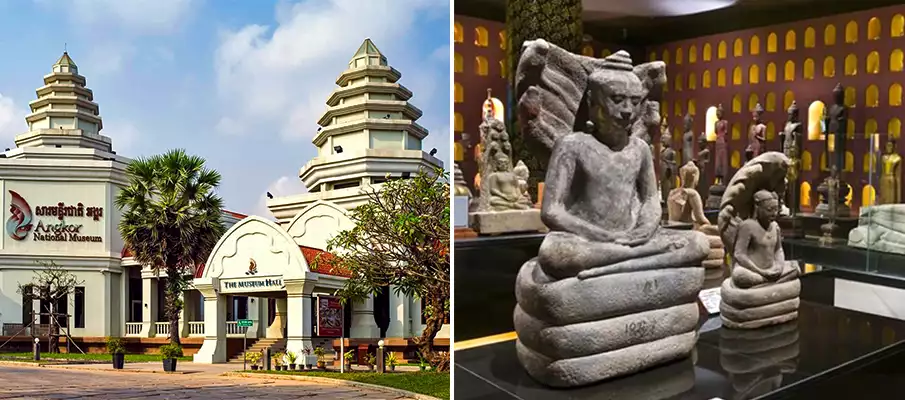
Nestled in the heart of Siem Reap, Cambodia, the Angkor National Museum stands as a testament to the rich history and cultural heritage of the Khmer civilization. This state-of-the-art museum offers an immersive journey through the ancient wonders of Angkor, a UNESCO World Heritage site, providing visitors with a deeper understanding of this magnificent empire.
-
- A Gateway to Angkor’s Glorious Past: The Angkor National Museum serves as a gateway to the magnificent temples and ruins of Angkor. Before embarking on your adventure to explore these archaeological treasures, a visit to this museum is highly recommended. The museum houses a stunning collection of artifacts, sculptures, and multimedia presentations that bring the ancient Angkorian civilization to life.
- Exquisite Exhibits: Upon entering the museum, you’ll be greeted by a series of meticulously curated galleries. These exhibits are organized chronologically, allowing visitors to trace the evolution of the Khmer Empire from its early days to its zenith. The museum’s masterful presentation showcases the art, architecture, religion, and daily life of the Khmer people.
- One of the most captivating exhibits is the Gallery of a Thousand Buddhas, which features a mesmerizing array of Buddha statues in various poses, sizes, and materials. The grandeur of the Angkorian period’s architecture and engineering is evident in the Gallery of 1,000 Lingas, where visitors can marvel at intricate stone carvings.
- Immersive Technology: To enhance the visitor experience, the Angkor National Museum incorporates modern technology into its exhibits. Interactive touch screens, 3D models, and multimedia presentations provide insightful information and context, making the history of Angkor more engaging and accessible to all.
- Preserving Cambodia’s Heritage: Beyond its educational value, the museum plays a vital role in preserving Cambodia’s cultural heritage. Many of the artifacts on display have been carefully restored and conserved. This conservation effort ensures that these precious relics endure for future generations to appreciate and study.
- Practical Information: The Angkor National Museum is conveniently located near Siem Reap’s city center and is easily accessible to tourists exploring the Angkor Archaeological Park. The museum is open daily, and tickets can be purchased on-site. You can check official website of Angkor Museum.
Phnom Kulen National Park: Exploring the Sacred Beauty.
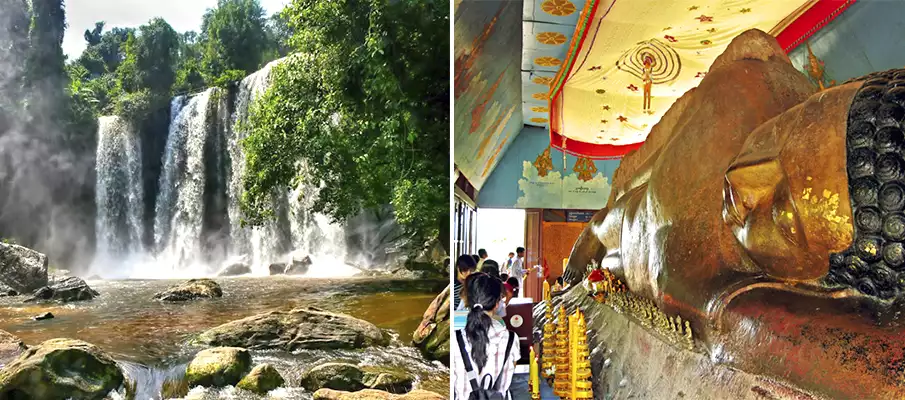
Nestled in the heart of Cambodia, just about 1 hour away from the bustling Siem Reap, lies the remarkable Phnom Kulen National Park. This pristine natural and cultural sanctuary, often referred to as the “Mountain of Lychees,” is a place of profound significance for Cambodians and offers a unique blend of history, spirituality, and natural beauty.
-
- A Sacred Destination: Phnom Kulen is regarded as Cambodia’s most sacred mountain. It holds great religious and historical significance, as it’s believed to be the birthplace of the ancient Khmer Empire by King Jayavarman II in the 9th century. At the heart of the park, you can find a sacred temple atop the mountain, which still draws pilgrims and worshippers.
- Waterfalls and Scenic Beauty: One of the main attractions in the park is the stunning Phnom Kulen Waterfall. The cascading waters, surrounded by lush forests, create an idyllic setting for relaxation and picnicking. Visitors can swim in the pools, hike along the trails, and enjoy the serenity of nature.
- The River of a Thousand Lingas: Phnom Kulen is also famous for its “River of a Thousand Lingas,” an ancient riverbed etched with intricate carvings of Hindu deities and sacred symbols. These carvings, believed to purify the water, are a testament to the rich cultural history of the region.
- Biodiversity and Wildlife: The park is home to diverse flora and fauna, including unique plant species, orchids, and various wildlife. It’s an excellent location for nature enthusiasts, bird watchers, and anyone looking to explore the Cambodian wilderness.
- Recreational Activities: Phnom Kulen National Park offers opportunities for trekking, hiking, and camping. Several trails wind through the forested areas, taking you to the various attractions within the park. Remember to respect the natural environment and adhere to park regulations to preserve this beautiful sanctuary.
Exploring The Bakong Temples in Siem Reap:
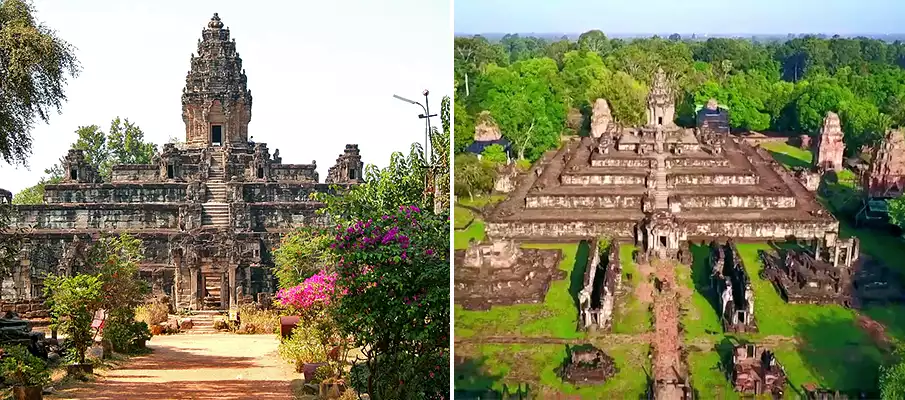
In the heart of Siem Reap, Cambodia, lies an ancient wonder that has captivated travelers and historians alike for centuries—the Bakong Temples. This remarkable temple complex, one of the oldest in the Angkor region, is a testament to the architectural prowess and spiritual significance of the Khmer civilization.
-
- A Glimpse into History: The Bakong Temples, situated just a few kilometers from the city center of Siem Reap, date back to the 9th century, making them one of the earliest temple mountains in the Angkor region. Constructed during the reign of King Indravarman I, Bakong is a prelude to the grandeur and architectural innovation that would later define the Khmer Empire.
-
- Architectural Grandeur: At first sight, the Bakong Temples reveal their grandeur. A massive stepped pyramid, the central temple structure soars above the surrounding countryside. The temple’s five-tiered design symbolizes Mount Meru, the cosmic mountain at the center of Hindu cosmology. The temple’s intricate carvings, decorative motifs, and unique architectural features are a testament to the Khmer Empire’s artistic and engineering prowess.
-
- Spiritual Significance: The Bakong Temples are dedicated to Lord Shiva, one of the principal deities in Hinduism. The sanctity of the site is palpable, as pilgrims and tourists alike explore the shrines, courtyards, and galleries adorned with stunning bas-reliefs that depict scenes from Hindu mythology.
-
- Exploration and Preservation: Visitors can explore the Bakong Temples, climbing the steep steps to reach the summit and enjoy panoramic views of the surrounding countryside. The temple complex is surrounded by a moat, creating a serene and picturesque setting. While some of the temples at Angkor have succumbed to the ravages of time and nature, Bakong has been well-preserved, providing a unique opportunity to witness the grandeur of the Khmer Empire.
Why to visit or not to visit Siem Reap?
Siem Reap, Cambodia, is a destination that captivates travelers from all corners of the globe. Here are some compelling reasons to visit Siem Reap, as well as factors to consider when deciding whether it’s the right destination for you:
👉 Reasons to visit Siem Reap:
-
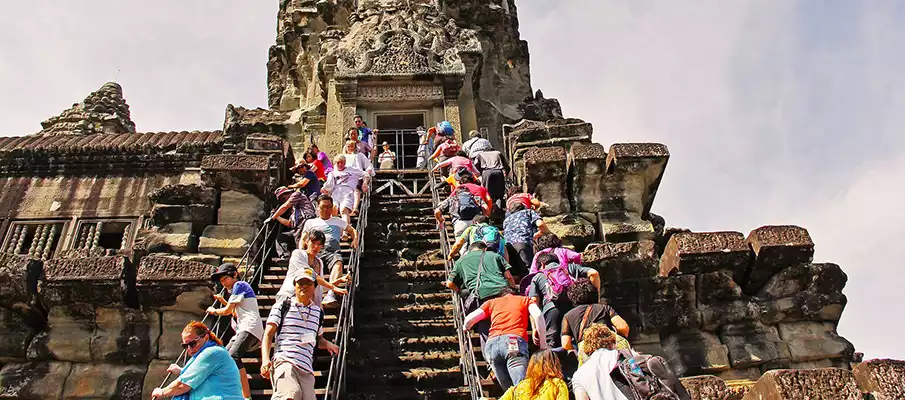
- Angkor Wat and Temple Complex: Siem Reap is the gateway to the magnificent Angkor Wat temple complex, a UNESCO World Heritage site and one of the most remarkable archaeological wonders on Earth. Exploring the intricate temples, witnessing awe-inspiring sunrises and sunsets, and immersing yourself in the rich historical and cultural significance of Angkor is an experience that should not be missed.
- Rich Cultural Heritage: Siem Reap is deeply rooted in Khmer culture and offers a chance to immerse yourself in the local way of life. From traditional dance performances and authentic Khmer cuisine to exploring bustling markets and interacting with friendly locals, Siem Reap provides an authentic glimpse into Cambodia’s vibrant cultural tapestry.
- Warm Hospitality: Cambodian people are known for their warm and welcoming nature, and Siem Reap is no exception. The locals are friendly, hospitable, and eager to share their stories and traditions, making your visit to Siem Reap a memorable and enriching experience.
- Natural Beauty: Beyond its historical treasures, Siem Reap boasts natural beauty that is worth exploring. From the picturesque Tonle Sap Lake, with its floating villages and diverse wildlife, to the lush countryside and serene landscapes, nature lovers will find plenty to admire and appreciate.
- Sustainable Tourism Opportunities: Siem Reap offers various sustainable tourism initiatives that allow visitors to contribute positively to the local community and environment. Engaging in responsible activities such as visiting social enterprises, supporting local artisans, or participating in community-based tourism projects can make your visit more meaningful and impactful.
👉 Reasons not to visit Siem Reap:
-
- Crowds: Siem Reap’s popularity as a tourist destination means that certain areas, particularly around the Angkor Wat temple complex, can get crowded, especially during peak tourist seasons. If you prefer quieter and less crowded destinations, it’s worth considering alternative times to visit or exploring lesser-known temples and attractions.
- Weather: Siem Reap experiences a tropical climate with distinct wet and dry seasons. The hot and humid weather, especially during the peak of the dry season, may not be favorable for everyone. It’s essential to plan your visit during a time when the weather is more comfortable for you.
- Cultural Sensitivity: As with any destination, it’s important to be culturally sensitive and respectful of local customs and traditions. Learning about Cambodia’s cultural etiquette and following local norms will enhance your experience and foster positive interactions with the community.
- Accessibility: Siem Reap is well-connected by air, road, and waterways, making it accessible for travelers. However, if you have specific accessibility needs, it’s advisable to research and plan accordingly to ensure a smooth and comfortable visit.
Siem Reap’s Culinary Delights: A Gastronomic Journey.
Siem Reap, Cambodia, not only offers a glimpse into the ancient wonders of the Angkor temples but also tantalizes the taste buds with its vibrant and delectable culinary scene. Here’s a taste of what awaits you in Siem Reap’s culinary realm:
-
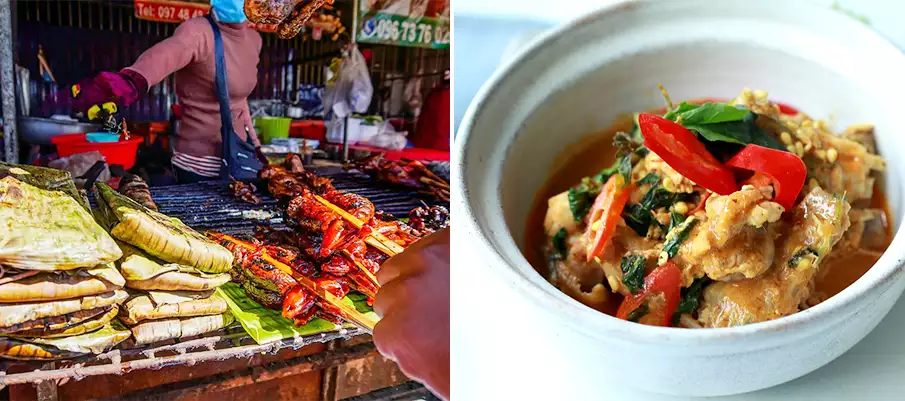
- Khmer Cuisine: Siem Reap is the perfect place to indulge in authentic Khmer cuisine. Khmer dishes feature a harmonious blend of flavors, drawing inspiration from neighboring countries while maintaining their distinct Cambodian identity. From savory fish amok, a fragrant curry steamed in banana leaves, to the tangy and refreshing green mango salad, every bite is a celebration of Khmer culinary heritage.
- Street Food Delights: Siem Reap’s bustling markets and vibrant street food stalls offer a feast for the senses. Sample local favorites such as num pang, a delicious baguette sandwich filled with flavorful ingredients, or try samlor kor ko, a traditional Khmer soup brimming with aromatic herbs, noodles, and meats. Don’t miss out on crispy fried spring rolls or the famous Cambodian-style barbecue skewers, grilled to perfection and served with zesty dips.
- Fresh and Fragrant Ingredients: Cambodian cuisine embraces fresh and fragrant ingredients, including lemongrass, galangal, kaffir lime leaves, and fresh herbs like basil and mint. The combination of these aromatic elements creates a symphony of flavors that dance on your palate, leaving you craving for more.
- Seafood Extravaganza: Siem Reap’s proximity to Tonle Sap Lake and the Mekong River ensures a bountiful supply of freshwater fish and seafood. Feast on succulent grilled prawns, delicate fish curry, or the popular fish amok, where tender fish is cooked in a creamy coconut curry. Seafood enthusiasts will find themselves in culinary paradise as they savor the flavors of the region’s freshest catch.
- Market Explorations: The local markets, such as the bustling Old Market (Phsar Chas) and the Night Market, offer a vibrant ambiance and an opportunity to immerse yourself in the local food scene. Explore the stalls brimming with colorful fruits, aromatic spices, and various street food delicacies. Engage in friendly banter with the vendors and allow them to guide you through the diverse flavors and textures of Cambodian street food.
- Cultural Dining Experiences: Siem Reap also offers unique cultural dining experiences, allowing you to savor traditional dishes while enjoying mesmerizing performances of classical Apsara dance. These dinner shows provide an immersive culinary and cultural journey, allowing you to appreciate the depth of Cambodian traditions.
Siem Reap’s culinary landscape is a testament to the richness and diversity of Cambodian cuisine. Whether you’re savoring street food, dining in a cozy restaurant, or indulging in a cultural dining experience, Siem Reap promises to delight your taste buds with its vibrant flavors and culinary traditions.
✈️ How to get and travel to Siem Reap?
Siem Reap, home to the iconic Angkor temples, is a destination that beckons travelers from around the world. Here’s a guide on how to get to Siem Reap and make your journey seamless:
-
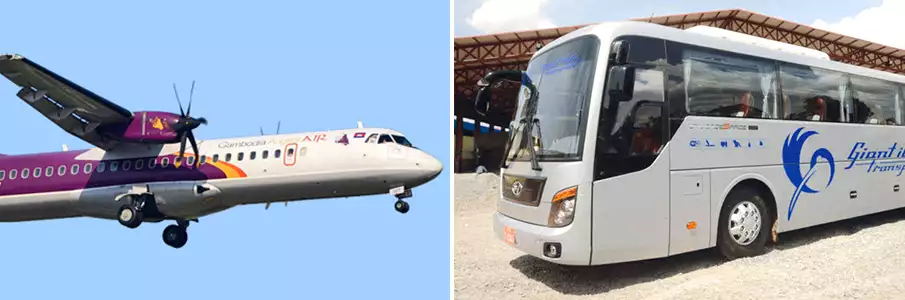
- By Air: The most convenient and popular way to reach Siem Reap is by air. Siem Reap International Airport (REP) serves as the main gateway, with direct flights from major cities in Southeast Asia, including Bangkok, Singapore, Kuala Lumpur, and Ho Chi Minh City. Several airlines operate regular flights to Siem Reap, offering a range of options for travelers.
- Overland Travel: If you’re already in Cambodia or prefer a more adventurous journey, you can opt for overland travel to Siem Reap. Buses and shared taxis connect Siem Reap with other major cities in Cambodia, such as Phnom Penh and Sihanoukville. The road network has improved significantly in recent years, making overland travel a viable option for those seeking a scenic journey.
- Boat Travel: For a unique and picturesque experience, consider traveling by boat to Siem Reap. From Phnom Penh, you can embark on a scenic boat ride along the Tonle Sap River and Tonle Sap Lake, which takes approximately six hours. This option allows you to enjoy the scenic beauty of the river and observe the daily life of riverside communities before arriving in Siem Reap.
- Local Transportation: Once you arrive in Siem Reap, getting around the city is relatively easy. Tuk-tuks, motorbike taxis, and taxis are readily available for short trips within the city and for transportation to the Angkor temples. Negotiate the fare in advance or ensure the meter is used for taxis to avoid any confusion.
- Guided Tours: To make the most of your visit to Siem Reap and the Angkor temples, consider joining a guided tour. Experienced guides can provide valuable insights into the history, architecture, and culture of the temples, enhancing your overall experience.
-
- You can book tickets / flights to Siem Reap in Cambodia on Baolau ➜ or 12go.asia ➜.
☀️ Weather in Siem Reap + The best time to visit:
Blessed with a tropical climate, Siem Reap experiences distinct seasons throughout the year. Understanding the weather patterns can help you plan the best time to visit this captivating destination and make the most of your experience.
-
- Dry Season (November to April): The dry season in Siem Reap spans from November to April, offering pleasant and sunny weather. The temperatures are relatively cooler, ranging from 20°C to 30°C (68°F to 86°F). This period is considered the peak tourist season, as it provides ideal conditions for exploring the Angkor temples and other outdoor activities. The skies are clear, and rain showers are rare, allowing visitors to fully immerse themselves in the historical and cultural wonders of Siem Reap.
- Hot Season (April to May): As the dry season progresses, temperatures gradually rise, and Siem Reap enters the hot season from April to May. During this time, temperatures can soar above 35°C (95°F), making it quite hot and humid. However, it is still a popular time for tourists to visit, especially in April when the Khmer New Year celebrations take place. If you can tolerate the heat, you’ll be rewarded with fewer crowds at popular tourist sites and the opportunity to experience local festivities.
- Rainy Season (May to October): The rainy season in Siem Reap occurs from May to October, characterized by increased rainfall and occasional thunderstorms. While rain showers can be frequent, they are often short-lived and followed by sunny intervals. The lush greenery and vibrant landscapes during this season create a picturesque backdrop for exploration. The temperatures range from 25°C to 35°C (77°F to 95°F), and the humidity levels can be quite high. Despite the occasional showers, the rainy season offers a unique charm and the advantage of fewer tourists. It’s also a great time for photography enthusiasts to capture stunning reflections and dramatic skies.
The best time to visit Siem Reap ultimately depends on your preferences and the experiences you seek. The dry season, particularly from November to February, is generally considered the peak tourist season, offering comfortable temperatures and clear skies. However, if you don’t mind the occasional rain showers and prefer a quieter atmosphere, the rainy season can be an excellent time to explore Siem Reap while enjoying more affordable accommodations and fewer crowds.
| Month | Weather | Description |
|---|---|---|
| January | Cool & Dry | One of the best months to visit. Pleasant temperatures are ideal for exploring Angkor Wat and other temples. |
| February | Cool & Dry | Sunny and comfortable weather makes sightseeing, cycling and cultural activities very enjoyable. |
| March | Warm & Dry | Warmer temperatures arrive, but it’s still an excellent month for temple visits and outdoor adventures. |
| April | Hot & Dry | The hottest month of the year. Start sightseeing early to avoid the midday heat. |
| May | Hot & Humid | Humidity increases and occasional showers begin, while mornings remain good for sightseeing. |
| June | Hot & Humid | Rain becomes more frequent, but there are still plenty of sunny periods for visiting temples. |
| July | Hot & Humid | Expect regular tropical showers mixed with sunshine and fewer tourists at major attractions. |
| August | Hot & Humid | Lush green landscapes and short afternoon rains create beautiful scenery around Angkor. |
| September | Hot & Humid | The wettest month, with frequent rain but excellent photography and vibrant green landscapes. |
| October | Warm & Dry | Rainfall decreases and conditions improve, making it a great time to explore the temples. |
| November | Cool & Dry | One of the best months to visit, with pleasant weather and clear skies. |
| December | Cool & Dry | Comfortable temperatures and sunny days make December perfect for sightseeing and outdoor activities. |
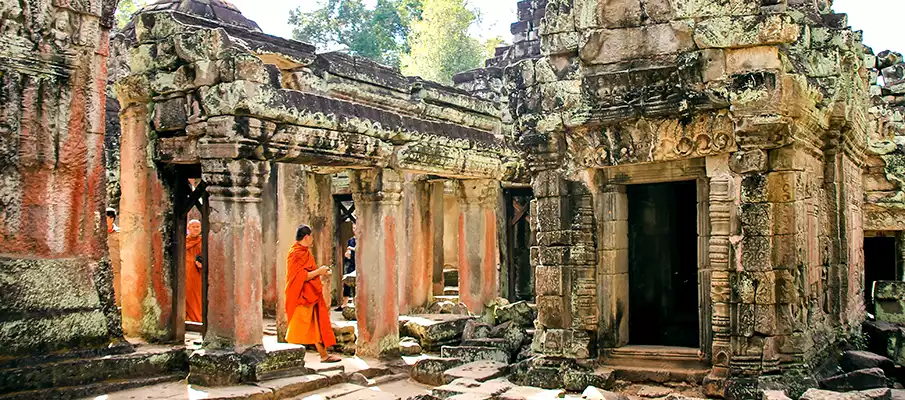
🏡 Accommodation in Siem Reap / Where to Stay:
Siem Reap, known as the gateway to the Angkor temples, offers a wide range of accommodation options to cater to different budgets and preferences. Here are some common types of accommodation you can find in Siem Reap:
-
- Luxury Hotels and Resorts: Siem Reap boasts several high-end hotels and resorts that provide top-notch amenities, elegant rooms, and exceptional service. These establishments often feature luxurious facilities such as swimming pools, spas, fine dining restaurants, and lush gardens.
- Boutique Hotels: Siem Reap is home to numerous boutique hotels that offer a more personalized and intimate experience. These hotels typically have stylish decor, unique architectural designs, and smaller room capacities, ensuring attention to detail and a charming atmosphere.
- Mid-Range Hotels: There are plenty of mid-range hotels in Siem Reap that provide comfortable and well-equipped rooms at affordable prices. These hotels often offer amenities like air conditioning, Wi-Fi, swimming pools, and in-house restaurants.
- Guesthouses: Siem Reap is dotted with guesthouses that offer budget-friendly accommodation options. Guesthouses provide basic rooms with essential amenities and are a popular choice among backpackers and budget-conscious travelers. They often have communal areas where guests can socialize and share travel experiences.
- Hostels: If you’re seeking a social and lively atmosphere, hostels are a great option in Siem Reap. These budget accommodations offer dormitory-style rooms with shared facilities, providing an opportunity to meet fellow travelers from around the world. Some hostels also offer private rooms for those who prefer more privacy.
- Homestays: For a unique and immersive experience, you can opt for a homestay in Siem Reap. Stay with a local family, experience their hospitality, and gain insights into Cambodian culture and daily life. Homestays allow for a more authentic and interactive travel experience.
- Vacation Rentals: In recent years, vacation rentals and serviced apartments have become popular in Siem Reap. These accommodations provide more space and privacy, often equipped with kitchen facilities.
➜ Accommodation in Siem Reap – Book Here

📍 Best Places to Visit & Things to Do in Siem Reap
- Angkor Wat: Cambodia’s most famous temple, best known for its spectacular sunrise views.
- Angkor National Museum: Discover the fascinating history of the Khmer Empire and Angkor.
- Bayon Temple: Admire its iconic smiling stone faces and impressive Khmer architecture.
- Ta Prohm: The famous “Tomb Raider” temple surrounded by giant tree roots.
- Pub Street: The city’s lively center for restaurants, bars and nightlife.
- Angkor Night Market: Shop for souvenirs, handicrafts, clothing and local products.
- Tonle Sap Lake: Visit floating villages on Southeast Asia’s largest freshwater lake.
- Phare Cambodian Circus: Enjoy spectacular acrobatics, theatre and Cambodian culture.
- War Museum Cambodia: Learn about Cambodia’s recent history through military exhibits.
- Old Market (Psar Chas): Browse local food, spices, souvenirs and handicrafts.
- Phnom Kulen National Park: Explore waterfalls, sacred sites and beautiful jungle scenery.
- Banteay Srei Temple: Famous for its detailed pink sandstone carvings.
- Bakong Temple: One of the oldest temples in the Angkor region.
- Biking or Tuk-Tuk Tours: Discover villages, rice fields and hidden temples.
- Artisans Angkor: Watch local craftsmen create traditional Khmer handicrafts.
- Cambodian Cuisine: Taste authentic Khmer dishes or join a cooking class.
❓ Frequently Asked Questions & Tips for Siem Reap
How to book tickets or flights to Siem Reap?
What is Siem Reap famous for?
Siem Reap is the gateway to Angkor Wat and is known for Khmer culture, markets and lively nightlife.
When is the best time to visit Siem Reap?
November to March offers the best weather, although the green season also has fewer tourists.
How can I get around Siem Reap?
Tuk-tuks, bicycles, taxis and remorks are affordable and the easiest ways to explore the city.
What attractions are there besides Angkor?
Visit Pub Street, Old Market, Tonle Sap Lake, Angkor National Museum and local cultural shows.
Can I watch traditional Khmer performances?
Yes. Traditional Apsara dance shows are performed at several restaurants and cultural venues.
Which markets should I visit?
The Old Market and Angkor Night Market are best for souvenirs, handicrafts and local food.
Are there eco-friendly activities?
Yes. Cycle through the countryside, visit conservation projects and support local artisan workshops.
What are the best family-friendly activities?
Families enjoy Angkor temples, the Cambodian Circus, Tonle Sap Lake and easy tuk-tuk tours.
What should I know before visiting Angkor?
Dress respectfully, stay hydrated, use sunscreen and buy temple tickets only from official counters.
Should I hire a local guide?
Yes. A guide can explain the history, architecture and symbolism of the Angkor temples.
Where can I travel from Siem Reap?
Popular destinations include Phnom Penh, Battambang, Bangkok and Don Det.
How do I travel from Ho Chi Minh City to Siem Reap?
Travel by direct flight or by bus via Phnom Penh.
What currency is used in Cambodia?
The official currency is the Cambodian Riel (KHR), but US Dollars are widely accepted.
BOOK a TOUR / ACTIVITY in Siem Reap ➜


Koh Rong – Travel Guide|Saigon – Travel Guide|Hoang Su Phi in Vietnam|Hanoi Old Quarter|Can Tho – Travel Guide|Nha Trang – Travel Guide