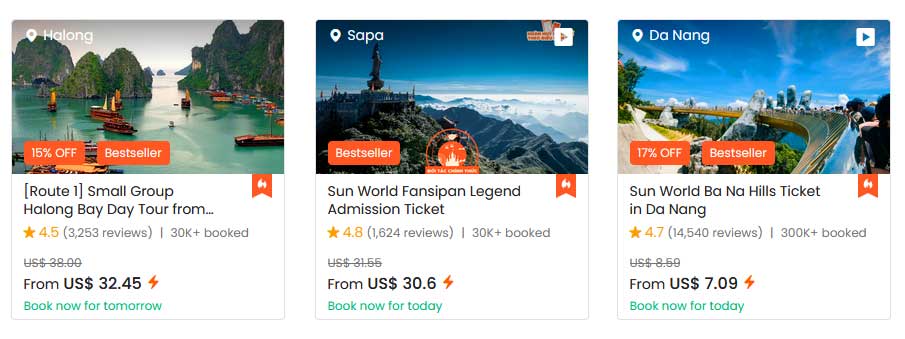
Plan your own trip
Choose your own routes, places and travel pace without group tours
Easy online booking
Transport, accommodation and tours can be booked online in advance
Planning & logistics
You need to organize routes, transport and schedules on your own
Language barrier
English is common in tourist areas but less used in remote regions
Quick answer: Exploring Vietnam without a travel agency is totally doable, affordable, and gives you full freedom over your itinerary. With public transport, local food, and budget accommodation options, you can easily plan your own trip and avoid the costs and restrictions of package tours.
At a glance:
- 📱 Use Grab or Be in cities for safe, transparent transport.
- 🛵 Rent a motorbike for local trips, but wear a helmet and check the bike.
- 💬 Stay connected with a local SIM card. Viettel offers affordable data plans.
- 🌏 Follow local etiquette: dress modestly at temples, remove shoes indoors, and be polite.
- 💸 Save money with street food and public transport instead of agency tours.
- 🧳 Pack light clothes, rain protection, and a power bank.
Last updated in May 2026.
Vietnam without a travel agency – independent travel in Vietnam.
Vietnam is an excellent destination for independent travel without a travel agency. Thanks to affordable transportation, budget-friendly accommodation, and easy online planning, you can explore northern, central, and southern Vietnam completely on your own. The country is generally safe, tourist infrastructure is developing quickly, and most travelers today prefer to travel independently.
🎒 Why travel independently?
- More freedom and flexibility
- Lower travel costs
- Authentic experiences and local culture
- Create your own itinerary
- Easy online transport booking
🚆 What makes traveling easier?
- Cheap trains, buses, and flights
- Wide range of accommodation
- Grab app in larger cities
- Tourist agencies almost everywhere
- Rapidly improving infrastructure
🌏 What should you expect in Vietnam?
- Busy cities and heavy traffic
- Beautiful nature and mountains
- Excellent street food
- Large regional differences
- A rapidly modernizing country
In my opinion, Vietnam offers much more than just the well-known tourist destinations. The most interesting experiences are often found outside the main tourist routes, in smaller towns or mountain regions of northern Vietnam. If you are traveling with a backpack and want to experience authentic Vietnam, independent travel makes a lot of sense.
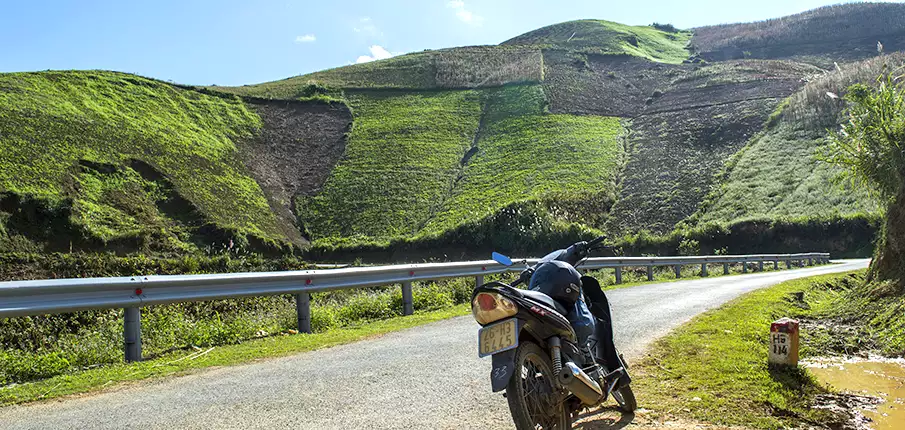
Vietnam is ideal for budget travel and solo travelers.
Vietnam is still an affordable destination for independent travelers and backpackers. The biggest savings usually come from traveling without a travel agency, especially outside the main tourist areas. Trains, buses, street food, hostels, and smaller hotels are generally very budget-friendly.
🎒 Vietnam without a travel agency
- About 1,500–1,800 USD / person / 1 month
- More authentic experiences
- Cheaper transport and accommodation
- Greater flexibility and freedom
- Ideal for backpackers
🏨 Vietnam with a travel agency
- Often 2,500 USD+ / 2 weeks
- Comfortable organized vacation
- Less stress with planning
- Usually tourist resorts and hotels
- Less flexibility during the trip
✈️ What affects your budget?
- Flights to Vietnam
- Accommodation and transport style
- Tourist vs. local areas
- Length of stay
- Number of transfers and trips
Prices in Vietnam are still significantly lower than in Europe, especially for food, transportation, and local services. Tourist destinations such as Ha Long Bay, Da Nang, Hanoi, or Ho Chi Minh City are usually more expensive. More details can be found in the article about prices in Vietnam.
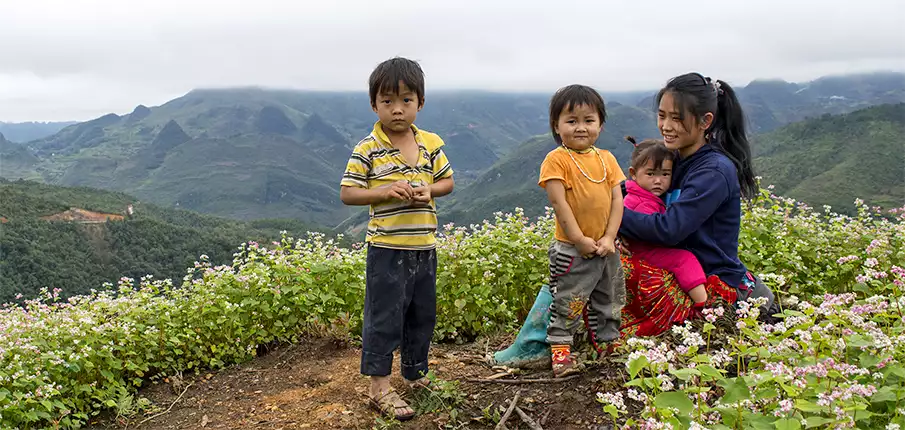
🌏 Vietnam – authentic Asia beyond tourist areas.
Vietnam offers a completely different culture, mentality, and lifestyle compared to Europe. The best way to experience this atmosphere is through independent travel outside the main tourist destinations. This is often where you will discover the most interesting places, local life, and more authentic experiences.
🚆 Vietnam is rapidly modernizing
- new roads and modern transport
- expanding metro systems in big cities
- more quality hotels and services
- easier online booking
- growing tourist infrastructure
🏞️ What is worth visiting?
- mountain regions of northern Vietnam
- less touristy towns and villages
- local markets and street food
- rice terraces and mountain passes
- Ha Long Bay and lesser-known places
Since August 15, 2025, Czech citizens no longer need a visa for Vietnam for tourist stays of up to 45 days. This makes independent travel in Vietnam even easier and more accessible.
🗣️ Learn a few Vietnamese words
Basic Vietnamese phrases can help you communicate outside tourist areas, where English may not be widely spoken.
⚠️ Expect unexpected situations
Traffic in Vietnam can be chaotic, so it is important to stay careful, especially in large cities and busy tourist areas.
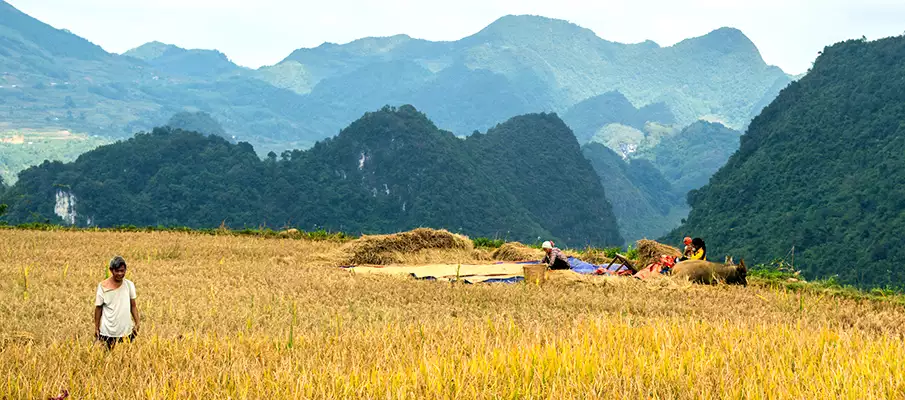
🏔️ Authentic Vietnam is mostly found beyond the tourist areas.
Northern Vietnam is not for everyone. If you expect luxury resorts and high comfort standards outside tourist destinations, you may be disappointed. Traditional homestays, for example, often offer only basic comfort. However, outside the main tourist routes you can discover the most authentic side of Vietnam – mountain villages, rice terraces, beautiful landscapes, and friendly local people from various ethnic groups.
🏍️ A motorbike gives you more freedom
- easier access to mountains and villages
- greater travel flexibility
- beautiful mountain roads and views
- less touristy destinations
- more authentic travel experiences
⚠️ What should you watch out for?
- chaotic traffic in cities
- limited English outside tourist areas
- tourist scams and aggressive sellers
- poor roads in remote regions
- extra caution needed on motorbikes
When traveling by motorbike, always ride carefully and read useful information about transportation in Vietnam before your trip. In larger tourist areas you may encounter scams or overpriced services, but outside the main tourist centers local people are usually very friendly and helpful.
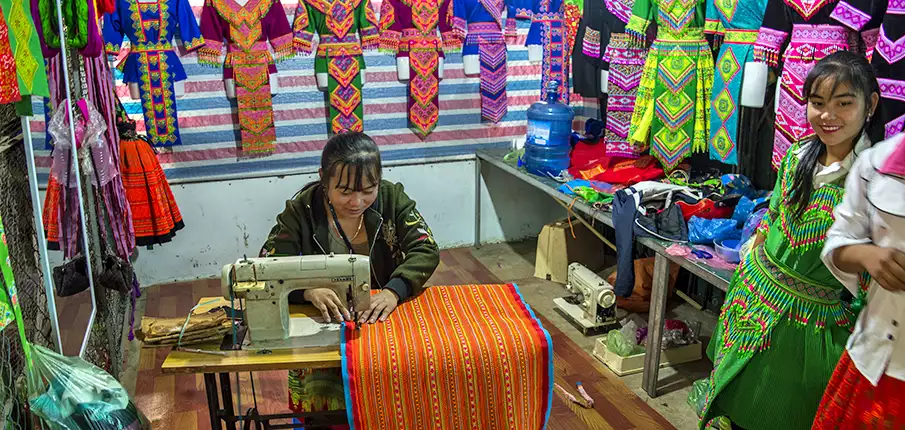
⛰️ Northern Vietnam is more than just Hanoi, Ha Long Bay, or Sapa.
Northern Vietnam offers much more than only the country’s most famous tourist destinations. Hanoi, Ha Long Bay, and Sapa are among the most visited places in Vietnam, especially during the high season. However, these destinations still offer beautiful landscapes, historical sites, rice terraces, and fascinating ethnic minority cultures.
🌏 Most famous destinations
- historic Hanoi
- UNESCO Ha Long Bay
- mountain town of Sapa
- rice terraces and trekking
- ethnic minority regions
If you want to experience a more authentic side of northern Vietnam, consider visiting less touristy provinces and mountain regions. These places often offer the most beautiful scenery, quieter atmosphere, and more genuine contact with local people.
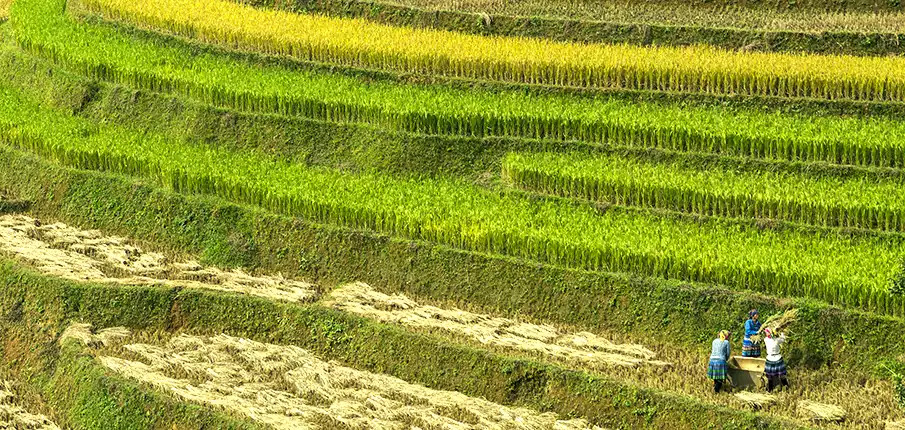
🏔️ Explore less touristy places in northern Vietnam.
Northern Vietnam is much more than Hanoi, Ha Long Bay, or Sapa. A truly authentic atmosphere can often be found in less-visited regions such as Moc Chau, Lai Chau, Ha Giang, Lang Son, or Cao Bang. These areas often offer beautiful landscapes, mountain roads, ethnic villages, and far fewer tourists.
🌿 What can you experience?
- mountain passes and panoramic views
- rice terraces and tea plantations
- ethnic minority villages
- less touristy towns
- more authentic Vietnam
🏍️ How to explore these places?
- motorbike or scooter
- private driver or taxi
- more time for traveling
- flexible itinerary
- extra caution on mountain roads
Places like Moc Chau or Ha Giang offer a very different experience compared to Vietnam’s main tourist destinations. Northern mountain regions provide beautiful nature, quieter surroundings, and more authentic contact with local people.
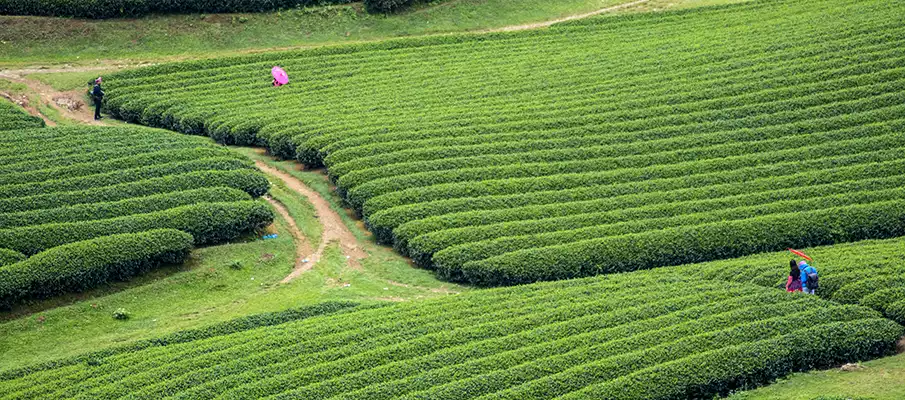
Vietnam is definitely not only about beaches and resorts.
Vietnam is an ideal destination mainly for travelers who want to experience a different culture, beautiful nature, and authentic local life beyond tourist resorts. Of course, you can also find luxury hotels and beach destinations here, but the real atmosphere of Vietnam is often found far from the main tourist areas.
✅ Why travel to Vietnam?
- amazing nature and mountain scenery
- trekking and mountain adventures
- ethnic minorities and local culture
- authentic travel beyond resorts
- excellent Vietnamese cuisine
- ideal country for backpackers
- possibility to travel by motorbike
⚠️ Who may not enjoy Vietnam?
- travelers looking only for luxury resorts
- people bothered by chaotic traffic
- those unwilling to leave their comfort zone
- expecting European standards everywhere
- travelers who do not want to plan trips
- people preferring only organized tours
- those who avoid places outside tourist areas
🏍️ Vietnam is perfect for adventure travelers
The best experiences often come from motorbike trips, mountain adventures, and exploring areas beyond the main tourist routes.
🌿 Every region is different
Northern, central, and southern Vietnam differ greatly in culture, landscapes, climate, and overall atmosphere.
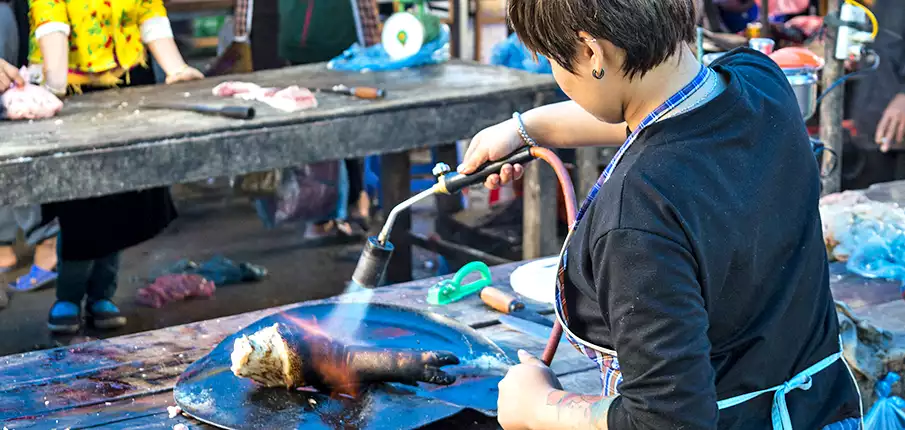
💰 How much money do you need for traveling in Vietnam?
Vietnam is considered one of the more affordable countries in Southeast Asia. Total travel costs mainly depend on your travel style, accommodation, transportation, and destinations. There is a big difference between backpacking, a standard vacation, and comfortable luxury travel.
🎒 Backpacker budget
- About 30–50 USD / day
- Hostels and budget hotels
- Street food and local restaurants
- Buses and overnight trains
- Ideal for solo travelers
🏨 Standard vacation
- About 70–130 USD / day
- 3★ hotels and more comfortable transport
- More tourist activities
- Domestic flights and taxis
- More comfortable travel style
💎 Comfort and luxury
- 180 USD+ / day
- Luxury hotels and resorts
- Private transfers
- Premium restaurants and services
- Suitable for luxury travel
The biggest part of your budget is usually the flight from Europe. However, traveling within Vietnam is still relatively cheap, especially for food, transportation, and standard accommodation. Tourist destinations such as Hanoi, Sapa, Ha Long Bay, or Da Nang are usually more expensive. From my own experience, Vietnam can still be traveled very cheaply if you are willing to travel more simply.
🍜 Cheap food and street food
Local restaurants and street food are among the cheapest dining options in Vietnam.
🏍️ A motorbike can save money
For longer trips, a motorbike is often cheaper and more flexible than using taxis or organized tours frequently.
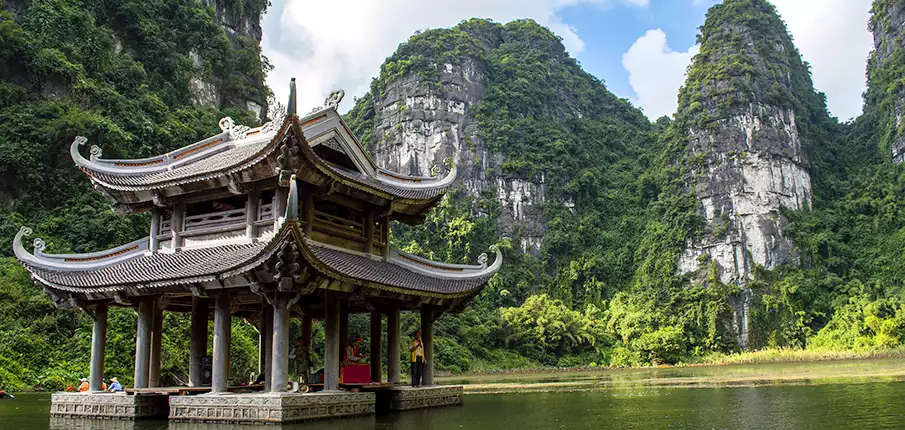
🚌 How to travel and get around Vietnam?
Vietnam offers many transportation options, from trains and buses to motorbikes and domestic flights. Traveling around the country is relatively affordable, and most tickets can now easily be booked online in advance. For mountain regions in northern Vietnam, a motorbike or minivan is often the best choice, while trains or flights are more suitable for longer distances. Bus, train, ferry, and flight tickets can easily be searched and booked online via Baolau or 12go.asia.
🏍️ Traveling by motorbike
- ideal for mountain regions
- great travel flexibility
- requires an international driving permit
- Vietnam by motorbike
🚌 Buses and minivans
- cheap transportation across the country
- overnight sleeper buses
- delays are quite common
- good for long-distance travel
- Buses in Vietnam
🚆 Traveling by train
- more comfortable than buses
- sleeper and seating cabins
- ideal for longer routes
- standard and tourist sleeper cabins
- Trains in Vietnam
🚕 Taxi and Grab
- Grab works in larger cities
- usually cheaper than taxis
- useful in Hanoi and Saigon
- always check the taximeter
✈️ Domestic flights
- fastest way to travel in Vietnam
- cheaper with advance booking
- main routes between major cities
- good for shorter stays
🚲 Bicycles and scooters
- suitable for short distances
- cheap rentals almost everywhere
- ideal for smaller towns
- watch out for heavy traffic
More information about transportation, tickets, and traveling around the country can be found in the article Transportation in Vietnam.
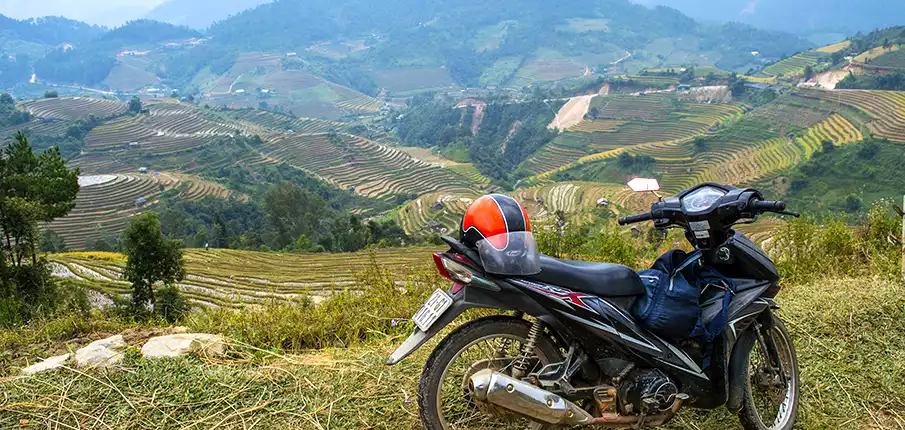
🗓️ How long should you stay and travel in Vietnam?
Vietnam is a long and diverse country where traveling between regions can take a significant amount of time. The ideal trip length mainly depends on whether you want to quickly visit the main tourist destinations or explore Vietnam more deeply. If you also plan to travel outside the main tourist routes, it is better to allow more time, especially for northern or southern Vietnam.
✈️ 10–14 days in Vietnam
- main tourist destinations
- more domestic flights
- faster travel pace
- ideal for a first visit
- less time outside tourist areas
🎒 3–4 weeks in Vietnam
- more comfortable travel pace
- more time for north or south
- less stress from transportation
- chance to visit lesser-known places
- more authentic experiences
🏍️ Long-term travel 1–2 months
- ideal for backpackers
- more time for mountain regions
- possibility to travel slowly
- cheaper for long stays
- great for motorbike travel
In northern Vietnam, expect longer travel times, especially in mountain regions where roads can be slower or in worse condition. If you want to experience Vietnam more authentically and not only travel between the most famous destinations, at least 3–4 weeks is highly recommended.
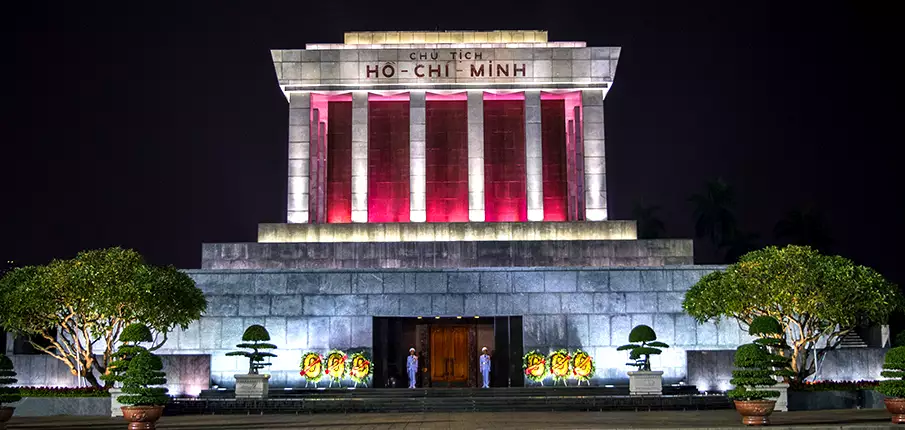
🏨 Accommodation options in Vietnam and where to book.
Vietnam offers a wide range of accommodation, from budget guesthouses and hostels to modern hotels and luxury resorts. The largest selection can be found in major cities and tourist destinations such as Hanoi, Sapa, Ha Long Bay, Da Nang, or Ho Chi Minh City. In remote mountain regions, accommodation options may be more limited and not all places are available online.
🛏️ Guesthouses and hostels
- cheap and available almost everywhere
- ideal for backpackers
- usually with WiFi and air conditioning
- sometimes harder beds
🏨 Hotels and resorts
- wide selection in larger cities
- luxury beach resorts
- higher standard of services
- ideal for more comfortable vacations
🏡 Homestay accommodation
- popular in northern mountain areas
- more authentic experience
- often hosted by ethnic minorities
- ideal outside tourist cities
Most accommodation in Vietnam today offers WiFi, hot water, and often air conditioning. For online booking, Agoda and Booking are among the best choices, offering a very wide selection of hotels, hostels, resorts, and homestays across Vietnam.
➡️ Agoda
Very popular booking platform for hotels, hostels, resorts, and homestay accommodation in Vietnam.
➡️ Booking
Large selection of hotels, apartments, hostels, and guesthouses throughout Vietnam.
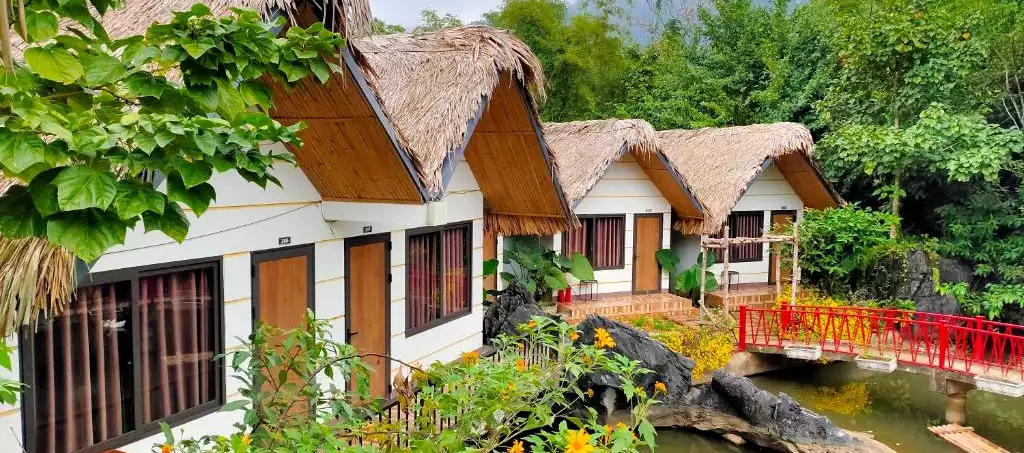
🌏 Traveling Vietnam independently still has its unique charm.
Vietnam is changing and modernizing rapidly, but it still offers places untouched by mass tourism. Famous destinations such as Hanoi, Ha Long Bay, Sapa, Hoi An, or Ho Chi Minh City are beautiful, but in my opinion, the truly interesting side of Vietnam often begins beyond the main tourist routes.
🏔️ Where is Vietnam most interesting?
- mountain regions of the north
- smaller towns and villages
- places outside the main resorts
- ethnic minority regions and countryside
- less touristy provinces
⚠️ What should you expect?
- chaotic traffic
- longer transfers between regions
- limited English outside tourist areas
- tourist scams in famous destinations
- different mentality and culture
Personally, I think that traveling independently in Vietnam is something almost anyone can manage today, especially travelers who enjoy discovering new places and do not rely only on organized tours. You do not need to worry about a lack of transportation or services — Vietnam is much better prepared for independent travel than it was in the past.
However, if you want to experience a more authentic side of Vietnam, I recommend not traveling only between the most famous tourist destinations. Outside the main tourist routes, you will often find the best atmosphere, more interesting local people, and the most beautiful landscapes.
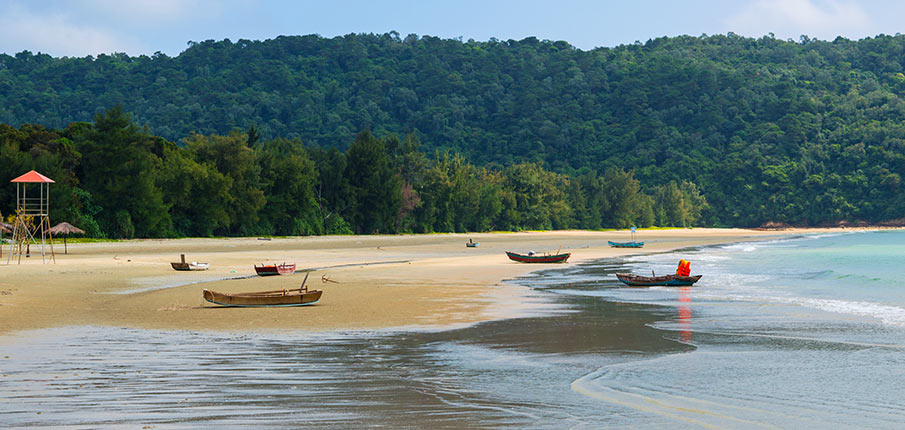
❓ FAQ – Useful Tips for Independent Travel in Vietnam:
Is it safe to travel solo in Vietnam?
Yes, solo travel in Vietnam is generally safe, but it’s important to stay aware and follow basic safety precautions.
What are the benefits of solo travel in Vietnam?
Solo travel offers flexibility and freedom to explore at your own pace and experience local culture.
How to plan a solo travel itinerary in Vietnam?
Plan your route based on your interests, travel time, and destinations, and research transport and accommodation in advance.
How to stay safe as a solo traveler in Vietnam?
Stay alert, avoid isolated areas at night, protect your belongings, and share your travel plans with someone.
What accommodation is best for solo travelers in Vietnam?
Budget hotels, guesthouses, and hostels are popular and affordable options for solo travelers.
How to meet people while traveling solo in Vietnam?
Join tours, stay in hostels, or take classes to meet other travelers and locals.
What cultural rules should I follow in Vietnam?
Dress modestly, respect local customs, and follow traditions such as removing shoes when entering homes.
How to get around Vietnam as a solo traveler?
Use buses, trains, flights, or apps like Grab, and always choose reliable transport services.
Is Vietnam safe for solo female travelers?
Yes, but follow basic safety tips and avoid risky situations, especially at night.
Can I speak English in Vietnam?
Basic English is understood in tourist areas, but learning a few Vietnamese phrases is helpful.
What islands can I visit in Vietnam?
Discover top destinations in this guide: Best islands in Vietnam.
👉 Pros and cons of independent travel in Vietnam
➕ Advantages
- greater flexibility and freedom
- more authentic travel experiences
- lower travel costs
- discover less touristy places
- better contact with local culture
➖ Disadvantages
- chaotic traffic and longer transfers
- language barrier outside tourist areas
- more planning and logistics
- tourist scams in some places
- different culture and travel standards