

No mandatory vaccines
No vaccinations are required for entry, but basic immunizations should always be up to date
Hepatitis & tetanus
Commonly advised vaccines include hepatitis A/B and tetanus, especially for longer stays or rural travel
Rabies & others
Consider rabies or typhoid if traveling to remote areas or staying longer with outdoor activities
Consult a doctor
Always check current recommendations and your health situation with a travel clinic before departure
Quick answer: Before travelling to Vietnam, make sure your routine vaccinations are updated and consider a few travel-specific ones depending on your itinerary. Vaccines like hepatitis A, typhoid, and Japanese encephalitis are the most commonly recommended for visitors, while malaria prevention is only needed in certain rural areas.
At a glance:
- 💉 Routine vaccines: DTP, MMR, polio, influenza.
- 🧴 Hepatitis A: Recommended for most travellers.
- 🩺 Hepatitis B: For longer stays or close contact with locals.
- 🍲 Typhoid: Useful if eating street food or visiting rural areas.
- 🦟 Japanese encephalitis: For rural stays or trips during rainy season.
- 🐕 Rabies: Consider if you’ll be around animals or remote zones.
- 🌍 Malaria: Only a risk in specific rural regions.
Last updated in November 2025
💊 Health & Vaccinations in Vietnam
Vietnam is generally easy to travel around, but some health risks should be considered before your trip. Basic precautions, suitable vaccinations and good hygiene can help you avoid common problems, especially when traveling to remote areas.
💉 Vaccinations
Vaccinations are not generally mandatory for travelers entering Vietnam. If you plan to visit remote mountain areas or rural villages, consider vaccinations such as hepatitis A/B, typhoid, tetanus and rabies. Check with a doctor before your trip.
🍜 Food & Hygiene
Vietnamese food and eating habits may be different from what you are used to. Choose clean places to eat, drink safe water and take basic hygiene precautions. Probiotics can also be useful for some travelers.
🏥 Medical Care
Large cities such as Hanoi and Ho Chi Minh City have modern hospitals, clinics and international medical services. In smaller towns and remote areas, healthcare facilities and English-speaking staff may be more limited.
Travel tip: If you are traveling to remote areas, check your vaccinations before departure and consider travel insurance that covers medical treatment.

💉 Vaccinations for Vietnam
Routine vaccinations are not generally mandatory for travelers entering Vietnam, but some vaccines may be recommended depending on your itinerary. This is especially relevant if you plan to visit rural areas, remote mountains or local villages.
🩺 Talk to a doctor before your trip
A travel doctor can recommend suitable vaccinations based on your health history, travel plans and destinations. It is best to ask several weeks before departure, as some vaccines may require multiple doses.
⚠️ 3 Common Health Risks in Vietnam
Most travelers visit Vietnam without major health problems, but a few risks are worth knowing about. Malaria, traveler’s diarrhea and rabies are among the main concerns, especially when visiting rural or remote areas.
🦟 1. Malaria
Malaria occurs mainly in some rural and forested areas, particularly near the borders with Cambodia and Laos. Risk varies by region and season. Mosquito protection is important when visiting higher-risk areas.
🍜 2. Traveler’s Diarrhea
This is one of the more common travel problems in Vietnam. The main risks are contaminated food or water. Drink safe water, choose clean food stalls and restaurants, and wash your hands regularly.
🐕 3. Rabies
Rabies can be transmitted through bites or scratches from infected animals, especially dogs and cats. Avoid contact with stray animals. If you are bitten or scratched, seek medical care immediately.
Travel tip: Basic hygiene, mosquito protection and avoiding contact with stray animals can significantly reduce common health risks in Vietnam.
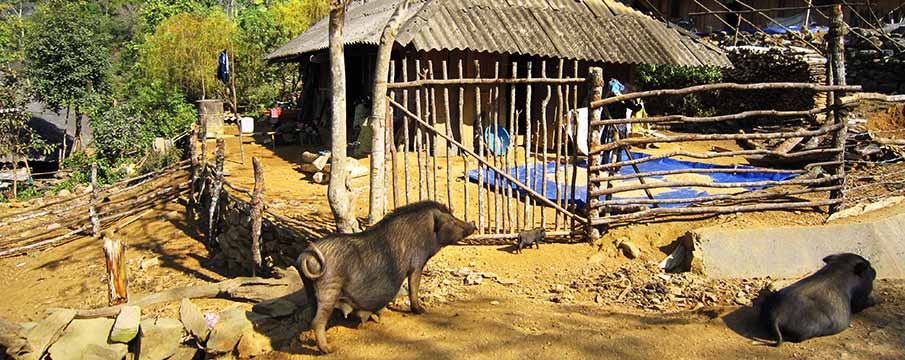
Healthcare in Vietnam:
Healthcare and sanitary conditions in hospitals in Vietnam vary depending on the location and facility. Vietnam has made significant progress in improving its healthcare system over the years, but challenges still exist, particularly in rural and remote areas. Here are some key points regarding healthcare and sanitary conditions in Vietnamese hospitals:
Infrastructure and Facilities: Major cities, such as Hanoi and Ho Chi Minh City, have modern hospitals equipped with advanced medical technology and facilities. Rural areas and smaller towns may have more basic healthcare facilities with limited resources and equipment.
Healthcare Personnel: Vietnam has a growing number of well-trained healthcare professionals, including doctors, nurses, and specialists.Major cities attract highly skilled healthcare workers, while rural areas may face shortages of medical staff.
Hygiene and Sanitary Practices: Hospitals in Vietnam generally adhere to basic hygiene practices, such as hand hygiene, infection control, and waste management. However, there may be variations in compliance with these practices across different healthcare facilities.
| Area of Concern | What to Watch Out For |
|---|---|
| Street Food | While street food is an integral part of the culinary experience in Vietnam, be cautious about the cleanliness and hygiene of street food stalls. Choose vendors that handle food hygienically, prepare food in front of you, and have a steady stream of customers. |
| Tap Water | It is generally recommended to avoid drinking tap water in Vietnam. Stick to bottled water or purified water from reliable sources. |
| Ice and Beverages | Be cautious about ice cubes and beverages that may be prepared with tap water. Confirm that ice and beverages are from safe and clean sources. |
| Wash Hands Regularly | Practice proper hand hygiene by washing your hands thoroughly with soap and clean water, especially before eating, after using the restroom, and after touching surfaces in public areas. |
| Public Restrooms | Public restrooms in Vietnam may vary in terms of cleanliness and hygiene. Carry tissues or wet wipes and hand sanitizer for situations where restroom conditions are subpar. |
| Accommodation | Check reviews and choose accommodations that prioritize cleanliness and hygiene. Ensure that your room and bathroom are properly cleaned and maintained. |
| Mosquitoes | Protect yourself from mosquito bites by using insect repellents containing DEET, wearing long sleeves and pants, and staying in accommodations with proper mosquito control measures. |
| Dengue Fever | Vietnam is endemic to dengue fever. Take precautions to prevent mosquito bites, particularly during peak mosquito activity periods, such as dawn and dusk. |
| Other Insect-borne Diseases | Be aware of other insect-borne diseases like malaria and Japanese encephalitis, especially if you are visiting rural or remote areas. Consult with a healthcare professional for appropriate preventive measures, such as vaccinations and antimalarial medications. |
| Preparation | What to do |
|---|---|
| Healthcare consultation | Talk to a doctor or travel clinic about your health, itinerary and recommended precautions. |
| Vaccinations | Check routine vaccines and ask about recommended vaccines for your destinations and activities. |
| Medications | Bring enough prescription medicine for the trip and keep it in its original packaging. |
| Travel insurance | Choose insurance that covers medical treatment, emergencies and evacuation. |
| Hygiene & personal care | Pack hand sanitizer, tissues, sunscreen and mosquito repellent. |
| Travel health kit | Bring basic supplies such as bandages, antiseptic wipes, painkillers and diarrhea medicine. |
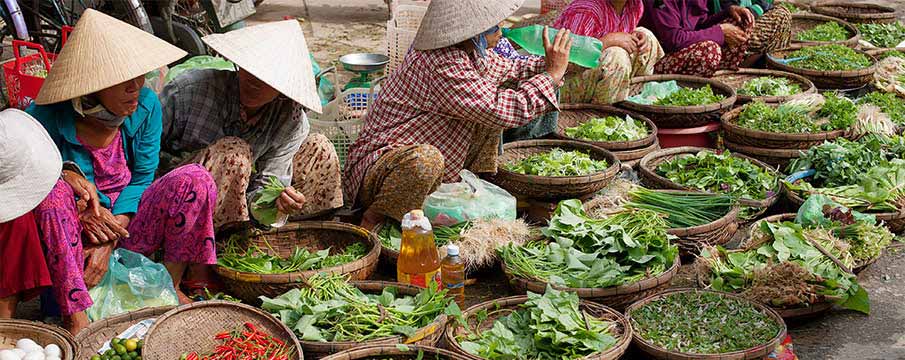
Hospitals, Clinics and Phone Numbers + Contacts in Vietnam:
(For current phone numbers of hospitals I recommend to visit the website of the hospital, the numbers may change).
First-aid hotline: 115
Hanoi (Northern Vietnam):
| Hospitals in Hanoi: | Address |
|---|---|
| International SOS | 51 Xuan Dieu (behind Fraser Suites) Vietnam, Quảng An, Tây Hồ |
| French hospital | No1 Phương Mai, Đống Đa, Hanoi, Vietnam |
| Hanoi Family Medical Practice | 298 / Kim Ma Street, Van Phuc Compound |
| Saint Paul Municipal Hospital | 12 Chu Van An, Hanoi |
| Serenity International Dental Clinic Hanoi | 19 Nguyễn Trường Tộ, Nguyễn Trung Trực, Ba Dinh District, Hanoi |
Lao Cai (Northern Vietnam):
| Hospital in Lao Cai: | Address |
|---|---|
| Hospital Lao Cai Province | B8 Đường Chiềng On, Bình Minh, Lào Cai |
Ho Chi Minh City (Southern Vietnam):
| Hospitals in Ho Chi Minh City: | Address |
|---|---|
| Victoria International Healthcare Clinic | 79 Dien Bien Phu, Da Kao, District 1, Ho Chi Minh City |
| Franco Vietnam Hospital | 6 Nguyen Luang Bang St, District 7, Ho Chi Minh City |
| Medical Diagnostic Centre | 254 Hoa Hao, District 10, Ho Chi Minh City |
| Westcoast International Dental Clinic | 27 Nguyen Trung Truc, District 1, Ho Chi Minh City |
Da Nang (Central Vietnam):
| Hospitals in Da Nang: | Address |
|---|---|
| Family Hospital | 71 Nguyễn Hữu Thọ, Hòa Thuận Tây, Hải Châu, Đà Nẵng |
| Hoan My Da Nang Hospital | 161 Nguyễn Văn Linh, Thạc Gián, Đà Nẵng |
| Da Nang General Hospital | 124 Hải Phòng, Thạch Thang, Đà Nẵng |
| Da Nang C Hospital | 122 Hải Phòng, Thạch Thang, Đà Nẵng, Vietnam |

❓ Frequently Asked Questions – Vaccination to Vietnam:
Do I need vaccinations before traveling to Vietnam?
Most travelers do not need mandatory vaccinations to enter Vietnam. Some vaccines may be recommended depending on your health and travel plans.
What vaccinations are recommended for Vietnam?
Recommended vaccines may include hepatitis A, hepatitis B, typhoid and tetanus. Rabies or Japanese encephalitis may be considered for some trips.
When should I get vaccinated before traveling to Vietnam?
Ideally, speak with a doctor 4–6 weeks before your trip. Some vaccines require multiple doses.
What health risks should I know about in Vietnam?
Common concerns include traveler’s diarrhea, mosquito-borne diseases and rabies. Good food, water and insect precautions can reduce the risks.
Are any vaccinations mandatory for Vietnam?
There are generally no mandatory vaccinations for travelers entering Vietnam. Entry requirements can depend on your travel history.
Where can I get travel vaccinations?
You can visit your doctor or a travel health clinic for vaccinations and advice specific to your trip.
What health precautions should I take in Vietnam?
Use safe drinking water, wash your hands, protect yourself from mosquitoes and avoid contact with stray animals.
Should I carry my vaccination records in Vietnam?
It is useful to carry a copy of your vaccination records in case you need medical care during your trip.
Do I need travel insurance for Vietnam?
Travel insurance is not generally mandatory, but medical coverage is recommended for unexpected treatment or emergencies.
Can I get vaccinations in Vietnam?
Some vaccinations may be available in Vietnam, but it is better to arrange recommended vaccines before your trip.
| Vaccine | Recommended for |
|---|---|
| Hepatitis A | All travelers |
| Typhoid | All travelers |
| Hepatitis B | All travelers (consider for longer stays or frequent travel) |
| Japanese Encephalitis | Rural areas, outdoor activities, or extended stays |
| Rabies | Adventure travelers, those at risk of animal bites |
| Influenza | All travelers (seasonal) |
| Tetanus, Diphtheria, Pertussis | Routine vaccination, if not up to date |
| Measles, Mumps, Rubella | Routine vaccination, if not up to date |
| Malaria (Antimalarial) | Some regions may require prophylaxis (consult a doctor) |
