ℹ️ Information about Hanoi
🛕 Historical sites in Hanoi
⚠️ What to watch in Hanoi
🚍 How to move in Hanoi
☀️ Weather in Hanoi
🏡 Accommodation in Hanoi
🔍 Interesting places in Hanoi
📍 Map of interesting places
🎫 Book a tour in Hanoi
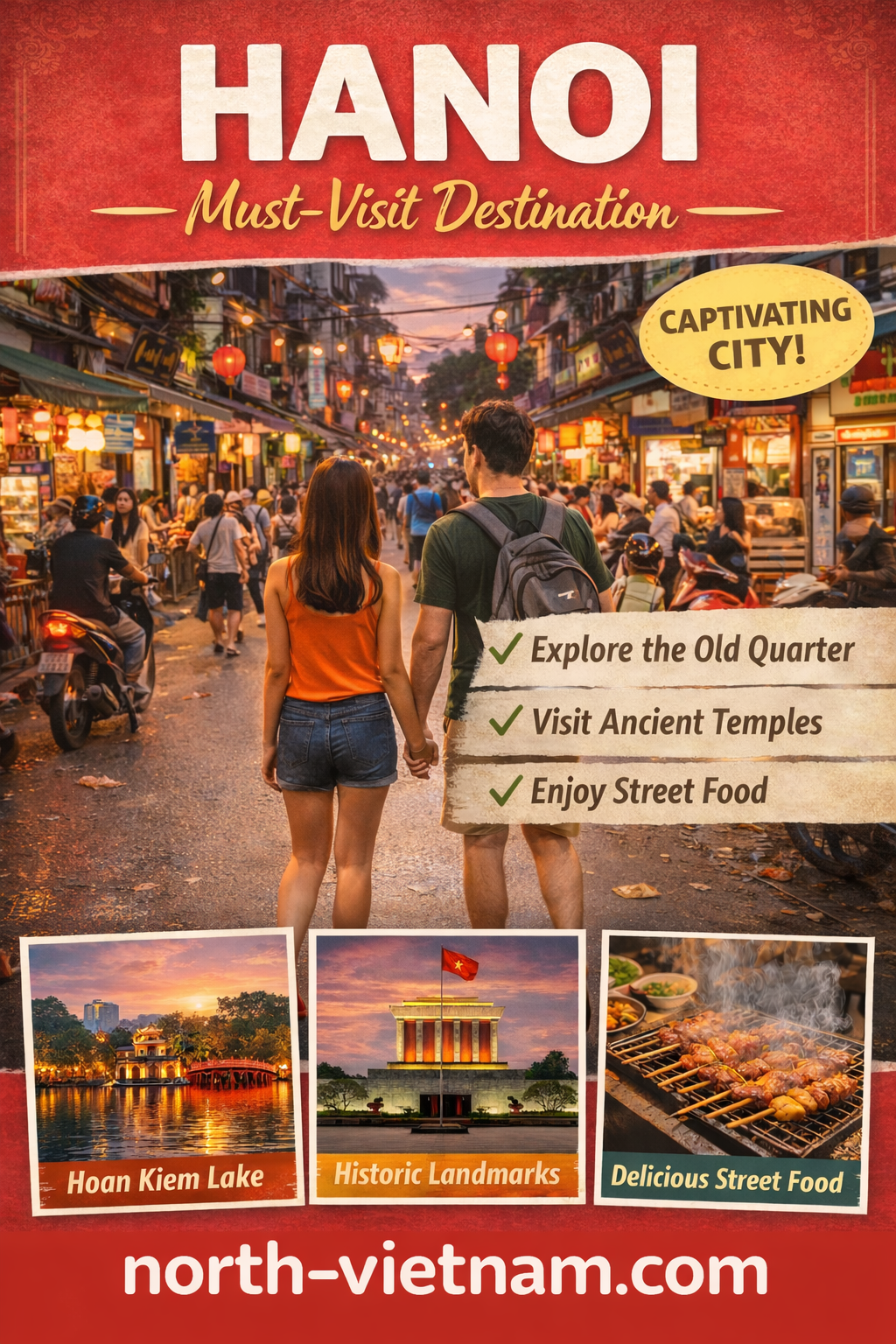
Historic capital
1,000 years of history, temples and French colonial architecture.
Old Quarter
Explore lively streets, markets and authentic local life.
Street food
Taste famous Vietnamese dishes and unique egg coffee.
Busy traffic
Chaotic roads are part of the authentic Hanoi experience.
Quick answer: Hanoi is Vietnam’s capital with around 8.8 million residents as of 2025. It’s a fast-growing city combining modern development with rich history and culture. Covering over 3,300 km², Hanoi includes urban and suburban districts and is a key political, economic, and cultural center.
At a glance:
- 📍 Location: Northern Vietnam, on the Red River.
- 📐 Area: ~3,358.6 km².
- 👥 Population: ~8.8 million (2025), growing at ~200,000 people/year.
- 🏙️ Administrative divisions: 30 districts, including both urban and suburban areas.
- 📈 Urbanization: Around 49% of residents live in urban areas.
- 📊 Economic role: A major political, scientific, cultural and economic center of Vietnam.
- 🔭 Future growth: By 2030, population could reach 9.5–10.5 million depending on development.
Last updated in April 2026
Hanoi: A Guide to the Capital City.
Hanoi, the capital of Vietnam, is the country’s cultural and historical heart. Ancient temples, the bustling Old Quarter, French colonial architecture, and modern districts combine to create one of Southeast Asia’s most fascinating cities while preserving rich Vietnamese traditions.
🌏 Why visit Hanoi?
- Historic Old Quarter and colonial architecture
- Excellent Vietnamese cuisine and coffee culture
- Temples, museums, lakes, and local markets
- Gateway to Ha Long Bay, Sapa, Ha Giang, and Ninh Binh
⚠️ Why skip Hanoi?
- Heavy traffic and thousands of motorbikes
- Noise and occasional air pollution
- Crowded streets, especially in the Old Quarter
- Less relaxing than Vietnam’s countryside or beaches
This Hanoi travel guide covers the city’s top attractions, transportation, accommodation, local food, and practical travel tips. Spending 2–3 days is ideal for experiencing the unique atmosphere of Vietnam’s vibrant capital.
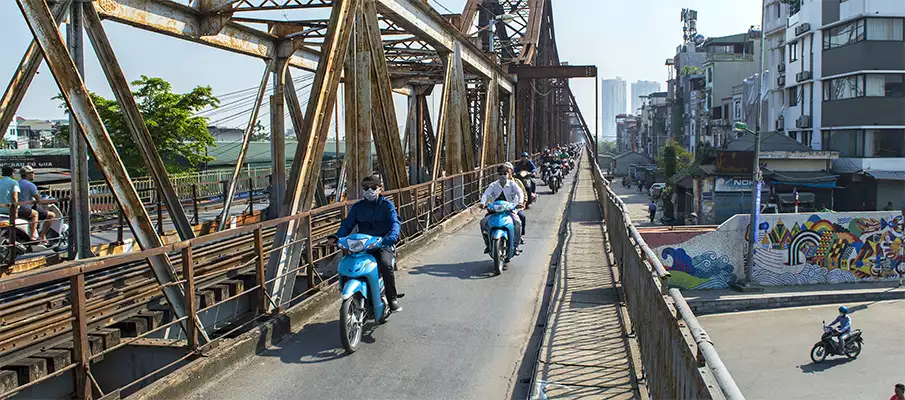
Bustling Hanoi may captivate you – but it’s not for every traveler
Hanoi is a vibrant and authentic city full of contrasts. Be prepared for heavy traffic, noise, and occasional smog, but also for a unique atmosphere you won’t experience anywhere else in Vietnam.
👍 What you’ll love
- authentic city atmosphere
- historical landmarks
- delicious Vietnamese cuisine
- cafés and Vietnamese coffee
⚠️ What to watch out for
- intense traffic and chaotic roads
- noise in the city center
- air pollution
- crossing streets can be challenging for tourists
In this Hanoi travel guide, you’ll learn what to see, where to go, and how to get around. Hanoi is one of the most interesting places in Vietnam and also one of the most visited destinations by international travelers.

Hanoi – The Gateway to Northern Vietnam
Hanoi (approx. 9 million inhabitants) is the second-largest city in Vietnam and an ideal starting point for traveling across northern regions (see more: largest cities in Vietnam).
- excellent Vietnamese cuisine and street food everywhere
- main transport hub of northern Vietnam
- easy access to destinations: Ha Long, Sapa, Ha Giang, and Ninh Binh
- train connections to Lao Cai (near the Chinese border)
- connections to Ninh Binh and southern Vietnam
From Hanoi, you can easily travel by train or bus – see more: train travel in Vietnam and bus travel in Vietnam.
History of Hanoi – A Rich Heritage That Lives On
With more than 1,000 years of history, Hanoi is one of Southeast Asia’s oldest capitals. Founded as Thang Long (“Rising Dragon”) in 1010, the city has remained Vietnam’s political and cultural heart through imperial dynasties, French colonial rule, and modern independence.
📜 Historical Timeline
- 1010 – Founded as Thang Long
- 1831 – Renamed Hanoi
- 1883 – French colonial administration begins
- 1954–1976 – Capital of North Vietnam
- Since 1976 – Capital of reunified Vietnam
🏛️ Lasting Legacy
- More than 1,000 years of history
- Vietnam’s political and cultural center
- Beautiful French colonial architecture
- Ancient temples and historic landmarks
- A unique blend of tradition and modern life
💡 Did You Know?
Although Hanoi has grown into a modern capital, many parts of the city—including the Old Quarter, ancient temples, and colonial boulevards—still reflect its rich history, making it one of Vietnam’s most fascinating cultural destinations.
Hanoi Old Quarter – The Historic Heart of the City
Located beside Hoan Kiem Lake, the Hanoi Old Quarter is the city’s most famous district, known for its narrow streets, colonial architecture, vibrant markets, and incredible street food. It’s the perfect place to experience the authentic atmosphere of Vietnam’s capital.
🏮 What to Expect
- Historic streets with local shops and cafés
- Famous street food and night markets
- Traditional architecture and lively atmosphere
- Easy walk to Hoan Kiem Lake
⭐ Why Visit?
- The cultural heart of Hanoi
- Excellent shopping and local cuisine
- Great place for walking and photography
- One of Vietnam’s most iconic neighborhoods
Where to Stay in Hanoi – Old Quarter
The Hanoi Old Quarter is the best place to stay for first-time visitors. It offers everything from budget hostels to boutique hotels and luxury accommodation, all within walking distance of the city’s top attractions, restaurants, cafés, and vibrant street life.
🏨 Why Stay Here?
- Accommodation for every budget
- Walking distance to Hoan Kiem Lake
- Hundreds of restaurants and cafés
- Perfect base for sightseeing
💡 Good to Know
- Budget hostels from about US$6–10 per night
- Easy to explore the city on foot
- Book early during weekends and holidays
- Experience Hanoi’s vibrant day and nightlife
💡 My Recommendation
For most travelers, the Old Quarter is the best place to stay in Hanoi thanks to its central location, lively atmosphere, and excellent access to the city’s main attractions. Staying here allows you to experience the authentic energy of Hanoi from early morning until late at night.
Historical landmarks in Hanoi – what to visit and see
Most of the top historical landmarks in Hanoi are located west of Hoan Kiem Lake. Thanks to short distances, you can easily explore them on foot in one or two days.
- Ho Chi Minh Mausoleum + Ho Chi Minh Museum
- One Pillar Pagoda and Ho Chi Minh’s House
- Temple of Literature (Van Mieu)
- Imperial City of Thang Long
- Tran Quoc Pagoda and Quan Su Pagoda
- Hoa Lo Prison, Vietnam Museum of Ethnology, Vietnamese Women’s Museum
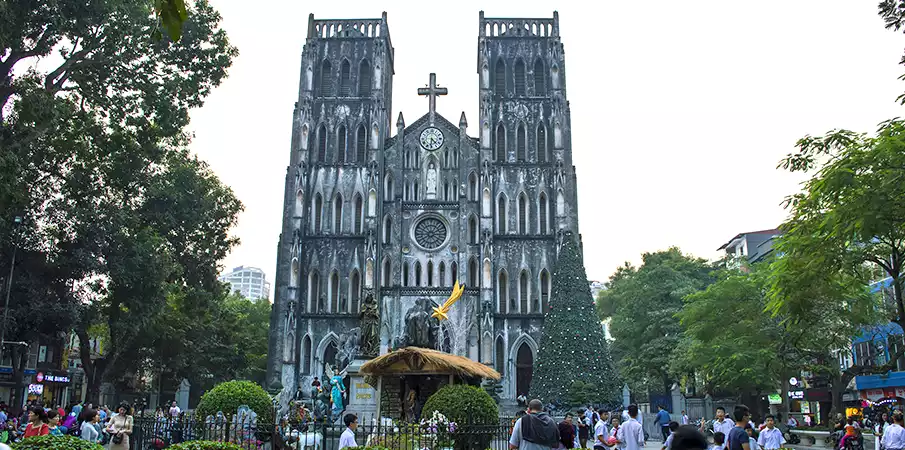
- St. Joseph’s Cathedral
- Lenin Park and other interesting places
Thanks to the easy accessibility and high concentration of landmarks, this area is perfect for exploring the history of Hanoi. Just plan your route and discover the city step by step.

Thang Long – Imperial City and UNESCO Site in Hanoi
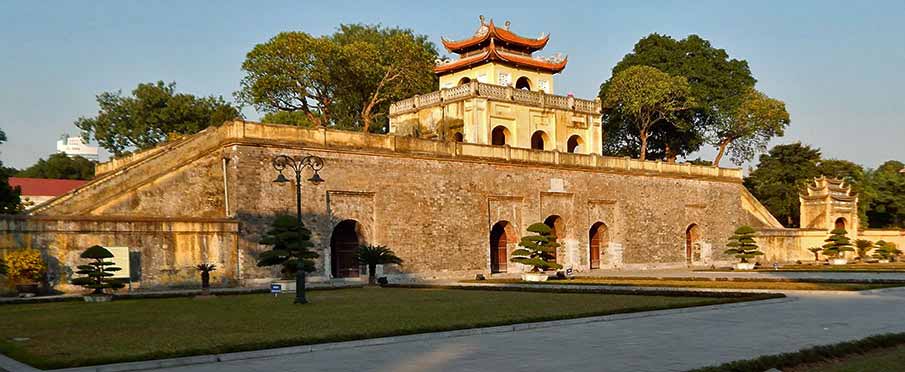
The Imperial City of Thang Long was one of the most important political and cultural centers of northern Vietnam for centuries. Today, this vast historical complex offers a unique insight into Hanoi’s past.
- historic fortifications, archaeological sites, and museums
- peaceful area near the city center (close to Lenin Park)
- UNESCO World Heritage Site since 2010
- entrance fee approx. 30,000–50,000 VND
Allow at least half a day for your visit. The complex is located near the Ho Chi Minh Mausoleum.
Ho Chi Minh Mausoleum – an important landmark and symbol of Vietnam
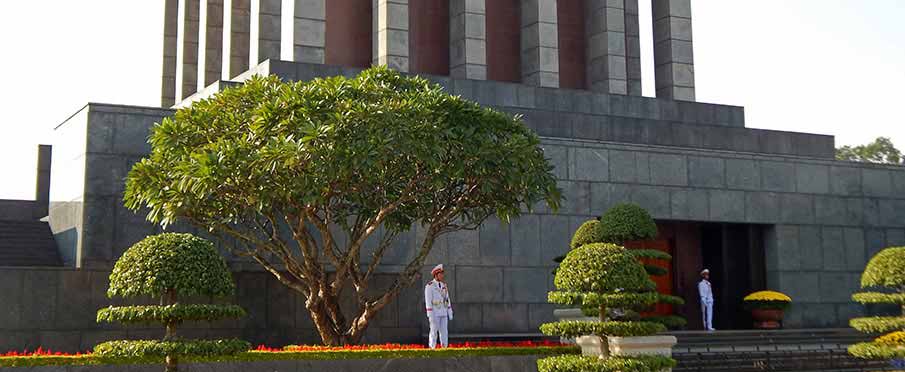
Ho Chi Minh Mausoleum at Ba Dinh Square is one of the most visited places in Hanoi. It houses the embalmed body of Ho Chi Minh, and the surrounding area feels calmer than the busy city center.
- mausoleum completed in 1975
- embalmed body in a glass sarcophagus
- quiet area with no traffic
- no photography allowed and silence is required
Nearby, you can also visit the Ho Chi Minh Museum, Ho Chi Minh’s House, and the One Pillar Pagoda. This is also the place where Vietnam’s independence was declared in 1945.
One Pillar Pagoda – an iconic landmark near the mausoleum in Hanoi
One Pillar Pagoda (Chua Mot Cot) is one of the most famous landmarks in Hanoi and is located just a few meters from the Ho Chi Minh Mausoleum. Its unique structure, resembling a lotus flower, makes it one of the symbols of the city.
- originally built in the 11th century (current structure is a reconstruction)
- unique design supported by a single pillar
- one of the most photographed landmarks in Hanoi
- easily accessible as part of a walk with the mausoleum
The pagoda is small but highly significant. Thanks to its location, it can be easily visited together with other nearby attractions.

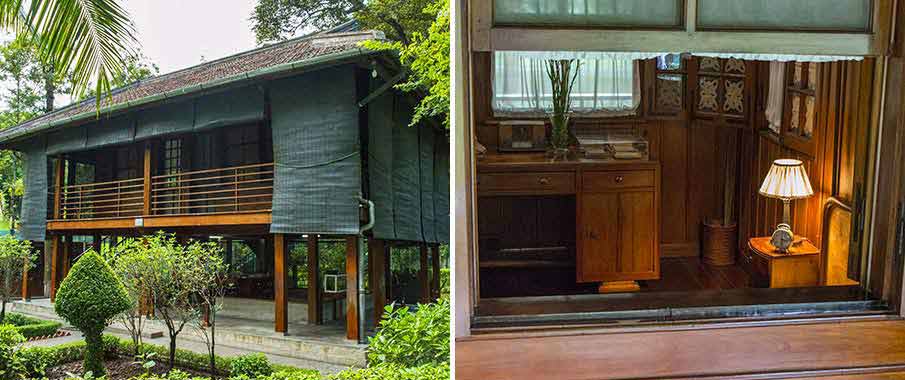
Ho Chi Minh’s Stilt House – a modest residence near the Presidential Palace
Ho Chi Minh’s Stilt House is located within the Presidential Palace complex, just a short walk from the mausoleum. The site reflects Ho Chi Minh’s simple lifestyle, as he chose not to live in the grand palace.
- traditional stilt house inspired by rural Vietnamese architecture
- two levels – reception area and private rooms
- peaceful garden with a pond and greenery
- part of a larger historical complex (entrance fee and security check)
The house offers a unique insight into Ho Chi Minh’s life and modest way of living. It is best visited together with the mausoleum and nearby landmarks.
Vietnam Museum of Ethnology – culture of 54 ethnic groups
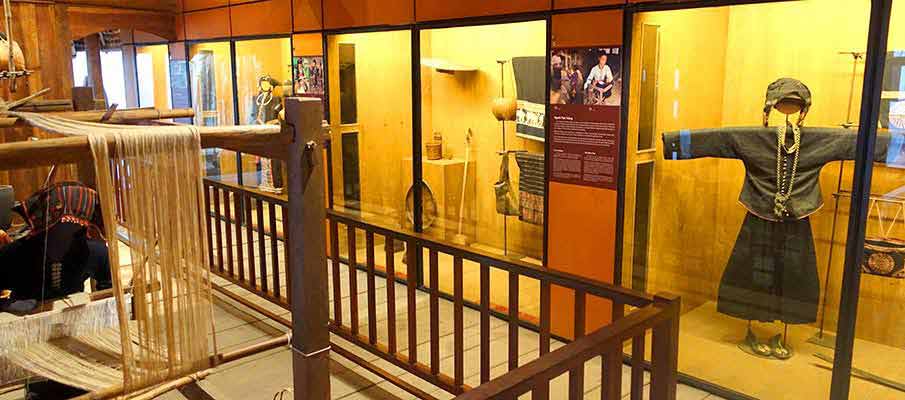
The Vietnam Museum of Ethnology in Hanoi is one of the most interesting museums in the country. It presents the culture and traditions of all 54 ethnic groups of Vietnam in one place.
- indoor exhibitions – traditional clothing, artifacts, and photographs
- outdoor area – traditional houses and ethnic dwellings
- insights into customs, lifestyle, and architecture
- suitable for families and longer visits
The museum offers a great overview of Vietnamese culture. For a more authentic experience, you can also visit mountain regions such as Ha Giang, Bac Ha, or Lao Cai.
Temple of Literature – one of the most important landmarks in Hanoi
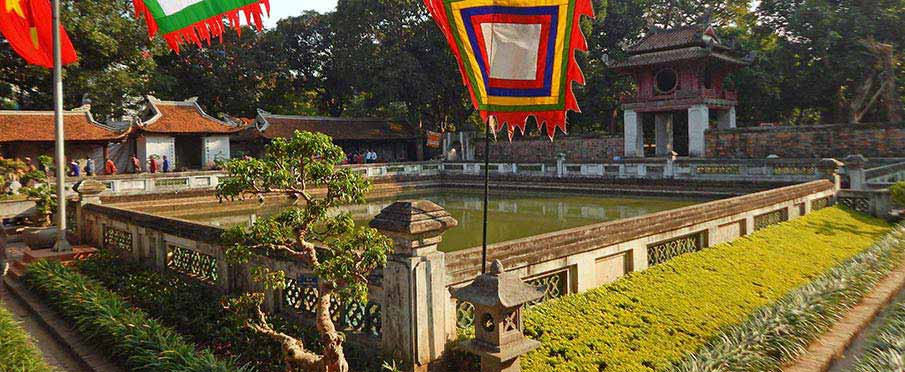
The Temple of Literature (Van Mieu) is one of the oldest and most significant historical sites in Hanoi. Founded in 1070 by Emperor Ly Thanh Tong, it is dedicated to Confucius and later became Vietnam’s first national university for royal and elite students.
- founded in 1070, dedicated to Confucius
- Vietnam’s first university for royal and noble students
- peaceful complex with 5 courtyards
- quiet atmosphere away from busy streets
The temple complex offers a calm and relaxing environment thanks to its enclosed courtyards. It is located about 10 minutes by taxi from the city center or around 1 hour on foot from Hoan Kiem Lake.
Book Train Tickets from Hanoi to Sapa ➜
The Temple of Literature has been carefully restored over time and still preserves its original character. Entrance fee is approximately 10,000 VND.
Hoan Kiem Lake – the legendary heart of Hanoi
Hoan Kiem Lake (Lake of the Returned Sword) is located in the center of Hanoi and is one of the most lively places in the city. It is popular with both tourists and locals.
- ideal place for walking and relaxation
- morning exercise, evening atmosphere, and street life
- connected to the legend of the magical sword and turtle
- views of the iconic Thap Rua Tower
The lake is a perfect starting point for exploring Hanoi’s city center and its landmarks.

Ngoc Son Temple – Jade Island on Hoan Kiem Lake
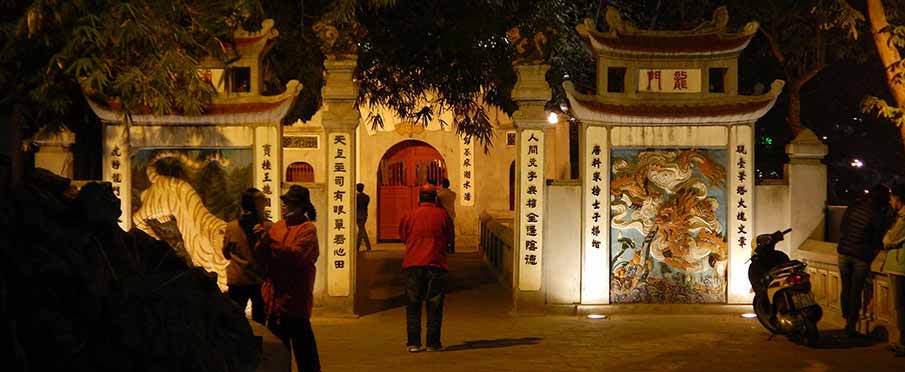
Ngoc Son Temple (Temple of the Jade Mountain) is located on a small island in Hoan Kiem Lake and is one of the most visited sites in central Hanoi.
- accessible via the iconic red bridge
- connected to the legend of the sacred turtle
- cultural and spiritual site with a traditional atmosphere
- opportunities for cultural performances and souvenir shopping
The temple is an ideal stop during a walk around the lake.
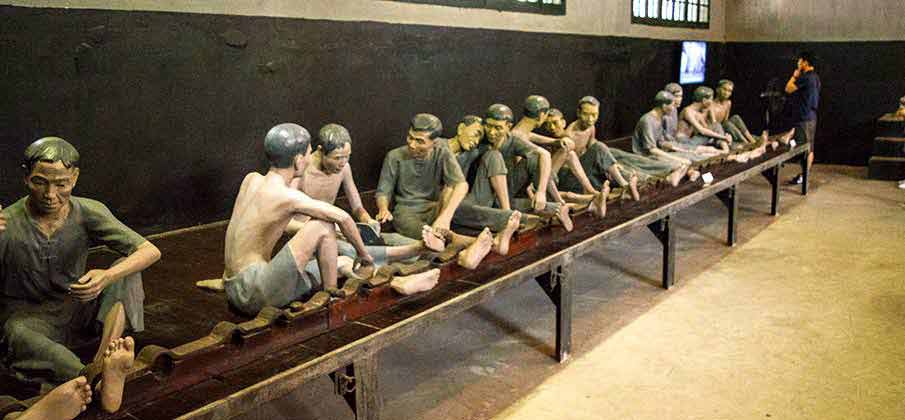
Hoa Lo Prison Museum – historical site known as the “Hanoi Hilton”
Hoa Lo Prison Museum, located about 1 km from Hoan Kiem Lake, is one of the most important historical sites in Hanoi. Originally built by the French (Maison Centrale), it was used to imprison political prisoners and later American POWs during the Vietnam War.
- former prison from the French colonial era
- exhibitions on political prisoners and war history
- original cells, prison conditions, and torture methods
- historical artifacts including the guillotine
The museum offers a powerful and often emotional insight into Vietnam’s past. It is easily accessible when walking between the train station and Hoan Kiem Lake.
Vietnam Military History Museum – war history and military exhibits in Hanoi
Vietnam Military History Museum is located about 2.5 km from Hoan Kiem Lake on the way to the Ho Chi Minh Mausoleum. It is one of the most interesting museums in Hanoi focused on Vietnam’s military history.
- military exhibits – aircraft, tanks, helicopters, and weapons
- history of conflicts from 1930 to the Vietnam War
- large outdoor and indoor exhibitions
- Flag Tower (Cot Co) with panoramic views, open to visitors
The museum offers a detailed insight into Vietnam’s war history and is a great stop for history enthusiasts exploring the city.

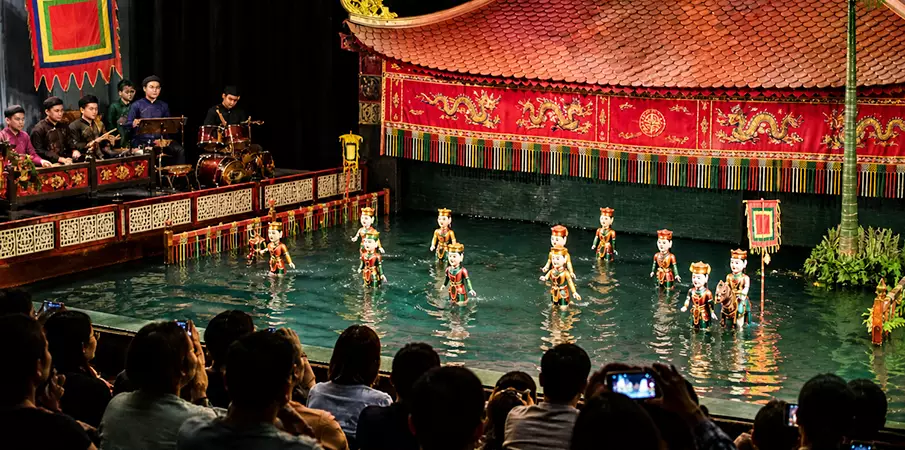
Water Puppet Theatre – a traditional cultural experience in Hanoi
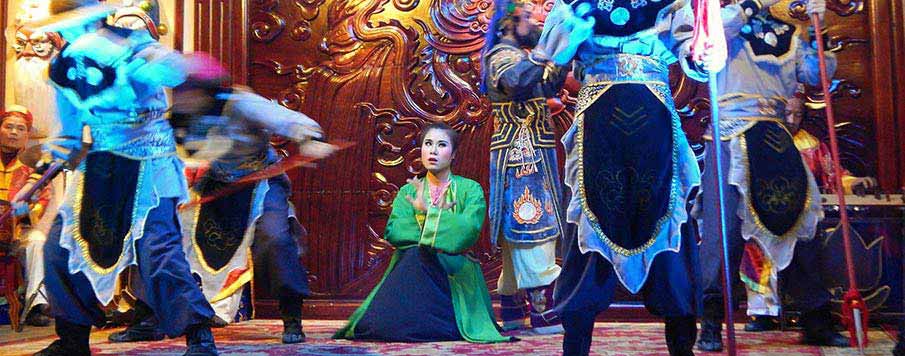
Water puppet theatre is one of the most popular cultural attractions in Hanoi. This traditional performance originated in Vietnamese villages and can now be seen in the city center near Hoan Kiem Lake.
- unique puppets performing directly on water
- stories from rural life and historical legends
- traditional Vietnamese music and live accompaniment
- suitable for all ages
The most famous venue is the Thang Long Theatre, where shows take place regularly. Advance booking is recommended.
⚠️ What to watch out for in Hanoi – tips and tourist scams
Hanoi is generally a safe city, but like any large metropolis, you should watch out for minor scams and tourist tricks. Stay alert and use common sense. Do not trust everyone who approaches you. In case of problems, you can contact the tourist police at +84-24-3942-5353 or +84-24-3942-5666, or call 113, or ask your hotel for assistance.
🚕 Transport & getting around
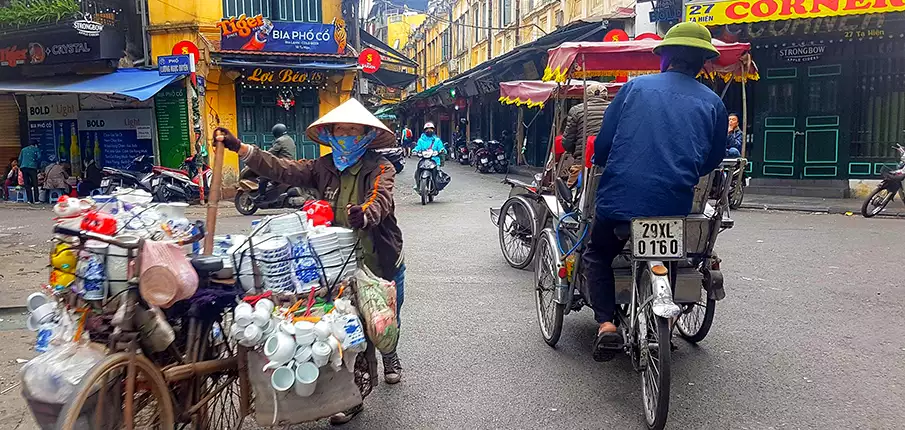
- traffic is chaotic – be careful when crossing streets
- use metered taxis (e.g. Mai Linh)
- avoid showing valuables in public
💰 Money & scams
- different prices for tourists in some restaurants
- beware of fake tickets near train stations
- copycat hotels and agencies with similar names
⚠️ Common tricks
- shoe cleaning → followed by high fees
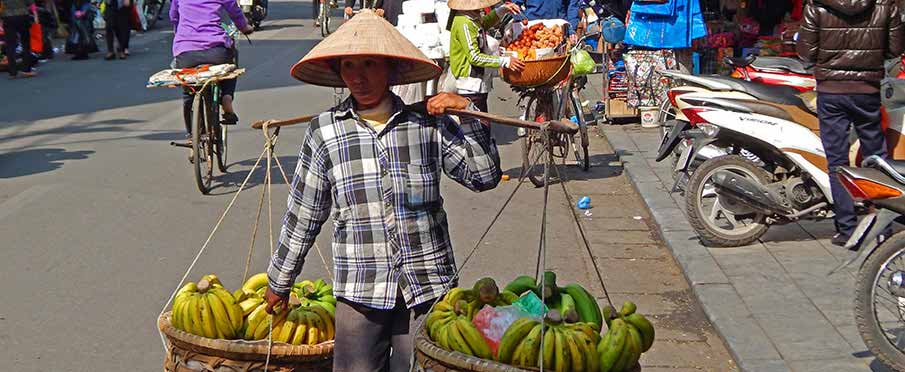
- carrying fruit baskets → charge for photos
- drug offers in clubs – always refuse
🏨 Accommodation & services
- book accommodation online in advance
- check minibar and room equipment
- verify hotel names (common duplicates)
💡 Tip: It is best to book accommodation, tours, and transport online in advance, where you can compare prices and reviews.
🚕 How to get from Noi Bai Airport to Hanoi
Noi Bai Airport is located about 40 km north of Hanoi. There are several ways to reach the city center, including taxis, buses, and ride-hailing services.
- taxi – the most convenient option
- airport buses and public buses – cheaper alternatives
- Grab – affordable ride-hailing service
- travel time approx. 30–60 minutes depending on traffic
More details: Noi Bai Airport to Hanoi center
1. Taxi from Noi Bai Airport
- recommended companies: Viet Thanh (white cars, blue “Airport Taxi” sign) and Noi Bai Taxi (white cars with yellow stripe)
- price: approx. $15–20 per car (one way between airport and Hanoi)
- comfortable and direct transfer to your hotel

2. Buses from Noi Bai Airport to Hanoi
Buses are a cheap and reliable way to travel from Noi Bai Airport to Hanoi city center. The most popular option is Bus No. 86, which connects the airport with the main train station.
- Bus No. 86 – direct connection to Hanoi Railway Station (Le Duan Street)
- price approx. 35,000–40,000 VND (~$1.5)
- air-conditioned, WiFi, comfortable seating
- travel time approx. 45–60 minutes
Main stops (Route 86):
- Noi Bai Airport (Terminals T1 & T2)
- Au Co – Xuan Dieu
- Yen Phu – Cua Bac
- Long Bien Bus Station
- Opera House
- Melia Hotel
- Hanoi Railway Station
- Public buses – No. 7 (Cau Giay), No. 17 (Long Bien), No. 90 (Kim Ma)
- operating hours approx. 5:00–22:00, interval ~15 minutes
- Vietnam Airlines minibuses
- alternative popular route: transport from Noi Bai Airport to Sapa

🛍️ Where to shop in Hanoi – markets and shopping malls
In Hanoi, you can shop almost everywhere, especially in the Old Quarter near Hoan Kiem Lake. You’ll find everything from cheap souvenirs to luxury brands.
🛒 Markets & street shopping
- Night Market (Hang Dao → Dong Xuan)
- Friday–Sunday from 19:00
- clothing, souvenirs, street food
🏬 Main markets
- Dong Xuan Market – largest market in the city
- textiles, clothing, accessories
- open daily from morning
🏙️ Shopping malls
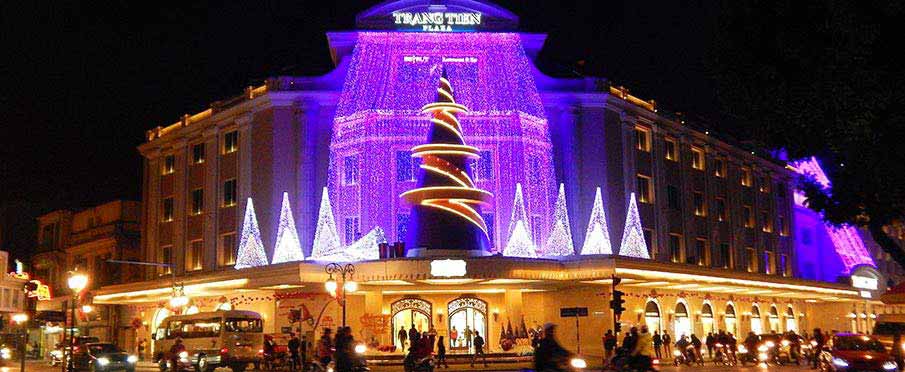
- Trang Tien Plaza – luxury brands
- Vincom Mega Mall Royal City
- fashion, electronics, restaurants
🌸 Specialty markets
- Quang Ba Flower Market
- best visited early morning (3:00–6:00)
- flowers and local atmosphere
Other shopping streets such as Ba Trieu or Hang Da offer hundreds of shops, cafés, and services.
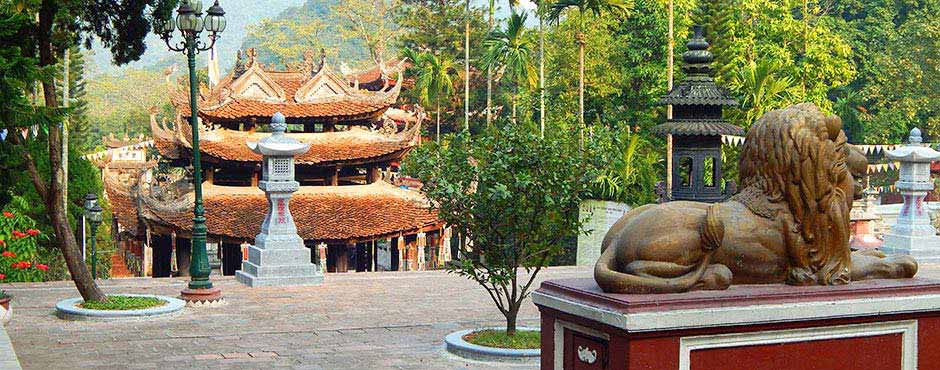
Perfume Pagoda – A Sacred Day Trip from Hanoi
Located about 70 km south of Hanoi, Perfume Pagoda (Chua Huong) is one of Vietnam’s most important Buddhist pilgrimage sites. Set among the limestone mountains of Huong Son, the complex combines temples, caves, scenic boat rides, and beautiful natural surroundings.
⛩️ Highlights
- Ancient temples and pagodas
- Famous Huong Tich Cave
- Scenic limestone landscapes
- One of Vietnam’s top Buddhist sites
🚤 Visitor Experience
- Peaceful boat trip through the valley
- Cable car or hiking to the main cave
- Popular full-day trip from Hanoi
- Annual festival from February to March
💡 My Recommendation
Allow a full day for your visit to enjoy the boat ride, explore the temples, and reach Huong Tich Cave. Visiting on weekdays outside the festival season offers a quieter and more relaxing experience.
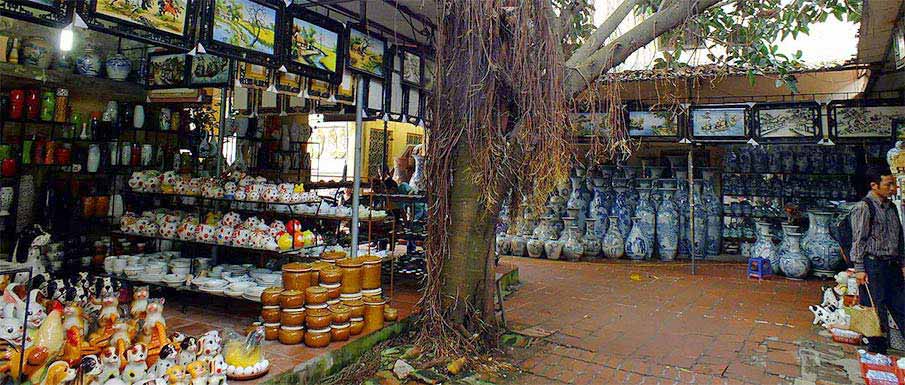
Bat Trang Ceramic Village – A Popular Day Trip from Hanoi
Located about 10 km from Hanoi, Bat Trang Village is Vietnam’s most famous ceramic village with over 1,000 years of history. It’s a popular day trip where visitors can discover traditional pottery, browse local markets, and experience one of the country’s oldest craft traditions.
🏺 What to See
- Traditional ceramic workshops
- Over 1,000 years of craftsmanship
- Handmade pottery and souvenirs
- Local ceramic market
🎨 Visitor Experience
- Watch artisans at work
- Join a pottery workshop
- Create your own ceramic souvenir
- Easy half-day trip from Hanoi
💡 My Recommendation
Visit Bat Trang in the morning to explore the workshops before the crowds arrive. It’s an excellent half-day trip that combines local culture, shopping, and a hands-on pottery experience.
Where to eat in Hanoi – street food and local restaurants
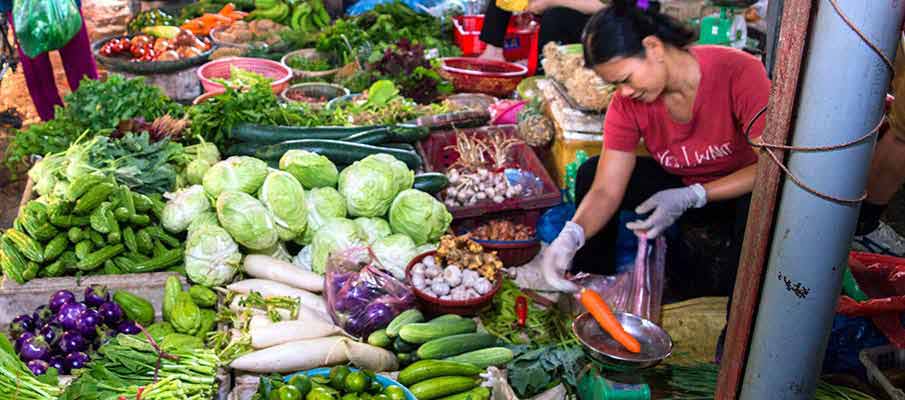
Hanoi is one of the best places in Vietnam to experience street food culture. Food vendors are everywhere, and eating on the street is part of everyday life for locals.
- street food stalls and small local restaurants on every corner
- popular dishes like pho, bun cha, and banh mi
- small plastic tables and chairs, especially busy in the evening
- fresh, affordable, and authentic Vietnamese meals
You will see mobile food stalls, mini restaurants, and vendors with baskets offering a wide variety of traditional dishes throughout the day.

Street food tour in Hanoi – taste authentic Vietnamese cuisine
Joining a street food tour in Hanoi is one of the best ways to discover local cuisine and food culture. Street food is an important part of daily life and often a primary source of income for local vendors.
- very affordable food, slightly higher prices near tourist sites
- best area: Hanoi Old Quarter
- guided tours with local food experts
- chance to try authentic and unusual dishes
Popular dishes include pho (noodle soup), bun (rice noodles), banh mi (Vietnamese sandwich), com tam (broken rice), xoi (sticky rice), banh cuon (rice rolls), and goi (salads). Learn more about Vietnamese cuisine and experience it through a street food tour.

🚍 Transport and How to Get Around Hanoi:
Quick answer: Getting around Hanoi is relatively easy thanks to a mix of affordable transport options. Walking works best in the city center, while apps like Grab or Gojek make short trips convenient. Public buses are cheap but can be confusing, and the metro system is still limited but expanding.
At a glance:
- 🚶 Walking: ideal in the Old Quarter and central areas.
- 📱 Grab / Gojek: convenient, cheap rides (cars & motorbikes).
- 🛵 Motorbike taxis: fast and widely used by locals and tourists.
- 🚍 Buses: very cheap with wide coverage, but harder to navigate.
- 🚇 Metro: modern but limited network, gradually expanding.
- ⚠️ Traffic: chaotic – be careful when crossing streets.
🎫 Baolau
Search and book train, bus, ferry and flight tickets in Vietnam online with schedules and e-tickets.
🚌 12go.asia
Popular platform for buses, trains, ferries, private transfers and domestic transport in Vietnam.
1. Bus connections in Hanoi
Hanoi has a wide bus network covering most parts of the city and nearby areas. Tickets are usually purchased directly from the driver. However, the system can be confusing and less convenient during peak hours.
- extensive coverage across the city
- low-cost transport option
- can be crowded and difficult to navigate
Check the Hanoi bus map or use the BusMap Hanoi app for route planning and navigation. More info at Busmap.vn.
2. Walking + Grab / GO-Jek / taxi
Walking is one of the best ways to explore Hanoi, especially in the city center where most landmarks are close to each other. You can see the main sights within 1–2 days.
- be careful when crossing streets – traffic is chaotic
- use Grab or GO-Jek for convenient rides
- motorbike taxis are fast and affordable
- classic taxis are also widely available
3. Hanoi Metro / elevated railway
Hanoi has started developing its metro system. The first line connects Yen Nghia (Ha Dong District) with Cat Linh, and another line runs from Nhon to Cau Giay. Additional lines are planned.
- modern transport option with growing network
- connects western and southwestern parts of the city
- more info: Hanoi Metro
- For travel across Vietnam, book tickets online via Baolau ➜ or 12go.asia ➜. See more at transportation in Vietnam.
- Traveling from Hanoi to Saigon? How to get from Hanoi to Saigon


🌤️ Weather in Hanoi – Best Time to Visit
The weather in Hanoi changes noticeably throughout the year, with four distinct seasons. Spring and autumn offer the most pleasant conditions for sightseeing, while summer is hot and humid, and winter is cool with occasional drizzle. Each season gives Vietnam’s capital a different atmosphere and charm.
🌸 Spring (March–May)
Pleasant temperatures between 20–30 °C, blooming trees, and lower humidity make spring one of the best seasons for exploring Hanoi’s Old Quarter and nearby attractions.
☀️ Summer (June–August)
Hot and humid with temperatures around 28–38 °C. Afternoon showers are common, but parks and lakes become lush and green.
🍂 Autumn (September–November)
Comfortable weather between 23–31 °C with lower humidity and plenty of sunshine. This is widely considered the best time to visit Hanoi.
❄️ Winter (December–February)
Cool with temperatures ranging from 10–22 °C. Cloudy days and light drizzle occasionally occur, so a light jacket is recommended.
💡 September to November is the best time to visit Hanoi thanks to its pleasant temperatures and sunny days. March to April is another excellent season for sightseeing. For detailed monthly temperatures, rainfall, and climate information, see our Hanoi weather guide.
🏡 Accommodation in Hanoi – from budget to luxury
Hanoi offers a wide range of accommodation, from cheap hostels and guesthouses to modern luxury hotels and apartments. Prices are very affordable compared to other major cities in Asia.
A private room can start from around $10 per night with breakfast, while comfortable double rooms range from $7–15 per person. Luxury hotels usually start from $35+ per night. The best area to stay is around Hoan Kiem Lake in the city center, where you have easy access to attractions, restaurants, and transport.
🏨 Hoan Kiem (city center)
The best location in Hanoi near Hoan Kiem Lake. Walking distance to major attractions, restaurants.
💰 Budget hotels
Great value for money. Ideal for travelers looking for affordable and comfortable accommodation.
✨ Luxury hotels
High-end hotels with premium services, pools, and modern facilities for a comfortable stay.
🛏️ Hostels
The cheapest option in the Old Quarter. Perfect for backpackers and solo travelers.

🔍 Things to Do in Hanoi – top attractions and places to visit
-
- Ngoc Son Temple (on the small island of Hoan Kiem Lake, Huc bridge)
- Hanoi Old Quarter – the historical and commercial cener of Hanoi
- Hoan Kiem Lake and nearby places
- Water Puppet Theatre at Hoan Kiem Lake (Lake of the Returned Sword)
- Ho Chi Minh Mausoleum
- Ho Chi Minh Museum
- Ba Dinh Square
- One Pilar Pagoda (one of the oldest pagoda in Hanoi)
- Temple of literature
- Imperial Citadel of Thang Long
- Tran Quoc Pagoda + West Lake (Ho Tay)
- Ly Thai To park
- Long Bien Bridge – the oldest bridge of Hanoi
- Vietnam Military History Museum + B52 Victory Museum
- Hoa Lo Prison Museum
- Vietnamese Air Force Museum
- Huu Tiep Lake and the Downed B-52
- Quan Su Pagoda
- Vietnamese women’s museum
- Museum of Ethnology, Hanoi Police Museum
- Hanoi Ceramic Mosaic rural + Phung Hung Street Art
- Vincom Mega Mall Royal city
- Lotte Center (Sky Bar, malls, viewpoint…)
- Keangnam Landmark Tower 72 (height: 336m)
- Van Phuc village (silk production), Bat Trang village (unique porcelain and ceramics)
📍 Hanoi Map – attractions, landmarks and places to visit
❓ Frequently Asked Questions + Tips about Hanoi:
How to get around Hanoi?
Walk in the city center or use public buses, taxis, or Go-Jek. A great starting point is Hoan Kiem Lake.
How to travel from Hanoi to Sapa?
Travel by tourist bus, train to Lao Cai, or private car. There are no flights. See more: How to travel from Hanoi to Sapa?
Where to stay in Hanoi?
Stay near Hoan Kiem Lake for the best location. Book your accommodation in Hanoi online.
How many days in Hanoi?
Stay at least 3–4 days to explore historical sites, culture, and modern attractions.
How to book tours and activities in Hanoi?
Search and book tours or tickets online via KLOOK attractions in Hanoi.
Where to eat in Hanoi?
Food is everywhere. The Old Quarter offers the best mix of street food, restaurants, and local bistros.
What is the most important historical site in Hanoi?
The top site is Ho Chi Minh Mausoleum, located about 4 km from Hoan Kiem Lake at Ba Dinh Square.
What are the must-visit attractions in Hanoi?
Visit Hoan Kiem Lake, Temple of Literature, Ho Chi Minh Mausoleum, and the Old Quarter. Learn more about Vietnamese culture.
When is the best time to visit Hanoi?
The best time is spring (March–April) and autumn (September–November). Weather is mild, but Hanoi is a year-round destination.
What food is Hanoi known for?
Try pho, bun cha, banh mi, cha ca, and egg coffee. Hanoi is famous for its street food culture.
What are interesting facts about Vietnam?
Vietnam offers Halong Bay, Sapa rice terraces, Mekong Delta, rich history, and vibrant culture. Read more: 15 Interesting Things of Vietnam.
How to travel solo in Vietnam?
Vietnam is ideal for solo travel—temples, nature, villages, and friendly locals. Learn more: solo travel in Vietnam.
Book your Tour in Hanoi online ➜
🚍 Where to Go from Hanoi
Hanoi is the main transport hub of northern Vietnam, offering excellent bus, train, and flight connections across the country. Whether you’re planning a mountain adventure, a cruise in Ha Long Bay, or a trip to central or southern Vietnam, most journeys start here.
🏔️ Northern Vietnam
Transport: Bus • Train • Private Car