

ℹ️ Practical Information
🏛️ History and Architecture
📸 Main Exhibitions
💡 Useful Travel Tips
🗺️ Map and Photos
🎫 Book a Tour in Hanoi
Ho Chi Minh Museum
Explore Ho Chi Minh’s life and legacy.
Vietnam’s Past
See historic photos, documents and artifacts.
Lotus-Inspired Building
Admire the museum’s distinctive design.
Central Hanoi
Visit the nearby mausoleum and pagoda.
Quick answer: The Ho Chi Minh Museum in Hanoi presents the life and legacy of Ho Chi Minh through photographs, documents, personal objects and thematic exhibitions. Located in the Ba Dinh historical complex, it is close to Ho Chi Minh Mausoleum and One Pillar Pagoda. It is a worthwhile stop for travelers interested in Vietnamese history and culture.
At a glance:
- Location: 19 Ngoc Ha Street, Ba Dinh District, Hanoi, Vietnam.
- Admission: Around 40,000 VND for international visitors; confirm the current fee before visiting.
- Opening hours: Tuesday, Wednesday, Thursday, Saturday and Sunday, 8:00 AM–12:00 PM and 2:00 PM–4:30 PM.
- Closed: Monday and Friday.
- Visit duration: Allow around 1–2 hours to explore the exhibitions.
- Nearby attractions: Ho Chi Minh Mausoleum, One Pillar Pagoda and the Presidential Palace complex.
- Official website: baotanghochiminh.vn.
Last updated: October 2026
Ho Chi Minh Museum – A Major Historical Attraction in Hanoi
The Ho Chi Minh Museum in Hanoi is dedicated to the life and legacy of Vietnam’s revolutionary leader. It is located on Ngoc Ha Street in Ba Dinh District, within the historical complex surrounding his mausoleum.
The museum displays photographs, documents, personal belongings and historical exhibits about Ho Chi Minh’s life and Vietnam’s struggle for independence. You can easily combine your visit with Ho Chi Minh Mausoleum and One Pillar Pagoda nearby.
🏛️ Why Visit?
- Learn about Ho Chi Minh’s life and legacy
- Explore historical documents and photographs
- See the distinctive museum architecture
- Combine the visit with nearby landmarks
💡 What to Know
- Allow around 1–2 hours
- Check the current opening schedule
- Bring cash for tickets if required
- Follow the museum’s photography rules
⭐ Is Ho Chi Minh Museum Worth Visiting?
Yes, especially if you want to understand Vietnam’s modern history beyond its most famous monuments. The museum offers a more detailed look at Ho Chi Minh’s life and political legacy, while its location makes it easy to combine the visit with the mausoleum and other historical sites nearby.

The History and Architecture of Ho Chi Minh Museum
The Ho Chi Minh Museum was established to preserve and present the life and legacy of Ho Chi Minh, who played a central role in Vietnam’s struggle for independence. The museum opened on May 19, 1990, marking the centenary of his birth.
The museum’s exhibitions place his personal story within the wider context of Vietnam’s modern history. Visitors can learn about his early life, political activities, international travels and influence on the country’s revolutionary movement.
📜 Ho Chi Minh’s Legacy
The museum presents the life and work of the revolutionary leader through historical materials and thematic displays.
🏗️ Opened in 1990
The museum opened on May 19, 1990, on the 100th anniversary of Ho Chi Minh’s birth.
A Distinctive Lotus-Inspired Building
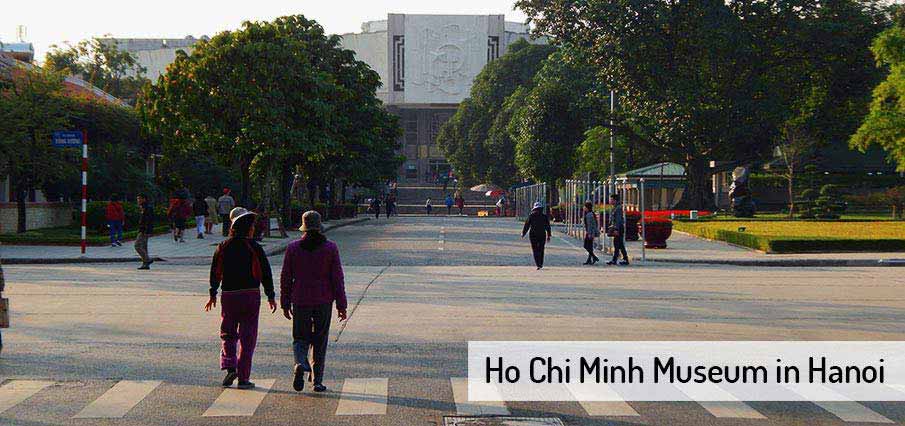
The museum stands out for its large, white, modern building, whose design is commonly associated with a stylized lotus flower. The lotus is an important symbol in Vietnamese culture and is often associated with purity and resilience.
The architecture contrasts with some of Hanoi’s older historical buildings. Inside, the exhibition spaces use objects, photographs, documents and artistic displays to present different stages of Ho Chi Minh’s life and the wider historical events surrounding him.
Main Exhibitions and Things to See Inside Ho Chi Minh Museum
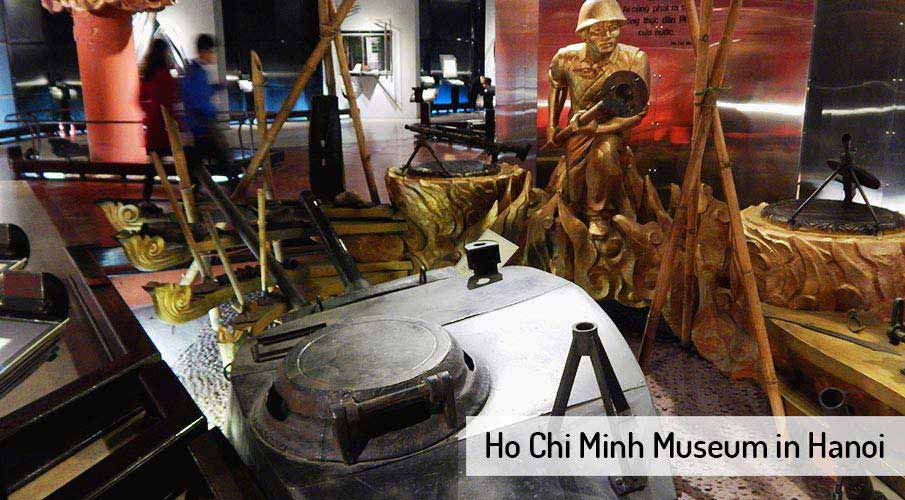
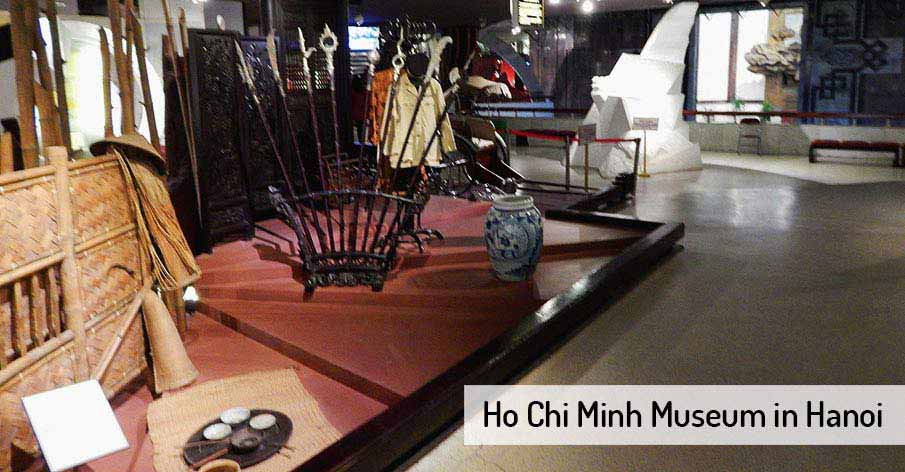
The museum’s exhibitions are arranged thematically, presenting Ho Chi Minh’s life alongside the historical developments that shaped Vietnam. The displays combine photographs, documents, personal objects, artwork and other historical materials.
1. Ho Chi Minh’s Life and Early Years
Learn about Ho Chi Minh’s early life and the experiences that influenced his political outlook. Historical photographs, documents and interpretive displays help explain his journey from his youth to his involvement in the movement for Vietnamese independence.
2. The Struggle for Vietnamese Independence
Several displays place Ho Chi Minh’s political activities within the wider history of Vietnam’s struggle for independence. Visitors can explore historical events, revolutionary movements and the political changes that shaped the country during the 20th century.
3. Historical Photographs and Documents
Photographs, documents and archival materials provide context for the events presented throughout the museum. These exhibits help visitors understand the people, places and historical circumstances associated with Ho Chi Minh’s life and political career.
4. Personal Belongings and Memorabilia
The museum presents objects and memorabilia connected with Ho Chi Minh and his public life. These displays offer a more personal perspective on the historical figure and complement the larger exhibitions about Vietnam’s political history.
5. Artwork and Thematic Displays
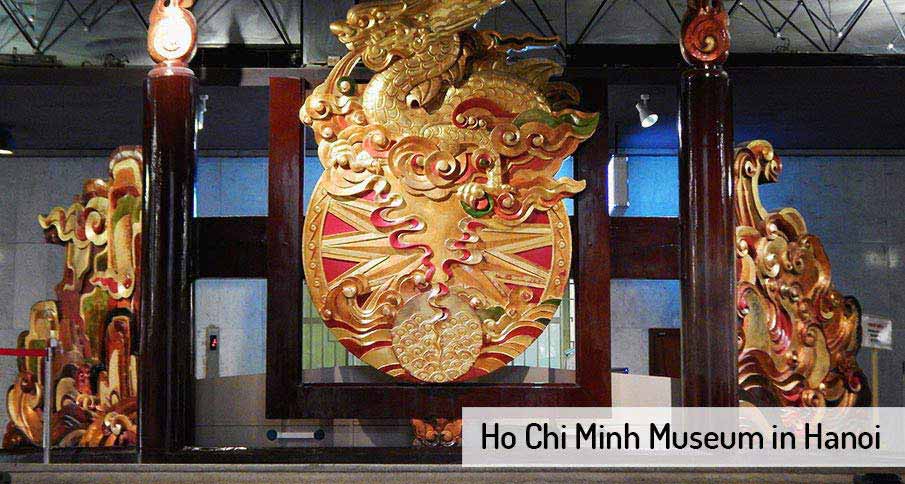
Artworks, sculptures and other visual displays interpret events and ideas associated with Ho Chi Minh’s legacy. Some installations are symbolic rather than strictly chronological, so visitors may find it useful to read the exhibition descriptions carefully as they move through the galleries.
6. A Replica of Ho Chi Minh’s Stilt House
One of the themes associated with Ho Chi Minh’s legacy is his relatively modest lifestyle. A replica of his stilt house helps visitors understand the setting in which he lived during his later years. Check the exhibition descriptions and current visitor route to see which displays are accessible during your visit.
Allow enough time to read the information panels rather than simply walking through the galleries. The museum is best experienced as a historical exhibition, especially if you want to understand the context behind the objects and images.

Opening Hours, Tickets and Best Time to Visit
The official Ho Chi Minh Museum website lists visiting hours on Tuesday, Wednesday, Thursday, Saturday and Sunday. The museum is closed on Mondays and Fridays. Opening hours are split between morning and afternoon, with a midday break.
Plan your visit around the opening schedule: arrive near the start of a session if you want more time to explore the galleries. If you are visiting Ho Chi Minh Mausoleum on the same day, check the schedules of both attractions in advance because their opening hours are different.
🌅 Morning Visit
Visit between 8:00 AM and 12:00 PM on an opening day. Morning is a good time to explore the museum and nearby historical attractions.
🕑 Afternoon Visit
The afternoon session runs from 2:00 PM to 4:30 PM. Check the opening schedule before your visit, as the museum is closed on certain days.
📅 Check Before Arrival
Confirm the latest opening schedule, admission fee and any temporary closures on the official website.
💡 Useful Travel Tips for Ho Chi Minh Museum
How to get to Ho Chi Minh Museum: The museum is located at 19 Ngoc Ha Street in Ba Dinh District, near Ho Chi Minh Mausoleum and One Pillar Pagoda. From the Hanoi Old Quarter, you can take a taxi or ride-hailing service, use a local bus, or travel on foot if you are already exploring nearby attractions. Allow extra time for traffic.
👟 Wear Comfortable Shoes
You will spend time walking between exhibition areas. Comfortable shoes make it easier to explore the museum and nearby historical sites.
📅 Check Opening Days
The museum is generally closed on Mondays and Fridays. Confirm the schedule before setting out.
🎟️ Confirm Ticket Prices
Admission information can change. Check the official website or contact the museum to confirm the current fee for international visitors.
📵 Follow Photography Rules
Photography may be restricted in certain exhibition areas. Follow posted signs and instructions from museum staff.
⏱️ Allow Enough Time
Plan around 1–2 hours for the museum. Add more time if you want to visit nearby monuments as well.
🌏 Learn About Local Culture
Read our guide to Vietnamese culture to learn more about local traditions and historical context.
🏛️ Ho Chi Minh Museum – Visitor Information
📍 Address: 19 Ngoc Ha Street, Ba Dinh District, Hanoi, Vietnam
🎟️ Entrance fee: Around 40,000 VND for international visitors; confirm the current price before arrival.
🕒 Morning hours: Tuesday, Wednesday, Thursday, Saturday and Sunday, 8:00 AM–12:00 PM.
🕑 Afternoon hours: Tuesday, Wednesday, Thursday, Saturday and Sunday, 2:00 PM–4:30 PM.
🚫 Closed: Monday and Friday.
⏱️ Visit duration: Around 1–2 hours.
🏛️ Nearby attractions: Ho Chi Minh Mausoleum and One Pillar Pagoda.
Opening hours, admission fees and access rules may change. Check the official museum website before visiting.
⭐ Can You Visit Ho Chi Minh Museum and the Mausoleum on the Same Day?
Yes. The museum is close to Ho Chi Minh Mausoleum and One Pillar Pagoda, so these sights can be combined in one Ba Dinh sightseeing route. Check the opening hours of each attraction before you go, and allow extra time for walking and security procedures around the mausoleum complex.
Map of Ho Chi Minh Museum and Nearby Places
Use the map below to locate Ho Chi Minh Museum and plan your visit to the Ba Dinh historical complex. The museum is close to Ho Chi Minh Mausoleum and One Pillar Pagoda, making it easy to include several important sights in one itinerary.
Photos of Ho Chi Minh Museum in Hanoi
📖 More Places to Visit in Hanoi
🏛️ Ho Chi Minh Mausoleum – Visit the monumental resting place of Vietnam’s revolutionary leader.
🎨 Phung Hung Mural Street – Colorful murals in Hanoi’s Old Quarter.
📚 Temple of Literature – Explore Vietnam’s historic center of learning.
⚔️ Vietnam Military History Museum – Learn about the country’s military past.
🕯️ Hoa Lo Prison Museum – Discover another important chapter of Vietnamese history.
🌊 Hoan Kiem Lake – Explore Hanoi’s famous lake and the surrounding Old Quarter.
❓ Frequently Asked Questions About Ho Chi Minh Museum
What is Ho Chi Minh Museum?
Ho Chi Minh Museum in Hanoi presents his life, legacy and role in Vietnam’s modern history through photographs, documents and personal objects.
Where is Ho Chi Minh Museum located?
The museum is at 19 Ngoc Ha Street in Ba Dinh District, near Ho Chi Minh Mausoleum and One Pillar Pagoda.
What are the opening hours of Ho Chi Minh Museum?
The listed hours are 8:00 AM–12:00 PM and 2:00 PM–4:30 PM, Tuesday, Wednesday, Thursday, Saturday and Sunday. It is closed on Mondays and Fridays. Check the current schedule before visiting.
How much is the entrance fee?
Existing visitor information lists a fee of around 40,000 VND for international visitors. Confirm the current price before your visit.
How long does a visit to Ho Chi Minh Museum take?
Allow around 1–2 hours to explore the museum, plus extra time for nearby attractions.
What can you see inside the museum?
You can see photographs, documents, personal belongings and exhibitions about Ho Chi Minh and Vietnam’s history.
Is photography allowed inside Ho Chi Minh Museum?
Photography may be restricted in some areas. Follow the signs and staff instructions.
Is there a dress code for Ho Chi Minh Museum?
Wear comfortable, respectful clothing. The nearby Ho Chi Minh Mausoleum has stricter dress requirements.
How do you get to Ho Chi Minh Museum from the Old Quarter?
You can take a taxi, ride-hailing service or local bus. Walking is also possible, depending on your starting point.
Is Ho Chi Minh Museum wheelchair accessible?
Accessibility may vary between exhibition areas. Contact the museum in advance to arrange assistance if needed.
Is a guided tour of Ho Chi Minh Museum available?
Guided visits may be available, depending on arrangements and language. Check with the museum or your tour provider.
What other attractions are near Ho Chi Minh Museum?
Nearby sights include Ho Chi Minh Mausoleum, One Pillar Pagoda and the Presidential Palace complex. You can also visit the Vietnam Military History Museum.
