
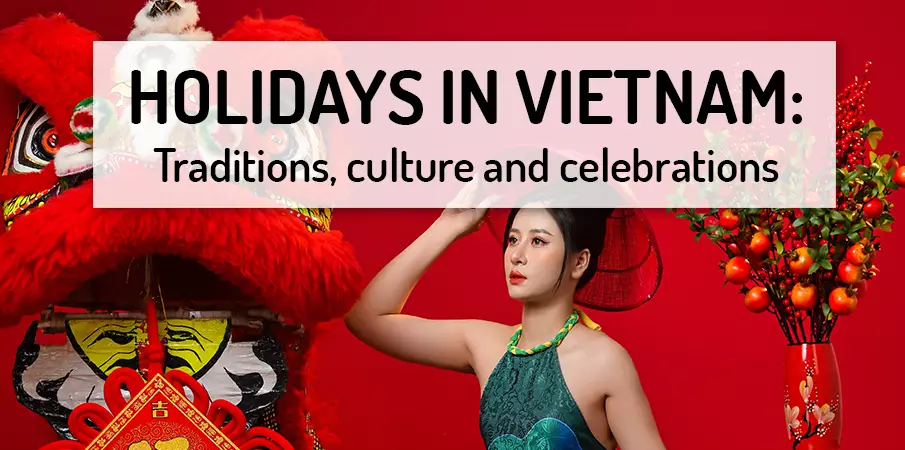
Quick answer: Vietnam celebrates important national, traditional and religious holidays throughout the year. Tết is the biggest celebration, while National Day, Reunification Day and the Mid-Autumn Festival are also widely observed.
At a glance:
- 🎉 Tết: Vietnam’s most important holiday and Lunar New Year.
- 🇻🇳 National Day: September 2, celebrating Vietnamese independence.
- 🕊️ Reunification Day: April 30, marking the end of the Vietnam War.
- 🌕 Mid-Autumn Festival: A colorful celebration featuring lanterns and mooncakes.
- 🕯️ Hùng Kings’ Festival: Honors the legendary founders of Vietnam.
- 👩🏫 Teachers’ Day: November 20, a day to show respect and gratitude to teachers.
- 🌸 Other Festivals: Regional celebrations reflect Vietnam’s diverse cultural and religious traditions.
Last updated in August 2026
Vietnamese Holidays: Culture, History and Traditions
Vietnamese holidays are deeply connected with family, history, religion and cultural traditions. From Tết and National Day to traditional festivals, celebrations bring people together and reflect the country’s rich heritage.
🎉 National Celebrations
Holidays such as Tết, Reunification Day and National Day are celebrated across Vietnam and are important parts of national life.
🏛️ History & Heritage
Many celebrations commemorate important historical events, national founders and Vietnam’s cultural heritage.
👨👩👧 Family Traditions
Holidays are a time for families to reunite, share traditional meals, visit relatives and honor ancestors.
🏮 Festivals & Local Life
Regional festivals add colorful traditions, religious ceremonies, food and community celebrations throughout the year.
1. Tết Nguyên Đán – Vietnamese Lunar New Year
When: End of January or beginning of February, according to the lunar calendar.
Tết is the most important holiday in Vietnam and marks the beginning of the Vietnamese Lunar New Year. It is a time for new beginnings, family reunions, traditional food and honoring ancestors.
🎉 New Beginnings
Tết symbolizes renewal and is traditionally seen as a time to leave past misfortunes behind and welcome good luck.
🌸 Tết Decorations
Homes are cleaned and decorated with flowers, including peach blossoms in the north and apricot blossoms in the south.
🙏 Family & Ancestors
Families reunite, visit relatives and honor ancestors at home altars and family graves.
🥢 Traditional Food & Gifts
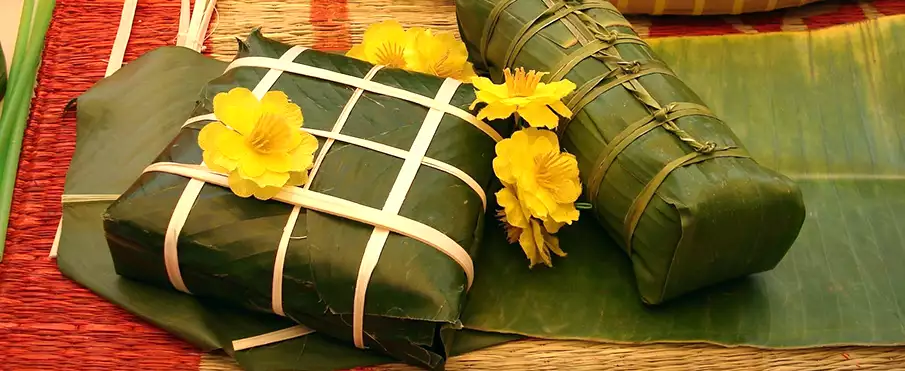
Bánh chưng and bánh tét are traditional Tết foods, while lì xì red envelopes bring good luck.
2. Festival of the First Day of Spring (Lễ hội khai hạ)
When: 6th day of the lunar year
Where: Throughout Vietnam
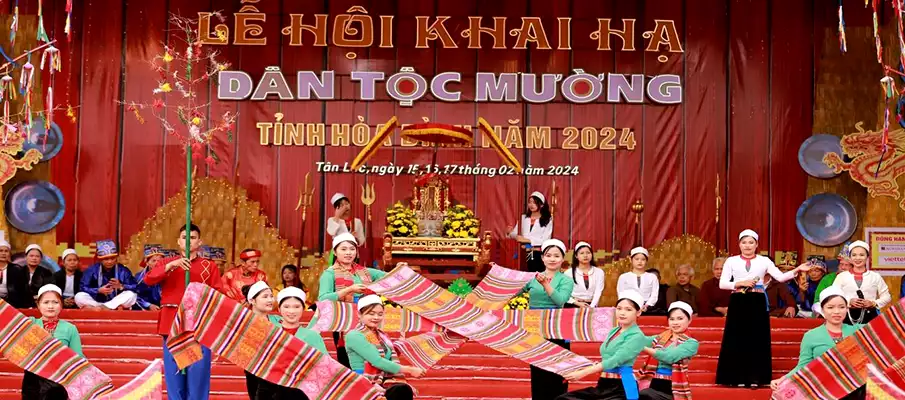
The Lễ hội khai hạ follows Tết and marks the beginning of a new working period. People pray for health, success and good fortune before returning to work and everyday activities.
🌱 New Beginning
The festival symbolizes the start of a new period after the Tết celebrations.
🙏 Prayers & Offerings
People visit temples, burn incense and make offerings for health, prosperity and success.
🏪 Returning to Work
Many businesses reopen and people return to their normal work and daily routines.
🤝 Community Tradition
The festival reinforces traditional values and hopes for a successful year ahead.
3. Hung Kings Festival (Giỗ Tổ Hùng Vương)
When: 10th day of the third lunar month
Where: Mainly in Phú Thọ and other parts of Vietnam
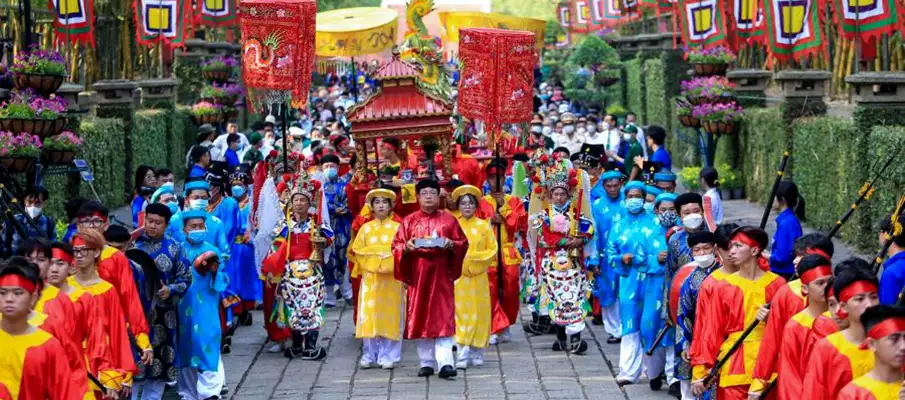
The Hung Kings Festival (Giỗ Tổ Hùng Vương) honors the legendary Hùng Kings, traditionally regarded as the founders of the Vietnamese nation. It is an important expression of national identity and respect for Vietnam’s origins.
👑 Hung Kings
The festival commemorates the legendary rulers of ancient Văn Lang and their role in Vietnam’s origins.
🙏 Hùng Temple
The largest ceremonies take place at the Hùng Temple complex in Phú Thọ.
🥁 Traditional Ceremonies
People burn incense, make offerings and take part in processions and cultural activities.
🇻🇳 National Identity
The festival connects generations and strengthens pride in Vietnam’s historical and cultural roots.
4. Reunification Day (Ngày Giải Phóng Miền Nam)
When: April 30
Where: Throughout Vietnam, especially in Ho Chi Minh City
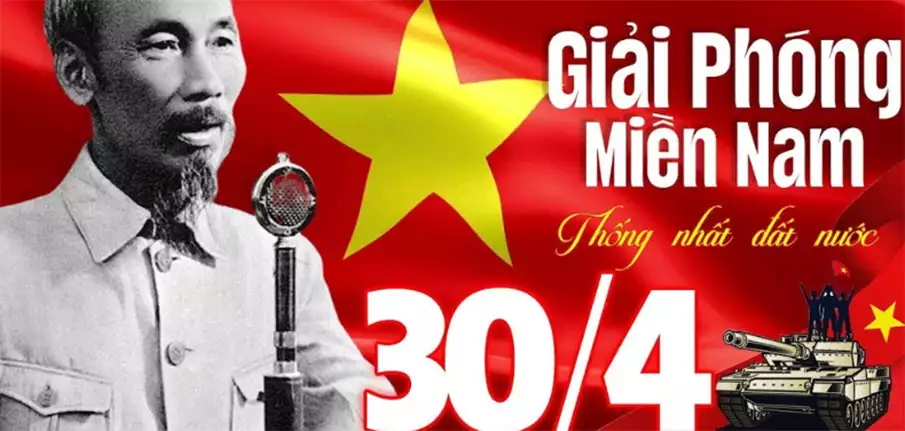
Reunification Day commemorates April 30, 1975, when the Vietnam War ended and North and South Vietnam were reunified. The date remains an important part of Vietnam’s modern history and national identity.
📅 April 30
The holiday marks the end of the Vietnam War and the reunification of the country in 1975.
🇻🇳 National Unity
The day represents reunification and is associated with national pride and remembrance.
🎉 Public Celebrations
Cities host cultural events, concerts, decorations and other public activities.
🏙️ Ho Chi Minh City
Ho Chi Minh City is one of the main places to experience the holiday atmosphere.
5. International Workers’ Day (Ngày Quốc tế Lao động)
When: May 1
Where: Throughout Vietnam
International Workers’ Day is an official public holiday in Vietnam honoring workers and their contribution to society and the country’s development. It is also a day of rest that often forms part of a longer holiday period around April 30.
👷 Workers’ Day
May 1 recognizes the role of workers and the importance of labor in Vietnamese society.
📅 Public Holiday
May 1 is an official holiday when many businesses, schools and offices close.
🎭 Public Events
Some cities organize cultural programs, sports activities and public celebrations.
🏖️ Holiday Travel
Many Vietnamese people use the day off for family time, short trips and leisure activities.

6. National Independence Day (Quốc Khánh)
When: September 2
Where: Throughout Vietnam
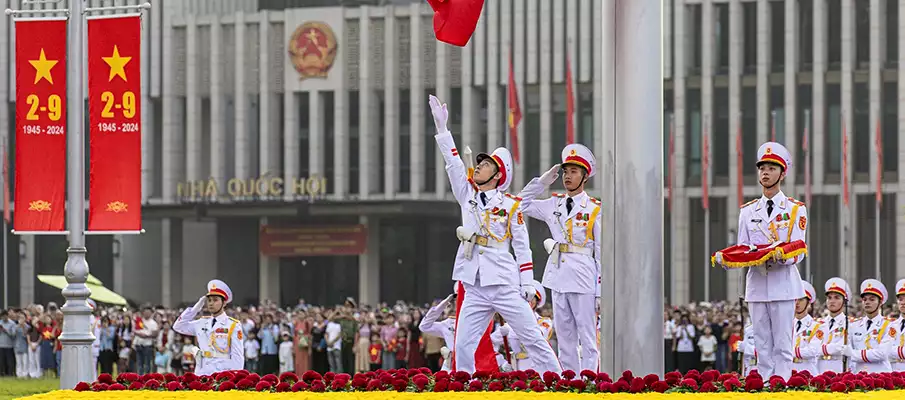
National Independence Day commemorates September 2, 1945, when Hồ Chí Minh declared Vietnam’s independence at Ba Đình Square in Hanoi. It is one of the country’s most important national holidays and a major expression of national pride.
🇻🇳 September 2
The holiday marks the declaration of independence of the Democratic Republic of Vietnam in 1945.
📍 Ba Đình Square
Hanoi is the historic center of the celebrations and the place where independence was declared.
🎆 National Celebrations
Public events, cultural programs, concerts and decorations take place across the country.
❤️ National Pride
The day celebrates independence and remains an important symbol of Vietnamese national identity.
7. Mid-Autumn Festival (Tết Trung Thu)
When: 15th day of the 8th lunar month, usually September or October
Where: Throughout Vietnam
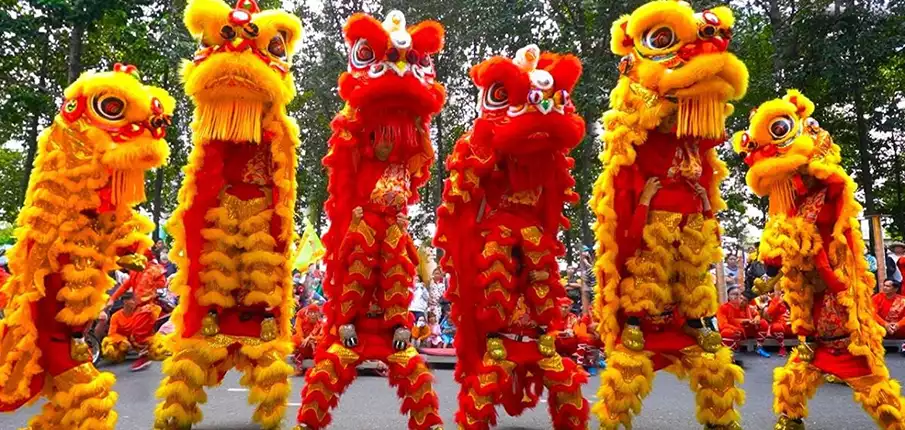
Tết Trung Thu, the Vietnamese Mid-Autumn Festival, is especially associated with children and family celebrations. It has agricultural roots but is now known for colorful lanterns, mooncakes, lion dances and children’s activities.
🏮 Colorful Lanterns
Children carry decorated lanterns during evening celebrations and community parades.
🌕 Mooncakes
Bánh trung thu are traditional mooncakes filled with ingredients such as lotus seeds, beans or egg yolks.
🦁 Lion & Dragon Dances
Colorful lion and dragon dances are popular parts of the festival and are associated with good fortune.
👨👩👧 Family Festival
The celebration brings families together and creates special experiences for children.
8. Teachers’ Day (Ngày Nhà Giáo Việt Nam)
When: November 20
Where: Throughout Vietnam
Teachers’ Day is a special day dedicated to teachers and their important role in Vietnamese society. Students and families use the occasion to show gratitude and respect to educators.
📚 Respect for Education
Education has traditionally been highly valued in Vietnam, and teachers are respected for guiding younger generations.
💐 Flowers & Gifts
Students commonly give teachers flowers, small gifts and handwritten greetings.
🎭 School Events
Schools often organize ceremonies, performances and activities to celebrate teachers.
🏆 Honoring Teachers
Outstanding educators may receive recognition for their dedication and contribution to education.
9. All Souls’ Day – Lễ Vu Lan
When: 15th day of the 7th lunar month
Where: Throughout Vietnam
Lễ Vu Lan is an important Buddhist and cultural observance dedicated to remembering deceased parents and ancestors. It is a time for gratitude, remembrance and prayers for loved ones.
🙏 Honoring Ancestors
Families remember deceased parents and ancestors and express gratitude for their lives and sacrifices.
🛕 Buddhist Tradition
Many ceremonies take place at Buddhist pagodas, where people pray for their ancestors and loved ones.
🌸 Offerings
Families may offer food, flowers and incense as expressions of respect and gratitude.
❤️ Family Values
The observance emphasizes gratitude toward parents, family connections and remembrance of previous generations.
10. Regional and Local Festivals in Vietnam
When: Various dates throughout the year
Where: Different regions across Vietnam
Vietnam has hundreds of regional and local festivals connected with local history, religion, agriculture and community traditions. These celebrations help preserve cultural identity and bring local communities together.
🛕 Perfume Pagoda Festival
Held near Hanoi, this Buddhist pilgrimage includes boat trips, temple visits and prayers for health and happiness.
🏯 Trần Temple Festival
Held in Nam Định, this festival honors the Trần Dynasty with ceremonies and traditional activities.
🌾 Harvest Festivals
Rural communities celebrate successful harvests with traditional food, music, dances and local ceremonies.
🎣 Coastal Festivals
Lễ hội Cầu Ngư and similar festivals include prayers for safe fishing and abundant catches.
These regional celebrations reflect the diversity of religion and traditions in Vietnam and offer visitors a closer look at local culture.
❓ Vietnamese Holidays – Frequently Asked Questions
What is the most important holiday in Vietnam?
Tết is Vietnam’s most important holiday, celebrating the Lunar New Year with family gatherings, traditions and ancestor worship.
When is Tết celebrated in Vietnam?
Tết usually falls in late January or February, depending on the lunar calendar.
What is bánh chưng and why is it important during Tết?
Bánh chưng is a traditional sticky rice cake associated with Tết and Vietnamese family traditions.
What is lucky money in Vietnam?
Lucky money, called lì xì, is given in red envelopes during Tết as a symbol of good luck and prosperity.
What is the Hùng Kings’ Festival?
The Hùng Kings’ Festival honors the legendary founders of Vietnam with ceremonies, offerings and traditional activities.
What is Reunification Day in Vietnam?
Reunification Day is observed on April 30 and commemorates the end of the Vietnam War and reunification of the country in 1975.
When is Vietnam’s National Independence Day?
Vietnam’s National Independence Day is celebrated on September 2, commemorating the declaration of independence in 1945.
What is Tết Trung Thu in Vietnam?
Tết Trung Thu is the Mid-Autumn Festival, known for lanterns, mooncakes, lion dances and children’s celebrations.
Why is Teachers’ Day important in Vietnam?
Teachers’ Day on November 20 is a time for students to show respect and gratitude to their teachers with flowers, gifts and school events.
What foods are traditionally eaten during Tết?
Popular Tết foods include bánh chưng, bánh tét, pickled vegetables, candied fruits and traditional family dishes.