Quick answer: Vietnam is a country of fascinating contrasts, from its long coastline and dramatic mountains to ancient traditions, unique food, vibrant cities and a rich history. These interesting facts highlight some of the places, traditions and features that make Vietnam a unique destination.
At a glance:
- 🌊 Coastline: More than 3,260 km of beaches and coastal landscapes.
- 🏙️ Cities: Hanoi and Ho Chi Minh City offer very different sides of modern Vietnam.
- 🍜 Food: Pho, coffee, rice and street food are central to Vietnamese culture.
- 🏔️ Nature: Mountains, lakes, caves, rice fields and the Mekong Delta.
- 🎭 Culture: Tet, water puppetry, temples and long-standing traditions.
- 📜 History: Thousands of years of dynasties, colonial rule and modern history.
Last updated in August 2026
Fascinating Facts About Vietnam: Diversity and Contrasts
Vietnam is a country of striking contrasts, where ancient traditions meet modern cities and dramatic landscapes exist alongside vibrant everyday life. From Hanoi and Ho Chi Minh City to mountains, coastlines and the Mekong Delta, there is always something interesting to discover.
🏙️ Cities & Modern Life
Hanoi combines historic streets, temples and cafés, while Ho Chi Minh City represents Vietnam’s modern side.
🏔️ Nature & Landscapes
Vietnam offers dramatic mountains, limestone islands, rice fields, caves and the waterways of the Mekong Delta.
🎭 Culture & Traditions
Water puppetry, temples, pagodas and traditional customs remain an important part of Vietnamese culture.
🍜 Food & Flavours
From pho and street food to regional specialties, Vietnamese cuisine is an essential part of everyday life and travel.
1. Length of Vietnam’s Coastline
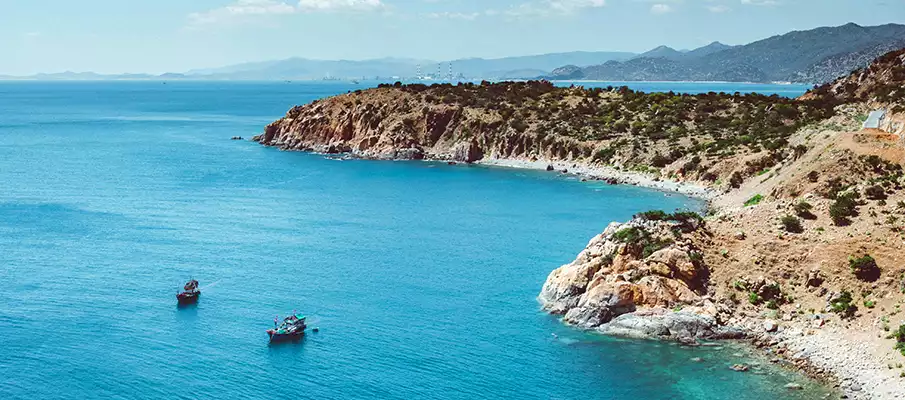
Vietnam has a coastline of more than 3,260 kilometers, stretching along the country’s eastern and southern regions. It includes busy beach resorts, coastal cities, fishing villages and remote islands.
Popular coastal destinations include Nha Trang, Da Nang, Quy Nhon, Phu Quoc Island and Mui Ne. The coast also supports fishing, seafood production, diving and other marine activities.
🌊 Long Coastline
Vietnam has more than 3,260 km of coastline with beaches, bays and islands.
🏖️ Beach Destinations
Popular coastal areas include Da Nang, Nha Trang, Quy Nhon, Mui Ne and Phu Quoc.
🎣 Fishing Tradition
Fishing remains an important part of life for many coastal communities in Vietnam.
🐠 Marine Life
Coastal waters support diverse marine life and opportunities for diving and snorkeling.
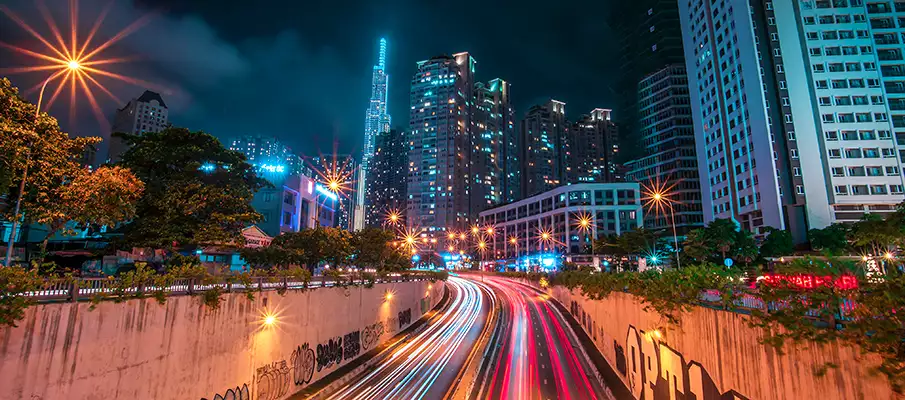
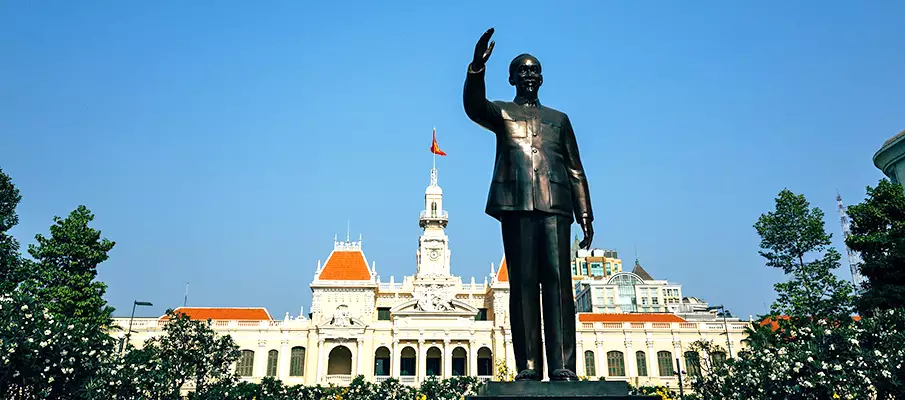
2. Ho Chi Minh City – Economic Hub
Ho Chi Minh City, formerly known as Saigon, is Vietnam’s largest city and a major economic center. It combines modern development with historic buildings, busy markets, museums and lively streets.
The city also played an important role in Vietnam’s modern history. Places such as the War Remnants Museum and Cu Chi Tunnels help visitors understand the city’s connection to the Vietnam War.
🏙️ Largest City
Ho Chi Minh City is Vietnam’s largest urban center and a major economic hub.
💼 Modern Vietnam
Skyscrapers, businesses, shopping and nightlife reflect the city’s rapid development.
🏛️ Historic Landmarks
Colonial architecture, temples and historic buildings reveal different periods of the city’s past.
📜 War History
The War Remnants Museum and Cu Chi Tunnels preserve important parts of Vietnam’s wartime history.
3. UNESCO Heritage Sites in Vietnam
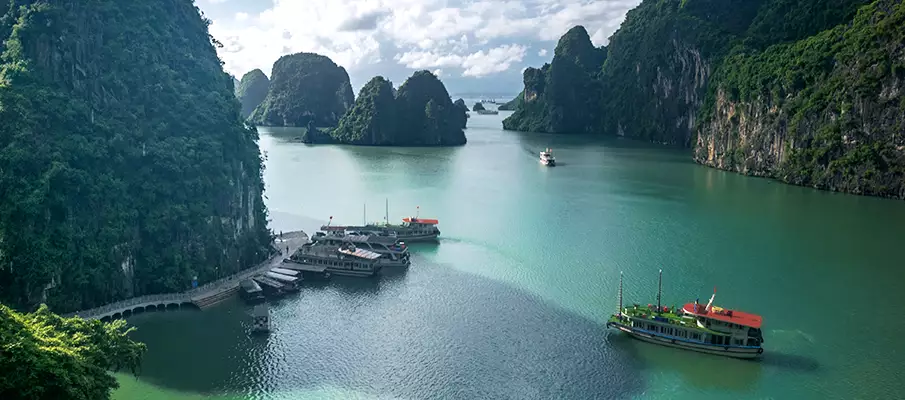
Vietnam has a diverse collection of UNESCO World Heritage Sites, including historic cities, cultural monuments and spectacular natural landscapes. They reflect the country’s long history and cultural diversity.
One of the best-known examples is Halong Bay, famous for its limestone islands and dramatic coastal scenery. Other heritage places include historic cities, temples and landscapes where traditional culture remains part of everyday life.
🏛️ Historic Places
Ancient cities, monuments and architecture preserve important parts of Vietnam’s history.
🌊 Natural Landscapes
Places such as Halong Bay show the exceptional natural diversity recognized by UNESCO.
🛕 Cultural Heritage
Temples, pagodas and historic monuments reflect Vietnam’s cultural and spiritual traditions.
🌾 Traditional Life
Some heritage areas also preserve traditional crafts, agriculture and local ways of life.
4. Pho Noodle Soup in Vietnam
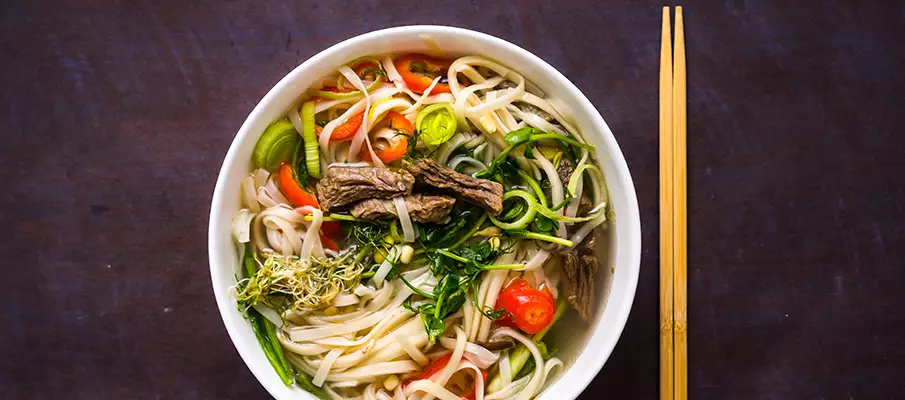
Pho is one of Vietnam’s most famous dishes and an important part of Vietnamese food culture. This traditional noodle soup is commonly served at breakfast, lunch or dinner and is now enjoyed around the world.
🍜 Rice Noodles
Thin rice noodles form the base of a traditional bowl of pho.
🥣 Rich Broth
The broth is slowly cooked with meat, herbs and aromatic spices.
🥩 Beef or Chicken
Pho is commonly prepared with beef or chicken, depending on the regional style.
🌿 Fresh Herbs
Fresh herbs, bean sprouts, chili and other toppings add aroma and flavor.
5. Space Program in Vietnam
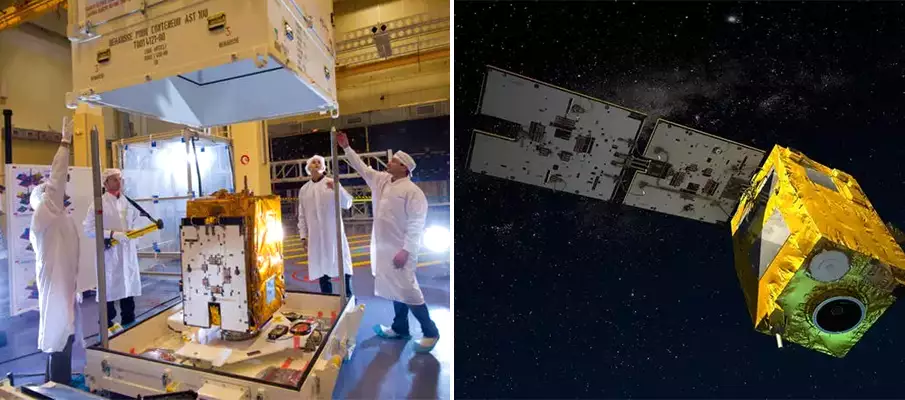
Vietnam has a relatively young but growing space program, focused on Earth observation, scientific research and the development of space technology. One important milestone was the launch of the VNREDSat-1 satellite in 2013.
🛰️ VNREDSat-1
Vietnam’s first indigenous Earth observation satellite was launched in 2013.
🔬 Scientific Research
Vietnam uses space technology for research, Earth observation and environmental monitoring.
🎓 Technology & Education
Space projects support the development of scientists, engineers and new technologies.
🌍 International Cooperation
Vietnam works with international partners in space research and technology.
6. A Long History of Vietnam
Vietnam has a history stretching back thousands of years, shaped by dynasties, foreign influences, colonial rule, war and periods of rapid development. These events have created a distinctive cultural and historical identity.
🏯 Ancient Dynasties
The Ly, Tran and Le dynasties helped shape Vietnam’s early independent state and culture.
🇨🇳 Chinese Influence
Centuries of Chinese rule left a lasting influence on Vietnamese language, culture and traditions.
🇫🇷 French Colonial Era
French Indochina influenced Vietnam’s architecture, society and culture during the colonial period.
📜 Modern History
The Vietnam War and reunification in 1975 were major turning points in the country’s modern history.
7. Mekong Delta in Southern Vietnam
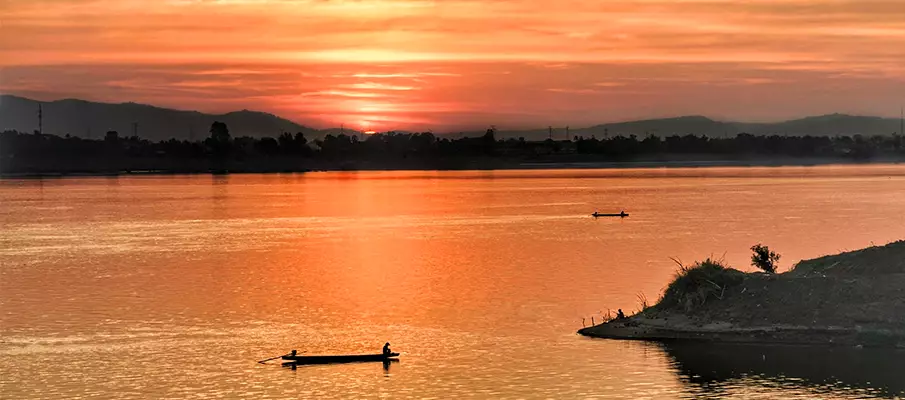
The Mekong Delta is one of Vietnam’s most distinctive regions, known for its rivers, canals, fertile farmland and communities whose lives are closely connected with the water. It is also an important agricultural area of southern Vietnam.
The region is a popular destination for boat trips, local markets and cultural experiences. Visitors can explore the waterways and discover traditional floating markets and rural communities.
🌊 Rivers & Canals
A complex network of waterways shapes transport, agriculture and everyday life.
🌾 Agriculture
The fertile delta produces rice, tropical fruits, fish and other agricultural products.
🏘️ Local Communities
Many communities have developed traditional lifestyles closely connected with rivers and canals.
🛶 Travel Experiences
Boat trips, floating markets and visits to rural areas are popular ways to explore the delta.
8. Tet – Vietnamese New Year
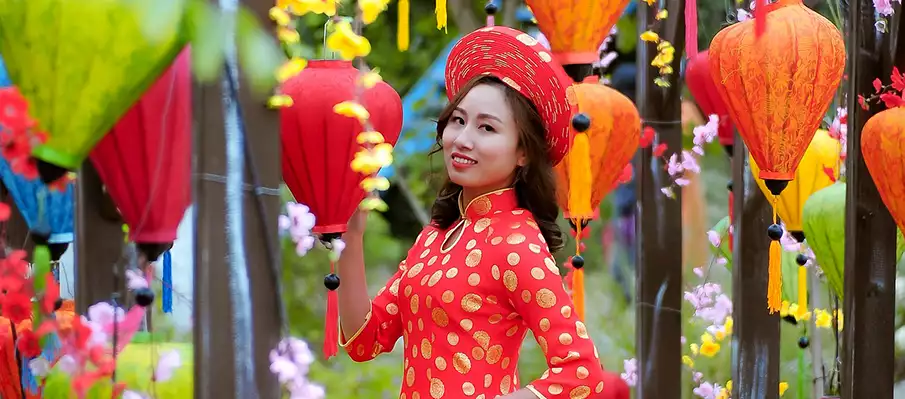
Tet, the Vietnamese Lunar New Year, is the country’s most important traditional holiday. It marks a new beginning and is a time for family gatherings, traditional food, decorations and honoring ancestors.
📅 Lunar Calendar
Tet usually falls in late January or February and the exact date changes each year.
🧹 New Year Preparation
Families clean their homes, prepare food and decorate before the celebrations begin.
👘 Ao Dai
Many Vietnamese people wear traditional ao dai during Tet celebrations and family visits.
👨👩👧 Family Reunions
Tet brings families together to share meals, visit relatives and honor their ancestors.
9. Coffee and Tea in Vietnam
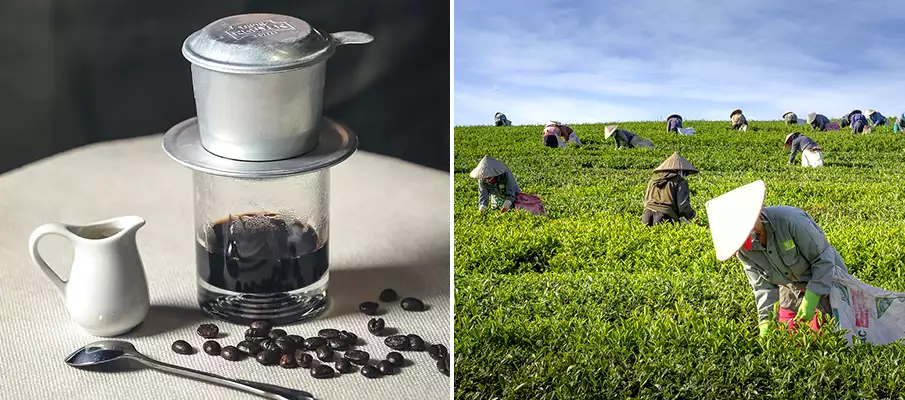
Coffee and tea are an important part of everyday life in Vietnam. Coffee shops and tea stalls are popular places to meet friends, relax and experience the country’s distinctive drinking culture.
☕ Vietnamese Coffee
Vietnam is one of the world’s major coffee producers, especially known for robusta coffee.
🥛 Ca Phe Sua Da
Iced coffee with sweet condensed milk is one of Vietnam’s best-known drinks.
🍵 Vietnamese Tea
Green tea has a long tradition and is commonly served during meals and family gatherings.
🌸 Local Varieties
Vietnam also produces teas such as lotus and jasmine tea, as well as herbal varieties.
10. Lakes and Mountains in Vietnam
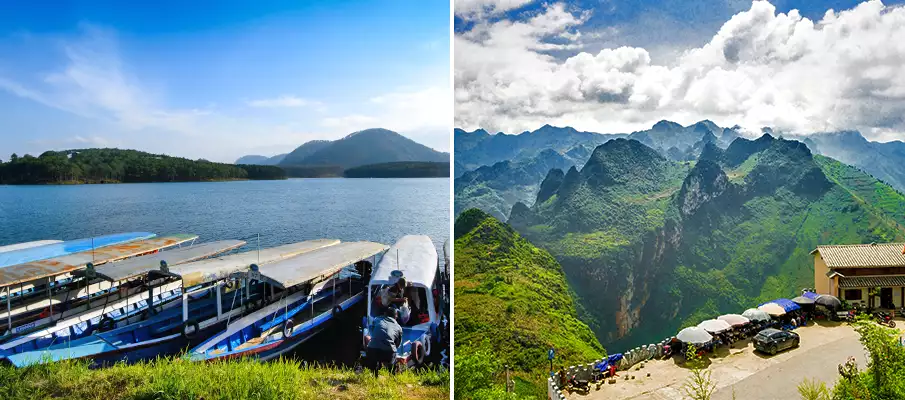
Vietnam’s landscapes include beautiful lakes, mountain ranges and karst scenery, offering opportunities for trekking, sightseeing and relaxing in nature. From Hanoi’s Hoan Kiem Lake to the mountains of Ha Giang, the landscapes vary greatly between regions.
🌿 Hoan Kiem Lake
Hoan Kiem Lake is a famous landmark in central Hanoi and a popular place for walks.
🏞️ Ba Be Lake
Ba Be is a scenic freshwater lake surrounded by karst mountains and forest in northern Vietnam.
🏔️ Northern Mountains
The Hoang Lien Son range includes Fansipan and the spectacular landscapes around Ha Giang.
🌄 Central Mountains
The Truong Son and Annamite ranges contain forests, protected areas and diverse mountain landscapes.
Other scenic places include Dalat and Dalat City, as well as the karst landscapes around Ninh Binh.
11. Water Puppet Theatre in Vietnam
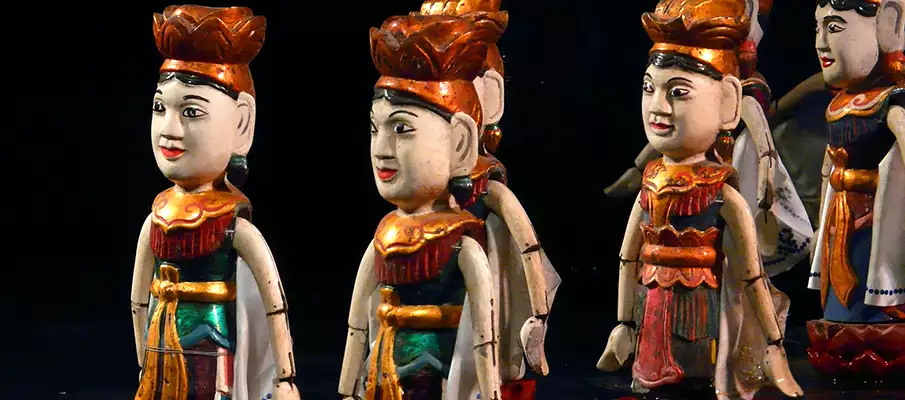
Water puppetry is one of Vietnam’s most distinctive traditional art forms. Colorful wooden puppets move across a water stage while performers, musicians and singers bring traditional stories and scenes of Vietnamese life to the audience.
🎭 Colorful Puppets
Wooden puppets represent characters from Vietnamese stories, legends and everyday life.
💧 Water Stage
The water itself forms the stage while puppeteers control the figures from behind the scenes.
🥁 Traditional Music
Live traditional music, singing and instruments accompany the performances.
📖 Vietnamese Stories
Shows often portray traditional legends, history, farming and scenes from rural life.
12. Pagodas and Temples in Vietnam
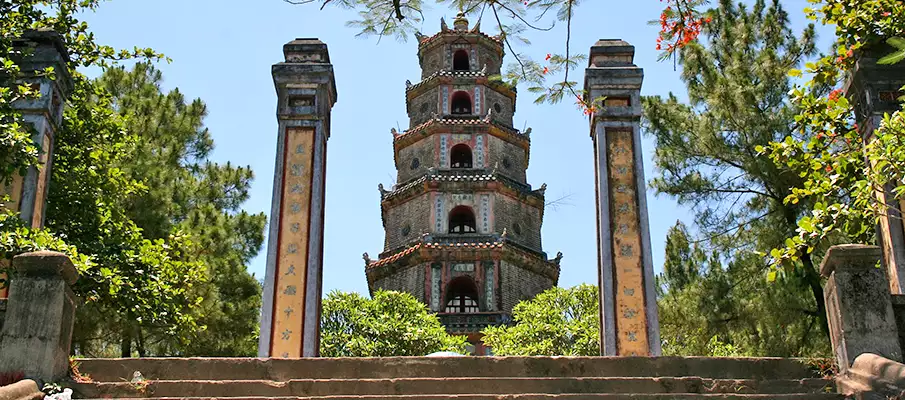
Vietnam is home to countless Buddhist pagodas and temples that are important places of worship, reflection and cultural heritage. They can be found in busy cities, peaceful gardens, villages and mountain landscapes.
🛕 Pagodas
Buddhist pagodas are places for prayer and meditation, often decorated with Buddha statues and traditional architecture.
🏯 Temples
Temples can serve different religious and cultural purposes, including ceremonies and ancestor worship.
🌿 Peaceful Places
Many religious sites are surrounded by gardens, hills or quiet courtyards away from busy streets.
🎨 Architecture & Art
Roofs, statues, carvings and decorative details reflect Vietnam’s diverse religious traditions.
13. Floating Villages in Vietnam
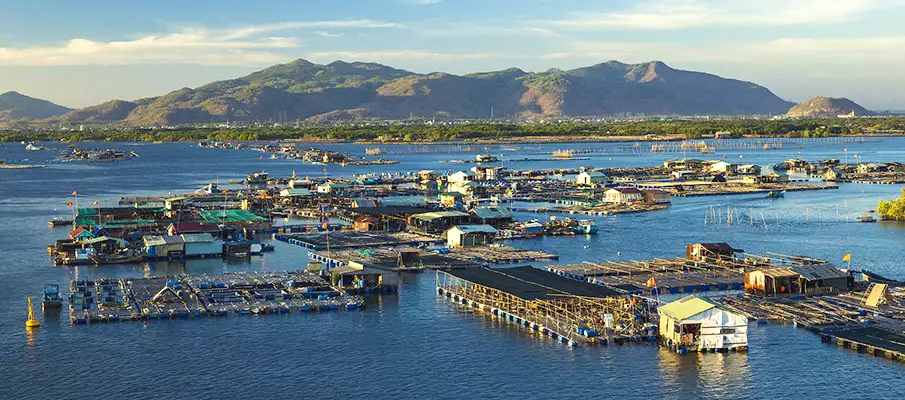
Floating villages are distinctive communities built around Vietnam’s rivers, lakes and coastal waterways. Some can be found in the Mekong Delta, while the waters around Cat Ba Island are also known for traditional water-based communities.
🏠 Floating Homes
Some communities use floating houses and structures adapted to changing water levels.
🎣 Water-Based Life
Fishing, aquaculture and other activities connected with the water are important for local livelihoods.
🛶 Local Markets
Floating markets and boats can serve as places for trading fish, fruit, vegetables and other goods.
🌏 Visitor Experiences
Boat trips and visits to water-based communities offer a glimpse into a different way of life in Vietnam.
14. Rice in Vietnam
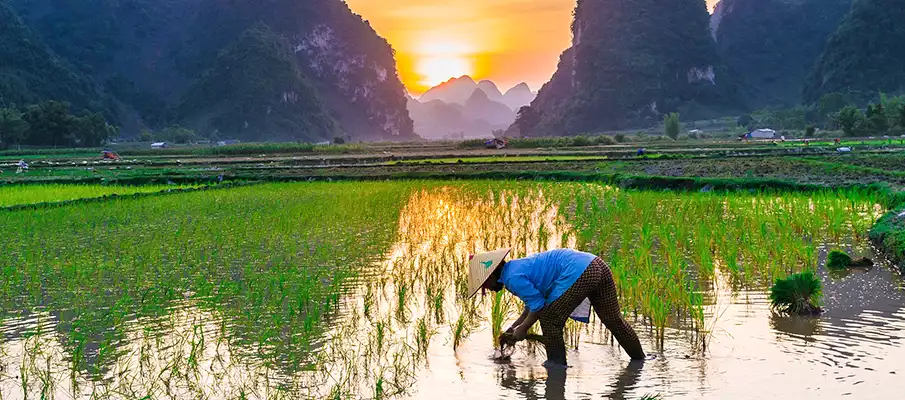
Rice is a staple food in Vietnam and an important part of the country’s agriculture, cuisine and culture. Rice is cultivated throughout the country, from the fertile Mekong Delta to the rice terraces and fields of northern Vietnam.
🌾 Rice Cultivation
Vietnam is one of the world’s major rice producers, with large growing regions in the Mekong Delta and northern Vietnam.
🍚 Different Varieties
Vietnam produces jasmine, sticky, glutinous and long-grain rice for different dishes and traditions.
🥢 Vietnamese Cuisine
Rice is the foundation of many Vietnamese meals and is served with meat, fish, vegetables and other dishes.
🙏 Culture & Religion
Rice also has cultural and religious significance and appears in traditional ceremonies and festivals. Learn more about religion in Vietnam.
15. War in Vietnam
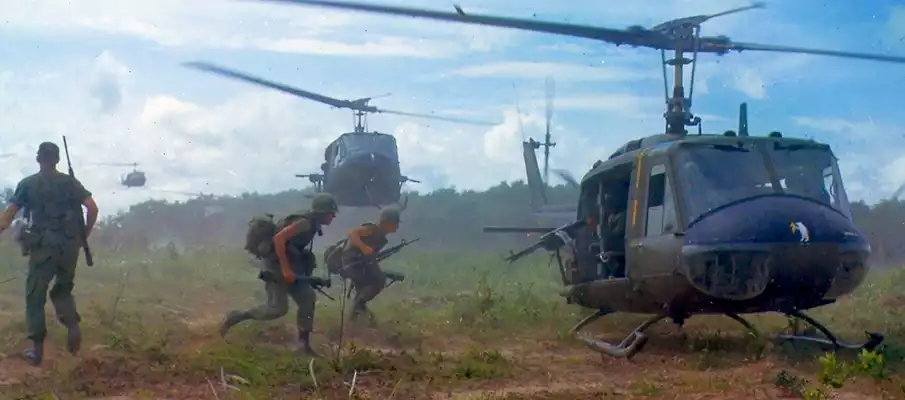
The Vietnam War lasted from 1955 to 1975 and became one of the most significant conflicts of the Cold War. The war had a profound impact on Vietnam and continues to shape parts of the country’s modern history.
📜 Causes
The conflict was closely connected with the division of Vietnam and the wider ideological tensions of the Cold War.
⚔️ Major Events
The war included major battles, guerrilla warfare, the Tet Offensive and extensive bombing campaigns.
🕊️ End of the War
The conflict ended in 1975, followed by the reunification of Vietnam under a single government.
🌍 Global Impact
The war affected international relations and inspired major anti-war movements around the world.
Visitors interested in Vietnam’s military history can explore places such as Dien Bien Phu, museums and former wartime sites throughout the country.
Quick Facts About Vietnam You May Not Know
Here are a few extra facts about Vietnam that are worth knowing before your trip.
☕ Egg Coffee
Hanoi is famous for creamy egg coffee made with egg yolk, sugar and strong Vietnamese coffee.
🚠 Fansipan Cable Car
The cable car makes it possible to reach Fansipan, the highest mountain in Indochina, from the Sapa area.
🏍️ Motorbike Culture
Motorbikes are one of the most common forms of everyday transport in Vietnam.
🌾 Rice Terraces
Mountain areas such as Mu Cang Chai and Sapa are famous for spectacular rice terraces.
❓ Interesting Facts About Vietnam – FAQ & Travel Tips
What is water puppetry in Vietnam?
Water puppetry is a traditional art form from northern Vietnam where puppets perform on water with music and folk stories.
What foods is Vietnam famous for?
Vietnamese cuisine is famous for pho, banh mi, bun cha, spring rolls and rice dishes.
Why is the Mekong River important in Vietnam?
The Mekong supports farming, fishing, transportation and daily life in southern Vietnam.
Which UNESCO World Heritage sites are in Vietnam?
Famous sites include Hoi An, Halong Bay, Hue Imperial City and Phong Nha-Ke Bang National Park.
What was Vietnam’s role during the Cold War?
Vietnam became a major Cold War battleground during the Vietnam War, influencing modern world history.
What is Tet in Vietnam?
Tet is the Vietnamese Lunar New Year and the country’s most important traditional holiday.
Why are canals important in the Mekong Delta?
Canals support transportation, fishing, farming and traditional floating markets.
What are the best mountains and lakes in Vietnam?
Popular destinations include Ba Be Lake, Fansipan, Ha Giang and the mountains around Da Lat.
Why is rice important in Vietnam?
Rice is a main food staple and an important part of Vietnam’s agriculture, economy and culture.
What are floating markets in Vietnam?
Floating markets are traditional river markets where goods are sold directly from boats.
What are the best islands to visit in Vietnam?
Phu Quoc is one of Vietnam’s most popular islands. See also the best islands in Vietnam.
What is the weather like in Vietnam?
Weather in Vietnam varies by region, with cooler winters in the north and tropical conditions farther south.