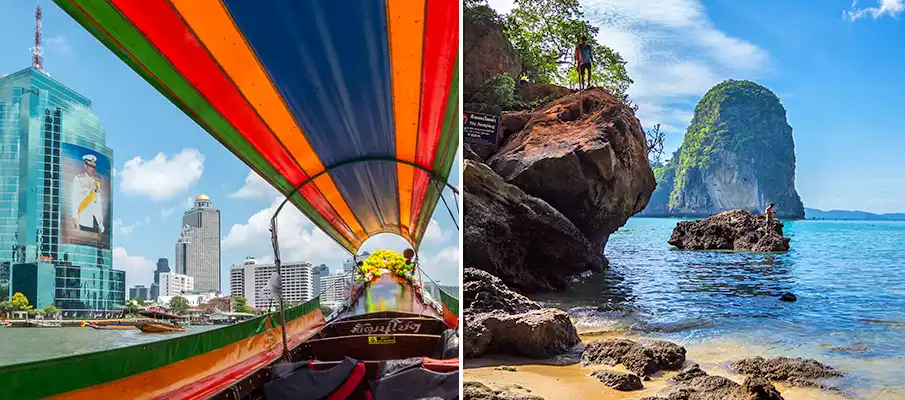
Quick answer: Thailand is one of Southeast Asia’s top travel destinations, famous for tropical islands, beautiful beaches, ancient temples, vibrant cities, delicious street food, and friendly locals. From Bangkok and Chiang Mai to Phuket and Krabi, Thailand offers unforgettable experiences for every traveler.
At a glance:
🏯 Top Attractions: Grand Palace, Ayutthaya, Chiang Mai temples and Phi Phi Islands.
🏙️ Main Cities: Bangkok, Chiang Mai, Pattaya and Phuket.
📅 Best Time: November to February offers the best weather.
🛡️ Travel Tips: Dress respectfully at temples, carry cash and stay hydrated.
Last updated in November 2026.
1. Thailand at a Glance – Essential Travel Information
Thailand is a diverse country in Southeast Asia, known for tropical islands, historic temples, vibrant cities and beautiful landscapes. It borders Myanmar, Laos, Cambodia and Malaysia, with coastlines along the Andaman Sea and the Gulf of Thailand.
💡 Travel Tip:
Choose your destinations according to the season, available time and travel distances between regions.
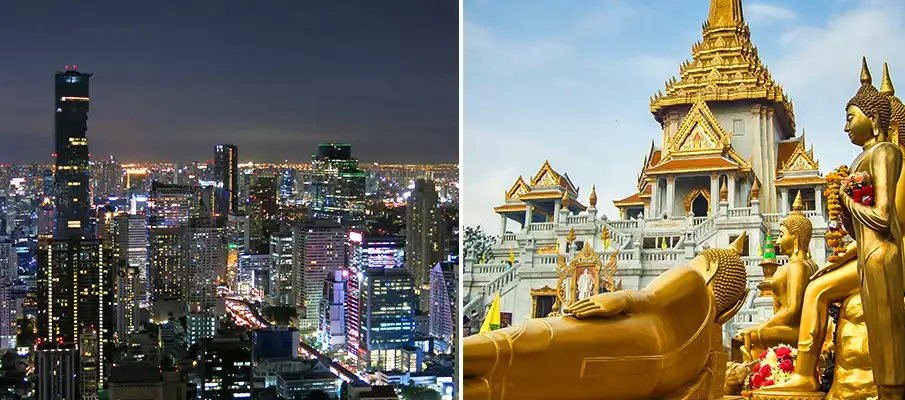
Bangkok, the capital of Thailand, combines traditional Buddhist temples, historic architecture and modern city life.
2. Explore Thailand by Region – Where Should You Go?
Thailand offers very different travel experiences depending on the region. Explore the mountains and temples of the north, historic cities in central Thailand, traditional rural life in Isaan or tropical beaches in the south. Here are the main regions and their most interesting destinations.
Choose Northern Thailand for hiking, waterfalls and mountain scenery.
🏛️ History and Culture
Visit Bangkok, Ayutthaya and Central Thailand for temples and historic sites.
🌾 Local Experiences
Explore Isaan for traditional food, rural life and local culture.
🏝️ Beaches and Islands
Head south for tropical beaches, snorkeling and island holidays.
💡 Travel Tip:
For a first trip to Thailand, combine Bangkok, Northern Thailand and one southern beach destination. With more time, explore smaller islands, national parks and less-visited regions.
The history of Thailand is a captivating journey through ancient civilizations, powerful kingdoms, and cultural evolution.
3. Best Places to Visit in Thailand
Thailand offers vibrant cities, tropical islands, beautiful beaches, historic landmarks and spectacular natural attractions. Here are some of the best places to include in your itinerary.
🏙️ Best Cities
Bangkok – Temples, markets and nightlife.
Chiang Mai – Northern culture and mountain scenery.
Chiang Rai – Famous temples and local traditions.
Pattaya – Beaches and entertainment.
🏝️ Most Beautiful Islands
Phuket – Beaches and island excursions.
Koh Samui – Tropical resorts and beaches.
Koh Phi Phi – Turquoise bays and limestone cliffs.
Koh Lipe – Clear water and snorkeling.
🏖️ Best Beaches
Railay Beach – Spectacular limestone cliffs.
Maya Bay – Famous tropical scenery.
Phuket beaches – Sandy shores and resorts.
Koh Lipe – White sand and clear water.
🏛️ Historic Cities and Landmarks
Ayutthaya – Ancient temples and ruins.
Sukhothai – Historic royal city.
Kanchanaburi – Bridge and Death Railway.
Bangkok – Grand Palace and Wat Arun.
🌿 National Parks and Nature
Khao Sok – Rainforest and scenic lake.
Erawan – Famous waterfalls.
Doi Inthanon – Mountains and nature trails.
Similan Islands – Snorkeling and diving.
🏔️ Scenic Viewpoints and Mountains
Doi Suthep – Temple and city views.
Phu Chi Fa – Sunrise above the clouds.
Mon Jam – Mountain panoramas.
Samet Nangshe – Views of Phang Nga Bay.
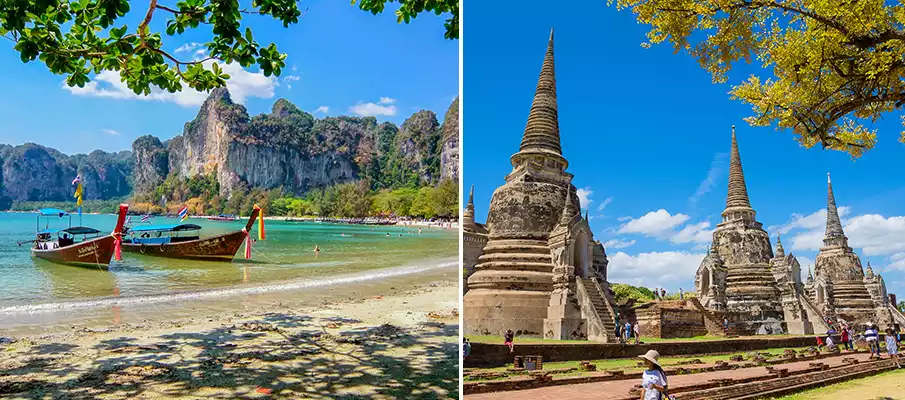
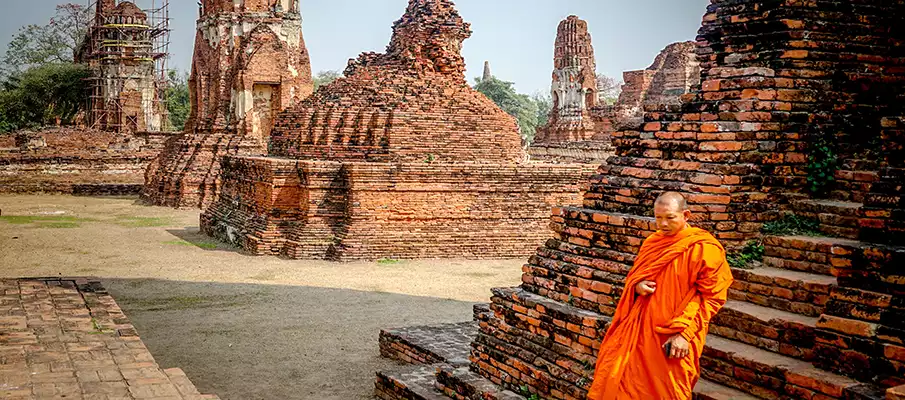
Krabi is famous for its tropical beaches and limestone cliffs, while Ayutthaya showcases Thailand’s historic temples and ancient ruins near Bangkok.
4. Thailand Travel Experiences – What Can You Do?
Thailand offers a wide range of travel experiences, from ancient temples and tropical islands to outdoor adventures, local markets and vibrant nightlife. Here are some of the best activities to enjoy during your trip.
🏛️ Temples and Culture
Visit Buddhist temples and historic sites.
Explore royal palaces and cultural landmarks.
Experience traditional festivals.
Discover local customs and traditions.
🏝️ Island Hopping and Beaches
Explore tropical islands by boat.
Relax on white-sand beaches.
Visit hidden bays and lagoons.
Enjoy sunset boat trips.
🤿 Diving and Water Sports
Go snorkeling in clear tropical waters.
Try scuba diving around coral reefs.
Enjoy kayaking and paddleboarding.
Explore underwater marine life.
🌿 Trekking and Nature
Hike through tropical national parks.
Visit waterfalls and mountain trails.
Explore rainforests and scenic lakes.
Discover wildlife and natural landscapes.
🛍️ Markets, Shopping and Nightlife
Visit traditional floating markets.
Explore night markets and street stalls.
Shop in Bangkok’s modern malls.
Experience bars and nightlife districts.
🍜 Food and Cooking Experiences
Try authentic Thai street food.
Join a traditional cooking class.
Visit local food markets.
Learn to prepare Thai dishes.
Bangkok offers temples, markets and vibrant city life, while Krabi and Phuket attract visitors with tropical beaches, limestone scenery and island excursions.
5. Best Thailand Itineraries – How Many Days Do You Need?
The ideal time to explore Thailand depends on your travel style, destinations and available holiday time. From a one-week trip to a full month, these itinerary options will help you plan your route and choose how much of the country to visit.
Travel across northern, central and southern Thailand.
Explore less-visited destinations.
Spend more time on tropical islands.
Enjoy a slower and more flexible itinerary.
🗺️ First-Time Visitor Routes
Start in Bangkok and explore central Thailand.
Add Chiang Mai for northern culture.
Choose Phuket, Krabi or Koh Samui.
Combine sightseeing with beach time.
🚆 Travel Planning and Connections
Check distances between destinations.
Combine trains, buses and domestic flights.
Plan island transfers and ferry connections.
Allow extra time for longer journeys.
6. Best Time to Visit Thailand – Weather by Region
Thailand has different weather patterns depending on the region and season. The best time to visit depends on whether you plan to explore cities, visit northern mountains or enjoy beaches and tropical islands.
☀️ Dry, Hot and Rainy Seasons
Cool and dry season – November to February.
Hot season – March to May.
Rainy season – June to October.
Weather varies between regions.
🏝️ Andaman Coast
Phuket, Krabi and Koh Lanta.
Best beach weather – November to April.
Rainier months – May to October.
Ideal for island trips and snorkeling.
🌊 Gulf of Thailand
Koh Samui, Koh Phangan and Koh Tao.
Generally drier – January to September.
Rainiest period – October to December.
Good alternative during the Andaman rainy season.
⛰️ Northern Thailand
Chiang Mai, Chiang Rai and Pai.
Best weather – November to February.
Hot season – March to May.
Rainy season – June to October.
🏙️ Central Thailand
Bangkok, Ayutthaya and Kanchanaburi.
Cooler months – November to February.
Very hot weather – March to May.
Frequent rain – June to October.
📅 Best Months for Activities
Beaches – December to March on the Andaman Coast.
Gulf islands – February to September.
Sightseeing – November to February.
Trekking – November to February.
💡 Travel Tip:
Check the weather in your chosen region before booking. Thailand’s two southern coasts have different rainy seasons, so you can often find better beach conditions by choosing the right coastline.
🌤️ Weather in Thailand by Month
Month
Weather
Description
January
Warm & Dry
Excellent weather for Bangkok, Chiang Mai, Phuket and Thailand’s beautiful beaches.
February
Warm & Dry
Sunny days and pleasant temperatures, perfect for sightseeing and island hopping.
March
Hot & Dry
Hot weather with little rain, ideal for beaches, temples and national parks.
April
Hot & Dry
The hottest month, famous for Songkran and tropical beach holidays.
May
Hot & Wet
Rainy season begins with tropical showers and lush green landscapes.
June
Hot & Wet
Warm, humid weather with regular afternoon rain and fewer tourists.
July
Hot & Wet
Frequent showers, but plenty of time for sightseeing and exploring cities.
August
Hot & Wet
Tropical rain continues, while Gulf islands often enjoy better weather.
September
Hot & Wet
One of the wettest months, ideal for lush scenery and fewer crowds.
October
Warm & Wet
Rain gradually eases as the cool season begins across much of Thailand.
November
Warm & Dry
One of the best months for beaches, temples, cities and outdoor activities.
December
Warm & Dry
Cooler temperatures and sunny weather make December ideal for traveling.
↔ On mobile devices, swipe horizontally to view the full weather table.
Thailand’s weather varies by region and season. The dry season generally offers the best conditions for sightseeing and beach holidays.
7. How to Get to Thailand
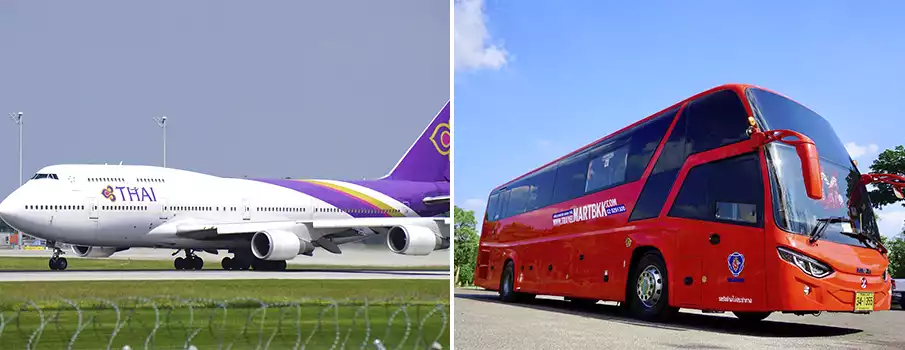
Thailand is easy to reach by international flights and land connections from neighboring countries. Most visitors arrive by plane, while overland routes are available from Cambodia, Laos, Malaysia and Myanmar.
Thailand is accessible by international flights and overland connections from neighboring countries such as Laos, Cambodia and Malaysia.
🏛️ 10 Important Historical Sites & Temples in Thailand:
Thailand is home to spectacular temples, ancient capitals and UNESCO World Heritage Sites that showcase the country’s rich history, Buddhist traditions and remarkable architecture.
Wat Pho – Bangkok’s famous temple with the giant Reclining Buddha.
Wat Chedi Luang – Ancient Chiang Mai temple with an impressive Lanna-style chedi.
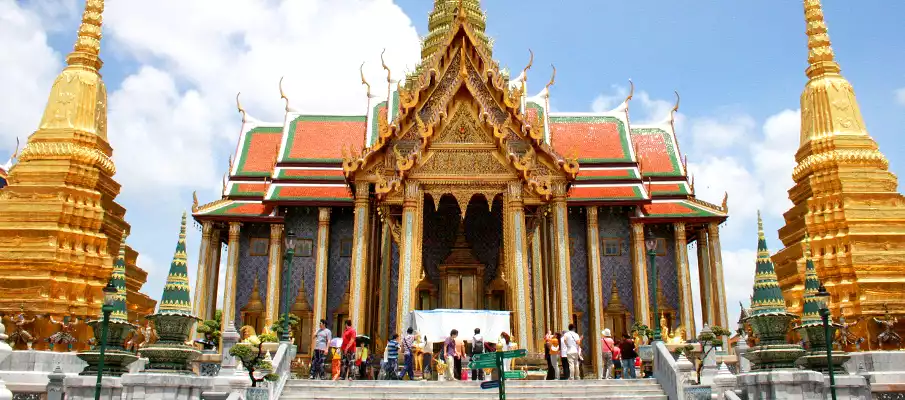
Wat Phra Kaew in Bangkok (also known as the Temple of the Emerald Buddha) is arguably the most important Buddhist temple in Thailand.
🏝️ Famous Tourist & Beautiful Islands in Thailand:
Thailand is home to some of the world’s most beautiful tropical islands, offering white-sand beaches, crystal-clear water, snorkeling, diving and vibrant nightlife. Whether you’re looking for luxury resorts, peaceful escapes or adventure, there’s an island for every traveler. See also 13 Best Islands in Thailand ➜.
Koh Phangan – Famous for Full Moon Parties, beautiful beaches and relaxed island atmosphere.
Koh Kood – Peaceful island with waterfalls, tropical forests and uncrowded white-sand beaches.
Koh Chang – Thailand’s second-largest island, known for jungles, beaches and waterfalls.
Koh Samui – Popular island with luxury resorts, temples, nightlife and palm-fringed beaches.
Koh Tao – One of Thailand’s best destinations for scuba diving and snorkeling.
Phuket – Thailand’s largest island, famous for beaches, nightlife and island tours.
Koh Phi Phi – Stunning limestone cliffs, turquoise water and the famous Maya Bay.
Koh Lipe – Small tropical island with crystal-clear water and excellent snorkeling.
Koh Lanta – Relaxed island offering long beaches, sunsets and a laid-back atmosphere.
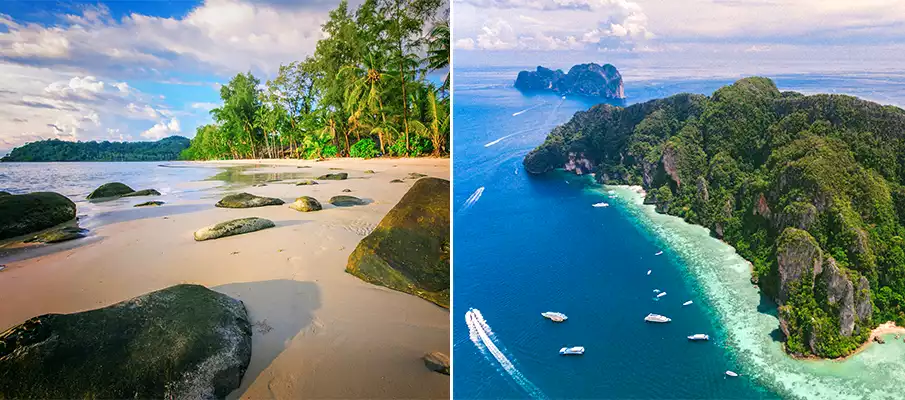
Thailand offers a number of beautiful islands, in the photo on the left is the island of Koh Kood, on the right is Koh Phi Phi.
🎯 Best Activities & Adventure in Thailand
Thailand offers unforgettable outdoor adventures, cultural experiences and tropical island activities. From diving and trekking to cooking classes and Muay Thai, there is something for every traveler.
Scuba Diving & Snorkeling – Explore coral reefs around Koh Tao, Koh Phi Phi and the Similan Islands.
Ethical Elephant Sanctuaries – Visit responsible elephant sanctuaries near Chiang Mai or Khao Sok.
Trekking & Hiking – Discover mountain trails, waterfalls and hill tribe villages around Chiang Mai and Pai.
Ziplining – Fly through tropical rainforest canopies on exciting zipline adventures.
Rock Climbing – Climb the famous limestone cliffs of Krabi and Railay Beach.
White Water Rafting – Experience exciting river rafting in northern Thailand during the rainy season.
Thai Cooking Classes – Learn to prepare authentic Thai dishes with local ingredients.
Muay Thai Training – Join beginner or advanced classes in Bangkok, Chiang Mai or Phuket.
Floating Markets & River Cruises – Visit traditional floating markets and cruise along the Chao Phraya River.
Thai Festivals – Experience Songkran, Loy Krathong and other colorful cultural celebrations.
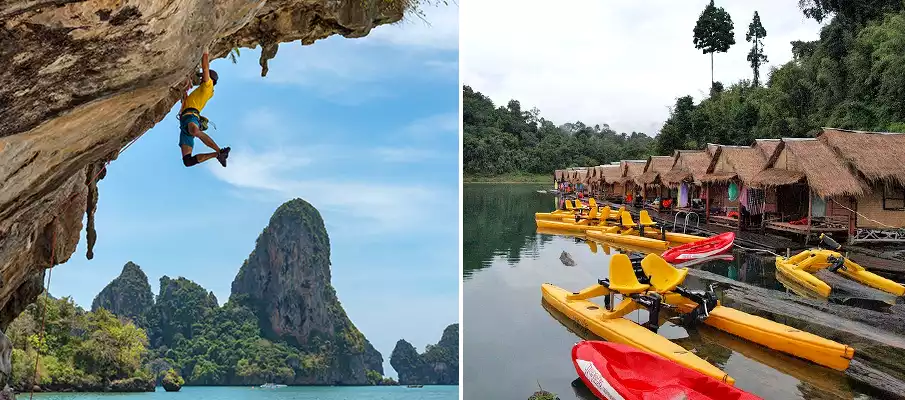
Thailand offers a lot of various tourist sport activities like rock climbing, trekking, kayaking, snorkeling, beach relax, etc.
How to Behave and What to Watch Out for in Thailand?
If you’re planning to travel to Thailand, it’s important to respect local customs and traditions and follow some rules to make your trip as safe and enjoyable as possible. It’s crucial to realize that you’re entering a completely different cultural environment than what you’re familiar with in Europe. Here are some tips on how to behave and what to watch out for in Thailand:
Clothing: Respect local culture and dress with significant respect for the place. Cover your shoulders and knees, especially when visiting temples and sacred places.
Display of Religion: Thai society is very religious, predominantly Buddhism. Observe basic rules and avoid showing disrespect to Buddhist sanctuaries.
Footwear: Always remove your shoes before entering buildings and certain important or sacred homes.
Modesty: Public displays of affection, like holding hands, are not something that local people publicly engage in. If you’re a couple, be discreet.
Respect for Locals: Local residents are friendly and kind. Show them respect and courtesy, and avoid displaying hostile behavior.
Observe Laws: Respect local laws and regulations. The Thai government takes a tough stance on certain criminal activities, including drug consumption.
Safety: Remember basic personal safety measures. Keep an eye on your valuables and avoid risky areas.
Road Safety: Road traffic in Thailand can be chaotic. Be cautious when driving or walking on the road.
Food and Water: If you’re eating street food, ensure that the food is well cooked. Drink bottled water if tap water is not potable.
Negotiation: When shopping at markets and stores, be mindful of the art of negotiation. Prices are not always fixed, and you can attempt to haggle with the seller.
Healthcare: Have valid travel insurance and follow current vaccination recommendations. In case of health issues, seek local medical care.
Nature Conservation: Respect nature and preserve Thailand’s natural beauty. Do not touch coral while snorkeling or diving, and do not litter in the environment.
These traveler tips and advice should help you travel through Thailand with respect for local traditions and stay safe. Thailand’s attractions, culture, and cuisine are amazing, and by respecting local customs, you’ll be able to fully enjoy your journey and travel in this country.
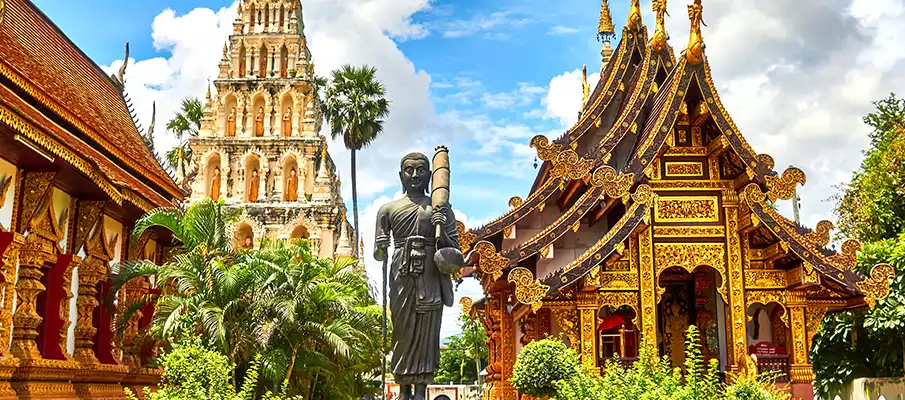
Thai Buddhism is deeply rooted in Thai culture and daily life. A temple is a place of prayer, meditation and celebration, as well as an important community center.
Is it suitable to travel to Thailand with children?
Certainly, traveling to Thailand with children is a suitable choice, and many families enjoy their vacations in this country. Thailand offers diverse options for families with children, including beautiful beaches, fascinating culture, adventurous activities, and delicious Thai cuisine.
Here are some factors to consider when traveling to Thailand with children:
Health and Safety: Ensure that you have up-to-date vaccinations and malaria prophylaxis if you plan to visit areas where malaria is a risk. Pay attention to hygiene and protect against mosquitoes.
Food: Thai cuisine is delicious but can be spicy. If your children don’t like spicy food, you can request a less spicy version of the dish. Always make sure that your children drink bottled or purified water.
Activities: Thailand offers many family-friendly activities, such as temple visits, beach swimming, elephant camps, visits to zoos, and trips to exotic islands. You can also try traditional Thai massages and relax on the beach.
Travel: Thailand has a well-developed infrastructure, and you can use various modes of transportation, including tuk-tuks, taxis, trains, and domestic flights. Children may be interested in traditional Thai ferries and elephant rides.
Culture and Respect: Teach your children about Thai culture and encourage them to be considerate and respectful of local customs and traditions, including showing respect for Buddhist temples.
Safety: Thailand is generally considered a safe destination, but it’s essential to take common-sense precautions, such as keeping an eye on your valuables and avoiding risky areas.
Since every family has its own needs and preferences, it’s important to plan your trip carefully and choose destinations (e.g. Phuket or Krabi) and activities that are suitable for your children. However, Thailand offers many opportunities for fun and adventure for the whole family.
From the Krabi or Phuket areas, you can travel by boats to the beautiful islands in the area.
What to Bring from Thailand? What Tourist Souvenirs?
Thailand, the land of mesmerizing temples, tropical beaches, and hospitable people, not only offers unforgettable experiences but also a rich array of souvenirs that will transport you to the heart of Thai culture. While exploring traditional markets and shops, you’ll encounter a wide range of items, from handmade crafts to delightful treats from Thai cuisine. Here are some of these treasures that might remind you of your unforgettable journey to Thailand:
Batik Textiles: Thailand is renowned for its handmade batik textiles. Vibrant patterns on fabrics create beautiful designs, often depicting traditional Thai motifs such as flowers, Buddhist monks, and symbols of good luck.
Clay Products: Handmade ceramic and clay products are popular among tourists. Thai ceramics often feature intricate patterns and a vivid color palette. Vases, plates, and bowls are excellent ways to bring home a piece of traditional Thai craftsmanship.
Traditional Khon Mask: Khon is a traditional Thai theater, and the masks used in these performances are artistic treasures. Made from wood or paper, they represent characters from Thai mythology, creating fascinating and authentic pieces of art.
Coconut Products: Thanks to abundant coconut plantations, Thailand offers a variety of coconut products, including oils, soaps, creams, and even decorative items made from coconut shells.
Traditional Thai Clothing: Known for its comfort and vibrant colors, Thai clothing is a popular choice for souvenirs. Bring home a traditional Thai skirt called “sarong” or “sinh.” These garments not only represent local fashion but also serve as a great way to bring a piece of Thai style into your home.
Gemstone Jewelry: Thailand is home to several rare gemstones, such as sapphires and rubies. Acquiring traditional Thai jewelry can be not only a beautiful accessory but also affordable, thanks to these local gemstones.
Spices and Blends: Thai cuisine is renowned for its spicy and aromatic flavors. Bring home spice blends like red or green curry paste, lemongrass, galangal, and kaffir lime leaves. These ingredients form the foundation for preparing authentic Thai dishes.
Thailand offers a wide range of products that can be brought as souvenirs, capturing the beauty and richness of Thai culture. Whether you opt for traditional crafts, fashion, or exquisite gemstones, each item will serve as a reminder of the splendor of Thailand.
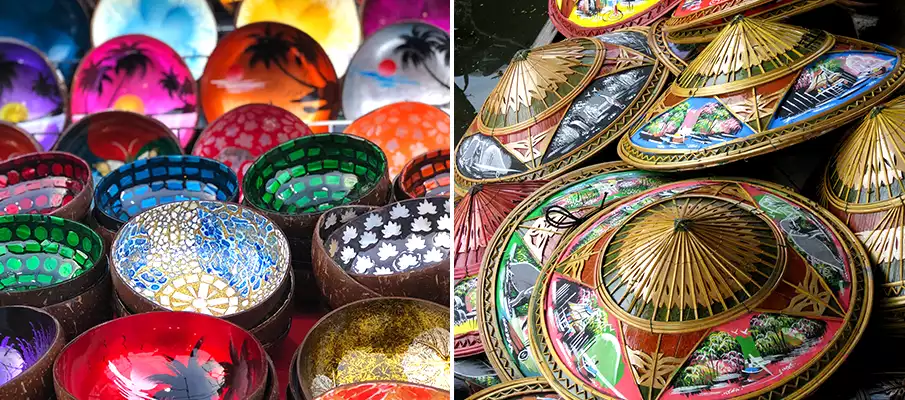
You can import a lot of interesting things, souvenirs and craft products from Thailand, as well as ceramic products, hats and spices.
Food and Cuisine in Thailand / Popular Foods:
Thailand’s culinary landscape is a symphony of flavors, where sweet, spicy, sour, and savory tastes come together to create a gastronomic paradise. From aromatic street food to exquisite dishes served in restaurants, Thai cuisine is renowned worldwide for its delectable offerings and vibrant culinary traditions.
Popular Thai Foods: A Taste Sensation
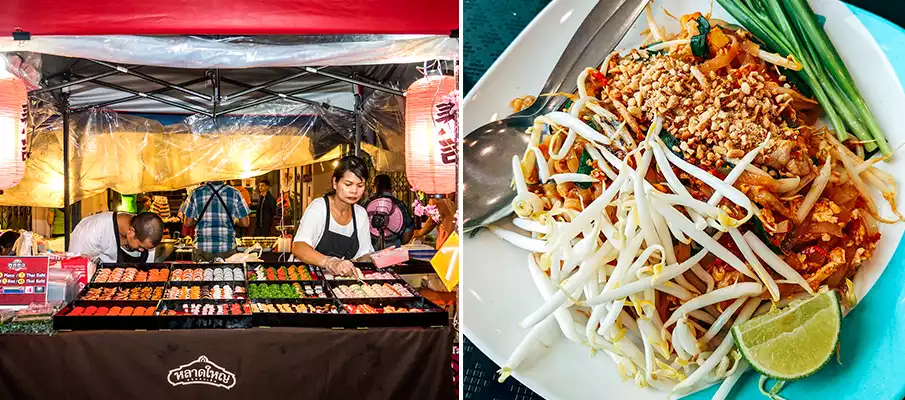
Pad Thai: Perhaps the most famous Thai dish, Pad Thai is a stir-fried noodle dish typically made with rice noodles, eggs, tofu, shrimp or chicken, bean sprouts, and crushed peanuts. The savory-sweet flavors, combined with a hint of tamarind, make it an irresistible street food favorite.
Tom Yum Goong: A spicy and sour shrimp soup, Tom Yum Goong is a tantalizing blend of lemongrass, lime leaves, galangal, lime juice, and chili. The aromatic broth is filled with succulent shrimp, making it a refreshing and comforting dish.
Green Curry (Kaeng Khiao Wan): A fragrant Thai curry, Green Curry is made with green chilies, coconut milk, and a medley of herbs and spices. Often served with chicken or seafood and bamboo shoots, this creamy and flavorful curry is a culinary delight.
Som Tum (Green Papaya Salad): This refreshing and zesty salad features shredded green papaya, tomatoes, green beans, peanuts, and lime dressing. The combination of sweet, sour, and spicy flavors creates a delightful explosion of tastes.
Massaman Curry: A fusion of Thai and Indian influences, Massaman Curry is a mild and creamy curry flavored with cardamom, cinnamon, peanuts, and tender chunks of meat or vegetables.
Mango Sticky Rice (Khao Niew Mamuang): A beloved Thai dessert, Mango Sticky Rice combines sweet and creamy ripe mango slices with coconut-infused sticky rice, drizzled with a luscious coconut milk sauce.
Tom Kha Gai: A coconut milk-based soup, Tom Kha Gai is a cousin of Tom Yum Goong, but with a milder and creamier profile. It features chicken, mushrooms, galangal, and kaffir lime leaves for a comforting and aromatic delight.
Papaya Salad (Som Tum Thai): A variation of green papaya salad, Som Tum Thai includes fermented fish sauce, garlic, and extra chili for an extra kick. It’s a popular side dish that perfectly complements grilled meats.
Panang Curry (Kaeng Phanaeng): Panang Curry is a rich and flavorful Thai curry that features beef or chicken in a creamy coconut milk base, enriched with Panang curry paste and topped with kaffir lime leaves.
Tom Kha Talay: Similar to Tom Kha Gai, this seafood version of the soup includes a delectable combination of prawns, squid, and fish, providing a taste of Thailand’s coastal bounty.
Thai cuisine is a tantalizing journey of flavors, blending herbs, spices, and fresh ingredients to create a symphony of taste.
Why to visit or not to visit Thailand?
Thailand’s allure as a travel destination lies in its enchanting landscapes, rich culture, and warm hospitality. While it offers unforgettable experiences, travelers should be mindful of seasonal considerations, cultural sensitivities, and responsible travel practices to make the most of their journey to this captivating Southeast Asian gem.
👉 Reasons to visit Thailand:
Stunning Natural Beauty: Thailand boasts breathtaking landscapes, from pristine beaches with turquoise waters to lush jungles and towering limestone cliffs. Whether you seek relaxation or adventure, Thailand’s diverse scenery offers something for everyone.
Rich Cultural Heritage: With ancient temples, historic sites, and vibrant festivals, Thailand is a treasure trove of cultural delights. Immerse yourself in the traditions, art, and spirituality that define this captivating nation.
Delicious Cuisine: Thai food is renowned worldwide for its flavorful blend of sweet, sour, spicy, and savory tastes. Experience the tantalizing street food, sumptuous curries, and tropical fruits that will delight your taste buds.
Warm Hospitality: The Thai people are known for their warm smiles and genuine friendliness. Visitors are welcomed with open arms, creating an inviting and hospitable atmosphere throughout the country.
Adventure and Activities: From diving in crystal-clear waters to trekking in the jungles, Thailand offers a wide array of thrilling activities for adventure enthusiasts. Zip-lining, rock climbing, and exploring ancient ruins add excitement to any itinerary.
Affordable Travel: Thailand is a budget-friendly destination, offering a range of accommodations, food options, and transportation choices to suit all budgets. You can experience a lot without breaking the bank.
👉 Reasons not to visit Thailand:
Monsoon Season: Thailand experiences a monsoon season with heavy rainfall and potential disruptions to outdoor activities, particularly from June to October. Travelers may prefer to avoid this period for a more enjoyable experience.
Crowded Tourist Spots: Popular tourist attractions can get crowded, especially during peak seasons. It’s advisable to plan visits early in the day or explore lesser-known spots for a more tranquil experience.
Cultural Respect: Travelers must be mindful of Thai customs and cultural norms, such as dressing modestly in temples and respecting local traditions. Failure to do so may inadvertently offend locals.
Heat and Humidity: Thailand’s tropical climate can be hot and humid, which may not be ideal for everyone. It’s essential to stay hydrated and take precautions against the heat, especially during the summer months.
Tourist Scams: Like in any tourist destination, some scams and touts may target unsuspecting travelers. Being vigilant and informed can help avoid falling victim to such situations.
Environmental Impact: With the rise in tourism, some areas in Thailand face environmental challenges. Responsible travel practices, such as avoiding single-use plastics and participating in sustainable tours, can help minimize the impact.
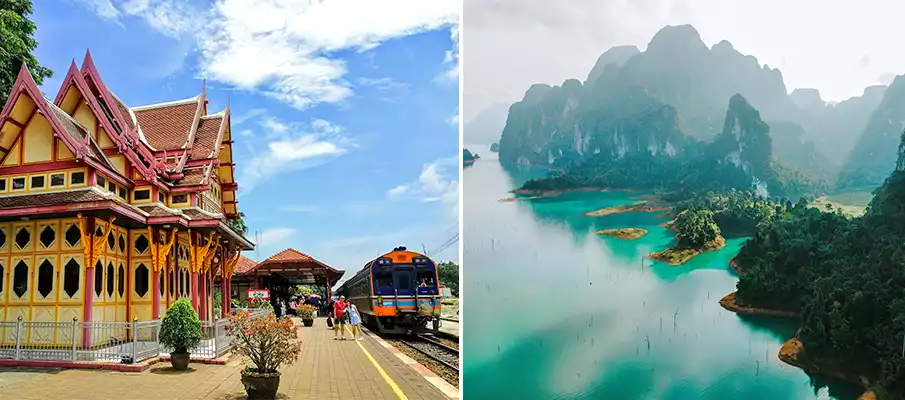
Hua HIin Railway Station and Khao Sok National Park in Thailand.
🚍 What are the Transport Options in Thailand?
Thailand offers a variety of transport options to cater to different preferences and budgets. From bustling cities to serene islands, here are the main modes of transport you can use to explore the country:
1. Tuk-Tuks and Songthaews: Tuk-tuks, three-wheeled motorized taxis, are a common sight in cities and towns. They provide quick rides for short distances, although fares are often negotiable. Songthaews are shared pick-up trucks that operate on fixed routes and are a cost-effective way to travel within cities.
2. Buses: Thailand’s bus network is extensive and connects cities, towns, and villages across the country. Public buses are economical, while VIP buses offer more comfort for longer journeys. Both air-conditioned and non-air-conditioned buses are available.
3. Trains: The Thai railway system links major cities, including Bangkok, Chiang Mai, and Surat Thani (for access to the islands). Overnight sleeper trains are popular for long-distance travel, providing both cost-effective accommodation and transportation.
4. Domestic Flights: Thailand has a well-developed domestic air travel network, with multiple airlines offering flights between major cities and tourist destinations. Bangkok is the primary hub, but other cities like Chiang Mai, Phuket, and Krabi also have domestic airports.
5. Long-Distance Taxis: For more comfort and convenience, long-distance taxis or private car services can be arranged. They are ideal for group travel or exploring off-the-beaten-path destinations.
6. Motorbikes and Scooters: Renting a motorbike or scooter is popular in many tourist areas, providing flexibility and independence. However, it’s essential to wear helmets, obey traffic rules, and exercise caution, especially in busy urban areas.
7. Ferries and Boats: Thailand’s coastal regions and islands are accessible by ferries and boats. Ferries link mainland ports to popular islands like Koh Samui, Koh Phi Phi, and Koh Phangan. Speedboats offer quicker transfers between islands.
8. Domestic Cruise Lines: Some domestic cruise lines offer river cruises along the Chao Phraya River in Bangkok or explore other scenic waterways in Thailand.
9. Rental Cars: Renting a car allows for greater exploration of remote areas and scenic drives. However, driving in urban centers can be challenging due to traffic congestion.
10. Domestic Tour Operators: For organized trips to specific destinations or attractions, domestic tour operators offer package tours and excursions that cater to various interests and budgets.
The most popular transport options in Thailand for tourists are trains, ferries / boats, buses or minivans, private car or motorbike.
🏡 Accommodation in Thailand / Where to stay:
Thailand, known for its warm hospitality and diverse landscapes, offers a wide range of accommodation choices to suit every traveler’s preferences and budget. From luxurious beach resorts to budget-friendly hostels, there’s something for everyone in this enchanting Southeast Asian nation.
1. Luxury Resorts and Hotels: Thailand boasts a plethora of luxurious resorts and hotels, particularly in popular tourist destinations like Phuket, Koh Samui, and Bangkok. These properties offer world-class amenities, stunning views, private beaches, spa facilities, and exceptional service, ensuring a truly indulgent experience.
2. Boutique and Design Hotels: For travelers seeking unique and stylish accommodations, Thailand’s boutique and design hotels fit the bill. These properties often boast modern decor, artful touches, and a more intimate ambiance, providing a charming and sophisticated stay.
3. Mid-Range Hotels and Guesthouses: Mid-range hotels and guesthouses are abundant across Thailand, catering to travelers who seek comfort and value for money. These properties offer well-appointed rooms, basic amenities, and a pleasant stay without breaking the bank.
4. Budget-Friendly Hostels: Backpackers and budget travelers will find an array of affordable hostels in Thailand’s major cities and tourist hubs. Hostels provide dormitory-style accommodations with shared facilities, creating opportunities for socializing and making new friends.
5. Guesthouses and Homestays: In more remote areas and smaller towns, guesthouses and homestays offer a glimpse into authentic Thai hospitality. These family-run establishments provide a more personal experience, allowing travelers to immerse themselves in local culture.
6. Beach Bungalows: On Thailand’s idyllic islands and coastal regions, beach bungalows are a popular option. These rustic yet charming accommodations are often situated right on the beach, offering a laid-back and nature-immersed stay.
7. Eco-Lodges and Nature Retreats: For eco-conscious travelers, Thailand offers eco-lodges and nature retreats, especially in areas of pristine wilderness and national parks. These accommodations prioritize sustainable practices and provide opportunities to connect with nature.
8. Floating Bungalows: In certain areas, such as Khao Sok National Park, floating bungalows on serene lakes offer a unique and tranquil escape surrounded by lush scenery.
9. Airbnb and Vacation Rentals: In urban centers and tourist destinations, Airbnb and vacation rentals provide additional options for those seeking more independent and homely accommodations.
10. Glamping and Luxury Tents: Glamping options have emerged in Thailand, offering luxurious tented accommodations with all the comforts of a high-end hotel. These experiences combine outdoor adventures with lavish amenities.
About the author:
Hi, my name is Milan and I’m from the Czech Republic. I’m an independent traveler and the creator of this guide about northern Vietnam. I’ve spent a lot of time exploring this beautiful region — especially its mountains, nature, and ethnic culture. This website was born from my personal travel experiences, and I regularly update it with new tips and information to help fellow travelers. Follow our Facebook page for updates. This site was built with passion ❤️. Read more about the author