
ℹ️ Information – Ch.Mai
🚶 How to move in Ch.Mai
✈️ How to get to Ch.Mai
☀️ Weather in Ch.Mai
🏡 Where to stay in Ch.Mai
🔍 Sightseeing in Ch.Mai
❓ FAQ + Travel Tips + Info
🎫 Book a Tour in Ch.Mai
🎫 Book Tickets / Flights
Quick answer: Chiang Mai is a relaxed and culturally rich city in northern Thailand, surrounded by mountains, forests, and traditional hill-tribe villages. It’s a great place to dive into Lanna culture, explore nature, learn to cook northern Thai food, or simply slow down and enjoy the good life.
At a glance:
- 🌿 Nature: Mountains, waterfalls, and scenic hiking trails.
- 🛕 Temples: Historic Lanna temples and Buddhist culture.
- 🎨 Culture: Traditional crafts, markets, and local art.
- 🍜 Food: Khao Soi, Northern Thai dishes, and street food.
- 👩🍳 Cooking: Popular Thai cooking classes with market visits.
- 🛍️ Markets: Night bazaars, street food, and shopping.
- 🥾 Day trips: Hill-tribe villages and nearby national parks.
- 📅 Best time: November–February.
Last updated in July 2026.
Chiang Mai: Exploring the Geographic Marvels of Northern Thailand.
-
- Chiang Mai, a captivating city in northern Thailand, is blessed with a rich geographical setting that combines stunning landscapes, mountainous terrain, and a vibrant cultural heritage. The city’s mountainous terrain, river, and proximity to neighboring countries add to its allure and make it a must-visit destination in northern Thailand.
- Geographically, Chiang Mai is located in a valley surrounded by rolling hills and the foothills of the Himalayas. Situated approximately 700 kilometers north of Bangkok, it is the largest city in northern Thailand. The Ping River runs through the city, adding to its scenic charm and providing a tranquil atmosphere.
- Surrounded by mountains, Chiang Mai offers breathtaking views and opportunities for outdoor exploration. The highest peak in Thailand, Doi Inthanon, is located just southwest of the city and stands at an impressive elevation of 2,565 meters (8,415 feet). This makes Chiang Mai an ideal base for hiking, trekking, and experiencing the natural wonders of northern Thailand.
- Chiang Mai’s location in the region also grants it close proximity to neighboring countries such as Myanmar (Burma) and Laos. This strategic position has contributed to the city’s historical significance as a cultural and trading hub. The city’s geography has played a vital role in shaping its cultural heritage. Chiang Mai is renowned for its rich history, ancient temples, and vibrant festivals. The old town, surrounded by moats and crumbling walls, is a UNESCO World Heritage Site and provides a glimpse into the city’s historical past.
- In recent years, Chiang Mai has grown into a popular tourist destination, attracting travelers with its unique blend of natural beauty, cultural heritage, and warm hospitality. The city offers a wide range of attractions, including traditional markets, bustling night bazaars, and renowned Buddhist temples such as Wat Phra That Doi Suthep.

Unveiling the Rich History of Chiang Mai in Thailand:
-
- Chiang Mai’s history dates back over 700 years, with its founding in 1296 by King Mengrai of the Lanna Kingdom. Originally known as “Nopburi Si Nakhon Ping Chiang Mai,” the city served as the capital of the Lanna Kingdom, a prosperous and independent region in northern Thailand.
- During its early years, Chiang Mai flourished as a center of trade, culture, and religion. Its strategic location along the ancient trade routes between China, Myanmar (Burma), and other Southeast Asian kingdoms facilitated the exchange of goods, ideas, and influences.
- The city’s golden era came during the 14th and 15th centuries when it thrived under the rule of the Lanna Kingdom. Temples, including the revered Wat Phra That Doi Suthep, were constructed, showcasing the exquisite Lanna architectural style. Chiang Mai became a hub of Buddhism, art, and education, attracting scholars and artisans from far and wide.
- Over the centuries, Chiang Mai experienced various periods of prosperity and foreign influence. It came under Burmese rule for a brief period in the 16th century but later regained independence under King Taksin the Great. In the late 18th century, the city became part of the Kingdom of Siam (Thailand) during the reign of King Rama I.
- The historical significance of Chiang Mai is evident in its well-preserved old town, which is surrounded by moats and ancient walls. Within this UNESCO World Heritage Site, visitors can wander through narrow alleys, visit traditional markets, and explore magnificent temples that offer glimpses into the city’s storied past. Today, Chiang Mai remains a thriving cultural center, known for its festivals, traditional arts and crafts, and warm hospitality. The city celebrates vibrant events like the Yi Peng Lantern Festival and the Songkran Water Festival, which pay homage to its rich heritage and continue the traditions of the Lanna Kingdom.
BOOK a TOUR / TRIP in Chiang Mai ➜

Immerse in the Rich Cultural Tapestry of Chiang Mai:
-
- Culture and Traditions: Chiang Mai is deeply rooted in its Lanna heritage, which has shaped its unique cultural identity. The Lanna Kingdom’s influence is evident in the city’s art, architecture, music, dance, and cuisine. The locals take immense pride in preserving and showcasing their traditional customs and rituals, offering visitors a genuine glimpse into their rich cultural tapestry.
- Temples and Spirituality: Chiang Mai is renowned for its numerous temples, reflecting its deep spiritual traditions. Wat Phra That Doi Suthep, perched atop a mountain, is a revered temple known for its golden pagoda and breathtaking views of the city. Wat Chedi Luang, with its towering ruins, and Wat Phra Singh, known for its exquisite architecture, are also must-visit cultural landmarks.
- Art and Handicrafts: The city is a haven for artists and artisans, with a thriving arts scene that celebrates traditional craftsmanship. Intricate wood carvings, silverware, textiles, and pottery are just a few examples of the exquisite handicrafts produced in Chiang Mai. Visitors can explore local markets, such as the famous Sunday Walking Street Market, to discover unique artworks and handmade treasures.
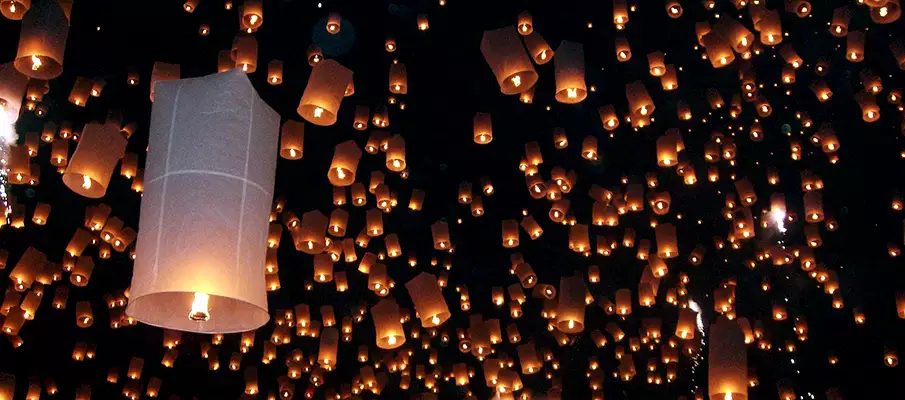
- Traditional Festivals: Chiang Mai is known for its vibrant festivals that offer a glimpse into its cultural vibrancy. The Yi Peng Lantern Festival, where thousands of floating lanterns illuminate the night sky, is a mesmerizing spectacle. The Songkran Water Festival, celebrating the Thai New Year, is another lively event where locals and visitors engage in joyful water fights to wash away the past year’s misfortunes.
- Thai Cuisine: Chiang Mai is a culinary paradise, offering a distinctive regional cuisine that tantalizes the taste buds. From delectable street food to renowned cooking schools, visitors can savor traditional Lanna dishes, such as Khao Soi (curry noodle soup) and Sai Oua (spicy herb sausage). Exploring the local food scene is a delightful way to experience the flavors of Chiang Mai.
- Warm Hospitality: The people of Chiang Mai are known for their warm and friendly nature, embodying the renowned Thai hospitality. Visitors are welcomed with open arms, and engaging with the locals provides an opportunity to immerse oneself in the local culture, traditions, and way of life.

Tourism in Chiang Mai offers a large number of activities:
Chiang Mai, nestled amidst the stunning landscapes of northern Thailand, is a captivating destination that offers a wealth of tourism experiences. From cultural exploration and natural beauty to culinary delights and warm hospitality, Chiang Mai has something for every traveler. Let’s dive into the popular tourist activities that make this city a must-visit destination.
-
- Cultural Exploration: Chiang Mai’s rich cultural heritage is best experienced by visiting its awe-inspiring temples, such as Wat Phra That Doi Suthep and Wat Chedi Luang. Exploring the vibrant Sunday Walking Street Market, where artisans and vendors sell their traditional crafts, is also a delightful cultural immersion.
- Festivals and Celebrations: Chiang Mai is famous for its vibrant festivals. The Yi Peng Lantern Festival, with thousands of lanterns lighting up the night sky, is a magical event. The Songkran Water Festival, during the Thai New Year, turns the city into a joyful water fight zone. Participating in these festivities provides a unique cultural experience.
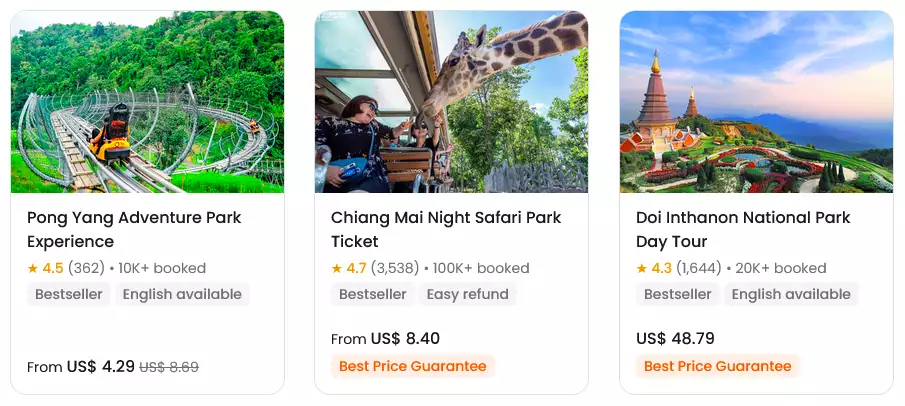
- Outdoor Adventures: The surrounding natural beauty of Chiang Mai beckons outdoor enthusiasts. Trekking through the lush mountains, visiting waterfalls like Mae Sa Waterfall, and exploring Doi Inthanon National Park, home to Thailand’s highest peak, are popular activities. Adrenaline junkies can enjoy ziplining, white-water rafting, and mountain biking.
- Culinary Delights: Chiang Mai is a paradise for food lovers. Take a Thai cooking class to learn the secrets of traditional Lanna cuisine. Explore the local markets, including the bustling Warorot Market, and savor mouthwatering street food like khao soi (curry noodle soup) and sai oua (spicy herb sausage).
- Wellness and Relaxation: Chiang Mai is renowned for its wellness offerings. Engage in a meditation retreat, practice yoga at serene retreat centers, or indulge in a traditional Thai massage to rejuvenate your mind and body. The city’s tranquil surroundings and spiritual ambiance provide the perfect setting for relaxation and self-care.
- Elephant Sanctuaries: Chiang Mai is a popular destination for ethical elephant experiences. Visitors can support responsible elephant sanctuaries where the focus is on the well-being of these gentle creatures. Interact with elephants, feed them, and even bathe them in a sustainable and ethical manner.
- Night Bazaars and Shopping: Experience the vibrant night markets of Chiang Mai, such as the famous Chiang Mai Night Bazaar and the Saturday Night Market. These bustling markets offer a wide array of handicrafts, textiles, artwork, and souvenirs, making them ideal for shopping enthusiasts.
Book Your Stay in Chiang Mai ➜

Economy of Chiang Mai in Northern Thailand:
Chiang Mai, a city nestled in the northern region of Thailand, is not only renowned for its cultural heritage and natural beauty but also for its thriving economy. Let’s explore the key factors that contribute to the robust economic landscape of Chiang Mai.
-
- Tourism: Chiang Mai’s tourism industry plays a vital role in driving its economy. The city attracts millions of visitors each year, drawn by its rich cultural heritage, stunning landscapes, and unique experiences. The influx of tourists stimulates various sectors, including hospitality, transportation, food and beverage, and retail, creating employment opportunities and contributing to the local economy.
- Education and Research: Chiang Mai is home to several prestigious universities and educational institutions. These institutions have established strong reputations for research and innovation, fostering a knowledge-based economy. The presence of a highly skilled workforce and research facilities has led to the growth of industries such as information technology, software development, and digital innovation.
- Manufacturing and Handicrafts: Chiang Mai is known for its traditional arts and crafts, which have been passed down through generations. The city’s skilled artisans produce intricate handicrafts, including textiles, ceramics, silverware, and wood carvings. The manufacturing sector also encompasses industries such as furniture, electronics, and automotive components, contributing to the local economy.
- Agriculture and Agro-Processing: The fertile surroundings of Chiang Mai support an agricultural sector that produces a variety of crops, including rice, fruits, vegetables, and coffee. The region is also known for its tea plantations. The agro-processing industry, which involves the processing and packaging of agricultural products, further adds value to the sector and provides employment opportunities.
- Healthcare and Wellness: Chiang Mai has emerged as a hub for medical tourism and wellness retreats. The city’s modern healthcare facilities, combined with its tranquil surroundings, attract international visitors seeking high-quality medical treatments, wellness programs, and alternative therapies. The healthcare sector contributes significantly to the local economy and employment.
- Digital Nomad Hub: In recent years, Chiang Mai has become a popular destination for digital nomads and remote workers. The city’s affordable cost of living, quality infrastructure, and supportive community make it an attractive base for individuals pursuing location-independent careers. This influx of digital nomads has further contributed to the local economy through spending in various sectors, including accommodations, food, and co-working spaces.
BOOK a TOUR / TRIP in Chiang Mai ➜


Doi Inthanon National Park is very popular mountain place.
Doi Inthanon National Park, located in the mountainous region of Chiang Mai, is a natural wonderland that captivates visitors with its breathtaking landscapes and diverse ecosystems. Let’s delve into the highlights of this magnificent national park. Rising to a majestic height of 2,565 meters (8,415 feet), Doi Inthanon is the highest peak in Thailand. The park, named after King Inthawichayanon, is a sanctuary of natural beauty and ecological significance. Here are some key attractions and activities to experience in Doi Inthanon National Park:
-
- Stunning Waterfalls: The park is home to several stunning waterfalls that cascade through lush greenery. Mae Klang Waterfall and Wachirathan Waterfall are among the most picturesque, offering breathtaking views and opportunities for cooling off in their refreshing pools.
- Lush Forests and Flora: Doi Inthanon is covered with dense forests that are a haven for a wide variety of plant species. The park’s flora includes mossy rhododendrons, vibrant orchids, and towering evergreen trees. Exploring the well-maintained nature trails allows visitors to immerse themselves in the captivating beauty of the park’s rich biodiversity.
- Bird-Watching: Doi Inthanon is a paradise for bird enthusiasts, as it boasts over 380 species of birds. Bird-watching is a popular activity, with opportunities to spot unique and colorful avian species, including the rare Green-tailed Sunbird and the vibrant Asian Emerald Cuckoo.
- Royal Pagodas: At the summit of Doi Inthanon, visitors will find two pagodas built to honor the King and Queen of Thailand. These striking pagodas provide panoramic views of the surrounding mountains and valleys, making them a must-visit attraction for both their architectural beauty and the breathtaking vistas they offer.
- Hill Tribe Villages: The park is also home to several hill tribe communities, including the Karen and Hmong tribes. Visitors can learn about their traditional ways of life, observe their handicrafts, and gain insights into their cultural heritage.
- Cool Climate: As Doi Inthanon’s altitude increases, the temperature drops, providing a welcome escape from the heat of the lowlands. The cooler climate makes it a pleasant retreat and offers a refreshing respite, especially during the hot summer months.
Doi Inthanon National Park offers a magnificent escape into nature, with its impressive landscapes, diverse flora and fauna, and cultural encounters. It showcases the natural wonders of Chiang Mai and allows visitors to appreciate the awe-inspiring beauty of Thailand’s highest peak.

Exploring Chiang Mai’s Sacred Treasures: Temples and Pagodas.
Chiang Mai, a city rich in cultural heritage, is adorned with numerous temples and pagodas that showcase the region’s spiritual significance. Let’s discover some of the most important religious landmarks in Chiang Mai:
-
- Wat Phra That Doi Suthep: Perched atop Doi Suthep mountain, this iconic temple is a symbol of Chiang Mai. Its golden chedi (pagoda) gleams in the sunlight, and the panoramic views of the city from the temple are breathtaking. The site is not only revered for its religious significance but also for its exquisite Lanna architecture and intricate murals depicting Buddhist teachings.
-
- Wat Chedi Luang: This ancient temple, dating back to the 14th century, boasts a massive chedi that once stood as the tallest structure in Chiang Mai. Despite its partially ruined state, Wat Chedi Luang remains an impressive sight, with intricate stone carvings and a serene atmosphere. The temple also houses the revered Emerald Buddha, now located at Wat Phra Singh.
-
- Wat Phra Singh: Known for its classic Lanna-style architecture, Wat Phra Singh is one of the most revered temples in Chiang Mai. Its main attraction is the Phra Singh Buddha image, which is believed to be over 1,500 years old. The temple’s intricate detailing, elegant pagodas, and tranquil courtyards provide a serene setting for contemplation and reverence.
-
- Wat Chiang Man: Considered the oldest temple in Chiang Mai, Wat Chiang Man holds historical and cultural significance. It houses two Buddha images—one believed to be the oldest in the city—and stunning architectural features, including a graceful Lanna-style viharn (assembly hall) and intricate stucco designs.
-
- Wat Umong: Nestled in a forested area on the outskirts of Chiang Mai, Wat Umong offers a unique and serene atmosphere. This temple is known for its ancient tunnels and a tranquil meditation garden, providing a peaceful retreat for contemplation and reflection. The site also features a large stupa and various Buddhist sculptures hidden amidst nature.
-
- Wat Suan Dok: This temple is renowned for its striking rows of white chedis (pagodas) that house the ashes of the Chiang Mai royal family. Wat Suan Dok offers a tranquil ambience, and visitors can witness daily monk chanting ceremonies in the early morning or evening.
These are just a few of the many temples and pagodas that grace the city of Chiang Mai, each with its own unique charm and significance. Exploring these sacred landmarks allows visitors to delve into the rich spiritual heritage of the region and appreciate the intricate craftsmanship and profound devotion displayed in these architectural marvels.

Exploring Chiang Mai’s Best Markets: A Shopper’s Paradise.
Chiang Mai, the enchanting city in northern Thailand, is not only known for its lush landscapes and ancient temples but also for its bustling and colorful markets. From traditional bazaars to trendy night markets, this city offers an array of shopping experiences to delight every traveler. Here are some of the best markets in Chiang Mai:
-
- Sunday Night Market (Walking Street): Every Sunday, the heart of Chiang Mai transforms into a lively pedestrian street filled with stalls selling unique handicrafts, traditional Thai cuisine, and street performances. The Sunday Night Market is the place to find one-of-a-kind souvenirs, from intricately hand-carved wooden items to stunning silk garments. It’s a must-visit for those seeking a taste of authentic Thai culture.
-
- Warorot Market: Located near the Ping River, Warorot Market is a bustling hub for locals and tourists alike. It’s a treasure trove of textiles, clothing, fresh produce, and street food. Here, you can shop for everything from aromatic spices to beautifully embroidered fabrics, all at reasonable prices. Don’t forget to try some delicious local snacks while you explore.
-
- Chiang Mai Night Bazaar: If you’re a night owl and love to shop after dark, the Chiang Mai Night Bazaar is your go-to spot. Open every night, this market features a diverse range of products, including clothing, jewelry, electronics, and handmade crafts. It’s perfect for picking up souvenirs or enjoying a leisurely evening stroll.
-
- Tha Pae Walking Street: Another excellent weekend market, Tha Pae Walking Street, takes place on Sundays and is set along the iconic Tha Pae Gate. The market boasts an eclectic mix of local artwork, handwoven textiles, and delectable street food. This market’s picturesque location provides a unique shopping experience.
-
- Anusarn Market: Nestled within the popular Chiang Mai Night Bazaar area, the Anusarn Market specializes in showcasing exquisite handicrafts, jewelry, and clothing. It’s a great place to find high-quality souvenirs, and the atmosphere is vibrant and bustling.
-
- Mueang Mai Market: This market is a bustling hub for fresh produce, fruits, vegetables, and flowers. It primarily serves as a source of supply for local restaurants, hotels, and smaller retailers in the region. Mueang Mai Market is known for its vibrant and lively atmosphere, with vendors showcasing a wide variety of agricultural products, including seasonal fruits, vegetables, herbs, and flowers.
-
- CentralPlaza Chiang Mai Airport: For a more modern shopping experience, head to CentralPlaza Chiang Mai Airport. This large shopping mall houses a plethora of international and Thai brands, making it a convenient choice for those seeking a variety of options, including clothing, electronics, and dining.
-
- Chiang Mai Gate Market: This local morning market is a haven for foodies. Open daily, Chiang Mai Gate Market serves up a variety of delicious street food options. Whether you’re craving a traditional Thai breakfast, fresh fruit, or a steaming bowl of noodle soup, you’ll find it here.

Vibrant Culture Festivals of Chiang Mai:
Chiang Mai, a city renowned for its rich cultural heritage, comes alive with vibrant festivals throughout the year. These festivities offer a captivating glimpse into the traditions, spirituality, and joyful spirit of the local community. Let’s explore some of the must-attend festivals in Chiang Mai:
-
- Yi Peng Lantern Festival: The Yi Peng Lantern Festival is one of the most enchanting events in Chiang Mai. Held during the full moon of the 12th lunar month (usually in November), thousands of lanterns are released into the night sky, creating a magical spectacle. The mesmerizing sight of illuminated lanterns floating above Chiang Mai captures the imagination and fills the air with a sense of awe and wonder.
- Songkran Water Festival: Songkran, the Thai New Year, is celebrated with great enthusiasm and joy throughout the country, including Chiang Mai. Taking place from April 13th to 15th, this festival is famous for its water fights and splashing of water on friends and strangers alike. The streets of Chiang Mai transform into a vibrant water party, symbolizing the washing away of the past year’s misfortunes and welcoming a fresh start.
- Flower Festival: The Chiang Mai Flower Festival, held in early February, celebrates the region’s abundance of colorful blooms. The city comes alive with vibrant flower floats, parades, and exhibitions showcasing a wide array of flowers and plants. Visitors can immerse themselves in the captivating beauty of floral displays and enjoy various cultural performances during this three-day extravaganza.
- Loy Krathong: Loy Krathong, also known as the Festival of Lights, takes place on the full moon of the 12th lunar month (usually in November). People gather around rivers and water bodies, releasing beautifully decorated krathongs (lotus-shaped baskets) adorned with candles, incense, and flowers. The serene sight of floating krathongs illuminating the water symbolizes letting go of negativity and making wishes for the future.
- Lanna Traditional New Year: Celebrated in mid-April, the Lanna Traditional New Year, known as “Songkran Lanna,” pays homage to the ancient traditions of the Lanna Kingdom. This festival features vibrant processions, traditional dances, music, and cultural performances. It offers a unique opportunity to experience the distinct Lanna culture and celebrate the new year in a traditional and meaningful way.
These festivals, among many others, reflect the rich cultural fabric of Chiang Mai and provide an immersive experience into the local traditions, spirituality, and joyous celebrations. Whether it’s releasing lanterns into the sky, participating in water fights, or witnessing colorful parades, attending these vibrant festivals in Chiang Mai promises unforgettable memories and a deeper appreciation for the city’s cultural heritage.
Visit Elephant Reserves / Sanctuaries in Chiang Mai:
Elephant reserves in Chiang Mai are not just places for entertainment but also platforms for education and the fight to preserve these magnificent animals. The work of these reserves contributes to the protection of endangered elephants and shows that entertainment and learning can be wonderfully combined for the benefit of nature. There are plenty of them in Chiang Mai, and you can visit them to get closer to elephants.
-
- Caring for Elephants in Their Natural Habitat: Elephant reserves in the Chiang Mai region in northern Thailand have become known worldwide for their efforts to protect and care for endangered elephants. These unique facilities provide a significant opportunity for tourists to have an unforgettable experience and, at the same time, contribute to the protection of these majestic creatures.
-
- Elephants in Reserves – Care, Not Entertainment: Elephant reserves in Chiang Mai are places where elephants live as close as possible to their natural environment. Elephant protectors are trying to replace the traditional practice of using elephants for commercial tourism and entertainment with a new model of care and respect for these animals. Elephants here are not used for rides or performing tricks, which is common practice in many other parts of the world. However, you may come across some that use elephants, for example, for elephant rides.
-
- Interaction with Elephants and Education: Tourists who decide to visit elephant reserves in Chiang Mai can experience interaction with elephants that is more natural and non-aggressive for both them and the animals. You can, for example, bathe with elephants, feed them, and observe them in their natural habitat, joyfully bathing in the river or rolling in the mud.
-
- Support for Care and Education: Such visits have a significant educational dimension. Tourists learn about the lives of elephants, their needs, and the challenges they face in today’s world. At the same time, they can contribute financially to the operation of the reserves, which helps maintain these places and support the care of elephants.
Some Well-Rated Elephant Reserves in the Chiang Mai Region:
- Maerim Elephant Home
- Thai Elephant Care Center
- Maerim Elephant Sanctuary
- Patara Elephant Conservation


Chiang Mai’s Culinary Delights: Exploring of Thai Cuisine.
Chiang Mai, a city known for its rich cultural heritage, is also a haven for food enthusiasts seeking to tantalize their taste buds with unique and flavorful dishes. Let’s embark on a culinary journey through the vibrant food scene of Chiang Mai.
-
- Northern Thai Cuisine: Chiang Mai is renowned for its distinctive regional cuisine, known as Northern Thai or Lanna cuisine. Influenced by the local ingredients and neighboring countries, this culinary tradition offers a delightful blend of bold flavors, aromatic spices, and aromatic herbs.
- Khao Soi: One of the most iconic dishes of Chiang Mai, Khao Soi is a must-try specialty. This rich and creamy curry noodle soup features tender braised meat (usually chicken or beef) in a fragrant coconut-based broth, topped with crispy fried noodles and garnished with fresh herbs and lime. The combination of flavors and textures makes Khao Soi an absolute delight.
- Sai Oua: Another Northern Thai delicacy, Sai Oua is a flavorful herb-infused sausage. Made with ground pork, herbs like lemongrass, kaffir lime leaves, and spices such as chili and galangal, these sausages are grilled to perfection. The result is a juicy and aromatic sausage with a satisfying kick of flavors.
- Nam Prik Noom: This vibrant chili dip is a staple in Northern Thai cuisine. Made with roasted green chilies, garlic, shallots, and various herbs, Nam Prik Noom is packed with spicy and tangy flavors. It is commonly served with fresh vegetables and sticky rice, offering a delightful balance of heat and freshness.
- Khanom Jeen Nam Ngiao: This comforting dish features rice noodles in a flavorful tomato-based broth, typically with minced pork or beef. The soup is spiced with herbs and garnished with crispy fried garlic, fresh herbs, and pickled vegetables, adding layers of complexity to the dish.
- Street Food and Night Markets: Chiang Mai’s street food scene is vibrant and diverse, with countless options to satisfy your cravings. Exploring the famous street food stalls and night markets, such as the bustling Warorot Market and the vibrant Chiang Mai Night Bazaar, allows you to sample an array of delectable bites, from savory skewers and crispy fried snacks to sweet treats like mango sticky rice and coconut pancakes.
- Cooking Classes: For a hands-on experience, consider joining a cooking class in Chiang Mai. These classes provide an opportunity to learn about the ingredients, techniques, and flavors of Northern Thai cuisine. You can visit local markets to select fresh ingredients and then master the art of creating authentic dishes under the guidance of skilled instructors.

What are the transport options in Chiang Mai?
Chiang Mai offers a range of transportation options to help you navigate the city and its surrounding areas. Here are the main modes of transportation available in Chiang Mai:
-
- Tuk-tuks: Tuk-tuks are a popular mode of transportation in Chiang Mai. These three-wheeled motorized vehicles can be found throughout the city and are especially convenient for short distances. Tuk-tuks are known for their open-air design and provide a unique and fun way to get around. However, it’s important to negotiate the fare before hopping in.
- Songthaews: Songthaews are red, converted pickup trucks with covered bench seating in the back. They operate as shared taxis or mini-buses along fixed routes, and their destinations are usually displayed on the front windshield. Songthaews are an affordable and convenient way to travel within the city and to nearby towns and attractions.
- Taxis: Metered taxis are available in Chiang Mai and can be hailed on the street or found at taxi stands. These taxis use meters to calculate fares, ensuring transparency in pricing. It’s advisable to ensure that the driver uses the meter or negotiate the fare before starting the journey.
- Grab: Grab is a popular ride-hailing service in Chiang Mai. Using the Grab app, you can book a car or motorcycle taxi for convenient and reliable transportation. Grab offers upfront pricing and various vehicle options to suit your needs.
- Motorbike Rental: Renting a motorbike is a common way to explore Chiang Mai and its surrounding areas. There are numerous rental shops in the city where you can hire a motorbike for a day or longer. However, be sure to have a valid driver’s license and wear a helmet for safety.
- Bicycles: Chiang Mai is a bicycle-friendly city, and renting a bicycle is a fantastic way to explore the city at a leisurely pace. Many guesthouses and shops offer bicycle rentals, allowing you to pedal around the old town and beyond.
- Public Transportation: Chiang Mai has a limited public bus system, with routes mainly catering to locals rather than tourists. The bus network is not as extensive as in other cities, but it can be an economical option for certain routes.
When choosing a transportation option in Chiang Mai, consider factors such as convenience, distance, cost, and the number of passengers. Each mode of transportation has its advantages, so select the one that best suits your needs and preferences to make your journey in Chiang Mai smooth and enjoyable.
Book Your Stay in Chiang Mai ➜

Why to visit or not to visit Chiang Mai?
Visiting Chiang Mai can be a wonderful experience, but it ultimately depends on individual preferences and interests. Here are some factors to consider when deciding whether to visit or not to visit Chiang Mai:
👉 Reasons to visit Chiang Mai:
-
- Rich Cultural Heritage: Chiang Mai is steeped in history and boasts a vibrant cultural heritage. The city is home to numerous temples, historic sites, and traditional markets, providing opportunities to immerse yourself in the local culture and traditions.
- Stunning Natural Beauty: The surrounding landscapes of Chiang Mai offer breathtaking natural beauty. From lush mountains and waterfalls to national parks and serene countryside, nature lovers will find plenty to explore and enjoy.
- Festivals and Celebrations: Chiang Mai is known for its vibrant festivals, such as the Yi Peng Lantern Festival and the Songkran Water Festival. Attending these festivities allows you to witness the city’s joyous spirit and participate in unique cultural experiences.
- Delicious Cuisine: Chiang Mai is a food lover’s paradise, with its diverse and flavorful Northern Thai cuisine. Exploring the local street food stalls, traditional markets, and attending cooking classes offer delightful culinary experiences.
- Warm Hospitality: The people of Chiang Mai are known for their warm and friendly nature. Interacting with the locals and experiencing their genuine hospitality can create memorable connections and add to the overall experience.
👉 Reasons not to visit Chiang Mai:
-
- Personal Preferences: If you prefer bustling cities or coastal destinations, Chiang Mai’s landlocked location and relatively slower pace may not align with your preferences.
- Distance and Travel Logistics: Depending on your location, traveling to Chiang Mai may involve long flights or connecting flights, which can be a consideration for some travelers.
- Climate: Chiang Mai has a tropical climate, characterized by hot and humid weather. If you prefer cooler climates, visiting during the dry and cooler months (November to February) may be more comfortable.
- Crowds: Chiang Mai is a popular tourist destination, particularly during festivals and peak travel seasons. If you prefer quieter and less crowded destinations, it may be worth considering the timing of your visit.
- Accessibility: Some attractions in and around Chiang Mai may require transportation and travel time. If you have limited mobility or prefer easily accessible attractions, it’s important to plan accordingly.
BOOK a TOUR / TRIP in Chiang Mai ➜
✈️ How to get and travel to Chiang Mai?
Getting to Chiang Mai is relatively easy, and there are several transportation options available depending on your location and preferences. Here’s a guide on how to travel to Chiang Mai:
-
- By Air: The most convenient and popular way to reach Chiang Mai is by air. Chiang Mai International Airport (CNX) serves both domestic and international flights. Many major airlines operate direct flights to Chiang Mai from various cities in Thailand, as well as from neighboring countries like Singapore, Malaysia, and China. Upon arrival, you can take a taxi, Grab, or airport shuttle to your destination in the city.
- By Train: Traveling by train is a scenic option, especially if you enjoy leisurely journeys. Chiang Mai is connected to Bangkok and other major cities in Thailand by rail. Overnight sleeper trains are available, providing a comfortable and picturesque experience. Trains offer different classes, including sleeper berths, and typically include dining cars. Keep in mind that train schedules may vary, so it’s advisable to check the timetables and book your tickets in advance.
- By Bus: Buses are a cost-effective way to travel to Chiang Mai, with numerous routes connecting the city to various destinations within Thailand. From Bangkok, there are both standard and VIP buses that operate daily. The journey takes around 8-10 hours, depending on the route and traffic conditions. Several bus companies provide comfortable and air-conditioned services. It’s recommended to book your tickets in advance, especially during peak travel seasons.
- By Car: If you prefer the flexibility and convenience of driving, you can rent a car and travel to Chiang Mai. Major highways connect Chiang Mai to various parts of Thailand. The journey from Bangkok to Chiang Mai by car takes approximately 9-10 hours, depending on the route and stops along the way. It’s important to have a valid international driving license and be aware of local traffic rules.
- By Motorbike: For adventurous travelers, traveling to Chiang Mai by motorbike can be an exciting option. However, this is recommended only for experienced riders who are comfortable navigating long distances. The journey offers scenic routes through mountains and countryside. Ensure that you have the proper license, wear appropriate safety gear, and have travel insurance that covers motorbike use.
-
- You can book tickets / flights to Chiang Mai in Thailand on Baolau ➜ or 12go.asia ➜
- You can book tickets / flights to Chiang Mai in Thailand on Baolau ➜ or 12go.asia ➜

☀️ Weather in Chiang Mai + The Best Time to Visit:
Chiang Mai experiences a tropical monsoon climate, characterized by distinct seasons with variations in temperature and rainfall. Understanding the weather patterns can help you plan the best time to visit Chiang Mai. Here’s an overview of the weather and the ideal time to explore this captivating city:
-
- Dry Season (November to February): The dry season is considered the best time to visit Chiang Mai, as the weather is cooler and rainfall is minimal. During this period, temperatures range from 15°C to 30°C (59°F to 86°F), making it pleasant for outdoor activities and exploring the city’s attractions. It’s advisable to bring light layers for cooler mornings and evenings. This is also the peak tourist season, so expect larger crowds and higher accommodation prices, especially during the holiday season and festivals.
- Hot Season (March to May): The hot season in Chiang Mai can be quite intense, with temperatures reaching up to 40°C (104°F) in April. This season is characterized by dry and sunny weather, making it ideal for those who enjoy warmth and want to avoid crowds. It’s important to stay hydrated and protect yourself from the sun with sunscreen, hats, and lightweight clothing. Consider visiting indoor attractions and taking advantage of the city’s air-conditioned spaces during the hottest parts of the day.
- Rainy Season (June to October): The rainy season in Chiang Mai is characterized by regular rainfall and occasional thunderstorms. The showers are usually short-lived, with bursts of rain followed by periods of sunshine. The lush green landscapes and cooler temperatures make this a refreshing time to visit, and the crowds are generally smaller. However, it’s advisable to carry an umbrella or raincoat and be prepared for occasional disruptions due to heavy rain. The temperatures during this season range from 20°C to 32°C (68°F to 90°F).
When planning your visit to Chiang Mai, consider the specific activities you wish to engage in. The dry season (November to February) is popular for outdoor adventures, temple visits, and cultural festivals. If you don’t mind the heat and prefer fewer tourists, the hot season (March to May) may be suitable. The rainy season (June to October) offers lush green landscapes, lower hotel rates, and the opportunity to experience Chiang Mai’s beauty in a more tranquil setting.
| Month | Weather | Description |
|---|---|---|
| January | Warm & Dry | Cool mornings and sunny days, ideal for sightseeing and temple visits. |
| February | Warm & Dry | Excellent weather for hiking, markets, and the Chiang Mai Flower Festival. |
| March | Hot & Dry | Hot weather with mostly sunny skies before the rainy season begins. |
| April | Hot & Dry | The hottest month, famous for the Songkran water festival. |
| May | Hot & Rainy | Rainy season starts, bringing greener mountains and cooler evenings. |
| June | Hot & Rainy | Warm and humid with regular afternoon showers. |
| July | Hot & Rainy | Frequent rain keeps forests and waterfalls lush and beautiful. |
| August | Hot & Rainy | Rain continues, but sightseeing is still possible between showers. |
| September | Hot & Rainy | One of the wettest months with fewer tourists and green scenery. |
| October | Warm & Rainy | Rainfall decreases and conditions improve for outdoor activities. |
| November | Warm & Dry | One of the best months with cool weather and clear skies. |
| December | Warm & Dry | Pleasant temperatures make December perfect for exploring Chiang Mai. |

🏡 Accommodation in Chiang Mai / Where to Stay:
Chiang Mai, known for its rich cultural heritage and stunning natural surroundings, offers a wide range of accommodation options to suit various preferences and budgets. Here’s an overview of the accommodation options available in Chiang Mai:
-
- Luxury Hotels and Resorts: Chiang Mai boasts several luxury hotels and resorts that provide top-notch amenities, impeccable service, and elegant accommodations. These establishments often feature spacious rooms or suites, well-appointed interiors, on-site dining options, spa facilities, swimming pools, and other luxurious amenities to ensure a memorable and indulgent stay.
- Boutique Hotels: Chiang Mai is home to numerous boutique hotels that offer a more intimate and personalized experience. These smaller-scale accommodations are often designed with unique themes, stylish interiors, and personalized service. Boutique hotels in Chiang Mai are ideal for travelers seeking a blend of comfort, character, and attention to detail.
- Guesthouses and Homestays: For a more authentic and budget-friendly experience, guesthouses and homestays are popular choices in Chiang Mai. These accommodations provide cozy and affordable rooms, often run by friendly local hosts who offer a warm welcome and local insights. Staying at a guesthouse or homestay allows visitors to immerse themselves in the local culture and experience the warmth of Thai hospitality.
- Eco-Lodges and Nature Retreats: With its picturesque surroundings, Chiang Mai offers eco-lodges and nature retreats for travelers seeking a closer connection with nature. These accommodations are often nestled in serene settings, such as forests or countryside locations, providing a peaceful and eco-friendly stay. Eco-lodges may focus on sustainable practices, organic farming, and immersive nature experiences.
- Hostels and Backpacker Guesthouses: Chiang Mai is a popular destination among backpackers and budget-conscious travelers. The city offers a wide selection of hostels and backpacker guesthouses that provide affordable dormitory-style rooms or private rooms with shared facilities. These accommodations are great for meeting fellow travelers, socializing, and exploring the city on a budget.
- Serviced Apartments and Long-Term Rentals: Chiang Mai is also a popular choice for digital nomads and long-term visitors. Serviced apartments and long-term rentals are available in various neighborhoods, providing fully furnished apartments or houses with amenities such as kitchenettes, workspaces, and access to communal facilities. These accommodations offer a home-like environment for an extended stay in the city.
➜ Accommodation in Chiang Mai – Book Here

🏝️ Best Places to Visit & Things to Do in Chiang Mai
- Wat Phra That Doi Suthep – Chiang Mai’s most famous hilltop temple with panoramic city views.
- Old City Temples – Visit Wat Chedi Luang, Wat Phra Singh, and other historic Lanna temples.
- Chiang Mai Night Bazaar – Shop for handicrafts, souvenirs, and Northern Thai street food.
- Doi Inthanon National Park – Explore Thailand’s highest mountain, waterfalls, and scenic trails.
- Elephant Nature Park – Visit one of Thailand’s best ethical elephant sanctuaries.
- Thai Cooking Classes – Learn to prepare authentic Northern Thai dishes with local chefs.
- Sunday Walking Street Market – A lively market with handmade crafts, food, and live performances.
- Muay Thai Boxing – Watch exciting matches or join a beginner training session.
- Doi Suthep-Pui National Park – Enjoy hiking trails, waterfalls, and mountain viewpoints.
- Art Villages – Discover local crafts and galleries at Baan Kang Wat and Baan Tawai.
- Wat Umong – A peaceful forest temple famous for its ancient meditation tunnels.
- Mae Ping River Cruise – Relax on a scenic cruise through the heart of Chiang Mai.
- Baan Kang Wat – A charming artists’ village with cafés, galleries, and workshops.
- Chiang Mai Zoo & Aquarium – A family-friendly attraction with wildlife and marine exhibits.
- Doi Pui Hmong Village – Experience traditional Hmong culture in the mountains near Chiang Mai.
❓ Frequently Asked Questions About Chiang Mai
How can I book tickets or flights to Chiang Mai?
What is Chiang Mai famous for?
Chiang Mai is famous for ancient temples, Lanna culture, mountain scenery, night markets, and excellent Northern Thai cuisine.
Which temples should I visit in Chiang Mai?
Top temples include Wat Phra That Doi Suthep, Wat Chedi Luang, Wat Phra Singh, and the peaceful Wat Umong.
What cultural experiences are available?
Chiang Mai offers Thai cooking classes, monk chats, traditional massage, handicraft workshops, and lively night markets.
When is the best time to visit Chiang Mai?
The best weather is from November to February, while March–May is hot and June–October is the rainy season.
Which festivals are celebrated in Chiang Mai?
The Yi Peng Lantern Festival and Songkran Water Festival are the city’s best-known annual celebrations.
What outdoor activities can I do?
Popular activities include hiking, visiting waterfalls, ethical elephant sanctuaries, cycling, and exploring Doi Inthanon National Park.
What local food should I try?
Try Khao Soi, Sai Oua sausage, Kaeng Hang Le curry, and fresh dishes from Chiang Mai’s street food markets.
Where can I travel from Chiang Mai?
Popular routes include Chiang Mai to Chiang Rai, Pai, and Mae Hong Son by bus, car, or motorbike.
What souvenirs should I buy in Thailand?
Find the best souvenir ideas in What to Bring from Thailand.
Is Thailand expensive to travel?
Thailand is generally affordable for most travelers. Read more in Prices in Thailand.
What currency is used in Thailand?
The official currency is the Thai Baht (THB). Learn more in Money & Currency in Thailand.
What is Thai cuisine like?
Thai cuisine combines sweet, sour, salty, and spicy flavors. See our Thai Food & Cuisine Guide.
BOOK a TOUR / TRIP in Chiang Mai ➜


Koh Kood – Travel Guide|Koh Chang – Travel Guide|Ayutthaya in Thailand|Bangkok – Travel Guide|Vang Vieng – Travel Guide|Vientiane in Laos