

ℹ️ Information – Ch.Rai
🚶 How to move in Ch.Rai
✈️ How to get to Ch.Rai
☀️ Weather in Chiang Rai
🏡 Where to stay in Ch.Rai
🔍 Sightseeing in Ch.Rai
❓ FAQ + Travel Tips + Info
🎫 Book a Tour in Ch.Rai
🎫 Book Tickets / Flights
Quick answer: Chiang Rai is a peaceful, culturally rich city in northern Thailand known for its mix of spiritual architecture, hill-tribe heritage, and lush landscapes. It’s a great base to explore river valleys, traditional villages, and atmospheric temples away from mainstream tourist bustle.
At a glance:
- 🏯 Temples: Beautiful Lanna architecture and sacred sites.
- 🌿 Nature: Mountains, waterfalls, and tea plantations.
- 🛶 Golden Triangle: Where Thailand, Laos, and Myanmar meet.
- 👲 Hill tribes: Visit authentic mountain villages.
- 🍜 Food: Famous khao soi and Northern Thai cuisine.
- 🎨 Culture: White Temple, Baan Dam, and local art.
- 📅 Best time: November–February.
Last updated in July 2026.
Chiang Rai: Exploring the Northern Gem of Thailand.
-
- Nestled in the mountainous region of northern Thailand, Chiang Rai is a captivating city known for its scenic beauty, cultural heritage, and serene atmosphere. Situated approximately 785 kilometers north of Bangkok, this charming destination offers a unique blend of natural wonders, ancient temples, and vibrant local markets.
- Geographically, Chiang Rai is positioned at the heart of the Golden Triangle, where the borders of Thailand, Myanmar (Burma), and Laos converge. This strategic location has made it a significant trading hub and a melting pot of cultures. Visitors to Chiang Rai can experience the rich cultural tapestry influenced by Thai, Burmese, and Lao traditions, resulting in a distinctive local identity.
- One of the most iconic landmarks in Chiang Rai is the White Temple, formally known as Wat Rong Khun. This stunning contemporary masterpiece showcases intricate white carvings and shimmering mirrored glass, creating an otherworldly sight. Another must-visit temple is Wat Phra Kaew, where the famous Emerald Buddha was discovered before being relocated to Bangkok’s Grand Palace. Nature enthusiasts will find Chiang Rai a haven of breathtaking landscapes. The province boasts lush rainforests, cascading waterfalls, and picturesque mountains, such as the renowned Doi Tung. Trekking and exploring the hill tribe villages offer an opportunity to learn about the indigenous cultures and their traditional way of life.
- The city center of Chiang Rai is compact and easy to navigate, making it perfect for leisurely strolls. The Night Bazaar is a vibrant market that comes alive after sunset, offering a wide range of local handicrafts, souvenirs, and delectable street food. Visitors can savor the flavors of northern Thai cuisine, which features bold spices and unique regional dishes. For those seeking adventure, embarking on a boat trip along the Mekong River is a fantastic option. This scenic journey allows you to witness the rural landscapes and visit the famous Golden Triangle viewpoint, where the borders of three countries meet.
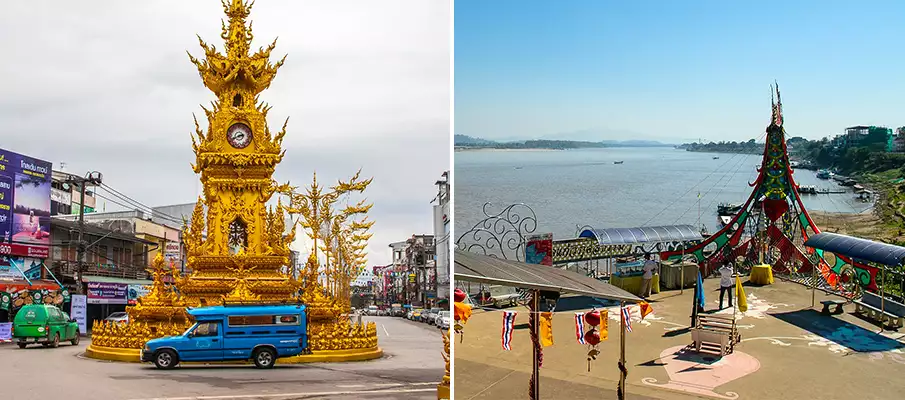
Discover Chiang Rai: Where History Meets Cultural Splendorf.
-
- Situated in the captivating region of northern Thailand, Chiang Rai is a city steeped in a rich historical tapestry that spans centuries. With its fascinating past and vibrant cultural heritage, this enchanting destination offers visitors a glimpse into the ancient roots of the region.
- Chiang Rai’s history dates back to the 13th century when it was founded as the capital of the Lanna Kingdom. The city flourished under the rule of King Mangrai, who established it as a strategic center for trade and commerce. It served as a vital link between Myanmar (Burma), Laos, and the rest of Thailand, leading to the city’s cultural diversity and vibrant atmosphere.
- During its early years, Chiang Rai experienced numerous dynastic changes and conflicts, as various regional powers vied for control over the region. The Burmese, the Thai Kingdom of Ayutthaya, and the Lao Kingdom of Lan Xang all played significant roles in shaping the city’s history.
- One of the enduring legacies of Chiang Rai’s past is its magnificent temples. Wat Phra Singh, originally built in the 14th century, stands as a testament to the city’s religious and architectural heritage. This revered temple houses a sacred Buddha image and is adorned with intricate carvings and colorful murals, showcasing the artistic prowess of the Lanna Kingdom.
- Another iconic landmark is the Wat Phra Kaew, known as the Temple of the Emerald Buddha. This temple is historically significant as it was the original home of the revered Emerald Buddha statue before it was relocated to Bangkok. Its exquisite architecture and spiritual significance make it a must-visit attraction for visitors.
- In more recent history, Chiang Rai gained international attention when the famous White Temple, Wat Rong Khun, was constructed in the late 20th century. This contemporary masterpiece, with its unique blend of traditional and modern elements, has become an iconic symbol of the city and draws visitors from around the world.
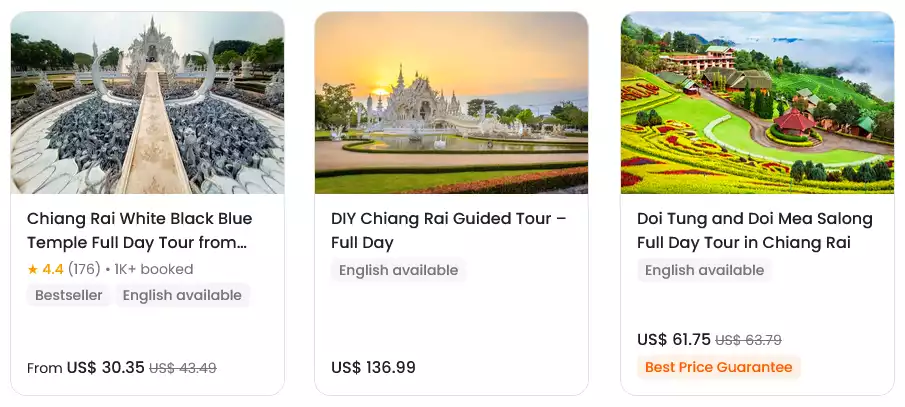
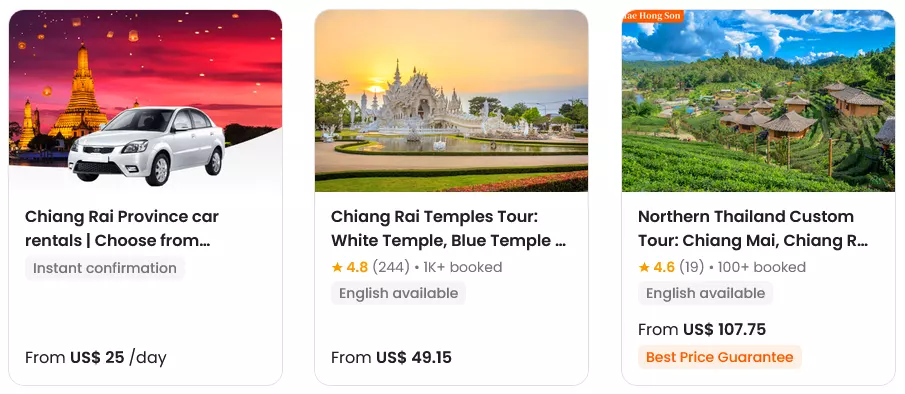
BOOK a TOUR / TRIP in Chiang Rai ➜
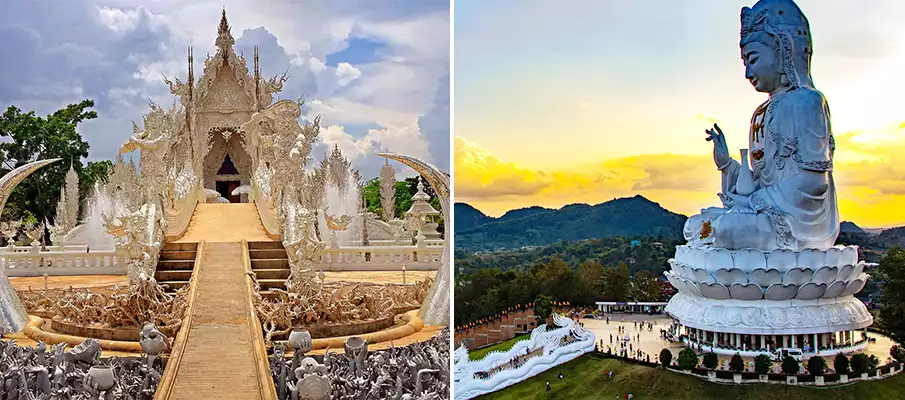
Chiang Rai: Where Culture Blossoms in Northern Thailand.
-
- The cultural scene of Chiang Rai is a fusion of influences from the Lanna Kingdom, neighboring countries, and indigenous hill tribes. The city’s temples, adorned with intricate carvings and vibrant colors, serve as testament to its spiritual heritage. Wat Rong Khun, also known as the White Temple, stands as a contemporary masterpiece, where traditional Buddhist motifs blend harmoniously with modern artistic interpretations.
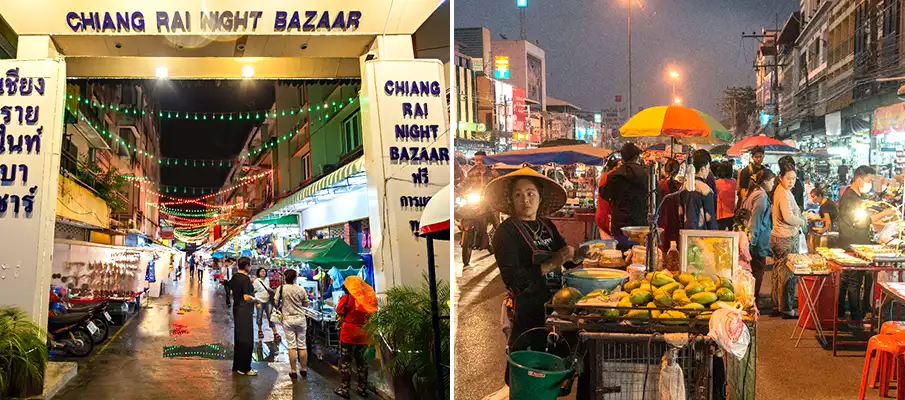
- Beyond the temples, Chiang Rai’s local markets provide a treasure trove of cultural encounters. The Night Bazaar, brimming with bustling energy, offers a kaleidoscope of aromas, sights, and sounds. From traditional handicrafts to delectable local cuisine, visitors can engage with the vibrant creations of local artisans and savor the flavors of authentic Northern Thai dishes. One of the highlights of Chiang Rai’s cultural landscape is its connection with hill tribe communities. These indigenous groups, such as the Akha, Karen, and Hmong, have their unique traditions, languages, and vibrant attire. Exploring their villages and engaging in their way of life allows visitors to gain a deeper appreciation for their rich cultural heritage.
- Throughout the year, Chiang Rai hosts various festivals that showcase the region’s cultural vibrancy. The Songkran Water Festival, marking the Thai New Year, brings locals and tourists together for spirited water fights and traditional ceremonies. The Yi Peng Lantern Festival, with its floating lanterns illuminating the night sky, creates a magical ambiance of wishes and blessings. Art enthusiasts will find Chiang Rai a haven for creative expression. The city is home to numerous art galleries, displaying works by local and international artists. The annual Chiang Rai Art Festival showcases a diverse range of visual arts, music, and performances, attracting artists and art enthusiasts from far and wide.
- Chiang Rai’s cultural fabric is intricately woven into the daily lives of its residents. Their warm hospitality and genuine smiles make visitors feel welcomed and embraced by the local community. Whether you explore the ancient temples, interact with hill tribe communities, or appreciate the contemporary art scene, Chiang Rai invites you to immerse yourself in its cultural wonders and create memories that will last a lifetime.
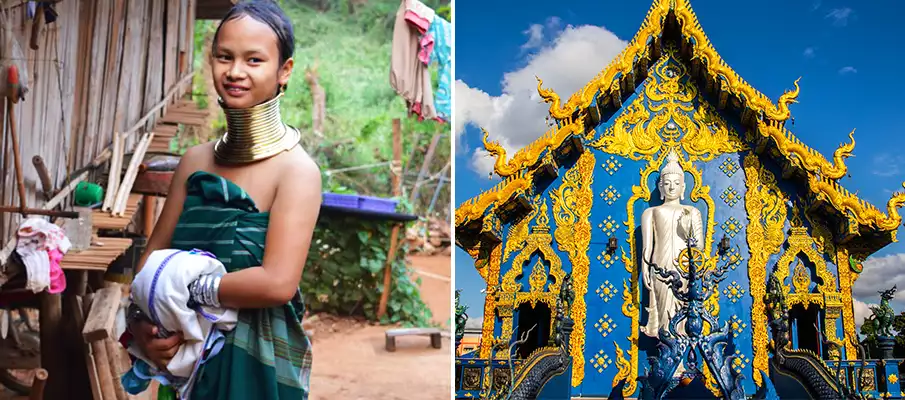
Tourism in Chiang Rai offers a large number of activities:
-
- Experience a captivating journey in Chiang Rai, an enchanting destination in northern Thailand that beckons with its diverse attractions and natural splendor. With its rich cultural heritage, stunning landscapes, and unique experiences, Chiang Rai has become a magnet for travelers seeking an off-the-beaten-path adventure.
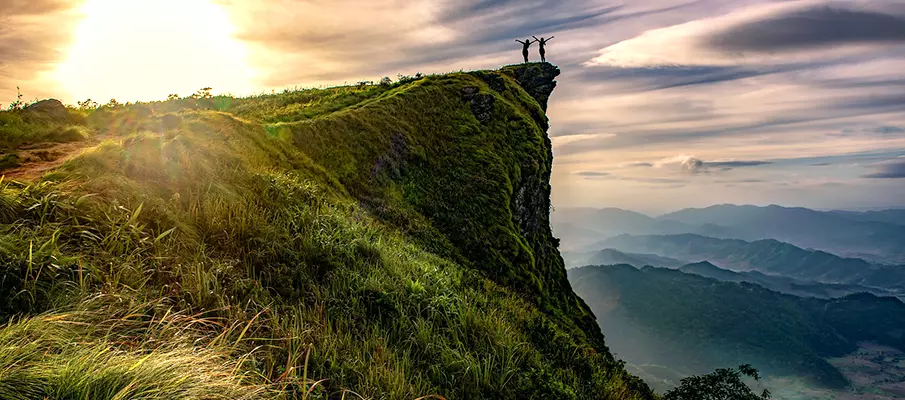
- Nature lovers will be enthralled by Chiang Rai’s breathtaking scenery. Explore the verdant hills, cascading waterfalls, and lush rainforests of Doi Tung, where you can embark on exhilarating treks and discover hidden gems nestled in the wilderness. For a truly mesmerizing experience, witness the sunrise from Doi Mae Salong, a mountain known for its panoramic views that stretch beyond the horizon. The city’s temples, with their intricate designs and spiritual ambiance, are not to be missed. Wat Rong Khun, the White Temple, stands as a striking example of contemporary architecture, dazzling visitors with its intricate details and ethereal beauty. Other revered temples such as Wat Phra Singh and Wat Phra Kaew provide a glimpse into Chiang Rai’s historical and religious significance.
- Delve into the local culture and traditions by visiting the vibrant markets scattered throughout the city. Chiang Rai’s Night Bazaar is a bustling hub of activity where you can immerse yourself in the local ambiance, sample delectable street food, and browse through an array of handicrafts and souvenirs. Don’t forget to try the local delicacies like khao soi (curry noodle soup) and kanom jeen nam ngiew (spicy rice noodle soup).
- Venture beyond the city and discover the allure of the Golden Triangle region, where the borders of Thailand, Myanmar (Burma), and Laos converge. Take a boat ride along the mighty Mekong River and witness the stunning landscapes unfold before your eyes. Visit the Hall of Opium Museum to delve into the fascinating history of the opium trade and gain insights into the region’s past.
- Chiang Rai’s festivals and events add an extra touch of charm to your visit. The annual Chiang Rai Flower Festival showcases a riot of colors with vibrant blooms and floral displays. The Songkran Water Festival brings joy and laughter as locals and visitors join in the lively water fights and traditional celebrations. Chiang Rai’s warm and welcoming atmosphere, coupled with its natural and cultural wonders, make it an ideal destination for those seeking an authentic Thai experience.
Book Your Stay in Chiang Rai ➜
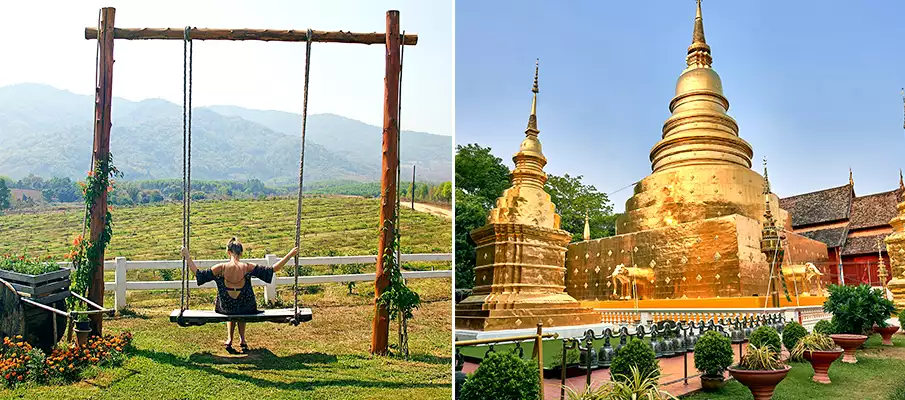
Economy of Chiang Rai in Northern Thailand:
-
- Chiang Rai, a hidden gem in northern Thailand, is not only renowned for its natural beauty and cultural heritage but also for its thriving economy. Over the years, the city has experienced significant growth and development, making it an increasingly attractive destination for investors and businesses.
- Agriculture forms the backbone of Chiang Rai’s economy. The province is known for its fertile lands, making it ideal for the cultivation of crops such as rice, coffee, tea, and fruit orchards. The agricultural sector contributes significantly to the local economy, providing employment opportunities for a large portion of the population and supplying produce to domestic and international markets. Tourism plays a vital role in Chiang Rai’s economic landscape. The city’s unique blend of cultural attractions, natural wonders, and authentic experiences draws a steady stream of visitors from around the globe. The tourism industry has spurred the growth of hotels, restaurants, souvenir shops, and other related businesses, creating job opportunities and boosting the local economy.
- In recent years, Chiang Rai has seen a rise in infrastructure development. The expansion of transportation networks, including improved road connections and the establishment of an international airport, has enhanced accessibility to the region. This infrastructure growth has not only facilitated tourism but also provided a solid foundation for trade and investment, attracting businesses to establish their presence in the city.
- Chiang Rai’s strategic location, situated at the heart of the Golden Triangle, has further contributed to its economic prosperity. The region serves as a vital trading hub, connecting Thailand with neighboring countries such as Myanmar (Burma) and Laos. Cross-border trade and investment have increased, fostering economic collaboration and boosting Chiang Rai’s position as a regional commercial center.
BOOK a TOUR / TRIP in Chiang Rai ➜
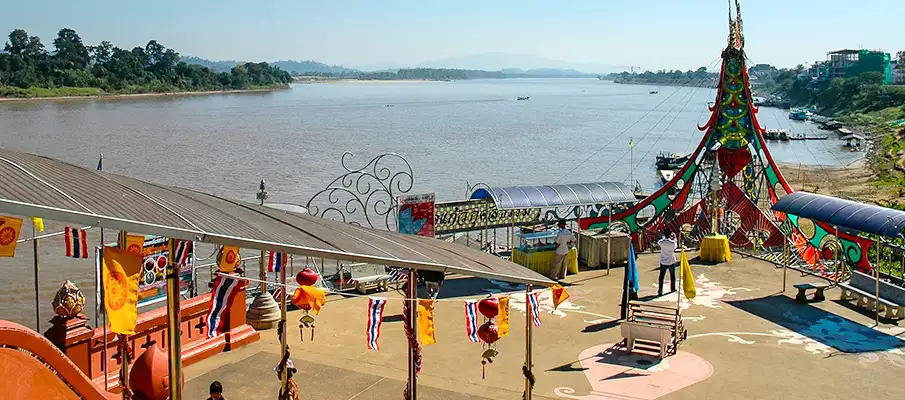
Visit Golden Triangle region in Chiang Rai Province:
-
- Nestled in the captivating landscapes of Chiang Rai, the Golden Triangle region is a legendary destination that fascinates with its rich history, cultural diversity, and scenic beauty. Spanning across the borders of Thailand, Myanmar (Burma), and Laos, this enchanting area offers a glimpse into the intriguing past and vibrant present of Southeast Asia.
- The Golden Triangle region derived its name from its historical association with the opium trade, which once flourished in the area. Today, it has transformed into a captivating destination that attracts travelers from around the world who seek to explore its cultural heritage and awe-inspiring landscapes.
- The Mekong River, a lifeline of the region, weaves its way through the Golden Triangle, offering picturesque views and a gateway to neighboring countries. Embark on a river cruise to witness the stunning panoramas and visit remote villages that dot the riverbanks, where you can engage with local communities and gain insights into their traditional way of life.
- Chiang Saen, an ancient town located in the Golden Triangle, is steeped in historical significance. Explore its ancient ruins and visit the Chiang Saen National Museum to delve into the area’s rich archaeological heritage. The town also provides a vantage point to admire the convergence of the Mekong River and Ruak River, a mesmerizing natural phenomenon.
- For a deeper understanding of the Golden Triangle’s opium history, the Hall of Opium Museum is a must-visit attraction. This informative museum traces the story of opium from its cultivation and trade to the efforts made to combat the drug epidemic. It offers a thought-provoking journey through history, shedding light on the social and cultural impact of the opium trade on the region.
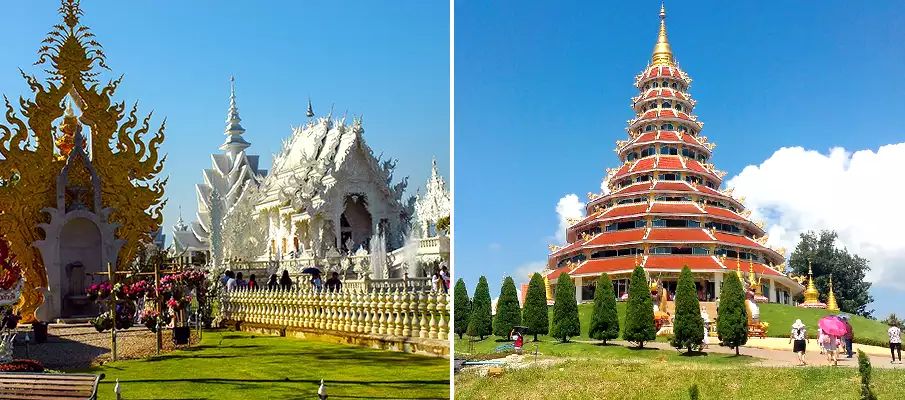
Discovering Chiang Rai’s Iconic Temples and Pagodas:
Chiang Rai, a city brimming with spiritual heritage, is home to a collection of magnificent temples and pagodas that showcase the region’s rich cultural and architectural legacy. These sacred sites offer visitors a chance to immerse themselves in the tranquility and splendor of Chiang Rai’s religious traditions.
-
- Wat Rong Khun, popularly known as the White Temple, stands as a shining gem among Chiang Rai’s architectural wonders. This contemporary masterpiece, with its gleaming white facade and intricate details, presents a fusion of traditional Buddhist elements and modern artistic expressions. Step inside to discover a world of mesmerizing murals that blend sacred and pop culture references, offering a truly unique and thought-provoking experience.
- Another must-visit temple is Wat Phra Kaew, which holds historical and cultural significance. It was here that the famous Emerald Buddha, one of Thailand’s most revered icons, was discovered before being relocated to Bangkok’s Grand Palace. This temple complex features exquisite Lanna-style architecture and houses an impressive collection of Buddha images and religious artifacts.
- Perched on a hill overlooking the city, Wat Phra That Doi Chom Thong offers breathtaking panoramic views and a tranquil spiritual retreat. This revered temple is renowned for its golden pagoda, believed to enshrine a holy relic of the Lord Buddha. As you ascend the stairs, you’ll be rewarded with a sense of serenity and a closer connection to the spiritual essence of Chiang Rai.
- For a taste of Burmese influence, Wat Phra That Doi Wao is a hidden gem that shouldn’t be missed. Located near the Thai-Myanmar border, this temple features a beautiful golden chedi and offers a spectacular view of the surrounding countryside. It serves as a testament to the long-standing cultural and historical connections between Chiang Rai and Myanmar.
- Wat Huai Pla Kung, with its striking 9-tiered pagoda and enormous statue of Guan Yin, the Chinese goddess of compassion, captures the imagination of visitors. This temple complex showcases a harmonious blend of Thai and Chinese architectural elements, making it a unique and visually captivating attraction.
As you explore these temples and pagodas, be sure to respect the religious customs and traditions. Dress modestly, remove your shoes before entering the sacred spaces, and observe any rules or guidelines provided.
Exploring the Vibrant Markets of Chiang Rai:
Chiang Rai, a province in northern Thailand known for its natural beauty and rich culture, offers a delightful array of markets that showcase the region’s diverse offerings. From handicrafts and traditional foods to unique souvenirs, here are some of the best markets to explore in Chiang Rai.
-
- Chiang Rai Night Bazaar: Located in the heart of the city, this night bazaar comes to life as the sun sets. Visitors can find a wide range of goods, including clothing, accessories, and locally-made crafts. The market is also famous for its delectable street food, where you can savor authentic Thai flavors.
-
- The Old Bus Station Market: A favorite among locals and tourists alike, this market offers a variety of local products and street food. It’s an excellent place to immerse yourself in Chiang Rai’s culture and sample regional delicacies.
-
- Saturday Walking Street Market: Held every Saturday evening, this market is a must-visit. You’ll find an eclectic mix of handmade crafts, traditional art, and delicious Thai street food. The vibrant atmosphere and live music performances make it a memorable experience.
-
- Kad Luang Chiang Rai Market: If you like traditional Asian markets, Kad Luang Chiang Rai Market will definitely impress you, as it has a traditional Thai character, with a wide range of shops and stalls selling a variety of local products from clothes, accessories, handicrafts, souvenirs, fruits and vegetables, meat, fresh fish, fast local foods and more.
-
- Blue Temple Market: Located near the stunning Blue Temple, this market features art and handicrafts made by local artists. You can discover unique pieces that reflect the artistic spirit of the region.
-
- Chiang Rai Farmers’ Market: For a taste of fresh, local produce and organic goods, visit the Chiang Rai Farmers’ Market. It’s a great place to pick up high-quality fruits, vegetables, and artisanal products.
Exploring Ethnic Minorities and Groups of Chiang Rai:
Chiang Rai, a picturesque province nestled in the northern region of Thailand, is not only renowned for its stunning landscapes but also for its rich cultural diversity. Home to a multitude of ethnic minorities and groups, the province offers a unique tapestry of traditions, languages, and customs.
-
- The Hill Tribes: Chiang Rai is perhaps most famous for its hill tribes, including the Akha, Karen, Hmong, Lisu, and Lahu. These indigenous communities have called the region home for generations and are known for their distinctive attire, vibrant festivals, and a deep connection to the land. Visitors can explore their hillside villages, witness traditional crafts, and partake in their warm hospitality.
-
- The Tai Groups: Beyond the hill tribes, Chiang Rai is also home to various Tai-speaking ethnic groups, such as the Tai Lue and Tai Yuan. These communities have left an indelible mark on the province’s cultural landscape with their traditional music, dance, and religious practices. Wat Phra Singh, a revered temple in Chiang Rai, showcases Tai architecture and artistry.
-
- The Akha’s Unique Customs: Among the hill tribes, the Akha people stand out with their fascinating customs. Their elaborate headdresses, intricate beadwork, and striking silver jewelry are a testament to their craftsmanship. Visitors can gain insight into their way of life by participating in homestays and trekking tours, providing a glimpse into the Akha’s vibrant culture.
-
- Promoting Cultural Exchange: Chiang Rai’s local government and organizations actively promote cultural exchange and preservation. Events like the Akha Swing Festival and Lahu New Year celebrations welcome outsiders to participate and learn from the indigenous communities. This not only strengthens ties between the various ethnic groups but also promotes cultural awareness and sustainability.


Exploring the Flavors of Chiang Rai’s Cuisine.
-
- Chiang Rai, a city known for its vibrant culture and rich heritage, offers a tantalizing array of flavors that make its cuisine a true delight for food enthusiasts. From aromatic spices to unique regional dishes, Chiang Rai’s culinary scene is a journey of discovery for the taste buds.
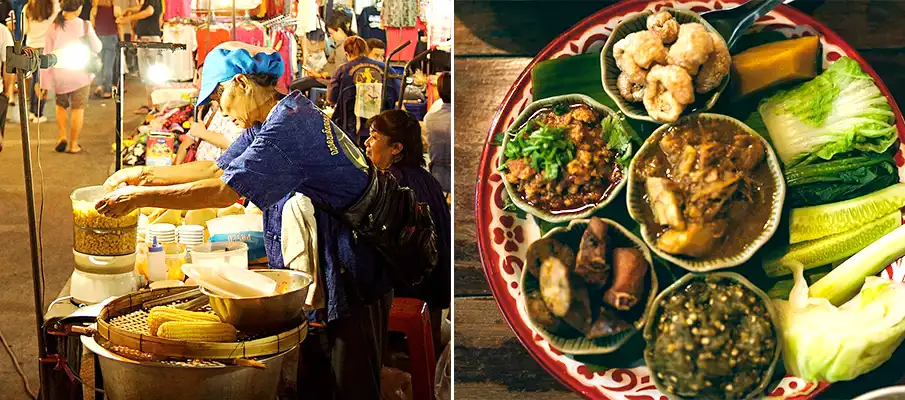
- The cuisine of Chiang Rai is deeply influenced by the flavors of Northern Thailand. It is characterized by its bold and aromatic profiles, incorporating a balance of sweet, sour, spicy, and savory elements. One of the signature dishes you must try is khao soi, a rich and creamy curry noodle soup that combines tender meat, crispy noodles, and a burst of flavors from various herbs and spices. For a taste of the region’s traditional cuisine, indulge in kanom jeen nam ngiew, a spicy rice noodle soup with a flavorful broth made from fermented soybeans, tomatoes, and various herbs. The addition of tender chunks of meat or vegetables adds texture and depth to this beloved local dish.
- Chiang Rai’s night markets offer a gastronomic adventure, where you can sample an array of street food delicacies. Grilled meat skewers, such as moo ping (grilled pork) and gai yang (grilled chicken), are seasoned with fragrant spices and served with spicy dipping sauces. Don’t miss the opportunity to try sai ua, a northern-style sausage bursting with aromatic herbs and spices. Vegetarians and vegans will also find a plethora of options in Chiang Rai’s food scene. From fresh fruit smoothies and salads to flavorful stir-fried vegetables, the city embraces plant-based fare with its abundant use of fresh produce and aromatic herbs.
- To truly immerse yourself in the local dining experience, venture beyond the city center and explore the rural villages. Here, you can discover farm-to-table experiences, where you can enjoy authentic home-cooked meals prepared with fresh ingredients straight from the fields. This allows you to savor the true essence of Chiang Rai’s cuisine and connect with the local culture on a deeper level.
- As you explore the culinary delights of Chiang Rai, be sure to visit the local markets and try the various street food stalls. These vibrant hubs offer an immersive experience where you can interact with the friendly locals and indulge in the diverse flavors of the region.
What are the transport options in Chiang Rai?
Chiang Rai offers several convenient transportation options for visitors to explore the city and its surrounding areas. Here are some of the common transport options available:
-
- Tuk-tuks: Tuk-tuks are a popular mode of transport in Chiang Rai. These three-wheeled vehicles can be found throughout the city and are a convenient way to navigate shorter distances. Negotiate the fare before hopping in, as they usually do not run on meters.
- Songthaews: Songthaews are red or white shared taxis that operate on fixed routes. They are converted pickup trucks with bench seating in the back. They are an affordable option for traveling within the city and nearby areas. Flag down a songthaew and let the driver know your destination. The fare is usually paid upon reaching your stop.
- Rental Cars: Renting a car is a convenient option for those who prefer more flexibility and independence in their travels. Several car rental agencies are available in Chiang Rai. Ensure you have a valid driver’s license and be familiar with the local traffic rules.
- Motorbikes/Scooters: Motorbike and scooter rentals are popular among tourists in Chiang Rai. They offer a convenient and economical way to explore the city and its outskirts. However, ensure that you have a valid motorcycle license and wear a helmet for safety.
- Public Buses: Chiang Rai has a network of public buses that connect various parts of the city and neighboring towns. The fares are typically inexpensive, making it an affordable option for longer distances. Bus schedules and routes can be obtained from the bus terminals or tourist information centers.
- Taxis: Metered taxis can be found in Chiang Rai, particularly at the airport and major hotels. Ensure that the meter is turned on at the start of the ride. It’s advisable to negotiate the fare or confirm the use of the meter before boarding to avoid any misunderstandings.
- Grab: Grab, a ride-hailing app similar to Uber, operates in Chiang Rai. Using the app, you can book a car or motorbike taxi for convenient and hassle-free transportation.
Book Your Stay in Chiang Rai ➜

Why to visit or not to visit Chiang Rai?
The decision to visit Chiang Rai depends on personal preferences and travel interests. If you are seeking cultural immersion, natural beauty, and a more laid-back experience, Chiang Rai is a fantastic destination that offers a different perspective of Thailand.
👉 Reasons to visit Chiang Rai:
-
- Cultural Richness: Chiang Rai offers a unique cultural experience with its ancient temples, vibrant markets, and diverse hill tribe communities. Immerse yourself in the local traditions, witness traditional ceremonies, and explore the rich heritage of the region.
- Scenic Beauty: The city is surrounded by breathtaking landscapes, including mountains, waterfalls, and lush forests. Nature lovers can indulge in activities like trekking, river cruises, and exploring national parks, allowing them to connect with the region’s natural splendor.
- Unique Architectural Marvels: Chiang Rai is home to architectural wonders like the White Temple (Wat Rong Khun) and other magnificent temples. These visually stunning structures showcase a blend of traditional and contemporary design, offering a feast for the eyes and a glimpse into the city’s artistic spirit.
- Authentic Northern Thai Cuisine: Food enthusiasts will be delighted by the flavors of Chiang Rai’s cuisine. From aromatic curries to unique street food, the city offers a diverse range of culinary delights that will tantalize your taste buds and introduce you to the distinctive flavors of Northern Thailand.
- Tranquility and Serenity: Compared to other bustling tourist destinations in Thailand, Chiang Rai maintains a more serene and relaxed atmosphere. It provides an opportunity to escape the crowds and enjoy a peaceful retreat in a charming and less commercialized setting.
👉 Reasons not to visit Chiang Rai:
-
- Distance from Major Tourist Hubs: Chiang Rai is located in the northern part of Thailand, which may require additional travel time if you are primarily visiting popular tourist destinations in central or southern Thailand. However, it can be a great addition to an itinerary that focuses on exploring the cultural and natural treasures of the northern region.
- Limited Nightlife: If you are seeking a vibrant nightlife scene, Chiang Rai may not offer as many options compared to larger cities like Bangkok or Phuket. The city’s evenings are generally more tranquil, with a focus on local markets and relaxed dining experiences.
- Weather Considerations: Chiang Rai experiences distinct seasons, including a hot and dry season and a rainy season. Travelers should consider weather conditions and plan their visit accordingly.
BOOK a TOUR / TRIP in Chiang Rai ➜
✈️ How to get and travel to Chiang Rai?
There are several ways to get to and travel within Chiang Rai. There are direct domestic flights from Bangkok, it is the most fastest option of transfer. Teoretically you can also travel via Chiang Mai by train, bus or private car.
-
- By Air: The most convenient way to reach Chiang Rai is by flying into Chiang Rai International Airport (CEI). The airport has domestic and international connections, with direct flights from major cities in Thailand and some neighboring countries. From the airport, you can take a taxi or arrange for transportation to your accommodation.
- By Bus: Chiang Rai is well-connected by bus services from various cities in Thailand. Buses are an affordable option, and there are different classes available, including VIP and air-conditioned buses. Buses operate from Bangkok, Chiang Mai, and other nearby towns. You can check schedules and purchase tickets at the bus terminals or through online booking platforms.
- By Car: If you prefer driving, you can rent a car in Bangkok or Chiang Mai and drive to Chiang Rai. The journey from Bangkok takes approximately 9-10 hours, while the drive from Chiang Mai takes around 3-4 hours. Make sure to familiarize yourself with the traffic rules and have a valid driver’s license.
- By Train: Although Chiang Rai doesn’t have a train station, you can take a train to Chiang Mai and then continue your journey to Chiang Rai by bus or car. The train journey from Bangkok to Chiang Mai offers scenic views and is a popular option for those who enjoy train travel.
- Within Chiang Rai: Once you’re in Chiang Rai, there are various transportation options to explore the city and its surroundings. Tuk-tuks, songthaews (shared taxis), and taxis are readily available for shorter journeys or getting around the city. Renting a motorbike or bicycle is also a popular choice for independent exploration. Organized tours and private drivers can be arranged for visiting specific attractions or venturing into remote areas.
-
- You can book tickets / flights to Chiang Rai in Thailand on Baolau ➜ or 12go.asia ➜
- You can book tickets / flights to Chiang Rai in Thailand on Baolau ➜ or 12go.asia ➜

☀️ Weather in Chiang Rai + The Best Time to Visit:
Chiang Rai, located in northern Thailand, experiences a tropical climate characterized by three distinct seasons: hot season, rainy season, and cool season. The best time to visit Chiang Rai depends on your preferences and the activities you plan to engage in.
-
- Hot Season (March to May): The hot season in Chiang Rai is known for high temperatures and occasional humidity. Temperatures can soar above 35°C (95°F), particularly in April. While this period offers long daylight hours and clear skies, it can be uncomfortably hot for some travelers. If you can tolerate the heat, you can enjoy fewer crowds and better deals on accommodations during this time.
- Rainy Season (June to October): The rainy season in Chiang Rai brings occasional showers and thunderstorms. The rainfall contributes to the lush greenery of the region and cools down the temperatures. The landscape is vibrant and beautiful during this time. While rain showers are common, they are usually brief, and you can still enjoy outdoor activities between showers. If you don’t mind occasional rain and prefer a quieter atmosphere, the rainy season can be a good time to visit.
- Cool Season (November to February): The cool season is the most popular time to visit Chiang Rai due to its pleasant weather. Temperatures are milder, ranging from 15°C to 30°C (59°F to 86°F), with cool evenings. The skies are generally clear, making it an ideal time for outdoor exploration and sightseeing. This period coincides with the holiday season and festivals, so expect higher tourist numbers and potential price surges. It’s advisable to book accommodations in advance during this peak season.
Considering the weather and tourist activity, the best time to visit Chiang Rai is typically during the cool season, from November to February. The pleasant temperatures make it comfortable for outdoor activities, and the clear skies showcase the beauty of the city and its surroundings. If you prefer to avoid crowds and don’t mind occasional rain showers, the shoulder months of the cool and rainy seasons (November to January or June to October) can be good alternatives.
| Month | Weather | Description |
|---|---|---|
| January | Warm & Dry | Cool mornings and sunny days make January ideal for temples and sightseeing. |
| February | Warm & Dry | Excellent weather for visiting the Golden Triangle and mountain villages. |
| March | Hot & Dry | Hot temperatures with mostly sunny skies, perfect for cultural attractions. |
| April | Hot & Dry | The hottest month, featuring the nationwide Songkran water festival. |
| May | Hot & Rainy | The rainy season begins, bringing greener mountains and refreshing showers. |
| June | Hot & Rainy | Warm, humid weather with regular rainfall across the region. |
| July | Hot & Rainy | Frequent showers keep forests, waterfalls, and rice fields lush and vibrant. |
| August | Hot & Rainy | Heavy rain creates beautiful scenery in tea plantations and national parks. |
| September | Hot & Rainy | One of the wettest months with fewer tourists and green landscapes. |
| October | Warm & Rainy | Rain gradually decreases and conditions improve for outdoor travel. |
| November | Warm & Dry | One of the best months with cool weather and clear mountain views. |
| December | Warm & Dry | Pleasant temperatures and sunny days are ideal for exploring Chiang Rai. |
🏡 Accommodation in Chiang Rai / Where to Stay:
Chiang Rai offers a range of accommodation options that cater to different preferences and budgets. Whether you are seeking luxury, comfort, or budget-friendly stays, here are some accommodation options available in Chiang Rai:
-
- Luxury Hotels and Resorts: Chiang Rai features luxury hotels and resorts that provide a high level of comfort and world-class amenities. These establishments often offer spacious rooms or suites, elegant interiors, on-site dining options, spa facilities, swimming pools, and impeccable service. Luxury hotels and resorts in Chiang Rai ensure a memorable and indulgent stay.
- Boutique Hotels: Chiang Rai boasts several boutique hotels that offer a unique and intimate experience. These accommodations are known for their stylish designs, personalized service, and attention to detail. Boutique hotels often feature well-appointed rooms or suites, artistic touches, and a cozy ambiance, providing a charming and memorable stay.
- Guesthouses and Homestays: For a more authentic and budget-friendly experience, guesthouses and homestays are popular choices in Chiang Rai. These accommodations offer comfortable rooms, often run by friendly local hosts who provide a warm welcome and insider knowledge about the area. Staying at a guesthouse or homestay allows you to immerse yourself in the local culture and experience the warmth of Thai hospitality.
- Eco-Lodges and Nature Resorts: Chiang Rai’s natural beauty is complemented by eco-lodges and nature resorts that offer an immersive experience in the surrounding environment. These accommodations are often nestled amidst lush greenery, providing a peaceful and eco-friendly stay. Eco-lodges may focus on sustainable practices, organic farming, and offer opportunities for nature exploration.
- Budget Hotels and Hostels: Chiang Rai provides a range of budget hotels and hostels suitable for travelers seeking affordable accommodations. These establishments offer comfortable rooms or dormitory-style accommodations with shared facilities. Budget hotels and hostels are ideal for backpackers, solo travelers, and those looking for cost-effective options while exploring the city.
- Resort-Style Accommodations: Chiang Rai features resort-style accommodations that provide a mix of comfort, tranquility, and natural surroundings. These establishments often offer spacious rooms, swimming pools, gardens, and relaxation areas, allowing guests to unwind and enjoy the serene ambiance.
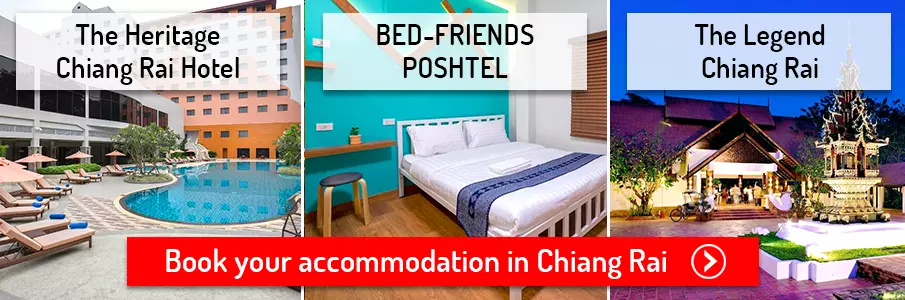
➜ Accommodation in Chiang Rai – Book Here
🏝️ Best Places to Visit & Things to Do in Chiang Rai
- White Temple (Wat Rong Khun) – Chiang Rai’s iconic white temple with spectacular modern architecture.
- Blue Temple – A vibrant Buddhist temple known for its brilliant blue interiors.
- Golden Triangle – Visit the famous border where Thailand, Laos, and Myanmar meet.
- Hill Tribe Villages – Learn about the traditions of Akha, Karen, and other ethnic communities.
- Mae Fah Luang Art & Cultural Park – Beautiful gardens, Lanna art, and cultural exhibitions.
- Doi Tung Royal Villa – Historic royal residence surrounded by mountain gardens.
- Choui Fong Tea Plantation – Scenic tea fields with panoramic viewpoints and cafés.
- Singha Park – A large park perfect for cycling, walking, and family activities.
- Chiang Rai Night Bazaar – Shop for handicrafts and enjoy authentic Northern Thai street food.
- Wat Huay Pla Kang – Home to a giant white Guan Yin statue with panoramic views.
- Clock Tower – Watch the colorful evening light and music show in the city center.
- Baan Dam Museum (Black House) – A unique collection of contemporary art and striking black buildings.
- Wat Phra That Doi Chom Thong – Historic hilltop temple overlooking Chiang Rai.
- Hall of Opium – Learn about the history of the Golden Triangle’s opium trade.
- Hot Springs – Relax in natural mineral pools surrounded by peaceful scenery.
❓ Frequently Asked Questions About Chiang Rai
How can I book tickets or flights to Chiang Rai?
What is Chiang Rai famous for?
Chiang Rai is best known for the White Temple, Blue Temple, Golden Triangle, mountain scenery, and unique Lanna culture.
How do I get to Chiang Rai?
Chiang Rai has an international airport with domestic flights, and is also easily reached by bus or private transfer.
What are the top attractions in Chiang Rai?
Don’t miss the White Temple, Blue Temple, Black House, Golden Triangle, Clock Tower, and Doi Tung.
When is the best time to visit Chiang Rai?
November to February offers the coolest and driest weather for sightseeing and outdoor activities.
Can I visit the Golden Triangle?
Yes. The Golden Triangle is one of the most popular day trips from Chiang Rai, with river cruises and scenic viewpoints.
Can I visit hill tribe villages?
Yes. Several Akha, Karen, Lisu, and other hill tribe villages can be visited on guided or independent trips.
Where can I travel from Chiang Rai?
Popular routes include Chiang Rai to Bangkok and Chiang Rai to Chiang Mai by flight, bus, or private transfer.
What souvenirs should I buy in Thailand?
Find the best ideas in What to Bring from Thailand.
Is Thailand expensive to travel?
Thailand is generally affordable. Read more in Prices in Thailand.
What currency is used in Thailand?
Thailand uses the Thai Baht (THB). Learn more in Money & Currency in Thailand.
What is Thai cuisine like?
Thai food is famous for its balance of sweet, sour, salty, and spicy flavors. See our Thai Food & Cuisine Guide.
BOOK a TOUR / TRIP in Chiang Rai ➜


Chiang Mai – Travel Guide|Koh Kood – Travel Guide|Koh Chang – Travel Guide|Pattaya – Travel Guide|Ayutthaya – Travel Guide|Vientiane – Laos