ℹ️ Information about Ha Giang
👲 Ethnic markets in Ha Giang
📝 Travel permit Ha Giang
🚍 How to get to Ha Giang
🛵 Rent a motorbike in Ha Giang
☀️ Weather in Ha Giang
🏡 Accommodation in Ha Giang
🔍 Best Places in Ha Giang
📍 Map of interesting places
🎫 Book a tour in Vietnam
🎫 Book Ticket to Ha Giang
Dramatic landscape
Mountains, valleys, and limestone peaks are among the most beautiful in Vietnam
Ha Giang Loop
A multi-day motorbike trip through mountain passes and remote areas
Viewpoints and villages
Stops at scenic viewpoints and visits to ethnic villages
Challenging terrain
Mountain roads and basic conditions in remote areas
Quick answer: Ha Giang is Vietnam’s northernmost mountainous province, famous for its dramatic karst landscapes, deep ethnic diversity, and rugged terrain. With a population of over 900,000 people from nearly 20 ethnic groups, it’s a remote and culturally rich destination that’s increasingly popular for eco‑tourism and adventure travel.
At a glance:
- 📍 Location: Northern Vietnam, bordering China.
- 📐 Area: ~7,928 km².
- 👥 Population: ~900,000 (2025 census).
- 👲 Ethnic diversity: ~19 ethnic groups—H’Mong (32 %), Tay (22–23 %), Dao (~15 %), plus many smaller minorities.
- ⛰️ Terrain: Mostly mountainous and karst terrain, including the Dong Van Karst Plateau.
- 🎯 Tourism: Known for the Ha Giang Loop, ethnic markets, cliffside viewpoints, and UNESCO‑recognized landscapes.
- 📈 Growth: In early 2025, the province welcomed 848,000 tourists in just the first three months.
Last updated in March 2026
Ha Giang – an authentic mountain province in northern Vietnam
The province of Ha Giang is one of the most authentic and wildest regions in northern Vietnam. Around 90% of the population consists of ethnic minorities who still preserve their traditional way of life, culture, and customs.
For a long time, the region remained a “hidden gem,” but its popularity is gradually increasing. Despite this, you can still experience raw mountain landscapes, very little mass tourism, and a strong sense of the real Vietnam – just be prepared for more challenging travel conditions.
🏔️ Why visit Ha Giang?
- breathtaking mountain landscapes, passes, and viewpoints
- authentic life of ethnic minority communities
- fewer tourists than in other parts of Vietnam
- the legendary Ha Giang Loop road trip
⚠️ Why skip Ha Giang?
- more difficult transport and limited accessibility
- less comfortable accommodation outside main towns
- long travel distances in mountainous terrain
- not ideal for short or comfort-focused trips
Most travelers start their visit in Ha Giang city and continue further, often by motorbike or local bus, to places like Dong Van or Meo Vac.
Traveling by motorbike is recommended only for experienced riders who are prepared for changing weather, unpredictable roads, challenging terrain, and longer distances. Local buses are also available, but schedules are more limited.
What to see in Ha Giang: scenery, Dong Van Geopark & villages
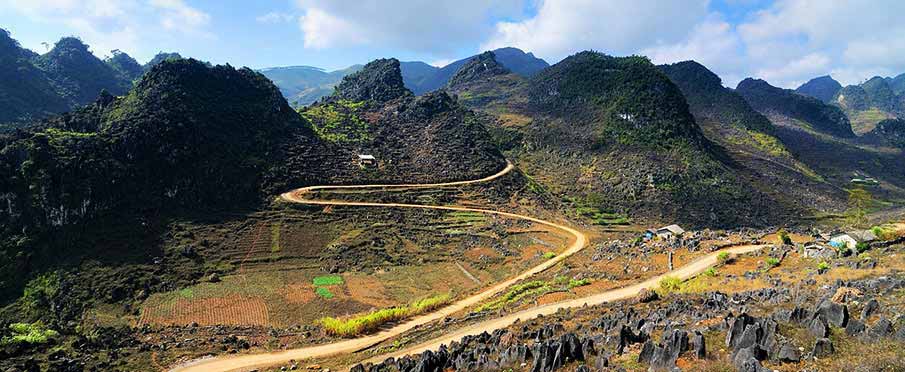
The Ha Giang province offers some of the most dramatic scenery in Vietnam – a combination of high mountains, deep valleys, and traditional villages of ethnic minorities.
- Mountain passes and panoramic viewpoints
- Ethnic minority villages (Hmong, Tay, Dao, Nung…)
- Karst landscapes of northern Vietnam
The main highlight is the Dong Van Karst Global Geopark, a unique UNESCO area with limestone mountains hundreds of millions of years old. The entire region is perfect for a road trip and exploring by motorbike.
Book Your Stay in Ha Giang (Top Deals) ➜
Why Ha Giang is an authentic destination without mass tourism
Ha Giang is one of the least touristy regions in Vietnam and has preserved its original character and atmosphere, partly due to its more challenging accessibility and rugged terrain.
- Unspoiled nature with minimal tourist crowds
- Traditional life of ethnic communities
- Authentic atmosphere of northern Vietnam
Unlike other well-known destinations, you won’t experience overtourism here. Locals are friendly, and the region maintains a natural and peaceful vibe.
Dong Van Karst Geopark: ethnic cultures and mountain landscapes
Dong Van Karst Geopark is one of the most significant areas in northern Vietnam and home to up to 17 ethnic groups. Each of them preserves its own traditions, customs, and way of life, creating an exceptionally diverse cultural environment.
One of the most interesting places is the Lung Cu village, the northernmost point of Vietnam with its iconic flag tower. The area is known not only for its views but also for its local cuisine – you can try corn or honey-based alcohol and the traditional Thang Co soup. A special permit is required to enter this area (see below for details).
🏔️ Geopark at a glance
- UNESCO geopark with karst landscapes
- rock formations hundreds of millions of years old
- elevation approx. 1,000–1,600 m
- ideal for road trips and viewpoints
🌏 Local culture
- home to 17 ethnic groups
- traditional villages and way of life
- local cuisine (e.g. Thang Co)
- authentic atmosphere without crowds
Homestays in Ha Giang: authentic mountain accommodation
Ha Giang province is one of the best places in Vietnam to experience a homestay – accommodation with local families.
This allows you to discover everyday life in mountain villages and enjoy a more authentic experience than in standard hotels.
- stay with ethnic communities in the mountains
- simple but comfortable conditions
- home-cooked Vietnamese food with local ingredients
- peaceful setting away from tourist centers
Homestays can be found throughout the province, especially around Dong Van and Meo Vac, where the landscape is the most impressive.
❱ Rent a motorbike in Vietnam online ❰
Dong Van – Meo Vac route: the most scenic part of the Ha Giang Loop
The section between Dong Van and Meo Vac is considered one of the most beautiful routes in northern Vietnam.
The road and the Ma Pi Leng Pass wind through mountain landscapes at around 1,500 meters above sea level, offering views of deep valleys and limestone peaks.
- winding mountain roads and passes
- panoramic landscape views
- photogenic spots ideal for stops
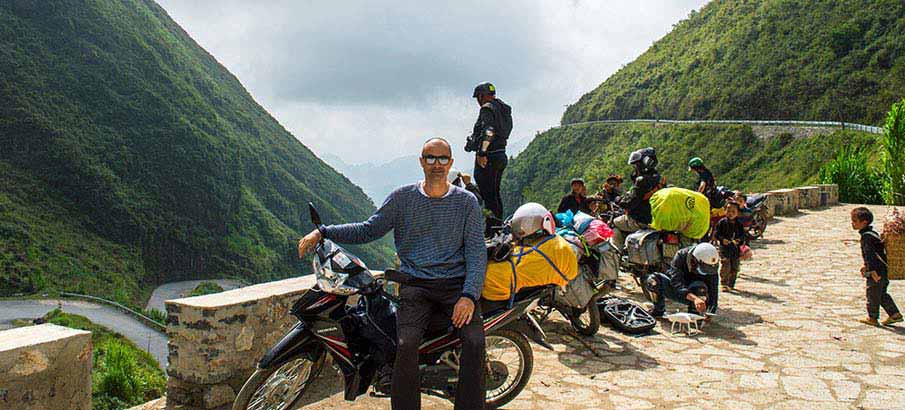
The best way to explore the area is by motorbike – the Ha Giang Loop is one of the most exciting road trips in Vietnam.
If you’re not comfortable riding, you can also join guided motorbike tours with a driver or arrange a private transfer.
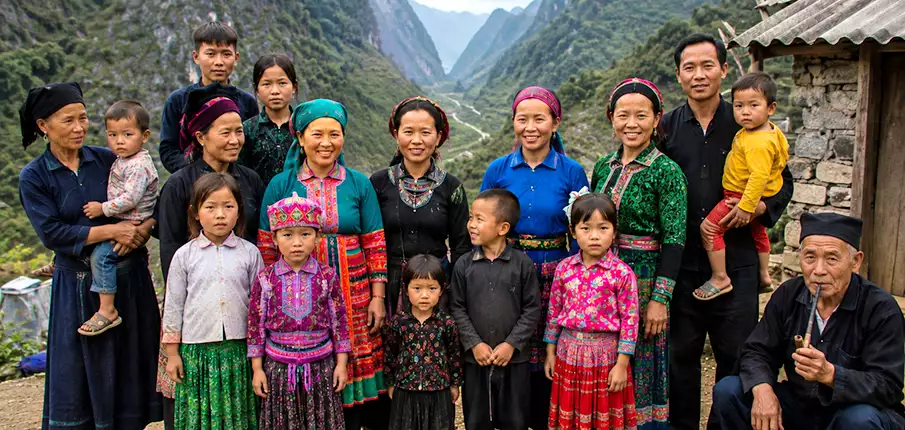
Ha Giang province is one of the most culturally diverse regions in Vietnam. Local communities often live in remote areas, and their daily life has changed very little over generations. Meeting local people is one of the most memorable experiences when traveling in Ha Giang – offering a truly authentic insight into life in northern Vietnam.
On the way to Dong Van or Meo Vac, it’s worth stopping at the Hmong King’s Palace in Sa Phin village. This modest yet important complex belonged to the influential Vuong family and served as both a residence and a defensive fortress.
The palace holds strong historical significance – local communities once allied here with Ho Chi Minh during the fight for independence. Thanks to its location along the main route, it is an ideal stop during the Ha Giang Loop.
Just a few minutes from Dong Van town begins the legendary Ma Pi Leng Pass, one of the most beautiful roads in Vietnam. This mountain route (QL4C) was built between 1959–1965 with the help of thousands of people from ethnic minority groups.
The road winds along steep slopes and offers some of the best views in northern Vietnam. When riding a motorbike, it’s important to drive carefully and be prepared for challenging terrain. It is recommended to avoid this route during heavy rains.
Hoang Su Phi is one of the less visited areas in Ha Giang, yet also one of the most beautiful. You’ll find vast rice terraces, mountain landscapes, and traditional villages of ethnic minorities. The best way to reach Hoang Su Phi is by motorbike, making it more suitable for adventurous travelers. The area is located about 80 km from Ha Giang city, but the journey is slow and winding (around 3–4 hours). In the area, you’ll find simple hotels (Nha Nghi) as well as traditional homestays, with generally low prices. The region is home to around 11 ethnic groups (e.g. Hmong, Tay, Dao, Nung). While traveling through Ha Giang, you will pass several mountain passes – the most famous include Ma Pi Leng and Tham Ma, but also Chin Khoanh, known as the “Nine Turns Pass.” This section lies about 40 km north of Yen Minh town and is one of the most interesting roads in the region.
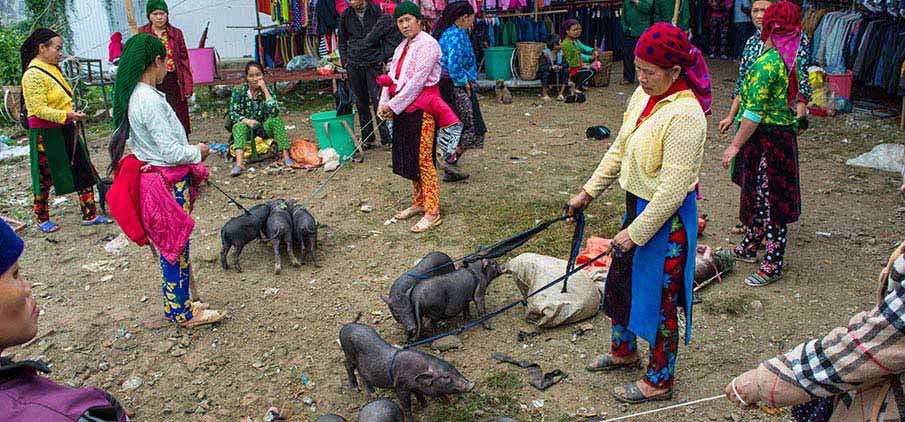
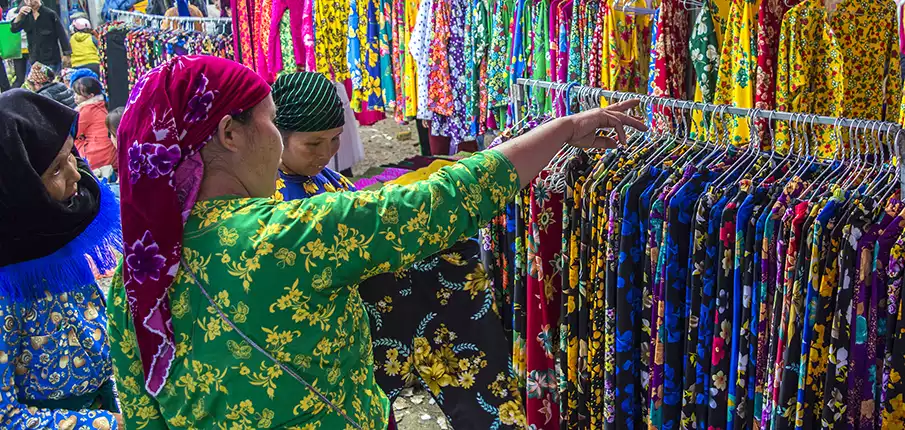
The town of Yen Minh is an ideal stop along the route – you’ll find restaurants, shops, and accommodation options. There are many traditional ethnic markets held across Ha Giang province, ranging from small local markets to large regional ones. The busiest days are weekends (Saturday and Sunday), although some markets also take place during the week.
These markets are a great opportunity to see ethnic minorities in traditional clothing, often traveling long distances to attend. The main goods traded include textiles, food, and livestock.
Visiting these markets is one of the most authentic experiences in Ha Giang, offering a unique insight into local culture and daily life. You can also buy local specialties and handmade products directly from local people.
To enter some remote border areas in Ha Giang province, a special permit is required.
The permit can be obtained at the Ha Giang police station (Nguyễn Trãi). The process is simple – fill out a form, pay the fee, and receive a paper permit.
The permit may be required especially in remote border areas of Ha Giang province:
If you plan to visit these areas (e.g. during the Ha Giang Loop), it is recommended to have the permit. However, some travelers pass through without it at their own risk. Some hotels or motorbike rental shops can arrange it for you on-site for a small fee.
Ethnic minorities in Ha Giang: traditional life and mountain culture
It is home to many ethnic minorities who have preserved their traditions, language, and way of life to this day.
🌏 Interesting facts about minorities
💡 Travel tips
Typical features include simple homes, agriculture, and strong family connections.
Hmong King’s Palace in Sa Phin: a historic landmark in Ha Giang
Today, it is open to visitors and offers a fascinating insight into the history and culture of the Ha Giang region.
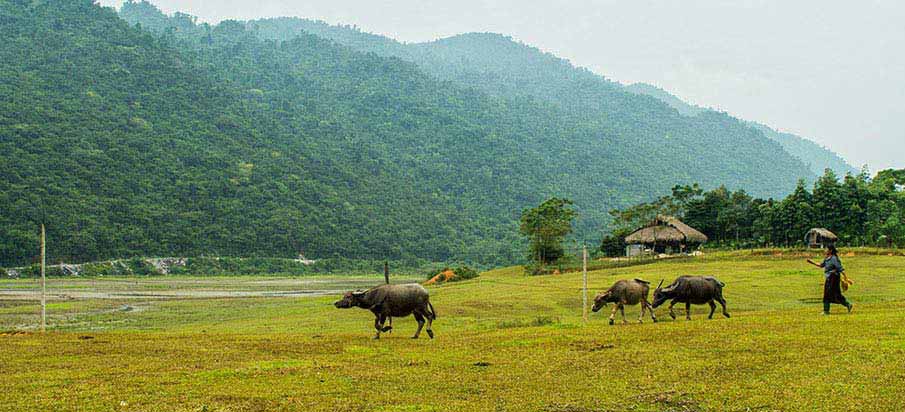
Ma Pi Leng Pass: the most scenic mountain road in Ha Giang
👉 Where to stay in Dong Van: top-rated hotels and homestays
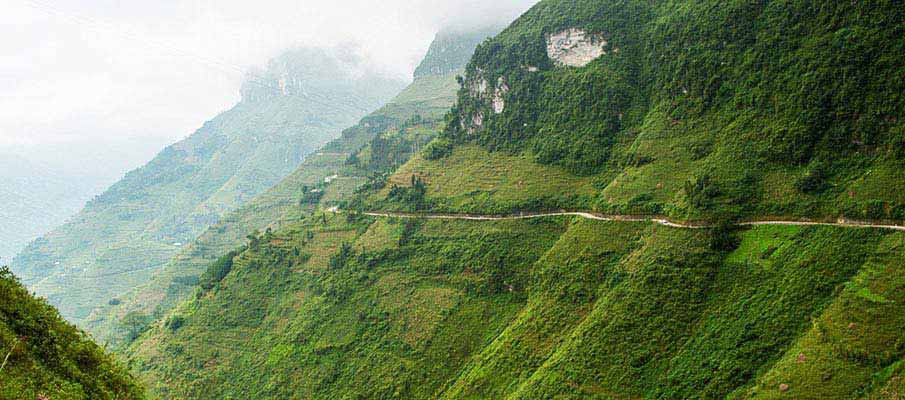
Hoang Su Phi: rice terraces and remote nature in Ha Giang
It’s best to plan at least 2 days to fully enjoy the region.🛵 Motorbike (Ha Giang Loop)
🚐 Car / Easy Rider / Tours
Accommodation and practical info about Hoang Su Phi
Services are more limited, but the experience is more authentic.
Hoang Su Phi sits at an elevation of around 1,000 m, and the climate is similar to Sapa – cooler and more variable.
Chin Khoanh Pass (Nine Turns): a winding mountain road in Ha Giang
It’s suitable both for a short break and for an overnight stay during the Ha Giang Loop.
Where to stay in Yen Minh: hotels and homestays

👲 Ethnic markets in Ha Giang:
Market Location
Market Day
Ha Giang (city)
Sunday
Quyet Tien, Quan Ba (Tam Son)
Sunday
Quan Ba
Sunday
Coc Pai
Sunday
Lung Phin
Sunday
Hoang Su Phi
Sunday
Sa Phin
Every 6th day
Pho Cao
Every 6th day
Pho Bang
Every 6th day
Ma Le (Dong Van)
Saturday
Dong Van
Sunday
Khau Vai
Love Market (26–27 of the 3rd lunar month)
Meo Vac
Sunday (largest market)
📜 Ha Giang permit: when you need it and where to get it
🚍 How to get from Hanoi to Ha Giang
There is no train or direct flight from Hanoi to Ha Giang, so road transport is the main option.
Below is an overview of the most common ways to travel, including approximate prices and travel times.
🚌 Bus (most common option)
The cheapest and most widely used way to travel. Modern buses with seats or sleeper berths.
- travel time: approx. 5–6.5 hours
- price: $9–20 per person
- departures: Hanoi city center or Noi Bai Airport
🚗 Private car / taxi
The fastest and most comfortable option with flexible departure and arrival points.
- travel time: approx. 5–6 hours
- price: $100–440 per car
- ideal for groups of travelers
🚆 Train + bus (via Lao Cai)
There is no railway to Ha Giang. You can take a train to Lao Cai and then continue by bus, but the route is time-consuming.
- train Hanoi → Lao Cai: approx. 8 hours
- bus Lao Cai → Ha Giang: approx. 5 hours
- more suitable if you are also visiting Sapa
🏍️ Motorbike (adventure option)
A popular option for experienced riders who want full flexibility and adventure. Ideal if you plan to continue directly on the Ha Giang Loop.
- travel time: approx. 6–7 hours
- international driving permit required
- suitable only for experienced riders


🔄 Other travel routes to and from Ha Giang
Besides traveling from Hanoi, you can also reach or continue from Ha Giang via other popular routes in northern Vietnam.
🚌 Sapa → Ha Giang
A popular route between two mountain regions of northern Vietnam.
- travel time: approx. 7–8 hours
- price: about $11–17 per person
- sleeper or seat buses available
- alternative via Lao Cai (bus transfer)
🚌 Ha Giang → Dong Van
One of the main routes within the Ha Giang Loop with stunning mountain scenery.
- travel time: approx. 5.5–6 hours
- local buses operate daily
- scenic mountain road journey
- best explored by motorbike
➜ Tickets: Baolau
🚐 Ha Giang → Cao Bang
Great option for extending your trip through northern Vietnam.
- travel by bus, minivan or motorbike
- 2 scenic routes: via Dong Van or Bac Me & Bao Lam
- ideal for multi-day road trip
➜ Guide: Travel route details
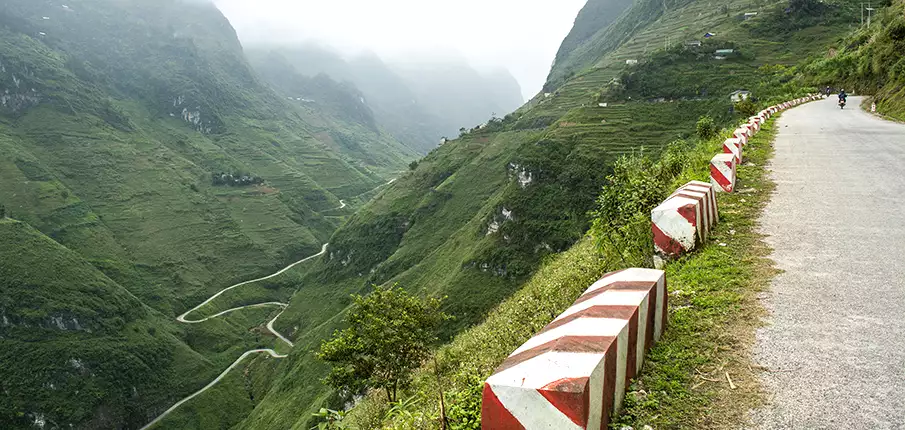
🛵 Where to rent a motorbike in Ha Giang
Many travelers rent a motorbike directly in Ha Giang city and set off on the famous Ha Giang Loop (Dong Van, Meo Vac, Lung Cu). There are plenty of rental shops with a wide selection of bikes.
- price: approx. $6–12 per day
- best choice: semi-automatic 110–125 cc
- return usually in the same city
You can book a motorbike in advance online via Bikesbooking ➜, or use trusted rental companies:
- QT Motorbikes – near the bus station
- Rentabikevn – booking available from Hanoi
Before renting, always check the motorbike, test it, and save the contact details of the rental company.
Protective gear (gloves, pads) is also recommended. More info: motorbike travel in Vietnam
⚠️ Important: Police in the Ha Giang area frequently carry out checks on motorbike riders, especially along the Ha Giang Loop. You must have a valid international driving permit (IDP) that covers the specific type of motorbike you are riding. Without a proper license, you may face on-the-spot fines, be stopped from continuing your journey, or in some cases even have your motorbike temporarily confiscated. Rental companies may also refuse assistance if you are not properly licensed.
⚠️ Important tips before riding the Ha Giang Loop
- ❌ Riding a motorbike without experience (mountain roads are challenging)
- ❌ Traveling during heavy rains (June–August = landslides, poor visibility)
- ❌ Not having an international driving permit (frequent police checks)
- ❌ Underestimating distances – roads are slow and winding
- ❌ Riding in fog or after dark (very limited visibility)
- ❌ Ignoring fuel stops – petrol stations are limited in remote areas
- ❌ Disrespecting local ethnic communities (always ask before photos)
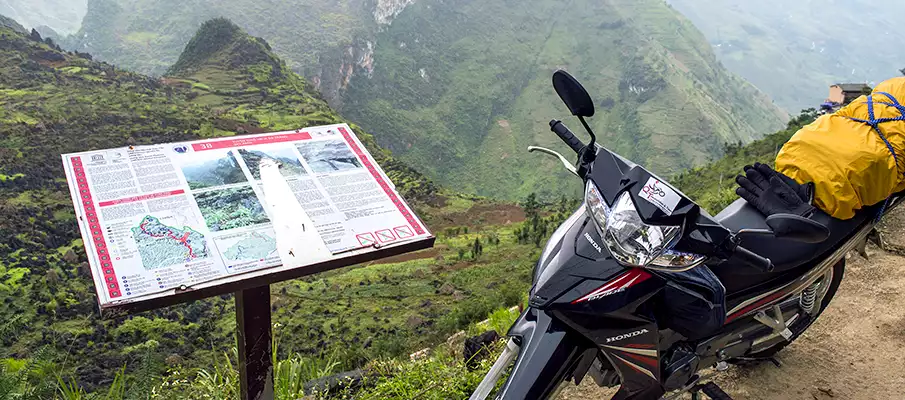
🚶 Looking for a tour or trekking in Ha Giang?
The Ha Giang region is ideal for multi-day trips, trekking, and motorbike loops.
If you prefer not to plan everything yourself, you can join organized tours with local guides.
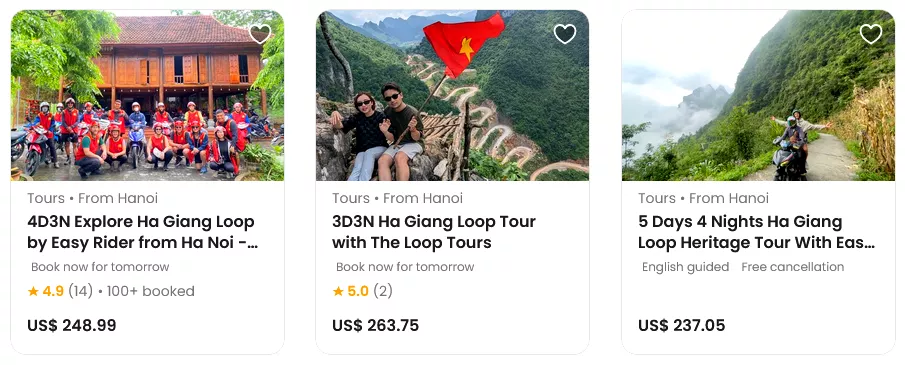
- organized Ha Giang Loop tours
- mountain trekking and village visits
- guided motorbike tours (easy rider)
A recommended platform is KLOOK ➜, where you can find various tours not only in Ha Giang but across Vietnam.
There are also sightseeing tours, attraction tickets, and other activities available in central and southern Vietnam.
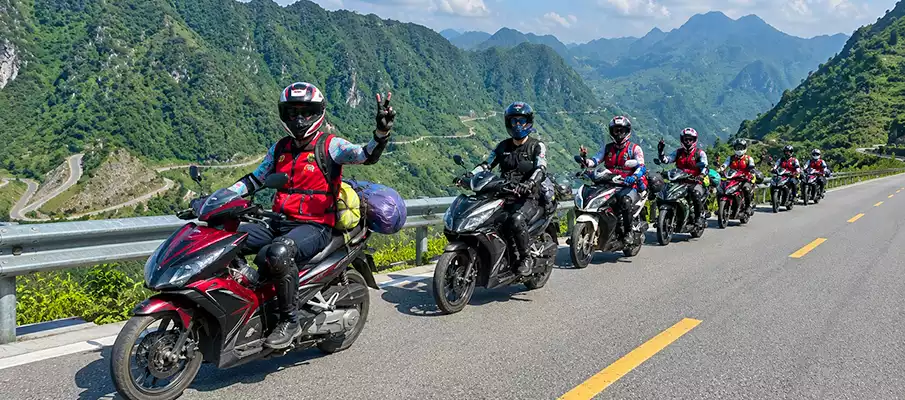
🌤️ Weather in Ha Giang – best time to visit
Weather in Ha Giang is mountainous and changeable. Compared to lowland areas, it is cooler here and conditions can shift quickly. The best time to visit is spring and autumn, when travel conditions and visibility are ideal.
🌸 Spring (March–May)
Pleasant temperatures around 18–28 °C, blooming landscapes, and good visibility.
Ideal for trekking and motorbike trips.
☀️ Summer (June–August)
Warm with higher humidity, frequent rain and fog. The landscape is very green, but some roads may be harder to navigate.
🍂 Autumn (September–November)
The best time to visit Ha Giang. Stable weather, less rain, and beautiful views.
Also ideal for photographing rice terraces.
❄️ Winter (December–February)
Cooler temperatures (5–15 °C), sometimes fog and strong winds. Fewer tourists, but warmer clothing is needed.
💡 What to pack: Due to the mountain climate, bring layered clothing – a light jacket, hoodie or windbreaker,
sturdy shoes, and a raincoat. If you plan to ride a motorbike, gloves and an extra warm layer are useful, especially in the mornings and evenings.
🏡 Accommodation in Ha Giang: Homestays & Hotels
In Ha Giang province, you’ll find a wide range of accommodation – from simple homestays with local families to small hotels in towns. You can stay not only in Ha Giang city, but also along the route in areas such as Dong Van, Meo Vac, Yen Minh, Tam Son, or Hoang Su Phi.
Prices are generally lower than in more touristy destinations like Sapa. Homestays are usually the cheapest option, while hotels in larger towns offer more comfort and better services.
Book Your Stay in Ha Giang (Top Deals) ➜
🏡 Homestays
Authentic accommodation with local families in mountain villages. Simpler conditions, but a great experience and a chance to learn about local culture. Many also offer internet access.
🏨 Hotels & guesthouses
More comfortable accommodation in towns like Ha Giang, Dong Van, or Meo Vac. Ideal for travelers looking for more comfort and facilities. Internet access is standard.
🔍 Best Places to Visit in Ha Giang:
-
- Noong lake (25 km from Ha Giang town)
- Sunday market in Ha Giang town
- Ma Pi Leng Pass – Nho Que river (+skywalk/skypath in Ma Pi Leng)
- Hoang Su Phi, Xin Man
- Thac Tien – Đeo Gio (Fairy waterfall)
- Dong Van Karst Plateau Geopark
- Tam Son town (Quan Ba District)
- Lung Khuy Cave (7 km from the town of Tam Son)
- Thien Phuong cave (7 km from the city)
- Lung Cu Flag Tower (Lung Cu + Lo Lo Chai villages)
- Dong Van ancient town + Đồn Cao viewpoint
- Meo Vac town
- Yen Minh (Tham Ma Pass)
- Chín Khoanh Pass/ramp (dốc Chín Khoanh)
- The Palace of the Hmong King’s in Sá Phin
- Khau Vai love market (once per year)
- Sunday market in Meo Vac, Dong Van, Yen Minh…
- Male market in Dong Van
- Ethnic minority villages (Pho Cao, Pho Bang, Sung La, Lung Cu…)
- Tea House of BaiYue Tribe
- Chiêu Lầu Thi (Floor Thi Chieu) mountain (2402m)
- Tay Con Linh (Tây Côn Lĩnh, 2427m) – the highest mountain in Ha Giang province
📍 Ha Giang Loop Route Map: Best Stops & Travel Tips:
❓ Frequently Asked Questions about Ha Giang:
How to book bus tickets or a private car from Hanoi to Ha Giang?
What is the travel time from Hanoi to Ha Giang?
Travel by bus or minivan takes about 6–8 hours, while a private car usually takes 5–7 hours depending on traffic and road conditions.
How to book a tour or motorbike trip in Ha Giang?
You can book organized tours, trekking or motorbike loops online via KLOOK, which offers a wide range of experiences across Vietnam.
How much does it cost to travel from Hanoi to Ha Giang?
Bus or minivan tickets usually cost around $9–20 per person, while private cars range from $120–215 per vehicle depending on the type and group size.
How to get around Ha Giang province?
The most popular way is to rent a motorbike and explore the Ha Giang Loop; you can book one online via Bikesbooking, but you should have an international driving permit and ride carefully on mountain roads.
How far is Ha Giang from Hanoi?
The distance from Hanoi to Ha Giang town is approximately 300 km by road.
What are the main transport options to reach Ha Giang?
The most common options are buses, minivans or private cars from Hanoi, and you can also take an overnight bus for convenience.
When is the best time to visit Ha Giang?
The best time to visit is from September to November for clear weather and golden rice terraces, while October is also popular for the blooming buckwheat flowers.
What are the top attractions in Ha Giang?
Top attractions include Dong Van Karst Plateau Geopark, Ma Pi Leng Pass, Nho Que River and traditional ethnic villages such as Meo Vac or Lung Cu.
What activities can you do in Ha Giang?
You can enjoy motorbike road trips, trekking, visiting ethnic villages and markets, and exploring stunning mountain landscapes.
Is Ha Giang suitable for solo travel?
Yes, Ha Giang is great for solo travelers seeking adventure and authentic experiences, whether traveling independently or with guided tours.
Book tickets / car to Ha Giang ➜
➡️ Where to go from Ha Giang:
You can continue to Dong Van, Meo Vac (the northernmost places in Vietnam), Bac Ha, Sapa, Cao Bang.