

ℹ️ Palace Information
🏛️ History + Architecture
🚍 How to Get There
☀️ Weather + Best Time
🏡 Homestays + Hotels
📍 Map + Route
🎫 Tickets to Ha Giang
Quick answer: The Palace of the Hmong Kings, also called Dinh Vua Mèo, is a historic residence in Sa Phin village. Built between 1898 and 1907, it blends Hmong, Chinese and French architecture. It is a worthwhile cultural stop on the Ha Giang Loop, between Dong Van and Lung Cu.
At a glance:
- 📍 Location: Sa Phin village, Tuyen Quang Province, in northern Vietnam.
- 🏛️ History: Built between 1898 and 1907 for Hmong leader Vuong Chinh Duc and his family.
- 🧱 Architecture: A distinctive blend of Hmong, Chinese and French influences.
- 💰 Entrance fee: Around 20,000 VND per adult; check the current price locally.
- 🕰️ Opening hours: Generally open daily from 7:30 AM to 5:00 PM.
- 🛵 Getting there: Visit by motorbike, Easy Rider tour or private car along the Ha Giang Loop.
- ⏱️ Visit duration: Allow around 45–90 minutes to explore the historic palace and courtyards.
Last updated in October 2026
The Palace of the Hmong Kings – Why Visit?
The Palace of the Hmong Kings is a notable historical attraction in northern Vietnam. Located in Sa Phin village, in the former Ha Giang Province, it is closely linked to the Vuong family and Hmong history.
The palace is a worthwhile stop beyond the region’s mountain roads and viewpoints. Its historic buildings, courtyards and distinctive architecture offer a glimpse into the life of a powerful local family in the early 20th century. You can also combine the visit with Dong Van Ancient Town and nearby attractions.
🏛️ Why Visit?
- Historic residence of the Vuong family
- Distinctive Hmong, Chinese and French influences
- Traditional courtyards and wooden interiors
- Insight into Hmong history and culture
- Easy to combine with the Ha Giang Loop
⚠️ Why Not Visit?
- Not a large attraction with extensive activities
- Some rooms and displays may be relatively simple
- Can be busy when tour groups arrive
- Rain can make the surrounding roads more difficult
- Less appealing if you are only interested in mountain scenery
⭐ Is the Hmong Royal Palace Worth Visiting?
Yes, especially if you enjoy history, architecture and local culture. The palace does not require a full day, but it adds an interesting cultural dimension to the Ha Giang Loop. It is best visited together with Dong Van, Lung Cu or other nearby attractions rather than as a separate trip from Hanoi.

History and Architecture of the Hmong Royal Palace
The palace was built for Vuong Chinh Duc, a prominent Hmong leader who became known as the Hmong King. Construction began in 1898 and was completed in 1907, according to the current provincial tourism information. His son, Vuong Chi Thanh, later continued the family’s role in the region.
The complex was designed as both a residence and a fortified compound. Its architecture combines elements associated with Chinese courtyard buildings with local Hmong traditions and French influences. Stone walls, wooden structures, tiled roofs and carved details give the palace its distinctive appearance.
🧱 Stone Walls
The substantial stone walls and entrance structures helped protect the residence and define the palace complex.
🪵 Wooden Buildings
Wooden floors, pillars, doors and interior details are important features of the historic buildings.
🏯 Courtyard Layout
The buildings are arranged around courtyards, creating a traditional compound rather than a single palace building.
The complex covers more than 1,000 square metres and is commonly described as having 64 rooms. It was recognized as a national architectural and artistic heritage site in 1993. Today, visitors can walk through accessible parts of the residence and see its architectural features and historic displays.

Best Things to See at the Palace of the Hmong Kings
The palace is relatively compact, so you can explore it at a relaxed pace. Take time to look at the entrance, courtyards, wooden details and the arrangement of the different buildings.
🚪 Explore the Entrance
Start at the entrance gate and look at the stone construction and traditional architectural details around the main access.
🏘️ Walk Through the Courtyards
Explore the central courtyards and see how the different buildings fit together within the palace complex.
🪵 Notice the Details
Look for wooden pillars, traditional doors, roof tiles and decorative elements that reflect the palace’s mixed architectural influences.
📸 Take Photos
The entrance, courtyards and old buildings provide good opportunities for photographs. Follow any restrictions inside the historic rooms.
💡 Travel Tip
Visit in the morning or later in the afternoon if you prefer a quieter experience. If a tour group arrives, explore another part of the complex and return to the busier rooms later.

How to Get to the Palace of the Hmong Kings
The palace is in Sa Phin village, in the northern mountain region formerly known as Ha Giang Province. It is often visited on the route between Dong Van and other attractions in the area. The distance is commonly described as around 15–25 km from Dong Van, depending on the starting point and route.
🚌 From Hanoi to Ha Giang
Take a tourist bus, minivan or private car to Ha Giang City. Most travelers use the city as a starting point for exploring the mountain region.
🛵 From Ha Giang to Dong Van
Continue through the mountain roads by motorbike, private car or arranged tour. The journey itself is one of the highlights of the Ha Giang Loop.
🚗 From Dong Van to Sa Phin
Follow the main road towards Sa Phin village. You can reach the palace by motorbike, taxi, private car or as part of a guided tour.
There is no direct train or flight to Ha Giang. If you are traveling independently, make sure you have enough time for the mountain roads and check the weather before setting off. If you do not want to ride a motorbike yourself, an Easy Rider or private car is a convenient alternative.
Book Bus Tickets from Hanoi to Ha Giang ➜
💡 Travel Tip
Plan the palace as one stop on your Ha Giang Loop itinerary. It works well with Dong Van Ancient Town, Lung Cu Flag Tower and other northern attractions, so you can explore several places without making a separate journey just for the palace.
Weather in Ha Giang – When Is the Best Time to Visit?
The palace can be visited throughout the year, but the weather affects the wider journey through the mountains. Spring and autumn are often comfortable for sightseeing and road trips, while summer can bring heavy rain and winter can be cold and foggy.
🌸 Spring (March–May)
Generally pleasant for exploring the palace and surrounding mountains. Mornings can be cool, so bring a light jacket.
☀️ Summer (June–August)
Warm and often wet, with rain and thunderstorms that can affect visibility and mountain-road conditions.
🍂 Autumn (September–November)
Often one of the best periods for exploring the region, with cooler weather and generally more comfortable conditions for a road trip.
❄️ Winter (December–February)
Temperatures can be low, especially in the mornings and evenings. Fog and cloudy periods may reduce mountain views.
For seasonal conditions, average temperatures, rainfall and the best time to visit, see our detailed guide to weather in Ha Giang. It will help you plan your trip and prepare for changing mountain weather along the Ha Giang Loop.
💡 Travel Tip
If you are riding a motorbike in Vietnam, check road and weather conditions before leaving. Heavy rain, fog and slippery surfaces can make mountain roads more difficult, even if the palace itself remains open.

Accommodation Near the Palace – Where to Stay
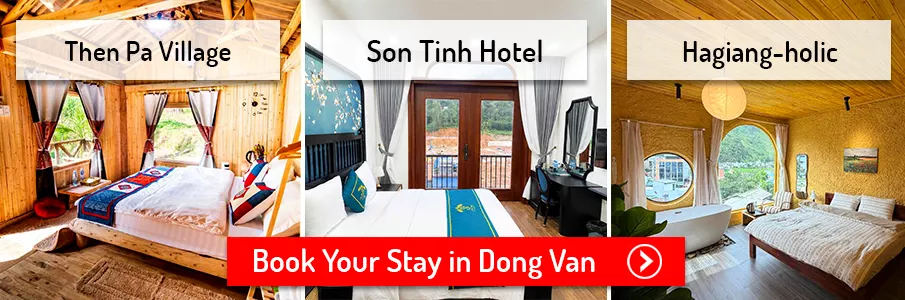
Dong Van Town is a practical base for visiting the Palace of the Hmong Kings and exploring the northern part of the Ha Giang Loop. It has hotels, guesthouses and homestays, as well as restaurants and cafés. Staying nearby also makes it easier to visit Lung Cu and continue towards Ma Pi Leng Pass the next day.
Find Accommodation in Ha Giang ➜
🏨 Hotels in Dong Van
Small hotels around the town center are convenient for travelers who want restaurants, cafés and the Old Quarter within walking distance.
🏡 Homestays
Local homestays offer a more personal experience, often with local hospitality, traditional-style rooms and home-cooked meals.
🛏️ Guesthouses
Simple guesthouses are a practical option for travelers on a budget who need a comfortable overnight stop along the Ha Giang Loop.
🌿 Rural Stays
Accommodation outside Dong Van offers a quieter setting closer to the villages and mountain scenery, although transport options may be more limited.
Check availability ➜
Check availability ➜
Check availability ➜
💡 Good to know: Stay in Dong Van if you want to explore the Old Quarter and visit the palace, Lung Cu and nearby attractions. If you are following the Ha Giang Loop in the opposite direction, Meo Vac may be a more convenient overnight stop. Booking ahead is recommended during busy weekends and peak travel periods.
❓ The Palace of the Hmong Kings: FAQs & Travel Tips
Where is the Palace of the Hmong Kings located?
It is located in Sa Phin village, Tuyen Quang Province, formerly Ha Giang Province, near Dong Van.
When was the Palace of the Hmong Kings built?
Construction began in 1898 and finished in 1907; the palace became a national heritage site in 1993.
Who lived in the Hmong Royal Palace?
It was built for Hmong leader Vuong Chinh Duc, and his son Vuong Chi Thanh later continued the family’s regional role.
How much is the entrance fee?
Admission costs approximately 20,000 VND per adult, while children under 1.2 metres can enter free; confirm locally.
What are the opening hours?
The palace generally opens daily from 7:30 AM to 5:00 PM, but hours may vary on public holidays.
How long do you need to visit the palace?
Allow 45–90 minutes to explore the historic buildings, courtyards and architectural details.
How do you get to the palace from Dong Van?
Travel from Dong Van to Sa Phin by motorbike, taxi, private car or guided tour along the Ha Giang Loop.
What is the best time to visit the palace?
Spring and autumn are comfortable seasons to visit; check the latest weather in Ha Giang before traveling.
Can you combine the palace with Lung Cu Flag Tower?
Yes, combine it with the Lung Cu Flag Tower and Dong Van, allowing time for mountain roads and sightseeing.
Where should you stay when visiting the palace?
Dong Van Town offers hotels, guesthouses, homestays and restaurants, with convenient access to nearby attractions.
Is the Palace of the Hmong Kings worth visiting?
Yes, it offers an interesting glimpse into local history and architecture during a trip through northern Vietnam.
What should visitors know about local culture?
Respect the heritage site, follow local rules and ask permission before photographing people; learn more in our guide to Vietnamese culture.

📍 Map and Route to the Palace of the Hmong Kings
The palace is located in Sa Phin village, within the Dong Van Karst Plateau area. It is usually visited by road from Dong Van or as part of the Ha Giang Loop. Use the map below to plan your route and check local road conditions before setting off.

📸 The Palace of the Hmong Kings in Sa Phin – Photos


Hospital Cave in Cat Ba|Saigon to Con Dao|Tram Ton Pass in Sapa|Pac Bo in Cao Bang|Thang Hen Lake|Bich Dong Pagoda|Muong Hoa Valley