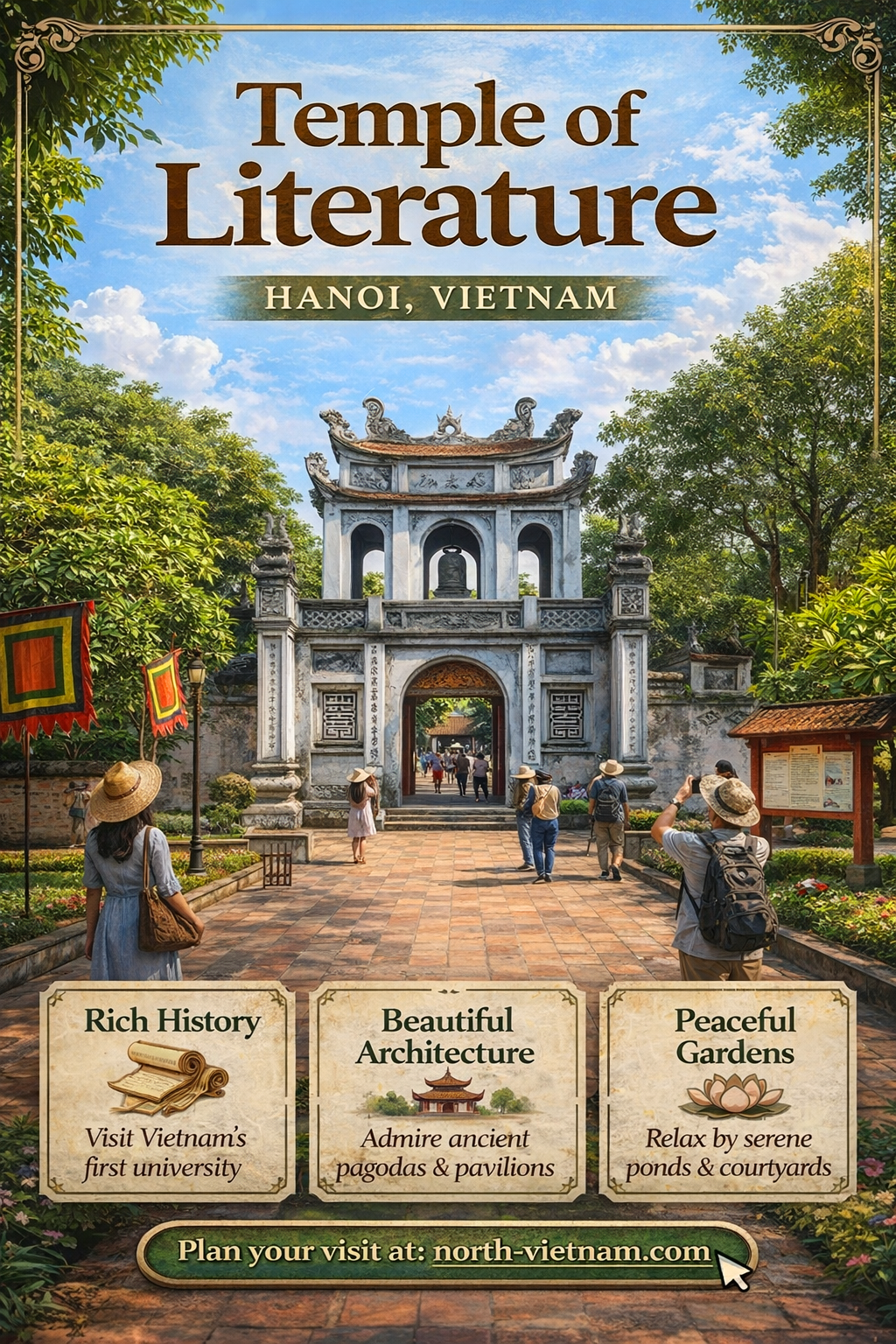
Quick answer: The Temple of Literature (Văn Miếu) in Hanoi is Vietnam’s first national university and a stunning tribute to Confucius and scholarly tradition. With five peaceful courtyards, carved stone steles, and the iconic Khuê Văn Pavilion, it’s a serene spot full of history, learning, and architectural beauty.
At a glance:
- 📍 Location: 58 Quốc Tử Giám Street, Đống Đa, Hanoi.
- 📚 History: Founded in 1070 by Emperor Lý Thánh Tông; became first national university (Quốc Tử Giám) in 1076.
- ⛩️ Layout: Five courtyards — includes the Khue Văn Pavilion and the Well of Heavenly Clarity.
- 📜 Steles: 82 stone tortoise steles list names of top scholars from historic royal exams.
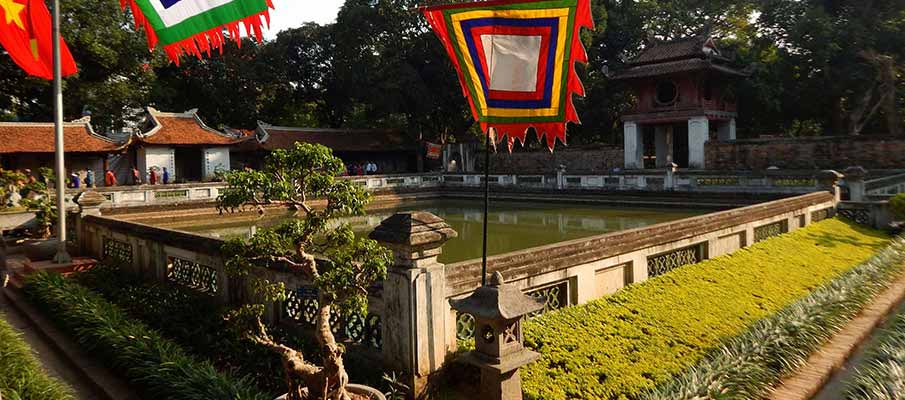
- 🌿 Garden & Lake: The complex includes Văn Lake and Giám Garden, offering quiet green space.
- 🧱 Architecture: Traditional Vietnamese design inspired by Confucian temples, with symbolic gates and courtyards.
Last updated in November 2025
Temple of Literature as one of the most important monument in Hanoi.
-
- The Temple of Literature, also known as Van Mieu, is a significant historical and cultural landmark in Hanoi, Vietnam. It was built in 1070 during the reign of Emperor Ly Thanh Tong as the country’s first national university, dedicated to Confucius and his disciples. It is a part of the Old Quarter of Hanoi.
-
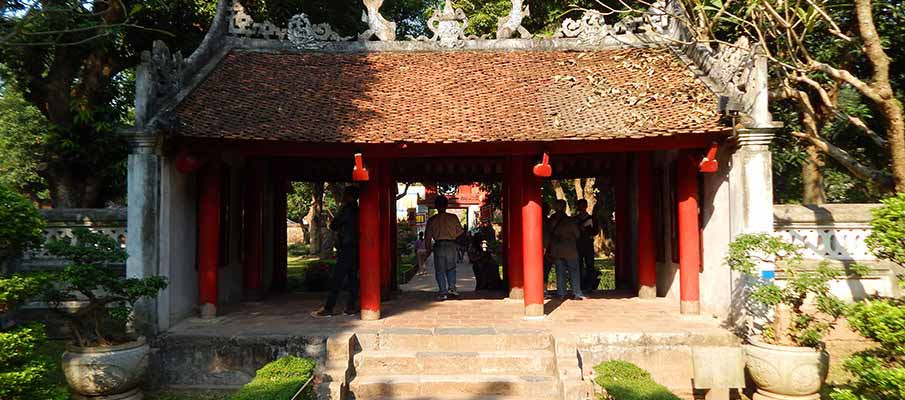
- The Temple of Literature comprises five courtyards, each containing different structures and features. The first courtyard, called the Great Middle Gate, is a large entrance area that leads to the second courtyard, which houses a spacious garden and a pond with a statue of Confucius.
BOOK a TOUR / ACTIVITY in Hanoi ➜

Temple of Literature in Hanoi was founded almost 1 000 years ago.
-
- The third courtyard is home to the Khue Van Pavilion, which is often depicted on Vietnam’s currency notes. It was built in 1805 and is considered the most magnificent structure in the temple. The fourth courtyard features 82 stone turtles with inscriptions on their shells, which were used to honor the top students of royal exams in ancient times.
-
- Finally, the fifth courtyard houses the Thai Hoc House, which was constructed in 1805 and served as a library and a place for students to study. It now functions as a museum, showcasing artifacts and documents related to Vietnam’s education system and its cultural history.
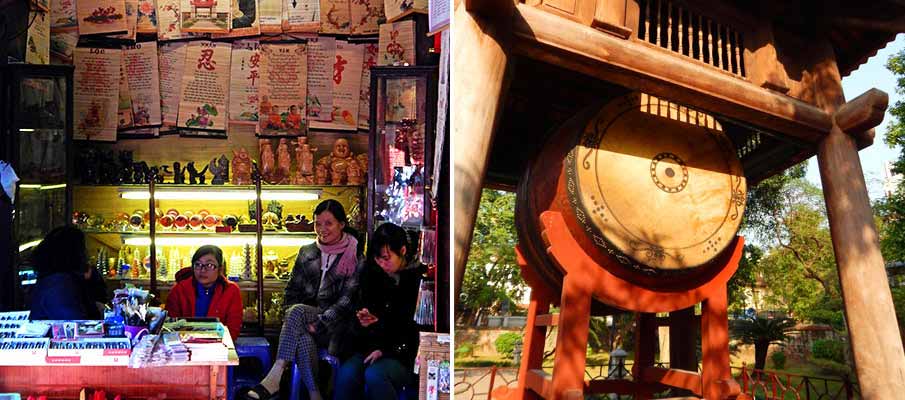
Relax here and soak up the historic atmosphere of the place.
-
- Visitors to the Temple of Literature can immerse themselves in the tranquil atmosphere and admire the architecture and ancient artifacts. The temple has become a popular destination for tourists and locals alike, especially during the Vietnamese New Year, when many people come to pray for good luck and success in their studies.
-
- Overall, the Temple of Literature is a testament to Vietnam’s rich cultural heritage and its dedication to education and scholarship. It remains an important symbol of the country’s history and values, and a must-see destination for anyone visiting Hanoi.
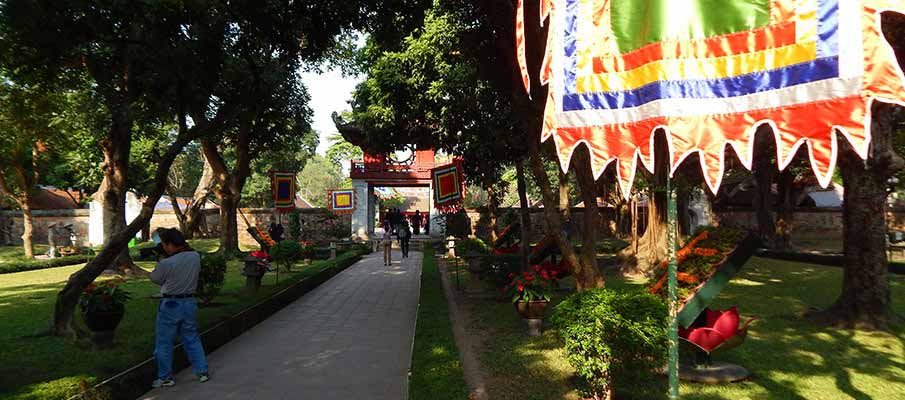
Temple of literature is a beautiful historical and peacul place to visit.
The Temple of Literature is not only a historically significant site but also a beautiful and peaceful place to visit. Here are some reasons why you should consider visiting:
-
- Learn about Vietnamese history and culture: The Temple of Literature is one of the best places to learn about Vietnam’s cultural and educational history. You can explore the various courtyards and pavilions to gain insight into the country’s past and present.
-
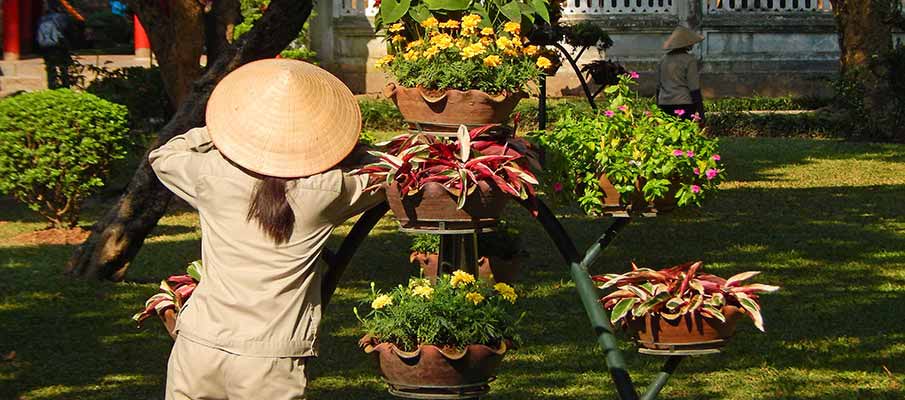
- Enjoy the architecture and natural beauty: The temple is a perfect example of traditional Vietnamese architecture, with its beautiful courtyards, pavilions, and gardens. It also boasts a serene and peaceful atmosphere, making it an ideal place to relax and unwind.
-
- Take stunning photos: The temple’s colorful buildings, statues, and gardens provide excellent photo opportunities, especially during the spring when the cherry blossoms bloom.
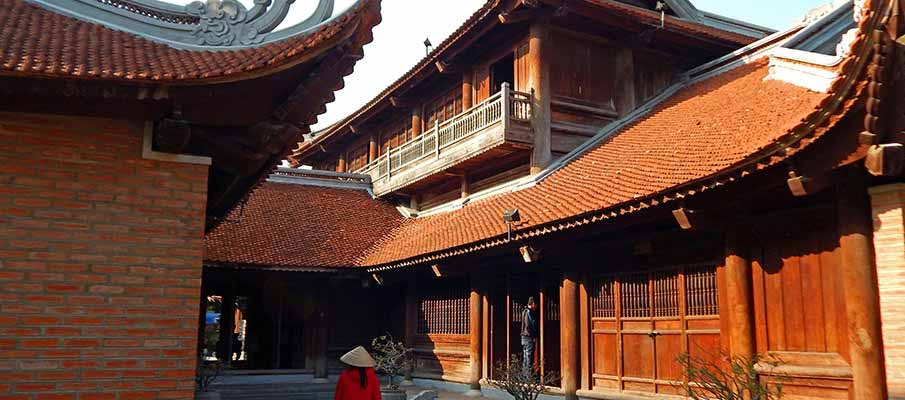
Temple of Literature is a beautiful historical and peacul place to visit.
Getting to the Temple of Literature is easy as it is located in the heart of Hanoi. If you are walking to the Temple of Literature, you can also go to Ho Chi Minh Mausoleum, it is close from this site. Here are some transportation options:
-
- Walking: If you’re staying in the Old Quarter, it’s only a 15-20 minute walk to the temple.
-
- Taxi or Grab: Taxis and Grab are readily available in Hanoi, and it should cost around VND 50,000-100,000 (US$2-4) to get to the temple.
-
- Public transportation: You can take a bus to the temple, with the nearest bus stop located on Quoc Tu Giam street.
The length of your visit to the temple depends on your interests and how much you want to explore. It’s recommended to set aside at least 1-2 hours to fully appreciate the site’s beauty and historical significance. You may also want to consider joining a guided tour to learn more about the temple and its significance. You can also go to Vietnam Military History Museum, it is only about 1 km from Temple of Literature.
Useful information about the Temple of Literature in Hanoi:
-
- Opening hours: The temple is open from 8:00 am to 6:00 pm daily, except during the Tet holiday when it may have reduced hours.
-
- Admission fee: The entrance fee for adults is VND 30,000 (approximately US$1.3) and VND 15,000 (approximately US$0.65) for children under 15 years old. If you’re a student or senior citizen, you can enjoy a discounted rate of VND 15,000.
-
- Dress code: As the temple is a place of cultural and religious significance, visitors are expected to dress modestly and respectfully. This means covering your shoulders and knees and avoiding revealing clothing.
-
- Guided tours: If you want to learn more about the temple’s history and significance, you can join a guided tour. Many tour operators in Hanoi offer half-day or full-day tours that include a visit to the Temple of Literature.
-
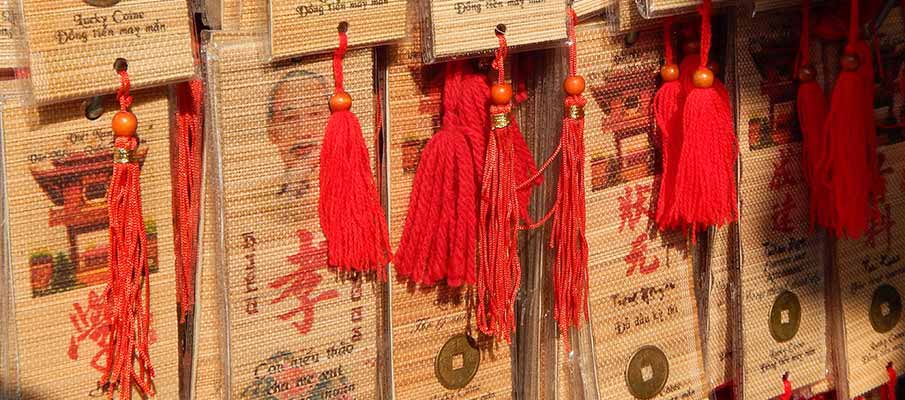
- Souvenirs: There are several souvenir shops within the temple complex where you can buy traditional Vietnamese handicrafts, artwork, and other souvenirs.
-
- Other nearby attractions: The Temple of Literature is located in the Dong Da district, which is home to other interesting attractions such as the Vietnam Military History Museum, the Ho Chi Minh Museum, and the Dong Da Cultural Park.
-
- Best time to visit: The temple is beautiful all year round, but the best time to visit is during the spring (February to April) when the cherry blossoms bloom. However, this is also peak tourist season, so expect larger crowds during this time. You can also read: Weather in Hanoi.
-
- What you can also visit: If you are going to Temple of Literature from southern part of Hoan Kiem Lake, you can also visit Hoa Lo Prison Museum, it is about 600m from the lake.
Name in Vietnamese:
Văn Miếu – Quốc Tử Giám
Official website:
www.vanmieu.gov.vn
Overall, the Temple of Literature is a must-visit destination in Hanoi for anyone interested in Vietnamese culture and history. With its beautiful architecture, peaceful atmosphere, and rich historical significance, it’s no wonder it’s one of the most popular tourist attractions in the city.
Traditional vietnamese music in the Temple of Literature:
Photos from the Temple of Literature (Van Mieu):
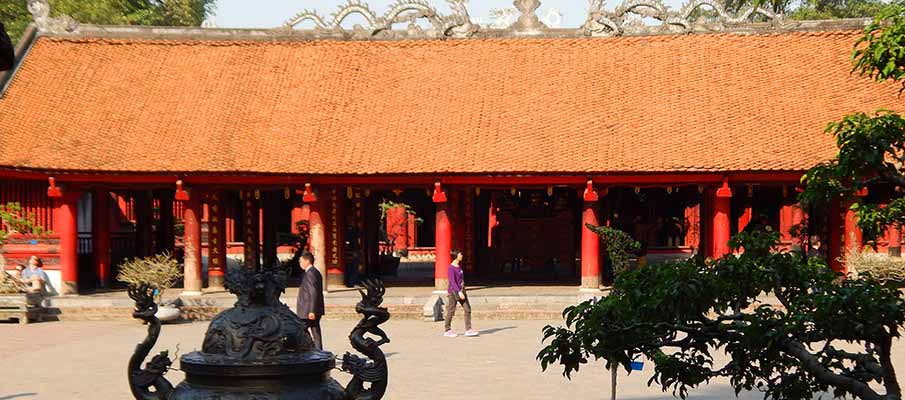
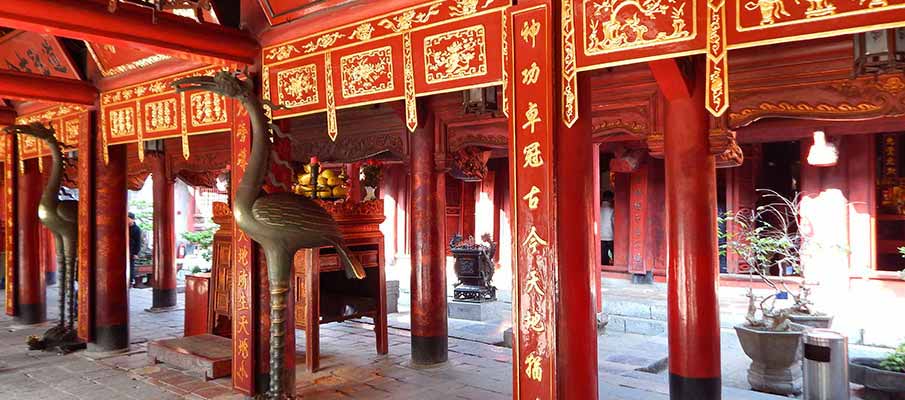
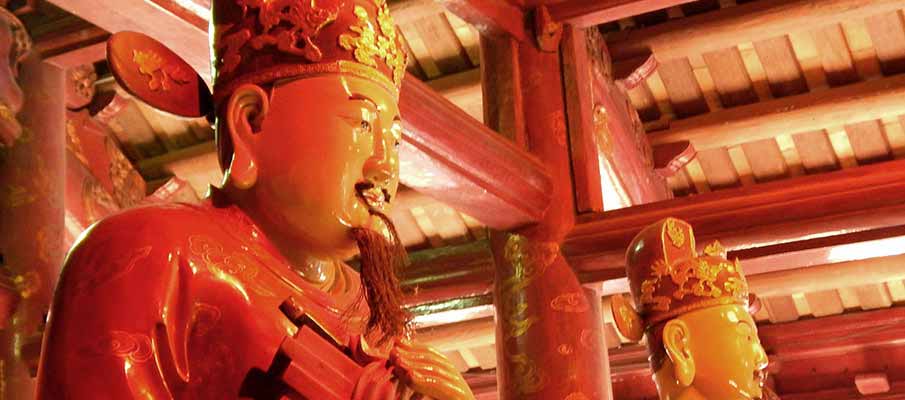
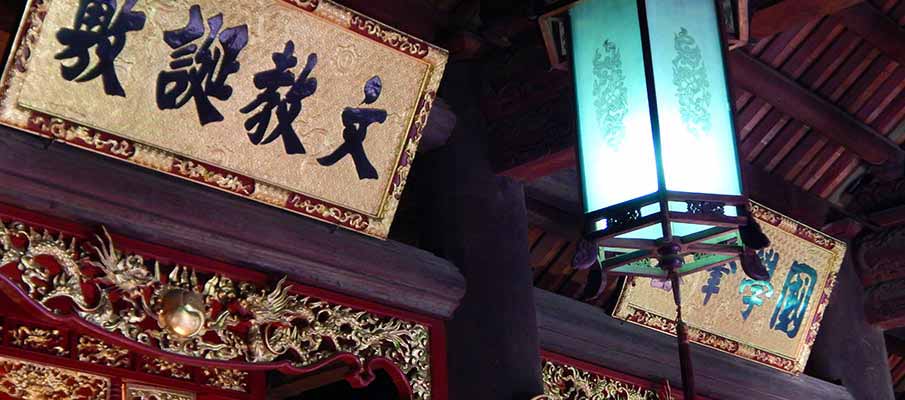
❓ Temple of Literature: FAQ, Tickets & Visitor Tips
When was the Temple of Literature built?
The Temple of Literature was founded in 1070 and became Vietnam’s first national university.
Why is the Temple of Literature important?
It honors Confucius and symbolizes Vietnam’s long tradition of education, scholarship and culture.
How long does a visit take?
Most visitors spend 1–2 hours exploring the courtyards, gardens and historic buildings.
What should you wear when visiting?
Wear modest clothing covering your shoulders and knees, and comfortable walking shoes.
Can you take photos inside?
Yes. Photography is allowed as long as you respect the historic site and other visitors.
Is there an entrance fee?
Yes. The Temple of Literature charges a small admission fee for visitors.
When is the best time to visit?
Visit early in the morning or during spring and autumn for cooler weather and fewer crowds.
Are guided tours available?
Yes. Many Hanoi city tours include the Temple of Literature with a local guide.
What are the main highlights inside?
Don’t miss Khue Van Pavilion, the turtle steles, peaceful courtyards and Thai Hoc House.
Is the Temple of Literature open during Tet?
Usually yes, but opening hours may change during the Tet holiday.
Is Vietnam a good destination for solo travelers?
Read our guide to solo travel in Vietnam for practical travel tips.
What should first-time visitors expect from Vietnamese culture?
Learn about local traditions and hospitality in our guide to Vietnamese culture.
BOOK a TOUR / TICKETS in Hanoi ➜