ℹ️ Information about Sapa
🚍 How to get to Sapa
☀️ Weather in Sapa
🏡 Accommodation in Sapa
🔍 Best Places to Visit
📍 Map of interesing sites
🎫 Book a Tour in Sapa
🎫 Book Tickets to Sapa
Mountain scenery & rice terraces
Spectacular mountain landscapes, terraced rice fields and fresh mountain air.
Trekking & villages
Hike through rice terraces and traditional Hmong and Dao villages.
Fansipan & viewpoints
Ride the cable car to Fansipan and enjoy panoramic mountain views.
Busy tourist town
The best scenery and authentic experiences are outside Sapa town.
Quick answer: Sapa is Vietnam’s most famous mountain destination, known for spectacular rice terraces, cool weather and colorful ethnic minority villages. It is also the gateway to Fansipan, the highest mountain in Indochina, making it one of the country’s best places for trekking and nature.
At a glance:
- 📍 Location: Lao Cai Province, northwest Vietnam.
- 👥 Population: ~80,000.
- ⛰️ Elevation: ~1,600 m above sea level.
- 👲 Ethnic groups: Hmong, Dao, Tay, Giay and Xa Pho.
- 🌦️ Climate: Cool year-round with rainy summers and chilly winters.
- 🌄 Highlights: Rice terraces, trekking, Fansipan and ethnic villages.
Last updated in July 2026
Sapa Travel Guide – Trekking, Ethnic Villages & Fansipan
Sapa is Northern Vietnam’s premier mountain destination, famous for spectacular rice terraces, cool mountain air, and authentic ethnic minority communities. Nestled at about 1,600 m above sea level, Sapa is the ideal base for trekking, cultural experiences, and exploring the Hoang Lien Mountains.
🌄 Why visit Sapa?
- Stunning rice terraces and mountain landscapes
- Authentic Hmong, Dao, Tay and Giay culture
- Excellent trekking for every experience level
- Cool climate throughout most of the year
- Gateway to Vietnam’s highest mountain, Fansipan
⚠️ Why skip Sapa?
- Town center can feel heavily commercialized
- Popular attractions become crowded in season
- Fog often hides the mountain scenery
- Cold temperatures during winter months
- Some villages are impacted by mass tourism
This Sapa Travel Guide covers the best trekking routes, attractions, accommodation, transportation, and practical travel tips for visiting one of Vietnam’s most spectacular mountain regions. Responsible travel helps preserve the local culture and the unique landscapes that make Sapa so special.
🏔️ Fansipan – Vietnam’s Highest Mountain
The highlight of every visit is Fansipan Mountain (3,143 m), located in Hoang Lien National Park. Adventurous travelers can hike to the summit, while the world-famous cable car reaches the top in about 20 minutes, offering breathtaking panoramic views over Northern Vietnam.
Explore Sapa by Motorbike – The Best Way to Visit Local Villages
Renting a motorbike is one of the best ways to explore Sapa beyond the busy town center. Scenic mountain roads lead to traditional villages, rice terraces, waterfalls, and panoramic viewpoints that are difficult to reach by public transport.
🏍️ Best places to visit
- Ta Phin and Sin Chai villages
- Hau Thao and Thanh Kim villages
- Ride through Muong Hoa Valley
- Visit Ta Van and Lao Chai
- Stop at scenic mountain viewpoints
💡 Travel tips
- Roads are scenic but often steep
- Ride only with proper experience
- Entrance fees apply in some villages
- Start early for the best weather
- Carry cash for local entrance tickets
One of the most scenic routes follows the Muong Hoa Valley, connecting villages such as Lao Chai, Ta Van, and I Linh Ho. The small entrance fee helps maintain the area and is well worth paying for the spectacular scenery.
Best Hotels & Homestays in Sapa ➜
Meet Sapa’s Ethnic Minority Communities
Sapa is home to several ethnic minority groups, including the Hmong, Red Dao, Tay, Giay, and Xa Pho. Visiting their villages is one of the most authentic cultural experiences in Northern Vietnam.
🏡 Why stay with locals?
- Experience authentic village life
- Stay in traditional family homestays
- Support local ethnic communities
- Taste homemade regional cuisine
- Learn about local customs and traditions
🥾 Local trekking guides
- Friendly Hmong and Dao guides
- Excellent knowledge of local trails
- Many speak good English
- No agency booking is required
- Ideal for off-the-beaten-path hikes
Many local women work as trekking guides and offer homestay experiences in nearby villages. Traveling with a local guide is one of the best ways to experience everyday life, discover hidden trails, and better understand the unique culture and traditions of Vietnam.
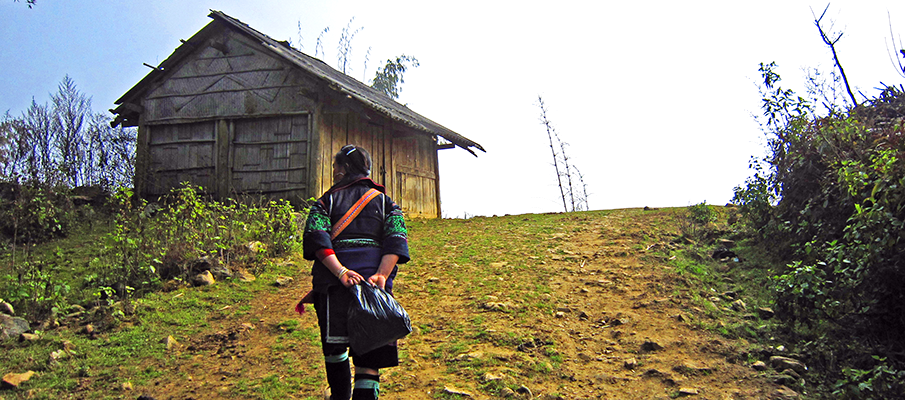
Trekking in Sapa – The Best Way to Experience the Mountains
Trekking is the highlight of every visit to Sapa and the best way to discover its spectacular mountain landscapes, traditional villages, and authentic ethnic minority culture. Whether you choose an easy half-day walk or a multi-day adventure, the trails lead through some of the most beautiful scenery in Northern Vietnam.
🥾 Why go trekking?
- Explore spectacular mountain landscapes
- Visit authentic ethnic minority villages
- Enjoy breathtaking valley viewpoints
- Photograph unforgettable natural scenery
- Suitable for beginners and experienced hikers
🏡 Stay in a homestay
- Experience everyday local family life
- Taste freshly prepared home-cooked meals
- Join guided treks with local hosts
- Support ethnic minority communities
- Enjoy peaceful mountain surroundings
Many of the best homestays are located in the Muong Hoa Valley, where local families offer accommodation, traditional meals, and guided trekking experiences. Staying with local hosts allows you to explore hidden trails, learn about daily life, and experience Sapa beyond the main tourist areas. While some homestays have become more commercial, it is still possible to find authentic family-run accommodation with unforgettable mountain views.

Best Attractions in Sapa Town
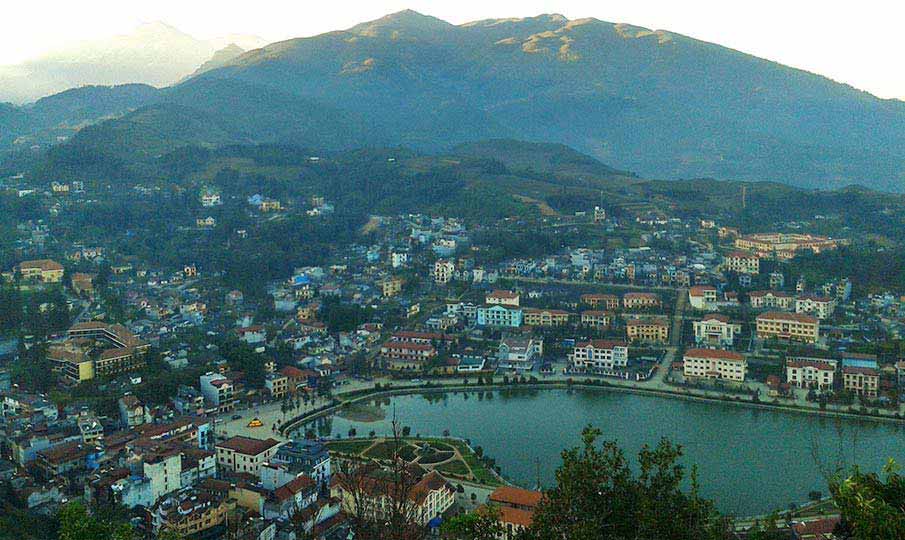
Besides mountain trekking, Sapa Town offers several interesting attractions within walking distance. You can explore historic landmarks, visit local markets, enjoy panoramic viewpoints, or take the train to the famous Fansipan cable car station. Most attractions can easily be visited in half a day.
📍 Top attractions
- Stone Church in the town center
- Sun Plaza and Fansipan train
- Sapa Market and local shops
- Sapa Lake and nearby parks
- Ham Rong Mountain viewpoint
💡 Good to know
- Most attractions are walkable
- Weekends are usually the busiest
- Bring a light jacket year-round
- Morning offers the best visibility
- Cash is useful at local markets
Don’t miss the iconic Stone Church, the colorful Sun Plaza, and the lively Sapa Market, where local ethnic communities sell handicrafts, clothing, and fresh produce. For panoramic views over the town, walk around Sapa Lake or climb Ham Rong Mountain, one of the best viewpoints in the area.
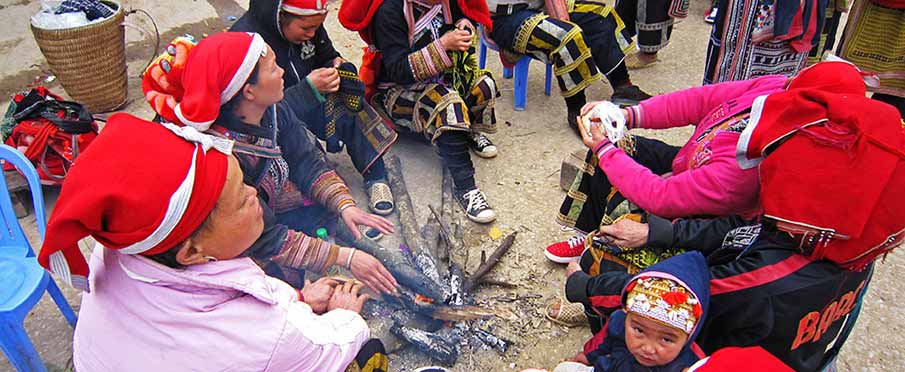
Black Hmong – The Largest Ethnic Group in Sapa
The Black Hmong are the largest ethnic minority in Sapa and the surrounding Lao Cai Province. They are well known for their traditional indigo-dyed clothing, rich cultural heritage, and welcoming mountain villages, where many local trekking routes begin.
👣 About the Black Hmong
- Largest ethnic group in Sapa
- Originally migrated from China
- Known for indigo-dyed clothing
- Live in mountain villages
- Preserve unique traditions
💡 Visitor tips
- Meet them on trekking routes
- Visit local family homestays
- Support handmade crafts
- Always ask before taking photos
- Respect local customs and culture

Experience Black Hmong Festivals & Local Traditions
Visiting a traditional Black Hmong festival is one of the most authentic cultural experiences in Sapa. Throughout the year, local communities celebrate with music, dancing, traditional games, colorful clothing, and family gatherings that preserve centuries-old customs.
🎭 Cultural traditions
- Traditional music and dances
- Colorful handmade clothing
- Community celebrations
- Ancient customs preserved
- Local handicraft markets
💡 Good to know
- Tet is the biggest celebration
- Many festivals follow the lunar calendar
- Buy crafts directly from artisans
- Dress and behave respectfully
- Ask before photographing people

Explore the Remote Mountains North of Sapa
If you’ve already explored Sapa, venture farther north into one of the most remote regions of Northern Vietnam. Places like Muong Hum and Y Ty offer authentic ethnic minority culture, spectacular mountain scenery, colorful local markets, and a much quieter atmosphere than Sapa itself.
🌄 What to see
- Remote mountain landscapes
- Traditional ethnic minority villages
- Muong Hum Sunday Market
- Cloud-covered Y Ty Valley
- Scenic roads and viewpoints
💡 Before you go
- Best for experienced travelers
- Roads can be rough in places
- Allow at least two days
- Ask before photographing locals
- Check weather before departure

💡 Essential Travel Tips for Visiting Sapa
Sapa is one of Vietnam’s most popular mountain destinations, but it offers a much better experience if you know what to expect. A little preparation and respectful behavior will help you enjoy the region while supporting local communities.
✅ Recommended
- Explore villages beyond Sapa Town
- Stay in a local family homestay
- Buy genuine handmade crafts
- Ask before taking photos
- Start trekking early in the morning
⚠️ Avoid
- Giving money or sweets to children
- Buying souvenirs from young children
- Making noise in small villages
- Entering schools without permission
- Leaving plastic waste behind
🚶 What to expect
- Sapa Town can be crowded
- Local vendors may approach visitors
- Mountain weather changes quickly
- Roads can be narrow and winding
- Weekends are the busiest
🌿 My recommendation
- Spend at least two nights
- Visit less touristy villages
- Support local ethnic communities
- Choose independent local guides
- Slow down and enjoy the scenery
The best memories from Sapa usually come from the mountains rather than the town center. Venture beyond the busiest attractions, respect local customs, and you’ll discover why this region remains one of the most rewarding destinations in Northern Vietnam.

🍜 Food in Sapa – What to Eat & Where
Sapa offers a great mix of traditional Vietnamese cuisine and local mountain specialties. The best meals are often found at street food stalls, local restaurants, and family-run homestays, where you can enjoy authentic flavors at reasonable prices.
🍲 What to try
- Pho and noodle soups
- Grilled meats and vegetables
- Fresh spring rolls
- Sticky rice specialties
- Local mountain dishes
💡 Dining tips
- Choose busy local restaurants
- Try meals at family homestays
- Street food is affordable
- International food costs more
- Cash is often preferred

How to Get from Hanoi to Sapa – Transport Options
1. Travel from Hanoi to Sapa by Bus or Minivan
Traveling by tourist bus or limousine minivan is the fastest and most popular way to reach Sapa from Hanoi. Modern buses operate throughout the day and overnight, offering comfortable seats or sleeper cabins with direct service to Sapa Town.
🚌 Bus overview
- Travel time: 5.5–6.5 hours
- Tickets from US$9–18
- Sleeper buses & limousine vans
- Direct routes to Sapa Town
- Frequent departures every day
💡 Good to know
- Book tickets in advance
- Hotel pick-up is often available
- Night buses save hotel costs
- Most buses include luggage
- Luxury limousine services available
Popular companies include Hason Haivan, Inter Bus Lines, Sapa Express, EcoSapa, Grouptour, Hung Thanh, Sapa Shuttle Bus, Tien Dat Trans, King Express Bus, and others. You can also read our complete guide to traveling from Hanoi to Sapa, browse the latest Hanoi–Sapa bus schedules, or travel directly from Noi Bai Airport to Sapa by tourist bus or private transfer.
🎫 Baolau
Compare bus schedules and book e-tickets from Hanoi to Sapa. You can also search for trains, flights and ferries across Vietnam.
🎫 12Go
Compare bus schedules and book e-tickets from Hanoi to Sapa. You can also search for trains, flights and ferries across Vietnam.

2. Travel from Hanoi to Sapa by Train and Bus (via Lao Cai)
Traveling by overnight train is the most scenic and traditional way to reach Sapa. Trains run from Hanoi to Lao Cai Railway Station, about 30 km from Sapa, where you can continue by local bus, shuttle, taxi, or private transfer.
🚆 Train overview
- Travel time: about 8 hours
- Tickets from around US$15
- Vietnam Railways & luxury trains
- Soft seats and sleeper cabins
- Transfer from Lao Cai to Sapa
💡 Good to know
- Ideal for overnight travel
- Book sleeper cabins early
- Private cabins offer more comfort
- Morning buses connect to Sapa
- Popular year-round route
You can travel with Vietnam Railways or choose premium tourist trains such as Sapaly Express, Chapa Express, Fansipan Express, King Express, Laman Express, or Orient Express. Read our guide to the best luxury trains from Hanoi to Lao Cai before booking your trip.
🎫 Baolau
Compare train schedules and book train tickets from Hanoi to Lao Cai or combined transport to Sapa.
🎫 12Go
Compare train schedules and book train tickets from Hanoi to Lao Cai or combined transport to Sapa.

3. Travel from Hanoi to Sapa by Private Taxi / Car
A private taxi or car with driver is the fastest and most comfortable way to travel from Hanoi to Sapa. It offers door-to-door service from your hotel or Noi Bai Airport and is an excellent choice for families, small groups, or travelers who value flexibility and convenience.
🚖 Transfer overview
- Travel time: 4.5–6 hours
- Prices from US$95–300 per car
- Private cars, SUVs & minibuses
- Door-to-door service
- Ideal for families and groups
💡 Good to know
- Hotel and airport pick-up available
- Flexible departure times
- Share costs with your group
- Stop for photos or meals anytime
- Most comfortable travel option
Reliable operators include Saigon DMC, Dichung Taxi, Grouptour, and Ouros Travel. Private transfers are available from central Hanoi as well as Noi Bai International Airport, making them a convenient option if you’re arriving by plane.
🚖 Book a Private Transfer on 12Go ➜

Travel from Lao Cai to Sapa by Bus or Taxi
If you arrive by train from Hanoi, you’ll need to continue the final 30 km journey from Lao Cai to Sapa. Public buses, shuttle minibuses, taxis, and private transfers are available outside the railway station, making it easy to reach Sapa in less than an hour.
🚌 Transport overview
- Distance: about 30 km
- Travel time: 45–60 minutes
- Public buses and shuttle vans
- Taxis available outside the station
- Frequent departures daily
💡 Good to know
- Public buses are the cheapest
- Taxis offer door-to-door service
- Book ahead during peak season
- Early morning connections available
- Tourist vans usually cost more
Most overnight trains from Hanoi arrive in Lao Cai between 6:00–7:00 AM, allowing you to continue directly to Sapa. For the lowest fares, use the local public bus instead of the tourist minibuses waiting outside the railway station.
🎫 Baolau
Book bus tickets from Lao Cai to Sapa or compare available transport options.
🚖 12Go
Compare buses, taxis and private transfers from Lao Cai to Sapa with fast online booking.

☀️ Weather in Sapa – best time to visit
Weather in Sapa is characterized by a subtropical highland climate with pleasant temperatures throughout most of the year. Thanks to its elevation of around 1,500 meters, Sapa is much cooler than the lowlands of Vietnam, making it one of the country’s best destinations for trekking and mountain scenery.
🌸 Spring (March–May)
Mild temperatures of 15–25 °C, blooming flowers and generally clear weather. One of the best seasons for trekking and visiting ethnic villages.
☀️ Summer (June–August)
Warm (20–28 °C) with frequent afternoon rain and lush green rice terraces. Expect higher humidity and occasional heavy showers.
🍂 Autumn (September–November)
The best time to visit with temperatures of 15–24 °C, clear skies and golden rice terraces. Excellent conditions for hiking and photography.
❄️ Winter (December–February)
Cool to cold weather (5–18 °C). Fog is common and temperatures occasionally drop below freezing, with rare snowfall on nearby peaks.
Best time to visit: September to November and March to May offer the most pleasant weather for trekking, sightseeing and exploring Sapa’s mountain landscapes. If you’re planning to climb Fansipan, also check the Weather in Fansipan Mountain.
🏡 Accommodation in Sapa – hotels, homestays and resorts
Sapa offers everything from budget hostels and traditional ethnic homestays to boutique hotels and luxury mountain resorts. Most visitors stay in Sapa Town, while nearby villages such as Ta Van, Lao Chai and Cat Cat provide a peaceful atmosphere surrounded by rice terraces.
🏡 Homestays
Experience local culture by staying with ethnic minority families in traditional homes overlooking Sapa’s famous rice terraces.
🏨 Budget hotels
Affordable hotels and guesthouses with comfortable rooms, mountain views and excellent value close to the town center.
🌄 Mountain resorts
Stay in scenic resorts surrounded by valleys and rice terraces, perfect for relaxing after trekking in the mountains.
💎 Luxury hotels
Discover the best luxury hotels and resorts in Sapa with spas, infinity pools, panoramic mountain views and premium services.

🔍 Top Attractions & Best Places to Visit in Sapa
- Ta Van, Cat Cat, Ta Phin & Sin Chai Villages – Traditional villages with beautiful rice terraces.
- Silver Waterfall & Love Waterfall – Two scenic waterfalls near Sapa.
- Fansipan Mountain – Vietnam’s highest mountain (3,147 m).
- Fansipan Cable Car – Spectacular mountain views without hiking.
- Muong Hoa Valley – Famous for rice terraces and trekking.
- Seo My Ty Village – Quiet village with a mountain lake.
- Tram Ton Pass (O Quy Ho Pass) – Vietnam’s highest mountain pass.
- Sapa Market – Local handicrafts, food and souvenirs.
- Ham Rong Mountain – Gardens and panoramic viewpoints.
- Cat Cat Cultural Performances – Traditional Hmong music and dance.
- Ethnic Homestays – Stay with local minority families.
- Bac Ha Sunday Market – The region’s largest ethnic market.
- Muong Hum Sunday Market – Authentic local mountain market.
- Y Ty District – Remote mountains and cloud scenery.
- Bạch Mộc Lương Tử – Vietnam’s fourth-highest mountain.
📍 Tourist Map of Sapa – Top Attractions & Landmarks

❓ Sapa Travel FAQ: Transport, Trekking & Visitor Tips
Where can you book Sapa tours, hikes or Fansipan cable car tickets?
Book trekking tours, village experiences and Fansipan cable car tickets online with KLOOK.
How far is Sapa from Hanoi?
Sapa is about 320 km northwest of Hanoi by road.
When is the best time to visit Sapa?
March to May and September to November offer the best weather, mountain views and beautiful rice terraces.
What are the best places to visit in Sapa?
Visit Fansipan Mountain, Muong Hoa Valley, Cat Cat Village and Ta Phin Village.
What local food should you try in Sapa?
Try thang co, bamboo rice (com lam), grilled meats and fresh mountain vegetables.
Is Vietnam a good destination for solo travelers?
Yes. Read our guide to solo travel in Vietnam for practical tips.
Where can you learn more interesting facts about Vietnam?
See our guide 15 Interesting Things about Vietnam.
What should first-time visitors expect from Vietnamese culture?
Vietnam offers rich traditions, excellent cuisine and warm hospitality. Learn more in our guide to Vietnamese culture.
➡️ Where to go from Sapa:
You can continue to Lai Chau, Bac Ha, Mu Cang Chai (Yen Bai province), Ha Giang, Son La.