ℹ️ Practical Information
🏯 History and Significance
📸 Main Attractions
💡 Useful Travel Tips
🗺️ Map and Photos
🎫 Book a Tour in Hanoi
Imperial Citadel
Explore over 1,000 years of history.
Doan Mon Gate
See the historic southern gate.
Palace Ruins
Discover remains of ancient dynasties.
Central Hanoi
Visit nearby historic landmarks.
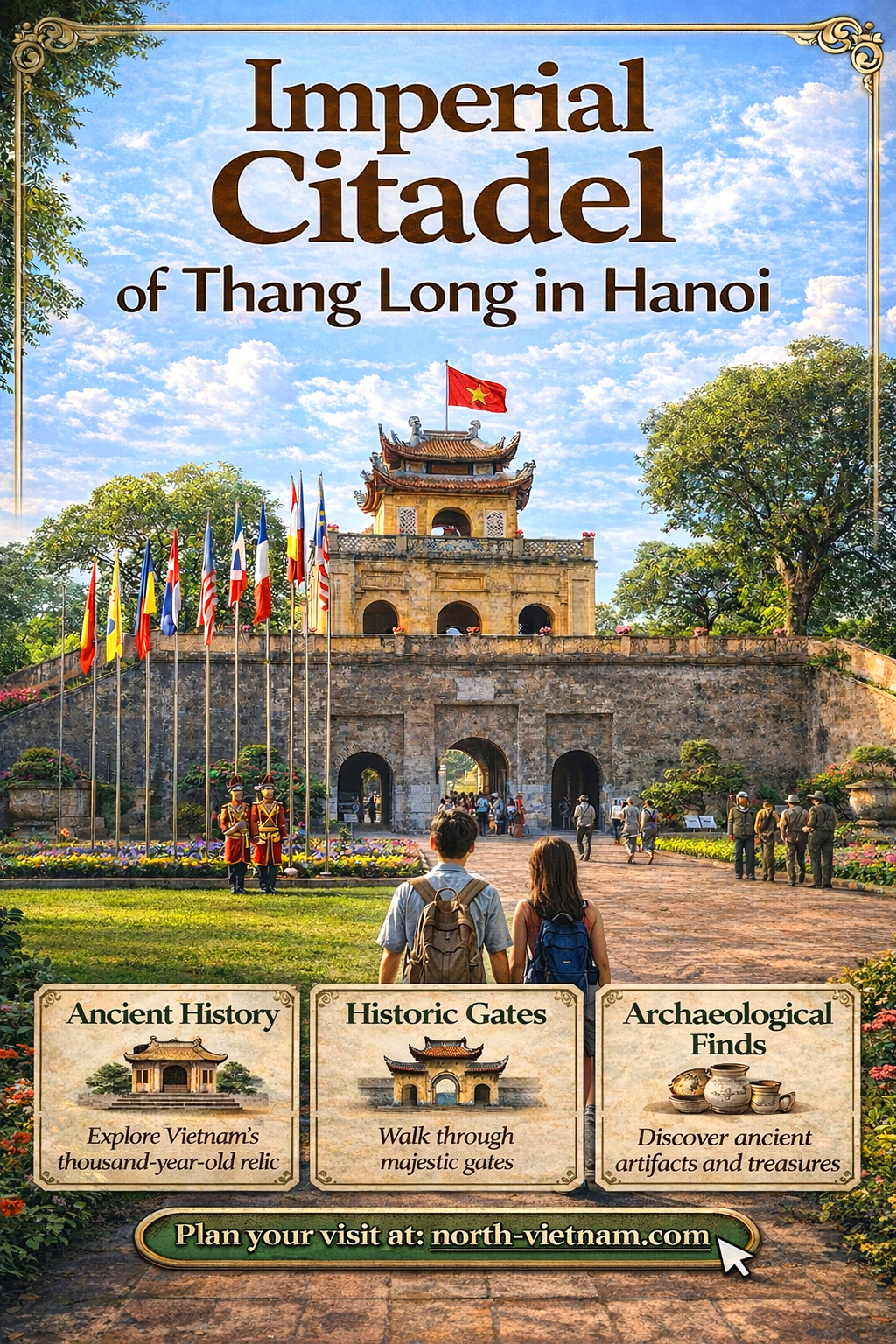
Quick answer: The Imperial Citadel of Thang Long is a UNESCO World Heritage Site in Hanoi, Vietnam. It served as an important political centre for centuries and is known for its ancient gates, palace foundations and archaeological remains that reveal the country’s rich imperial history.
At a glance:
- Location: 9 Hoang Dieu Street, Hanoi.
- History: Developed from the 11th century.
- Main highlights: Doan Mon Gate, palace ruins and D67 House.
- UNESCO: Listed in 2010.
- Visit duration: 2–3 hours.
- Admission: Originally listed as 30,000 VND for adults; verify current prices.
- Opening hours: Originally listed as Tuesday–Sunday, 8 AM–5 PM; verify before visiting.
Last updated: October 2026
Imperial Citadel of Thang Long – A Historic Landmark in Hanoi
The Imperial Citadel of Thang Long is one of the most important historical sites in Hanoi, Vietnam. It was an important political centre for successive Vietnamese dynasties and preserves evidence of the country’s long history. The complex developed over many centuries, with archaeological remains revealing different periods of occupation and construction.
The citadel is located in Ba Dinh District, approximately 2.5 km from Hoan Kiem Lake. Its location makes it convenient to combine a visit with the Ho Chi Minh Mausoleum and other historic attractions in the capital.
🏯 Why Visit?
- Discover Vietnam’s imperial history
- Explore historic gates and palace remains
- Learn about archaeological discoveries
- Visit a UNESCO World Heritage Site
💡 What to Know
- Allow around 2–3 hours
- Wear comfortable walking shoes
- Check opening hours before arriving
- Consider a guided tour for historical context
⭐ Is the Imperial Citadel of Thang Long Worth Visiting?
Yes, particularly if you are interested in Vietnamese history, archaeology and traditional architecture. The citadel is different from Hanoi’s busy streets, offering historic gates, archaeological remains and exhibitions that help explain the development of the capital. A visit is especially worthwhile when combined with other historical sites in Ba Dinh District.

The History and Significance of the Imperial Citadel
The Imperial Citadel of Thang Long developed into an important centre of Vietnamese political power during the Ly Dynasty in the 11th century. Successive dynasties, including the Tran and Le, expanded and modified the complex over time. Its buildings and layout reflected the importance of the imperial court, administration and ceremonial traditions.
The site continued to play an important role through different periods of Vietnamese history. Archaeological excavations have revealed foundations, wells, roads and other remains from successive historical layers. These discoveries provide valuable evidence of how the citadel developed over many centuries.
📜 A Long Imperial History
The citadel was an important centre of political power for successive Vietnamese dynasties and preserves evidence of changing periods in the country’s history.
🌏 UNESCO World Heritage
In 2010, the Central Sector of the Imperial Citadel of Thang Long–Hanoi was inscribed on the UNESCO World Heritage List for its historical and cultural significance.
Architecture and the Layout of the Citadel
The remaining structures offer a glimpse into the design of the former imperial complex. Historic gates, foundations and ceremonial areas show how the citadel was organized, while archaeological layers reveal evidence from different periods of construction and occupation.
Some of the best-known features are Doan Mon Gate, the foundations of Kinh Thien Palace and the nearby Hanoi Flag Tower. The complex also includes later historical structures and archaeological displays that help visitors understand the site’s changing role over time.
Archaeological Discoveries and Preservation
Excavations at the Imperial Citadel have uncovered successive layers of remains, including foundations, wells, roads and objects associated with different dynasties. These discoveries help researchers understand how the complex changed as political power moved between ruling houses and historical periods.
Preservation work is important because many of the site’s most valuable features are archaeological remains rather than complete buildings. Visitors should follow marked paths and respect barriers around protected areas.
Main Attractions at the Imperial Citadel of Thang Long
The citadel contains several important historical structures and archaeological areas. Allow enough time to explore the main gates, palace remains and exhibitions instead of visiting only the most recognizable landmarks.
1. Doan Mon Gate
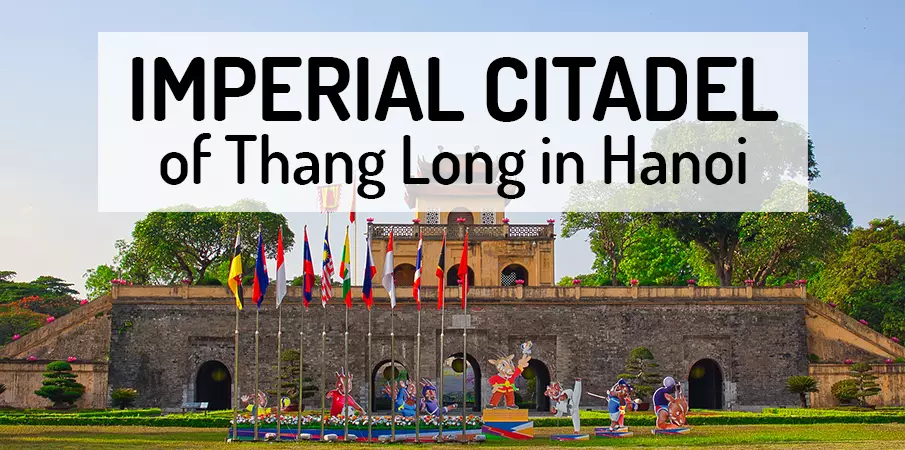
Doan Mon Gate was an important entrance to the imperial complex. Its traditional architecture makes it one of the citadel’s main photo spots.
2. Kinh Thien Palace Foundations
Explore the remains of the former imperial palace and learn about the layout of the ancient royal court.
3. Hanoi Flag Tower
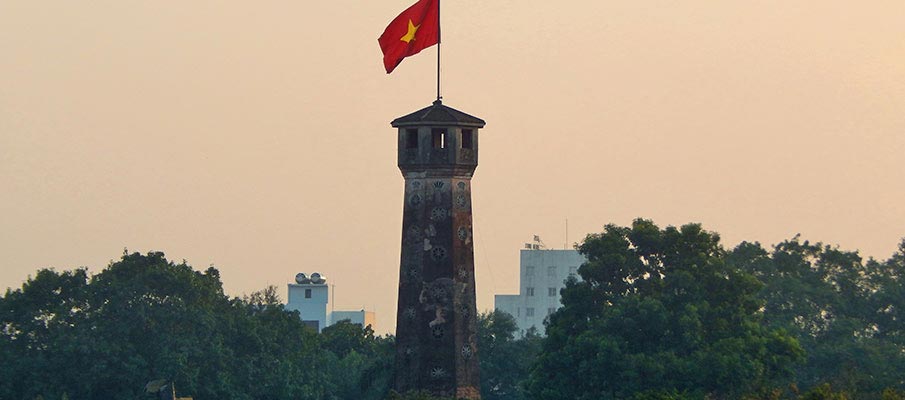
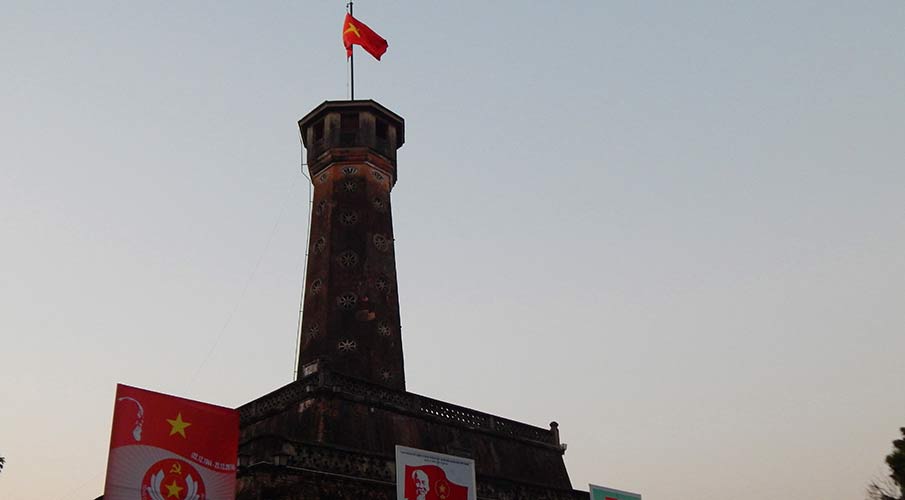
This historic tower is one of Hanoi’s best-known landmarks and an important part of the city’s military heritage.
4. D67 House and Tunnel
Visit the former military headquarters built in 1967 and explore its preserved rooms linked to Vietnam’s modern history.
5. Hau Lau – The Princess Pagoda
Hau Lau is a historic structure within the citadel. Its architecture reflects another period in the complex’s long history.
6. Archaeological Areas and Exhibitions
Discover ancient foundations, wells and other remains. Exhibitions explain the archaeological finds and their historical significance.

Opening Hours and Best Time to Visit
The original visitor information lists opening hours from 8:00 AM to 5:00 PM, Tuesday through Sunday, with Mondays closed. Opening arrangements can change, so check the official visitor information before travelling.
Morning is a good time to explore the outdoor areas, especially during warmer months. The site includes walking paths and open archaeological areas, so comfortable weather can make the visit more enjoyable. Allow around 2–3 hours if you want to see the main attractions and read the exhibition information.
🌅 Visit in the Morning
Start early to explore the gates and archaeological areas at a relaxed pace.
📅 Check Opening Days
The original schedule lists Monday as a closing day. Confirm the current hours before your visit.
🚶 Allow Enough Time
Set aside around 2–3 hours to explore the main buildings, exhibitions and archaeological remains.

💡 Useful Travel Tips for the Imperial Citadel
How to get to the Imperial Citadel: The site is located at 9 Hoang Dieu Street in Ba Dinh District, Hanoi. You can reach it by taxi, ride-hailing service, public transport or on foot from nearby attractions. It is convenient to combine the visit with the Ho Chi Minh Mausoleum and other historical landmarks in the area.
👟 Wear Comfortable Shoes
You will walk between gates, buildings and archaeological areas, so comfortable footwear is useful.
☀️ Prepare for the Weather
Bring sun protection and water, particularly when visiting during hot or sunny weather.
📸 Take Your Photos
Photographs can help you remember the architecture and historic surroundings. Follow any restrictions in exhibition areas.
🏛️ Respect the Site
Stay on marked paths and do not touch or remove archaeological objects or protected structures.
🎧 Consider a Guided Tour
A guide can explain the site’s dynasties, archaeological discoveries and the significance of individual buildings. Browse Hanoi tour options.
🗺️ Combine Nearby Sights
Plan your visit alongside the Ho Chi Minh Mausoleum or the Vietnam Military History Museum.
🏯 Imperial Citadel – Visitor Information
📍 Address: 9 Hoang Dieu Street, Ba Dinh District, Hanoi, Vietnam.
🎟️ Entrance fee: 30,000 VND for adults, 15,000 VND for children under 15, and free for children under six.
🕒 Opening hours: Tuesday–Sunday, 8:00 AM–5:00 PM. Closed on Mondays.
⏱️ Visit duration: Around 2–3 hours.
🎧 Guided tours: Tours may be available in English and Vietnamese. Confirm current availability and prices.
🌐 Official website: hoangthanhthanglong.vn
⚠️ Note: Ticket prices, guided tours and opening hours may change. Check the latest visitor information before your trip.
Map of the Imperial Citadel of Thang Long
Use the map below to locate the Imperial Citadel of Thang Long and plan your visit in Ba Dinh District. You can combine the site with nearby historical attractions depending on your available time.
Photos of the Imperial Citadel of Thang Long




📖 More Places to Visit in Hanoi
🎨 Phung Hung Mural Street – Colorful murals in Hanoi’s Old Quarter.
⚔️ Vietnam Military History Museum – Learn about the country’s military past.
🏯 Temple of Literature – Explore one of Hanoi’s most important historical and educational sites.
🕯️ Hoa Lo Prison Museum – Learn about Vietnam’s turbulent history.
🌊 Hoan Kiem Lake – See the famous lake in the heart of Hanoi.
❓ Imperial Citadel of Thang Long FAQ: History and Visitor Tips
What Is the Imperial Citadel of Thang Long in Hanoi Known For?
It is a historic political centre of Vietnam and a UNESCO World Heritage Site with ancient gates, palace foundations and archaeological remains.
How Old Is the Imperial Citadel of Thang Long?
The site has more than 1,000 years of history, with the imperial complex developing from the 11th century and earlier archaeological layers also present.
Where Is the Imperial Citadel of Thang Long Located in Hanoi?
It is located at 9 Hoang Dieu Street in Ba Dinh District, Hanoi, near the Ho Chi Minh Mausoleum area.
How Much Time Should You Spend Visiting the Imperial Citadel?
Allow around 2–3 hours to explore the main gates, archaeological remains, historic buildings and exhibitions.
What Are the Opening Hours of the Imperial Citadel of Thang Long?
The original visitor information lists 8:00 AM–5:00 PM from Tuesday to Sunday, with Mondays closed. Check the current schedule before visiting.
How Much Does an Entrance Ticket to the Imperial Citadel Cost?
The original article lists 30,000 VND for adults and 15,000 VND for children under 15, with free entry for children under six. Confirm current prices before your visit.
Which Main Attractions Should You See Inside the Citadel?
Highlights include Doan Mon Gate, the Kinh Thien Palace foundations, D67 House and the archaeological areas. The nearby Hanoi Flag Tower is also worth seeing.
Can You Join a Guided Tour of the Imperial Citadel?
The original article mentions guided tours in English and Vietnamese. Check current availability, languages and prices before booking.
Is the Imperial Citadel of Thang Long Accessible to Wheelchair Users?
Some areas may be accessible, but stairs and uneven surfaces can limit access. Contact the site before your visit to confirm current arrangements.
Can You Visit the Imperial Citadel and the Ho Chi Minh Mausoleum on the Same Day?
Yes. The two sites are in the same general area of Hanoi. Check the opening hours of both attractions and allow enough time for each visit.
Why Is the Imperial Citadel of Thang Long a UNESCO World Heritage Site?
It was inscribed on the UNESCO World Heritage List in 2010 because of its historical significance and archaeological evidence of the development of the Vietnamese capital over many centuries.