

ℹ️ Useful Information
🚶 Transport Options
🚢 How to get there
☀️ Weather Conditions
🏡 Where to stay
🔍 Places + Activities
❓ FAQ + Travel Tips
🎫 Book a Tour Online
🎫 Book Ticket Online
Quick answer: The Perhentian Islands are one of Malaysia’s most beautiful tropical destinations, famous for white-sand beaches, crystal-clear water, colorful coral reefs, and excellent snorkeling and diving. With no cars and a relaxed island atmosphere, they are perfect for travelers looking to enjoy nature, marine life, and peaceful beach holidays.
At a glance:
- 🛥️ Getting there: Accessible by speedboat from Kuala Besut.
- 🐠 Water activities: Great for snorkeling and diving.
- 🌿 Nature & trekking: Trails connect beaches; watch for local wildlife.
- 🏄 Transport: No cars; travel by foot or boat.
- 💧 Essentials: Bring cash; no ATMs on the islands.
- 🌅 Views: Stunning sunrises and sunsets at Coral Bay and Long Beach.
- 🌊 Conservation: Part of a marine park; avoid damaging coral.
- 📅 Best time: Visit May to July; services limited during monsoon.
Last updated in November 2025.
Discovering Perhentian: A Tropical Paradise in Malaysia.
The Perhentian Islands, a tropical paradise situated off the northeastern coast of Malaysia, offer stunning natural beauty and an inviting escape for travelers. Comprising two main islands, Perhentian Besar (Big Island) and Perhentian Kecil (Small Island), this destination boasts a wealth of geographical wonders.
-
- Island Group in the South China Sea: Nestled in the cerulean waters of the South China Sea, the Perhentian Islands are part of the state of Terengganu, Malaysia. Their strategic location makes them accessible via boat rides from the coastal town of Kuala Besut on the Malaysian mainland.
- Coral-Ringed Beauty: The islands’ geography is characterized by lush rainforests, white sandy beaches, and clear turquoise waters teeming with vibrant coral reefs. Snorkeling and diving enthusiasts are drawn to the diverse marine life, including colorful fish, turtles, and rays.
- Perhentian Besar and Perhentian Kecil: Perhentian Besar, the larger of the two islands, is known for its laid-back ambiance and upscale resorts. In contrast, Perhentian Kecil offers a more budget-friendly atmosphere, attracting backpackers and those seeking a vibrant social scene.
- Tropical Climate and Monsoon Seasons: The Perhentian Islands enjoy a tropical climate with warm temperatures year-round. The best time to visit is during the dry season from March to November when the seas are calm and ideal for water activities. Monsoon season, from November to February, brings heavy rainfall and rough seas, resulting in limited tourist activity.
- A Biodiverse Haven: Both islands are surrounded by protected marine parks, contributing to the preservation of their rich biodiversity. The lush interiors are home to various flora and fauna, including monitor lizards, monkeys, and a plethora of bird species.
- Untouched Beauty: The Perhentian Islands’ untouched beauty and serene ambiance make them an alluring destination for nature enthusiasts, beach lovers, and underwater adventurers. Whether you seek relaxation or exploration, these tropical gems promise a memorable escape surrounded by stunning natural landscapes.
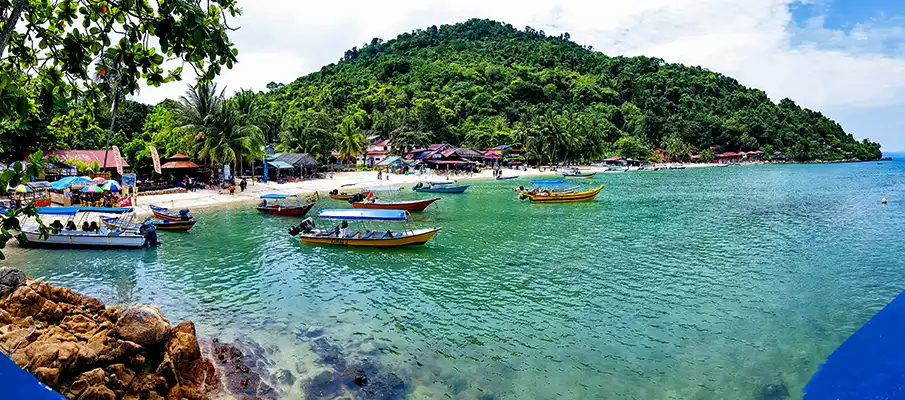
Unveiling the History of Perhentian Islands:
The Perhentian Islands, known for their captivating beauty today, have a history that weaves together tales of discovery, trade, and transformation. These tropical jewels, nestled off the northeastern coast of Malaysia, hold a past rich in cultural influences and natural splendor.
-
- Ancient Trading Hub: Centuries ago, the islands played a significant role as a stopover for traders navigating the South China Sea. Their strategic location along ancient trade routes made them a natural choice for ships to take refuge and replenish supplies.
- Malay Cultural Influence: The islands have been inhabited by Malays for generations, and their culture and traditions have imprinted themselves on the landscape. Fishing, the Malay way of life, has been the foundation of the local economy for centuries.
- Pirate Legends and Hidden Treasures: The islands’ history is also enshrouded in legends of pirates who sought refuge among the hidden coves and lush forests. These tales fuel fantasies of hidden treasures and daring escapades on the high seas.
- Emergence of Tourism: In the 1970s, the Perhentian Islands began to attract adventurous backpackers seeking untouched paradises. Over the years, the islands’ allure grew, leading to the development of tourism infrastructure and resorts that harmonize with the environment.
- Environmental Conservation and Marine Parks: Recognizing the fragility of the marine ecosystem, the Perhentian Islands were declared protected marine parks. This conservation effort not only preserves the underwater wonders but also ensures sustainable tourism practices.
- A Glimpse into the Past: Today, the Perhentian Islands’ history is echoed in the warmth of the local hospitality, the flavors of traditional Malay cuisine, and the captivating landscapes that have witnessed the passage of time.
BOOK a TOUR / ACTIVITY in Malaysia ➜

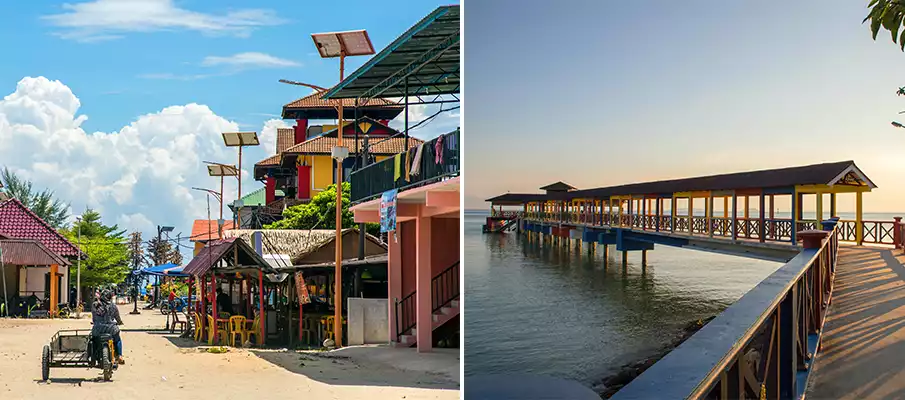
Exploring Tourism in Amazing Perhentian Islands:
The Perhentian Islands, with their captivating natural beauty and vibrant marine life, have emerged as a sought-after destination for travelers seeking a perfect blend of relaxation and excitement. Whether snorkeling in turquoise waters, lounging on untouched beaches, or exploring vibrant marine life, the islands promise an unforgettable journey into tropical paradise.
-
- Spectacular Diving and Snorkeling: One of the main draws of the Perhentian Islands is their underwater world. Crystal-clear waters, vibrant coral reefs, and diverse marine species make it a paradise for both seasoned divers and snorkeling enthusiasts. Colorful fish, graceful turtles, and even reef sharks can be spotted in the azure depths.
- Untouched Beaches and Pristine Nature: The islands boast untouched beaches with powdery white sands and turquoise waters that invite visitors to unwind and bask in the tropical sun. The lush rainforests, home to a variety of flora and fauna, provide an idyllic backdrop for nature walks and exploration.
- Water Sports and Adventure Activities: For thrill-seekers, the Perhentian Islands offer a plethora of water sports, from kayaking and paddleboarding to jet-skiing and parasailing. Adventure-seekers can hike through the verdant trails or embark on island-hopping tours to discover hidden coves and snorkeling spots.
- Eco-Tourism and Marine Conservation: As the islands’ popularity grew, a commitment to sustainability and eco-tourism emerged. Tour operators and resorts emphasize responsible practices to minimize the impact on the environment. Marine conservation efforts aim to protect the delicate coral reefs and marine life for future generations.
- Local Cuisine and Cultural Experiences: Travelers can savor authentic Malay cuisine at local eateries, tasting dishes that highlight the flavors of the region. Engaging with the local community offers insights into traditional ways of life, further enhancing the travel experience.
- Tranquil Retreats and Beachfront Accommodations: Accommodation options range from budget-friendly beachfront bungalows to luxury resorts, ensuring that visitors of all preferences find a comfortable haven to suit their needs.
Book Your Stay in Perhentian ➜
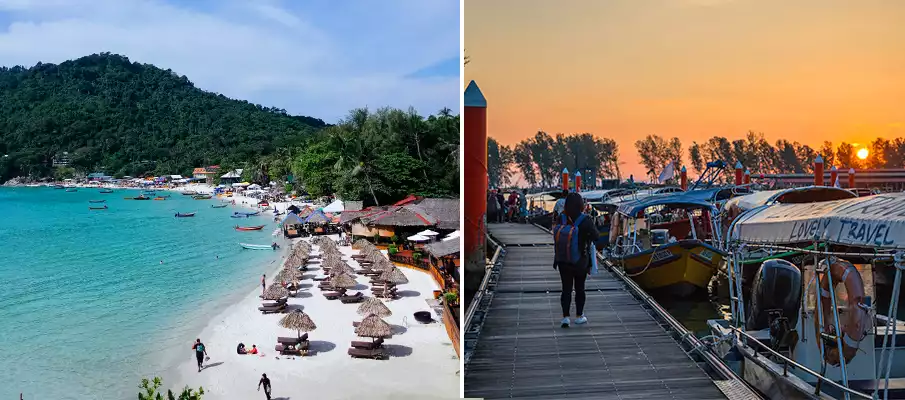
Basking in the Splendor of Perhentian Islands’ Beaches:
The Perhentian Islands are renowned for their pristine beaches, each offering a unique charm and experience that beckons travelers to indulge in the ultimate beach getaway. Here’s a glimpse of the captivating shores that await:
-
- Long Beach (Pantai Panjang): As the name suggests, Long Beach boasts a stretch of powdery white sand that seems to stretch forever. Lined with rustic beachfront accommodations, lively bars, and a laid-back ambiance, it’s a favorite among backpackers and beach enthusiasts alike.
- Coral Bay (Teluk Coral): Just a short walk from Long Beach, Coral Bay offers a quieter escape with stunning views of the turquoise waters. The beach is perfect for enjoying breathtaking sunsets and savoring meals at beachfront cafes.
- Pasir Tani Beach: Nestled on Perhentian Kecil, this lesser-known gem offers serenity and tranquility. Its secluded location makes it an ideal spot for romantic walks, picnics, and immersing oneself in nature.
- Turtle Beach (Pantai Penyu): Named after the sea turtles that frequently visit to lay their eggs, Turtle Beach offers a sense of seclusion and natural beauty. Accessible by hiking through the jungle or by boat, it’s a rewarding destination for nature lovers.
- Adam and Eve Beach: Accessible via a jungle trek from Long Beach, Adam and Eve Beach is a hidden treasure that rewards adventurers with a tranquil oasis. The pristine sands and clear waters are perfect for snorkeling and relaxation.
- Shark Point Beach: Named after the resident blacktip reef sharks, this beach offers excellent snorkeling opportunities. Snorkelers can catch glimpses of these harmless creatures along with an array of colorful marine life.
- Rainforest Beach (Teluk Dalam): Located on Perhentian Kecil, Rainforest Beach is enveloped by lush greenery and offers a serene escape. Its calm waters are perfect for swimming, and the shaded shoreline is a great spot for picnics.
- Mira Beach: Secluded and untouched, Mira Beach on Perhentian Kecil is ideal for those seeking solitude and a serene environment. The tranquil waters are perfect for swimming and snorkeling.
- Petani Beach: Set against a backdrop of rugged cliffs and verdant hills, Petani Beach offers a postcard-worthy view. The clear waters are inviting for snorkeling and swimming, while the surrounding landscape adds to the sense of natural beauty.
- Pirate Beach (Teluk Keke): Tucked away on Perhentian Kecil, Pirate Beach exudes an air of mystery and adventure. Its name pays homage to the islands’ history of pirate legends. The secluded cove is ideal for snorkeling, and its calm waters create a serene setting for those looking to escape the crowds and soak in the natural beauty.
- D’Lagoon Beach (Teluk Dalam Kecil): Nestled within a picturesque lagoon on Perhentian Kecil, D’Lagoon Beach offers a tranquil escape surrounded by cliffs and lush vegetation. Accessible by foot or boat, its shallow, turquoise waters are perfect for swimming and snorkeling. The calm ambiance and breathtaking surroundings make it an enchanting spot for relaxation and exploration.
BOOK a TOUR / ACTIVITY in Malaysia ➜

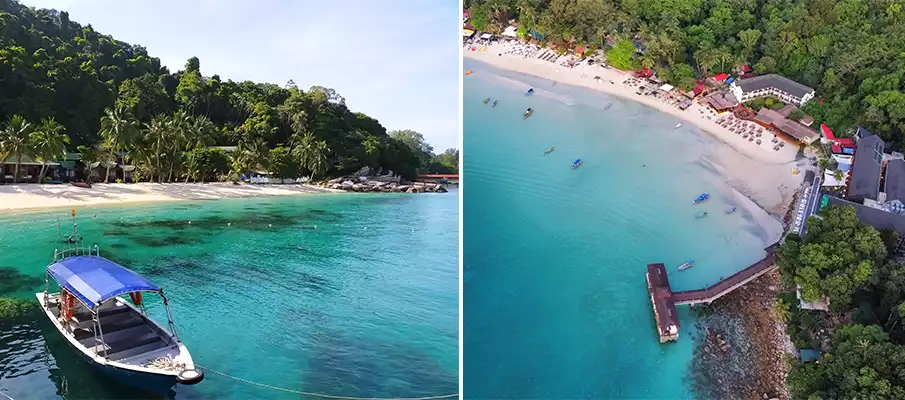
Delving into the Culinary Delights of Perhentian Islands:
The Perhentian Islands not only captivate with their natural beauty but also tantalize the taste buds with a delightful array of flavors and cuisine. From traditional Malay dishes to international fare, the islands offer a diverse culinary experience that reflects the vibrant culture and stunning surroundings.
-
- Local Malay Cuisine: Sample the authentic flavors of Malaysia through dishes like nasi lemak (coconut rice with spicy sambal), rendang (slow-cooked beef in coconut milk), and satay (grilled skewers of marinated meat). These dishes highlight the rich blend of spices that characterize Malaysian cuisine.
- Fresh Seafood Extravaganza: Being surrounded by the azure waters of the South China Sea, it’s no surprise that the Perhentian Islands offer a seafood lover’s paradise. Savor grilled fish, prawns, squid, and crab caught fresh from the ocean. Many beachfront restaurants specialize in seafood barbecue, ensuring a feast of oceanic delights.
- Island-Inspired Delicacies: The islands’ culinary scene also features unique dishes that reflect their tropical location. Try kerabu (Malay salad) made with fresh herbs and vegetables, or indulge in keropok lekor, a traditional fish sausage snack that’s crispy on the outside and tender on the inside.
- International Flavors: For those seeking a taste of home or exploring international cuisine, the islands offer a range of options. Enjoy pizza, pasta, and burgers at beachside cafes, or savor Indian, Thai, and Western dishes at various eateries.
- Local Treats and Street Food: Stroll through local markets and night markets (pasar malam) to discover a treasure trove of street food. Sink your teeth into kuih (Malay sweets), fried snacks, and refreshing coconut water straight from the husk.
- Drinks and Relaxation: Quench your thirst with fresh fruit juices, coconut water, and tropical cocktails that perfectly complement the island vibe. As the sun sets, unwind with a drink in hand, taking in the views of the sea and the soothing sounds of the waves.
Book Your Stay in Perhentian ➜

Why to visit or not to visit Perhentian Islands?
The Perhentian Islands offer a tropical haven for those seeking natural beauty, marine adventures, and cultural immersion. While their unspoiled charm and diverse experiences are appealing, visitors should consider factors like connectivity, weather, and the islands’ remote location before planning their trip. Ultimately, the Perhentian Islands are a paradise waiting to be explored by those who appreciate both their wonders and potential challenges.
👉 Reasons to visit Perhentian Islands:
-
- Unspoiled Natural Beauty: The Perhentian Islands boast pristine beaches, crystal-clear waters, and lush rainforests, creating a paradise for nature lovers and beach enthusiasts.
- Diverse Marine Life: The islands offer exceptional snorkeling and diving opportunities, with vibrant coral reefs teeming with colorful fish, turtles, and other marine species.
- Tropical Adventure: From water sports like snorkeling, diving, and kayaking to jungle treks and island hopping, the islands cater to both relaxation and adventure.
- Eco-Friendly Focus: The Perhentian Islands are committed to sustainable tourism and marine conservation, ensuring responsible practices to protect the environment.
- Cultural Encounters: Immerse yourself in local Malay culture, sample traditional cuisine, and interact with the friendly islanders for an authentic experience.
👉 Reasons not to visit Perhentian Islands:
-
- Limited Connectivity: The islands may have limited internet connectivity and phone signal, making it an ideal destination for a digital detox but potentially challenging for those who need constant connectivity.
- Weather Considerations: Monsoon season from November to February can bring heavy rainfall and rough seas, impacting outdoor activities and limiting tourist services.
- Basic Facilities: While the islands offer a range of accommodations, some budget options may have basic amenities. Luxury travelers should research their lodging choices.
- Small-Scale Entertainment: While the islands have a vibrant nightlife scene, the entertainment options are smaller-scale compared to larger tourist destinations.
- Remote Location: The journey to the Perhentian Islands requires boat rides from the mainland, which may not be suitable for travelers prone to seasickness or those seeking quick access.
BOOK a TOUR / ACTIVITY in Malaysia ➜
What are the transport options in Perhentian?
Getting around the Perhentian Islands is an adventure in itself, with various transport options that cater to different preferences and budgets. The best way how to explore Perhentian Islands is to walk. Here’s a guide to help you navigate the transportation choices on these tropical gems:
-
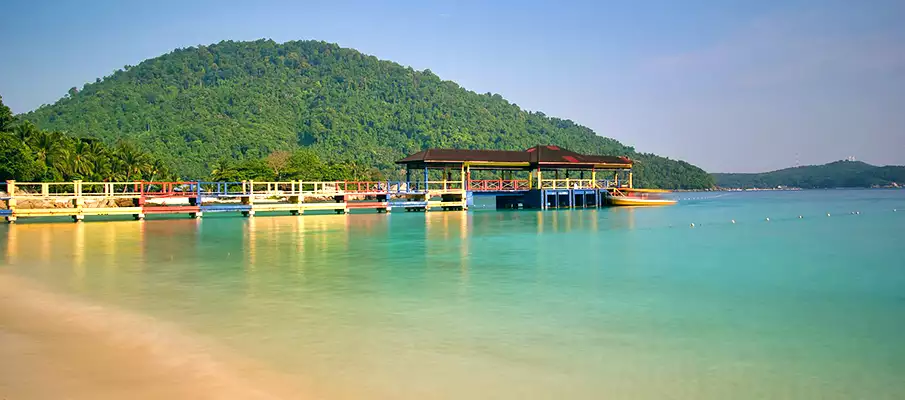
- Water Taxis: Water taxis are a common mode of transportation between the main beaches and coves on the islands. These boats offer a flexible and convenient way to explore various parts of the islands. Negotiate prices before boarding and ensure you have a reliable pick-up time if needed.
- Island Hopping Tours: Island hopping tours provide a delightful way to explore the surrounding islands and their hidden treasures. These guided tours usually include visits to different beaches, snorkeling spots, and even lunch on a secluded beach.
- Walking: Perhentian Kecil, in particular, offers the option to explore by foot. Many accommodations are within walking distance of each other and the main beaches. Enjoy leisurely walks through lush trails and immerse yourself in the island’s natural beauty.
- Sea Kayaks: For a unique experience, you can rent sea kayaks to paddle around the islands’ calm waters. This offers a different perspective of the coastline and lets you access hidden coves and secluded spots.
- Local Boats and Ferries: Boats and ferries are the main mode of transportation to and from the Perhentian Islands. Regular services connect the islands with the mainland, particularly Kuala Besut. Ensure you check the schedules and book in advance, especially during peak seasons.
Book Your Stay in Perhentian ➜
🚢 How to get and travel to Perhentian?
Embarking on a journey to the Perhentian Islands involves a combination of travel modes, each contributing to the excitement of reaching this paradise. The most popular travel route is from Kuala Lumpur to Perhentian via Kuala Besut. Here’s a guide to help you navigate the process:
Getting to Perhentian Islands:
-
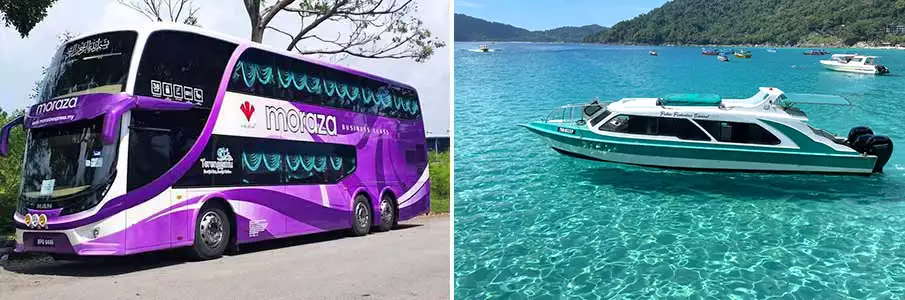
- 1. Kuala Besut Jetty: The primary gateway to the Perhentian Islands is the Kuala Besut Jetty on the mainland. From Kuala Besut, you’ll need to take a boat to reach the islands. You can easily reach Kuala Besut by bus, taxi, or even by flying to Kota Bharu Airport.
- 2. Flights to Kota Bharu Airport: If you’re traveling from Kuala Lumpur or other major cities in Malaysia, you can fly to Sultan Ismail Petra Airport (also known as Kota Bharu Airport). From there, it’s a taxi or shuttle ride to Kuala Besut Jetty. From Kuala Besut Jetty you can travel by boat to Perhentian.
- 3. Overland Travel: If you prefer overland travel, you can take a bus or drive to Kuala Besut from various cities in Malaysia. Buses are available from Kuala Lumpur, Penang, and other major towns.
Boats to Perhentian Islands:
-
- 1. Public Ferries: Public ferries operated by various companies offer regular services from Kuala Besut Jetty to both Perhentian Besar and Perhentian Kecil. The ferry ride takes around 30 to 45 minutes, depending on the island you’re headed to and boat tickets cost about $7-8/pp
- 2. Private Charters: If you’re traveling in a group or want more flexibility in your schedule, you can arrange for private boat charters from Kuala Besut. This option allows you to choose your departure time and reach the islands faster.
- You can book tickets to Kuala Besut + Perhentian online on Baolau ➜ or 12go.asia ➜
☀️ Weather in Perhentian + The Best Time to Visit:
The Perhentian Islands boast a tropical climate that makes them an alluring destination year-round, each season offering unique experiences for travelers seeking sun, sea, and serenity.
Tropical Climate Overview: The islands experience a tropical climate characterized by warm temperatures and high humidity. The weather is generally divided into two main seasons: the dry season and the monsoon season.
-
- Dry Season (March to October): The dry season, extending from March to October, is considered the best time to visit the Perhentian Islands. During this period, the weather is generally sunny and pleasant, with calm seas ideal for water activities like snorkeling and diving. Temperatures hover around 30°C (86°F), creating the perfect ambiance for beach lounging and exploration.
- Monsoon Season (November to February): The monsoon season arrives from November to February, bringing heavier rainfall and rough seas to the islands. During this time, most tourist facilities and resorts may close due to safety concerns. While you can still visit the Perhentian Islands during the monsoon, the limited availability of services and the weather conditions may affect your experience.
Best Time to Visit: The prime time to visit the Perhentian Islands is from March to October, during the dry season. This period offers the perfect blend of warm weather, clear waters, and tranquil seas, allowing you to fully enjoy the islands’ stunning beaches, vibrant marine life, and outdoor activities.
Special Considerations: It’s advisable to check weather forecasts and travel advisories before planning your trip, especially during the transition between the dry and monsoon seasons. Additionally, the islands’ popularity may result in larger crowds during peak travel months, so early booking for accommodations is recommended.
| Month | Season | Description |
|---|---|---|
| January | Rainy Season | Heavy rainfall and rough seas limit tourism, with many resorts remaining closed. |
| February | Transition Season | Weather gradually improves as rainfall decreases and tourist services begin reopening. |
| March | Dry Season | Sunny weather and calm seas create excellent conditions for snorkeling and diving. |
| April | Dry Season | Warm, sunny days and crystal-clear water make this one of the best months. |
| May | Dry Season | Ideal beach weather with calm seas, vibrant coral reefs, and excellent visibility. |
| June | Dry Season | Dry, sunny conditions are perfect for island hopping and marine activities. |
| July | Dry Season | One of the busiest months with warm weather and outstanding underwater visibility. |
| August | Dry Season | Hot tropical weather continues with excellent diving and snorkeling conditions. |
| September | Transition Season | Rainfall gradually increases, although many sunny days still occur. |
| October | Rainy Season | Monsoon weather returns with rough seas and many tourism services closing. |
| November | Rainy Season | Heavy rain and strong waves make travel to the islands difficult. |
| December | Rainy Season | Peak monsoon season brings frequent storms and limited tourist facilities. |
🏡 Where to Stay / Accommodation in Perhentian:
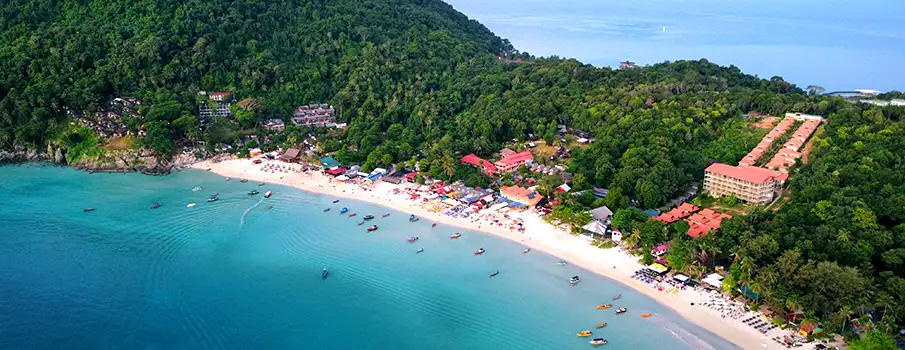
The Perhentian Islands offer a diverse range of accommodation options that cater to various budgets, preferences, and travel styles. Whether you’re seeking a rustic beachfront bungalow or a luxurious resort with modern amenities, you’ll find a haven that complements your island getaway.
-
- Beachfront Bungalows: For those who want to immerse themselves in nature, beachfront bungalows provide a charming and rustic experience. These simple accommodations offer direct access to the beaches, allowing you to wake up to the soothing sounds of the waves.
- Budget-Friendly Guesthouses: Guesthouses and hostels are scattered across the islands, offering affordable options for budget travelers. While these accommodations may be simpler, they provide a comfortable base for exploring the islands’ attractions and enjoying the laid-back ambiance.
- Mid-Range Resorts: The Perhentian Islands also boast a variety of mid-range resorts that provide a balance of comfort and affordability. These resorts offer comfortable rooms, modern amenities, and often feature on-site restaurants and recreational facilities.
- Eco-Friendly Retreats: As the islands prioritize sustainable tourism, eco-friendly accommodations have emerged. These lodgings incorporate eco-friendly practices to minimize their environmental impact, allowing you to enjoy your stay while contributing to the preservation of the islands’ natural beauty.
- Booking Considerations: Given the popularity of the Perhentian Islands, it’s advisable to book accommodations in advance, especially during peak travel seasons. Research different options based on your preferences, desired amenities, and budget to ensure a comfortable and memorable stay.
➜ Accommodation in Perhentian – Book Here

🔍 Interesting Places + Activities in Perhentian Islands:
- Long Beach: Relax on the islands’ liveliest beach with bars, snorkeling, and nightlife.
- Coral Bay: Enjoy peaceful beaches, beautiful sunsets, and waterfront restaurants.
- Turtle Sanctuary: Learn about sea turtle conservation and seasonal nesting programs.
- Snorkeling & Diving: Discover vibrant coral reefs, reef sharks, turtles, and tropical fish.
- Fishing Village: Experience authentic island life and sample fresh local seafood.
- Adam and Eve Beach: Escape to a secluded beach surrounded by jungle and clear water.
- Kayaking & Paddleboarding: Explore hidden bays and quiet beaches along the coastline.
- Jungle Trekking: Hike scenic rainforest trails connecting beaches and viewpoints.
- Sunrise & Sunset Viewpoints: Watch spectacular tropical sunrises and colorful evening skies.
- Rawa Island: Visit nearby tropical beaches with colorful coral reefs and marine life.
- Perhentian Island Resort: Stay at a beachfront resort offering stunning ocean views.
- D’Lagoon Beach: Swim and snorkel in calm waters surrounded by tropical rainforest.
- Night Snorkeling: Observe fascinating nocturnal marine life after sunset.
- Underwater Photography: Capture colorful coral reefs and diverse tropical fish.
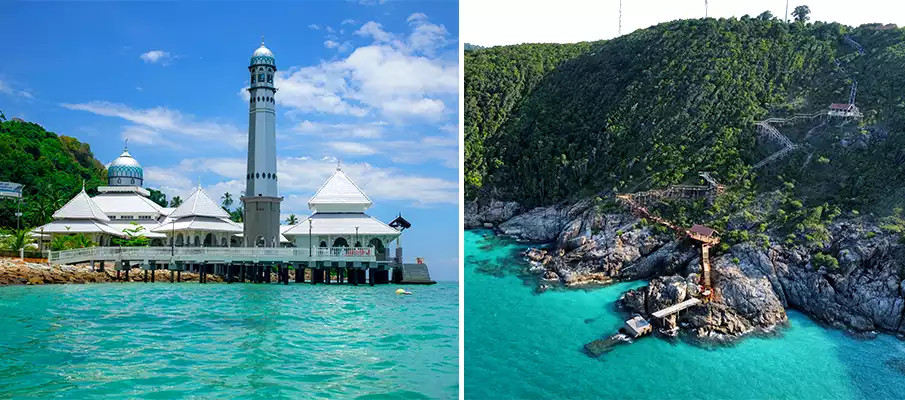
- Perhentian Island Mosque: Visit the islands’ main mosque and experience local culture.
📍 Perhentian Islands in Malaysia – Google Map:
❓ FAQ + Travel Tips for Perhentian Islands
How do you book tickets to and from the Perhentian Islands?
What are the Perhentian Islands famous for?
The islands are famous for white-sand beaches, crystal-clear water, coral reefs, snorkeling, scuba diving, and sea turtles.
When is the best time to visit the Perhentian Islands?
The best season is from March to September when the sea is calm and visibility is excellent.
How do you get to the Perhentian Islands?
Travel to Kuala Besut Jetty, then take a speedboat to Perhentian Kecil or Perhentian Besar.
What are the best activities on the islands?
Snorkeling, scuba diving, kayaking, jungle trekking, island hopping, and relaxing on tropical beaches.
Where are the best snorkeling and diving spots?
Popular sites include Shark Point, Turtle Point, Coral Garden, Sugar Wreck, and Tokong Laut.
What food should you try on the Perhentian Islands?
Enjoy fresh seafood, grilled fish, nasi lemak, satay, tropical fruit, and Malaysian specialties.
Are there accommodations on both islands?
Yes. Hotels and resorts range from budget hostels to luxury beachfront properties.
How can you travel responsibly?
Use reef-safe sunscreen, avoid touching coral, reduce plastic waste, and support local businesses.
Can you see marine life without diving?
Yes. Snorkeling offers excellent opportunities to see turtles, reef fish, and colorful coral.
What should you pack for the Perhentian Islands?
Pack swimwear, lightweight clothing, reef-safe sunscreen, insect repellent, and a waterproof dry bag.
Are the Perhentian Islands safe?
Yes. Follow snorkeling safety rules, monitor sea conditions, and protect yourself from the tropical sun.
Are the Perhentian Islands suitable for families?
Yes. Calm beaches, shallow water, and family-friendly resorts make them suitable for children.
What currency is used in Malaysia?
The official currency is the Malaysian Ringgit (MYR).
What food is Malaysia famous for?
Malaysian cuisine is famous for nasi lemak, satay, laksa, roti canai, and fresh seafood.
BOOK a TOUR / ACTIVITY in Malaysia ➜

Penang – Travel Guide|Malacca – Travel Guide|Kuala Lumpur – Guide|Koh Phi Phi – Guide|Hua Hin – Travel Guide|Koh Phangan – Travel Guide