ℹ️ Information – Muong Hoa
🚍 Travel to Muong Hoa
☀️ Weather in Muong Hoa
🏡 Where to stay / Homestay
📍 Map of Muong Hoa
🎫 Book a Tour in Sapa
🎫 Book Tickets to Sapa
Quick answer: Muong Hoa Valley is one of the highlights of Sapa, known for its spectacular rice terraces, traditional ethnic villages and scenic trekking trails. Whether you visit for a day hike or an overnight homestay, the valley offers a perfect mix of mountain scenery, local culture and authentic experiences.
At a glance:
- 📍 Location: About 8 km southeast of Sapa.
- 🥾 Best for: Trekking, photography & homestays.
- 🪨 Ancient Rock Field: Nearly 200 carved stones.
- ⏱️ Recommended visit: Half day to 2 days.
- ⭐ Difficulty: Easy to moderate.
- 💰 Entrance fee: 150,000 VND.
- 📅 Best time: March–May & September–October.
Last updated in August 2026
Muong Hoa Valley – Rice Terraces, Trekking & Ethnic Villages
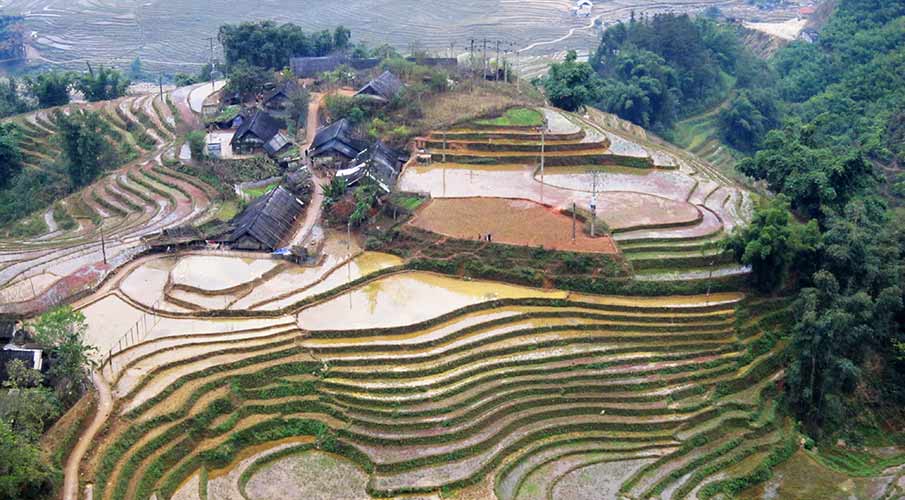
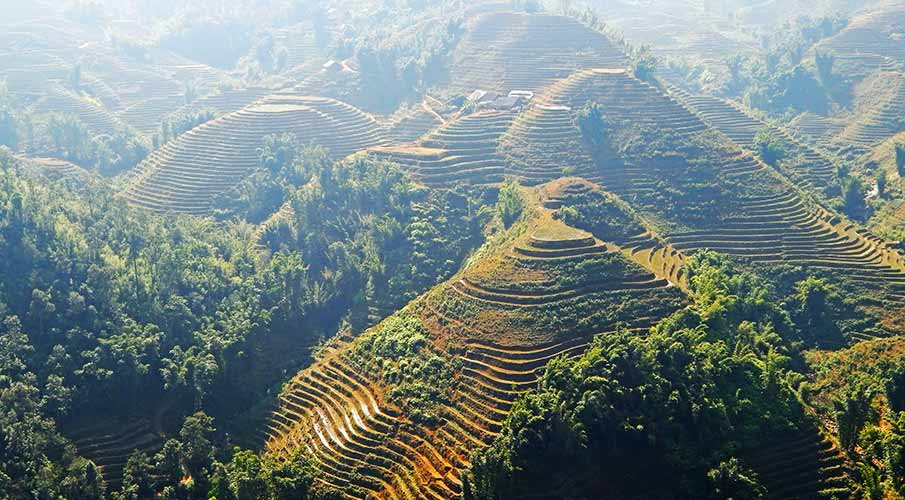
Muong Hoa Valley is one of the most scenic places near Sapa, known for its spectacular rice terraces, mountain scenery and traditional ethnic villages. Just a few kilometers from the town, it’s one of the best places in northern Vietnam for trekking and experiencing local culture.
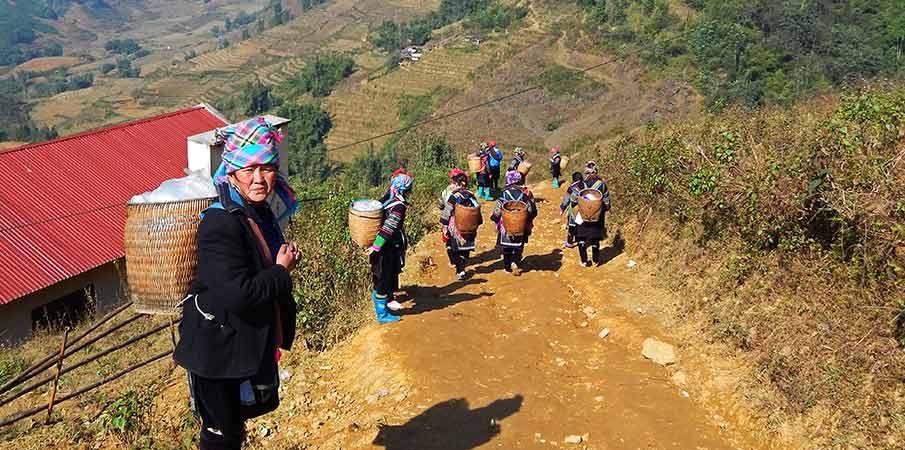
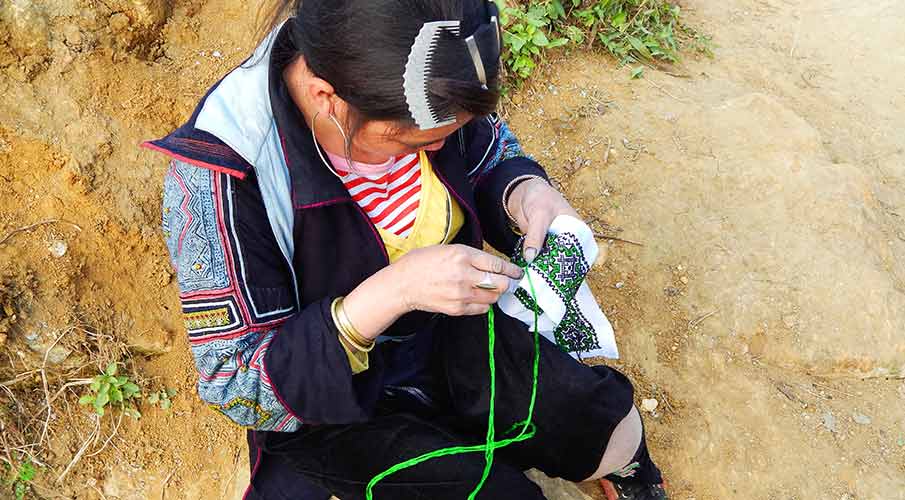
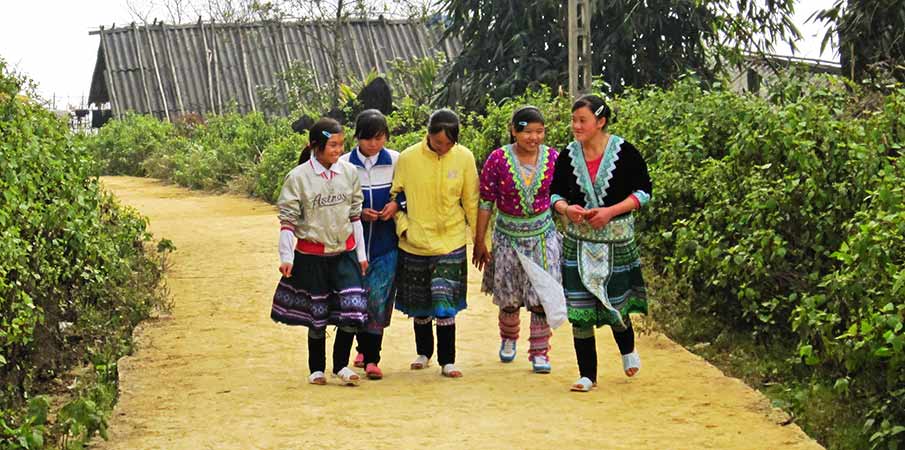
The valley is home to Black H’Mong, Giay and Red Dao communities, with popular villages such as Lao Chai, Ta Van and Hau Thao connected by scenic walking trails and local homestays.
🌿 Why visit?
- Iconic rice terraces and mountain scenery
- Excellent trekking for all experience levels
- Authentic ethnic villages and local culture
- Traditional homestays with local families
- Easy day trip or overnight stay from Sapa
⚠️ Why not visit?
- Can be crowded during peak season
- Trails may be muddy after heavy rain
- Some villages are becoming more touristy
- Frequent fog can limit mountain views
- Local vendors are common on popular routes
⭐ Is Muong Hoa Valley Worth Visiting?
Yes. Muong Hoa Valley is one of the best destinations in northern Vietnam for rice terraces, trekking and authentic village life. Spend at least one full day exploring the valley, or stay overnight in a local homestay for a quieter and more memorable experience.
This Muong Hoa Valley travel guide covers the best trekking routes, ethnic villages, homestays, transport, the best time to visit and practical travel tips.

Best Things to Do in Muong Hoa Valley
Muong Hoa Valley is much more than a scenic viewpoint. From trekking through spectacular rice terraces to staying with local families, the valley offers some of the most memorable experiences in northern Vietnam. Whether you have just a few hours or several days, these are the highlights you shouldn’t miss.
🥾 Go Trekking
Explore scenic trails connecting ethnic villages, rice terraces and mountain viewpoints throughout the valley.
🌾 Admire the Rice Terraces
See one of Vietnam’s most spectacular terraced landscapes, especially during the green and golden rice seasons.
🏡 Stay in a Local Homestay
Spend the night with local families or in peaceful eco-lodges surrounded by nature and rice fields.
🏘️ Visit Ethnic Villages
Explore Lao Chai, Ta Van, Y Linh Ho, Hau Thao and Ban Ho while learning about local traditions and daily life.
🪨 Discover the Ancient Rock Field
Visit one of Vietnam’s most fascinating archaeological sites, featuring mysterious carved stones scattered across the valley.
📸 Enjoy Mountain Views
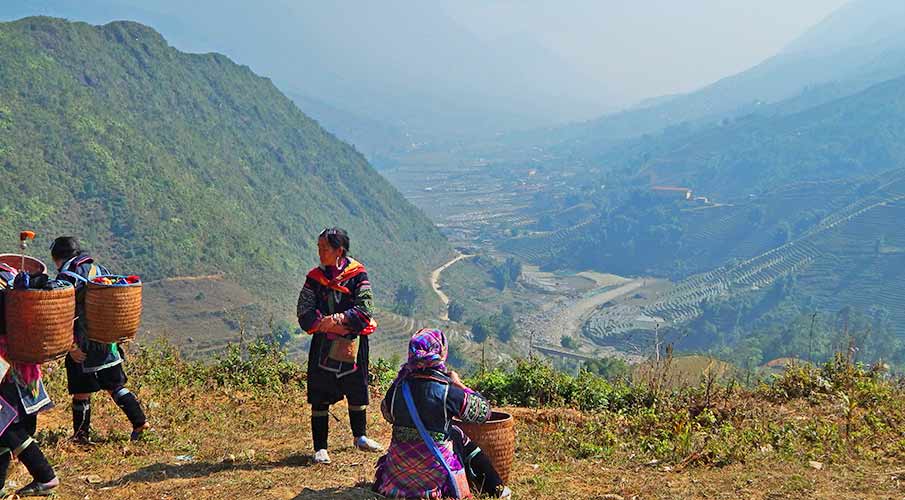
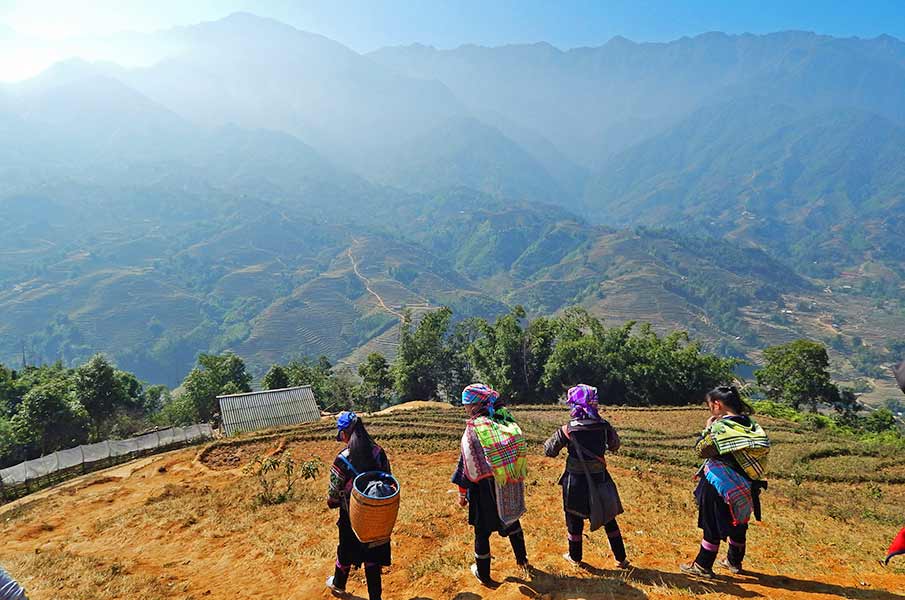
Stop at panoramic viewpoints overlooking the Hoang Lien Son Mountains, valleys and endless rice terraces.
Book a TOUR / ACTIVITY in Sapa ➜
💡 Travel Tip
Start your trek early in the morning to enjoy cooler temperatures and clearer mountain views. If time allows, stay overnight in a local homestay to experience the valley after most day visitors have returned to Sapa.
Best Trekking Routes in Muong Hoa Valley
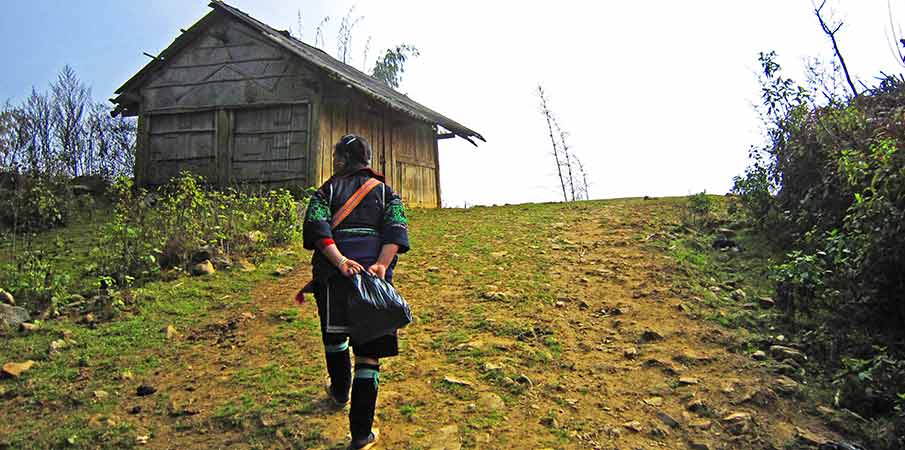
Trekking is the main reason most travelers visit Muong Hoa Valley. Scenic trails lead through rice terraces, mountain streams and traditional villages, offering some of the most rewarding walks in northern Vietnam. Whether you choose a short day hike or a multi-day trek with a homestay, the valley is an unforgettable place to explore on foot.
Popular routes start in Sapa and pass through villages such as Lao Chai, Ta Van, Y Linh Ho, Hau Thao or Thanh Kim. More experienced hikers can also continue into Hoang Lien National Park, combining the valley’s famous rice terraces with more challenging mountain trails.
🥾 Trekking Highlights
- Scenic rice terraces and mountain views
- Lao Chai, Ta Van, Y Linh Ho & Hau Thao
- Traditional ethnic villages
- Authentic homestay experiences
- Routes for beginners and experienced hikers
📍 Visitor Information
- Duration: 2 hours to 2 days
- Difficulty: Easy to moderate
- Distance: 5–20 km depending on the route
- Best season: March–May & September–November
- Local guide: Recommended for longer treks
💡 Travel Tip
Start your trek early to enjoy cooler temperatures and quieter trails. Staying overnight in a local homestay lets you experience the valley after most day visitors have returned to Sapa.

Explore the Villages of Muong Hoa Valley
The villages of Muong Hoa Valley are connected by scenic trekking trails winding through rice terraces and mountain landscapes. While some have become popular with visitors, others still offer a quieter glimpse into the daily life of the region’s ethnic communities.
🏡 Lao Chai
The valley’s most visited village, known for spectacular rice terraces, Black H’Mong culture and the classic trekking route from Sapa.
🌿 Ta Van
A peaceful Giay village with traditional homestays, cafés and beautiful mountain scenery, ideal for an overnight stay.
🌄 Y Linh Ho
A quieter village surrounded by steep rice terraces, offering scenic trails and a more relaxed atmosphere than the main tourist route.
🌾 Hau Thao
Perched high above the valley, Hau Thao rewards visitors with panoramic views, authentic H’Mong culture and peaceful homestays.
🌳 Ban Ho
Located at the southern end of the valley, Ban Ho is home to Tay communities, waterfalls and a quieter rural atmosphere.
🍃 Thanh Kim
Further from Sapa than the other villages, Thanh Kim is a peaceful destination with authentic local life, fewer tourists and beautiful mountain scenery.
💡 Travel Tip
Most visitors explore Lao Chai and Ta Van, but if you have extra time, continue to Hau Thao or Thanh Kim for quieter trails, authentic homestays and a more local experience away from the crowds.
Discover the Ancient Rock Field of Muong Hoa
⚠️ Important Notice
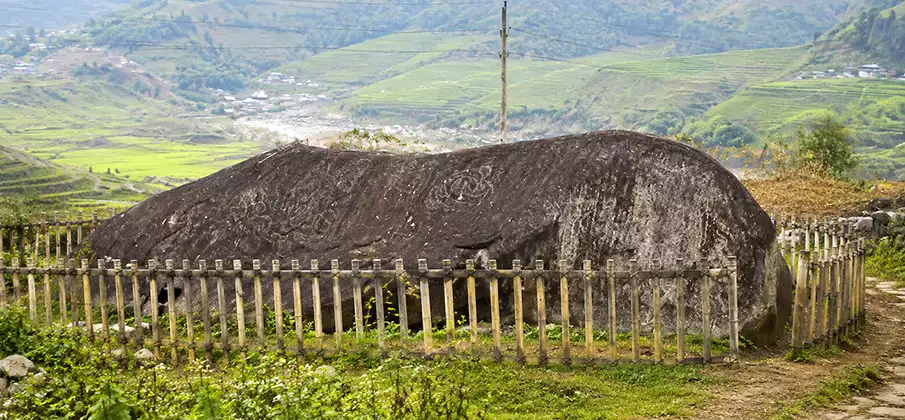
The Ancient Rock Field is currently closed to visitors while conservation work is underway to help preserve this unique archaeological site. The carvings are spread across Muong Hoa Valley rather than being concentrated in one location, mainly between Lao Chai, Ta Van and Hau Thao. The protected area contains around 159 carved boulders and more than 200 stone slabs scattered across approximately 8 km².
The Ancient Rock Field is one of the most fascinating cultural sites in Muong Hoa Valley. Hidden among rice terraces and traditional villages, the carved sandstone boulders feature mysterious symbols, geometric patterns and human figures whose origins are still not fully understood. Although the site is currently closed, it remains one of the valley’s most remarkable historical landmarks.
🪨 Highlights
- One of Vietnam’s most unique archaeological sites
- Around 159 carved sandstone boulders
- Mysterious ancient symbols and carvings
- Scattered across the rice terraces
- UNESCO Tentative List heritage site
📍 Visitor Information
- Location: Between Lao Chai, Ta Van and Hau Thao
- Status: Temporarily closed
- Protected area: About 8 km²
- Stone carvings: Around 159 boulders
- Best combined with: Trekking in Muong Hoa Valley
How to Get to Muong Hoa Valley
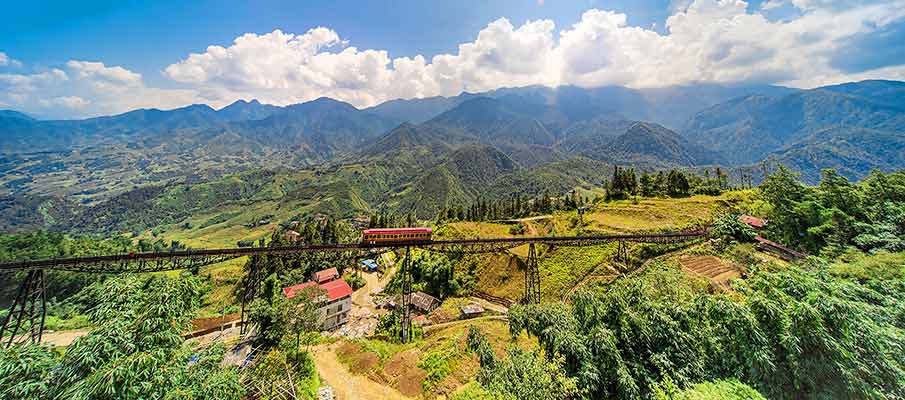
Muong Hoa Valley begins just a few kilometers south of Sapa, making it one of the easiest attractions to visit in the region. Most travelers first reach Sapa from Hanoi or Lao Cai, then continue into the valley on foot, by motorbike, taxi or as part of a guided trekking tour. You can also ride the mountain train to Muong Hoa Station if you’re planning to visit Fansipan.
These are the most popular ways to reach Muong Hoa Valley.
🚍 From Hanoi
- Travel via Sapa town
- Bus, minivan or train + bus
- Travel time: 5.5–8 hours
- Tickets from US$8
- Continue to the valley from Sapa
🥾 From Sapa
- Walk, taxi or motorbike
- 5–15 minutes to the valley
- Popular guided trekking tours
- Easy access to Lao Chai & Ta Van
- Ideal for day trips
🚞 Muong Hoa Station
- Mountain train from Sapa
- Connects to the Fansipan cable car
- Scenic journey through the valley
- Great option with Fansipan
- Tickets available year-round
💡 Travel Tip
The classic trekking route starts in Sapa and continues through Y Linh Ho, Lao Chai and Ta Van. If you’re visiting Fansipan as well, consider taking the scenic mountain train to Muong Hoa Station before riding the cable car to Vietnam’s highest peak.
☀️ Weather & Best Time to Visit Muong Hoa Valley
Muong Hoa Valley can be visited throughout the year, but each season offers a different experience. Spring brings fresh green rice fields, while autumn is famous for its golden terraces just before harvest. Summer offers lush green landscapes but also frequent afternoon showers, whereas winter offers fewer crowds, cooler temperatures and occasional morning mist.
🌿 Best Seasons
- March–May: Green rice terraces
- September–October: Golden harvest season
- Cool weather for trekking
- Clear mountain views
- Ideal for photography
🌦️ Seasonal Tips
- June–August: Frequent rain showers
- November–February: Cool and misty
- Wear proper trekking shoes
- Bring layers for changing weather
- Start hikes early for the best views
💡 Travel Tip
Late September and early October are the best months to see Muong Hoa Valley’s famous golden rice terraces, while March to May offers lush green landscapes and excellent trekking conditions. Before your trip, it’s worth checking the Weather in Sapa and Weather in Fansipan to help plan your visit and pack for the valley’s rapidly changing mountain weather.
Where to Stay in Muong Hoa Valley
Accommodation in Muong Hoa Valley has changed significantly in recent years. While traditional homestays remain one of the best ways to experience local culture, the valley is now also home to many modern lodges, boutique hotels and luxury resorts with panoramic views, restaurants, spas and other premium facilities. Whether you’re looking for an authentic village stay or a comfortable mountain retreat, you’ll find accommodation to suit every budget.
🏡 Accommodation Options
- Authentic ethnic homestays
- Family-run guesthouses
- Eco-lodges with valley views
- Boutique hotels
- Luxury mountain resorts
📍 Best Areas to Stay
- Ta Van: Homestays & eco-lodges
- Lao Chai: Rice terrace views
- Hau Thao: Quiet mountain scenery
- Su Pan: Peaceful countryside
- Sapa: Hotels & luxury resorts
💡 Travel Tip
For the most authentic experience, spend at least one night in a local homestay. If you prefer more comfort, several new boutique resorts and luxury lodges throughout the valley offer spacious rooms, infinity pools, spas and spectacular views over the rice terraces.

💡 Travel Tips for Visiting Muong Hoa Valley
A little planning can make your visit to Muong Hoa Valley much more enjoyable. From choosing the right footwear to staying overnight in a local homestay, these simple tips will help you get the most out of your trekking adventure.
✅ Before You Go
- Wear comfortable trekking shoes
- Carry cash for small purchases
- Pack a light rain jacket
- Bring plenty of drinking water
- Start your trek early
🌿 While Exploring
- Respect local customs and traditions
- Ask before photographing local people
- Stay on marked trekking trails
- Support local businesses and homestays
- Leave no litter behind
💡 Final Tip
If your schedule allows, spend at least one night in Muong Hoa Valley instead of returning to Sapa the same day. Watching sunrise over the rice terraces and experiencing the peaceful atmosphere after most day visitors have left is one of the highlights of any trip to northern Vietnam.
❓ Muong Hoa Valley FAQ & Visitor Tips
Where is Muong Hoa Valley?
Muong Hoa Valley is located near Sapa in Lao Cai Province, close to Hoang Lien National Park.
How to get to Muong Hoa Valley?
You can explore the valley on foot, by motorbike, or with a local guide. Trekking with a homestay stay is the most popular option.
How to get to Sapa from Hanoi?
Travel options include buses, minivans, motorbikes, or train + bus via Lao Cai. Read also about trains to Lao Cai.
Is there an entrance fee to Muong Hoa Valley?
Yes, visiting the Muong Hoa Valley in Sapa, Vietnam requires a paid tourist ticket that costs 150,000 VND (about $6 USD) for adults and 100,000 VND for children aged 6 to 12. Fees are typically collected at roadside checkpoints along the main route (TL152) coming from Sapa town
What to expect in Muong Hoa Valley?
Expect spectacular rice terraces, ethnic villages, scenic trekking routes, local homestays and beautiful mountain scenery just outside Sapa.
What should I bring?
Bring trekking shoes, rain protection, water, and warmer clothes during colder months.
What is the best time to visit Muong Hoa Valley?
The best time is from March to May and September to October, with pleasant weather and beautiful rice terraces.
How to book an authentic homestay?
You can book authentic homestays online or arrange them locally in Sapa.
How to get from Muong Hoa Valley to Fansipan?
You can continue by train + cable car to Fansipan mountain from Muong Hoa station near Sapa.

Tourist Map of Muong Hoa Valley and Sapa town:
The map highlights the main trekking routes, ethnic villages and attractions across Muong Hoa Valley. Most places can be reached on foot from Sapa, by motorbike or taxi, while guided trekking tours are a great option for first-time visitors.
Muong Hoa Valley & Surroundings — Photo Gallery: